There’s a particular kind of confidence that tall drivers carry—part swagger, part practicality, and part hope that a car’s “comfortable” truly means comfortable for bodies that don’t fit neatly into the average blueprint. In 2026, sedan choices are more diverse than ever, yet the most common complaint remains stubbornly familiar: headroom feels generous in the brochure, but the reality arrives with a low roofline, a steering wheel that sits a little too close, or a seat base that refuses to accommodate long femurs. And then there’s the deeper curiosity—why do so many tall drivers, even after getting the right seat set-up, still find themselves fascinated by sedans? The answer often lies in the way a good sedan distributes space: not just the measurable dimensions, but the subtle choreography between the pedal box, the seat cushion, and the ceiling above your cap.
Below is a curated view of the best 2026 sedans for tall drivers, with an emphasis on headroom and legroom. Consider it a road map for buying with clarity, not guesswork—because “roomy” is not a vibe. It’s an architecture.
Start With the Real Problem: How Headroom and Legroom Get Misread
Most shoppers evaluate height and space the way people read a calendar: quickly, optimistically, and with an assumption that everything will align. The trouble is that tall-driver comfort isn’t only about the number stamped in technical specs. It’s also about where the padding begins, how the seat back reclines, and whether the roofline slopes toward the passenger compartment like a gentle funnel.

Headroom can shrink when the driver’s seat is too high, when the seat track limits upward travel, or when the steering wheel adjuster tilts the wheel in a way that steals clearance from your helmet—yes, even if you never technically “touch” the roof. Legroom can be deceptive too: a longer wheelbase doesn’t guarantee generous space if the front seat is mounted higher or if the dashboard contours push you forward. The deeper fascination for tall drivers often comes from the relief of finally finding a sedan that feels proportioned. Not merely roomy—proportioned, like a tailor got the measurements right the first time.
What to Look For in 2026: The Tall-Driver Checklist
Before choosing a model, focus on a few features that determine whether a sedan will feel accommodating after the novelty wears off.
1) Height-adjustable seats (including cushion height): A seat that can rise is useful, but a seat that can rise without compromising steering reach is better.
2) Multi-directional steering wheel adjustment: Telescoping matters as much as tilt. Taller drivers often need both reach and angle refinement to avoid shoulder strain.
3) Steering column clearance and pedal box geometry: Some cars “fit” until you press the brake repeatedly. Then your hip angle tells the truth.
4) Sunroof impact (if applicable): A sunroof can reduce headroom by altering headlining structure. Even closed, it can change the vertical comfort envelope.
5) Seat cushion length and thigh support: Long legs need support at the right spot. Too much cushioning forward can reduce circulation; too little can leave you shifting.
When these elements click, it’s not just convenience. It’s a psychological unburdening. Tall drivers tend to remember the first car that finally felt “natural”—the one that didn’t ask them to negotiate their posture every time they started the engine.
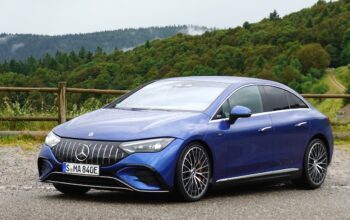
Mercedes-Benz E-Class: Confidence With a Commanding Seating Position
The E-Class remains a frequent recommendation for taller drivers because it’s designed to accommodate a wide range of body types without forcing everyone into the same seating compromise. The exterior proportions may look sleek, but the cabin tends to deliver a practical sense of space—especially when the seat is adjusted methodically.
What many drivers notice first is the way the driver’s position stabilizes. You can set a comfortable height, then fine-tune reach and angle so the steering wheel feels like it belongs to your hands rather than your elbows. Legroom also benefits from the sedan’s thoughtful interior packaging, which reduces the “knees too close” feeling that plagues cars with tighter front-end packaging.
Look deeper, and there’s a reason the fascination persists. The E-Class offers a kind of predictable comfort: the cabin feels engineered to avoid surprises. For tall drivers, predictability is its own luxury.

Ford (and Similar) Large-Format Sedans: The Case for Space-Forward Packaging
Some sedans earn their reputation through sheer dimensional intent. In 2026, the best space-forward designs are the ones that build their cabin around driver posture rather than around fashion-first metrics. That typically means a more accommodating front seat area, a sensible center stack layout, and less intrusion into the knee and thigh zones.
Legroom comfort isn’t only about how far the seat slides; it’s also about how the seat back meets your torso and how the floor shape supports your feet. Taller drivers often appreciate models that leave room for footwork without requiring a toe-tip driving habit.
If you’re evaluating a family-friendly sedan, prioritize models with front seats that provide long-sitting comfort while still allowing drivers to maintain a stable, upright posture. The ability to “settle in” is where fatigue begins to decline.
Honda Accord-Class Sedans: Quiet Ergonomics and Easy Adjustability
A tall driver’s ideal sedan is rarely the loudest one. Often, it’s the car where the controls make sense. Honda’s approach in this category typically emphasizes ergonomic clarity: seat adjustments that are intuitive, steering that feels positioned logically, and a cabin layout that doesn’t push your shoulders into a corner.
Headroom can be particularly satisfying in designs that avoid overly aggressive roofline tapering near the B-pillar. When the ceiling space stays consistent, you can sit taller without feeling like you’re crouched under a beam.
And there’s the subtler reason sedans attract tall drivers in the first place: sedans reward refinement. The calmness of a well-proportioned cabin lets you focus on driving, not posture management. After hours behind the wheel, that difference becomes a lived experience, not a spec-sheet promise.
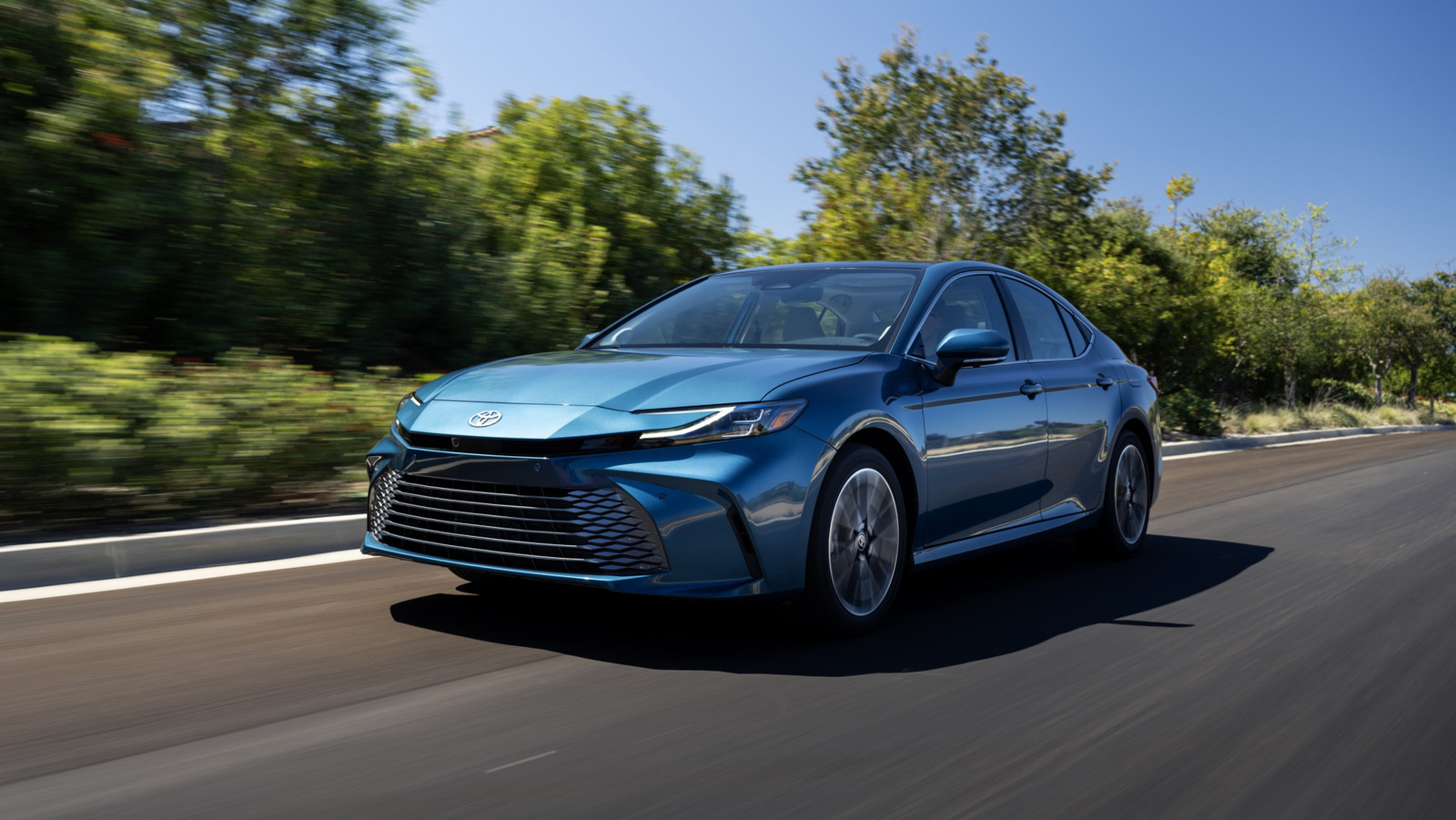
Toyota Camry-Class Comfort: Reliability Meets Practical Dimensions
Camry-like sedans often excel at the “daily long drive” test. They may not advertise their comfort with theatrical language, but they tend to deliver a credible balance of seat support, accessible controls, and manageable interior packaging.
Tall drivers tend to gravitate toward models that let them bring the steering wheel close enough to maintain a natural bend in the elbows. A comfortable reach reduces shoulder tension, which in turn helps you sit more upright—an advantage when headroom is borderline. Legroom remains critical too: the difference between stretching and commuting comfortably often comes down to the space behind the front seat and the floor contours beneath it.
When reliability meets roomy practicality, fascination turns into habit. You don’t just like the car; you stop thinking about the car.
How to Test a Sedan in Minutes: A Real-World Seating Method
Even the best sedan recommendations can fail if you don’t test correctly. Use this quick procedure before committing:
1) Adjust seat height first. Find a position where your eyes feel level with the road, not craned upward or pressed down.
2) Set steering reach next. Telescoping or reach adjustment should let your shoulders relax. Your wrists should fall naturally to the wheel without stretching.
3) Check knee clearance under light braking. Use the brake while watching your hip angle and knee placement. Comfort at rest can vanish under motion.
4) Simulate a longer drive. Sit for a moment with both feet planted. If you feel the urge to shift immediately, the sedan may be “technically roomy” but ergonomically misaligned.
That last step matters. Tall-driver comfort is often a negotiation between bones and geometry. When the negotiation ends, the car becomes more than transportation—it becomes a relief.
Choosing the Best Fit: Family Needs vs. Personal Comfort
Some tall drivers prioritize solo comfort and driving posture. Others need a sedan that works for long road trips with passengers, where rear-seat headroom and legroom matter too. In 2026, many sedans deliver surprisingly decent back-seat space, but the front seats remain the deciding factor for most tall buyers.
If you frequently bring family or friends, examine rear space without assuming “front comfort” transfers automatically. Some designs prioritize front seat sculpting at the expense of back-seat kneeroom. A sedan may feel perfect for you and still disappoint behind you.
When you align personal comfort with the way you actually use the car—commutes, errands, weekend travel—the “best” sedan becomes not just a model, but a routine.
Final Thoughts: Why Headroom and Legroom Feel Like More Than Measurements
For tall drivers, headroom and legroom are never just numbers. They’re the architecture of comfort: the way the cabin welcomes you, the way your posture settles, the way fatigue declines over time. The best 2026 sedans stand out because they respect human proportions rather than forcing a compromise.
When you find the right sedan, the fascination makes sense. It’s not only about space—it’s about the freedom to drive without constantly recalibrating your body. In a world full of compromises, that kind of fit feels almost improbable. And when it finally arrives, it’s the most satisfying kind of upgrade: not louder acceleration, not flashier screens, but a calmer sense of belonging behind the wheel.