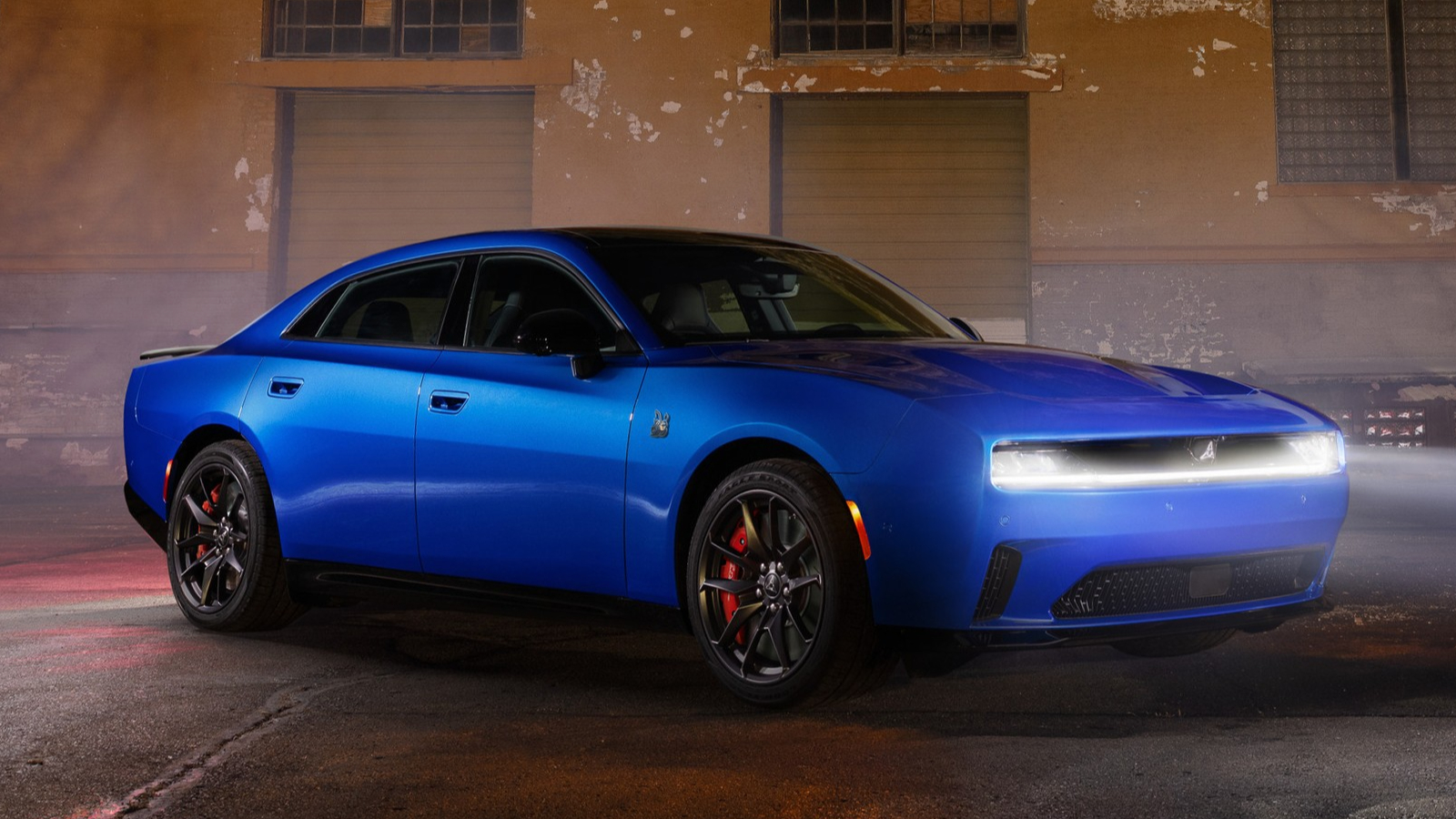
The Dodge Charger has always been a moving argument—against restraint, against subtlety, against the idea that a sedan can’t feel like a thunderclap. In its newest form, that argument has expanded. The Charger now lives in two parallel realities: one where muscular power arrives through a traditional gas drivetrain, and another where the badge’s swagger is translated into electric immediacy. Either way, the promise is consistent. A full-size muscle sedan should not simply transport you. It should announce you.
Because the Charger name carries mythos, it also attracts curiosity. Readers want to know what “full-size” truly means in the real world, how the cabin fits daily life, and which version best satisfies different kinds of driving hunger. Some chase torque like poetry. Others want the familiar cadence of a V8 soundtrack. And many simply want the most outrageous sedan that still behaves like a sedan—comfortable enough for errands, confident enough for road trips, and wild enough to make stoplights feel like starting lines.
In the sections that follow, you’ll find a comprehensive tour of what to expect from the Dodge Charger in both its gas and EV expressions. Look for details on performance character, design language, technology, practicality, ownership considerations, and the culture that keeps the Charger relevant even as the automotive world accelerates toward electrification.
Full-Size Muscle Sedan: What “Full-Size” Delivers
Full-size is more than marketing geometry. It shapes how the Charger occupies space on the road—how it rides, how it carries passengers, and how it feels when you cross state lines with the radio low and the miles high. A true full-size sedan typically offers a broader stance, more interior volume, and a sense of composure at speed. The Charger leans into that composure, balancing heft with attitude.
Expect seats that support long drives rather than merely accommodate short ones. Expect a rear cabin that isn’t an afterthought. And expect a trunk that understands groceries, luggage, and weekend gear. Even when the Charger’s exterior looks like it’s built for spectacle, the platform aims to remain usable—an important distinction for buyers who don’t want a “show car” lifestyle.
Design Language: From Retro Aggression to Modern Presence
The Charger has always drawn from a bold lineage—broad shoulders, confident surfacing, and an unmistakable silhouette. In gas form, that language tends to emphasize classic muscle cues: athletic proportions and a stance that looks planted. In EV form, the design retains that muscular vocabulary while shifting emphasis toward aerodynamic efficiency and visual tech cues that feel more futuristic than nostalgic.
Front-end styling often becomes the Charger’s handshake with the world: lighting signatures that read clearly in daylight, grille and fascia shapes that communicate momentum, and hood lines that suggest the engine bay is busy—even before you start moving. Tail details follow through with the same conviction, with rear proportions that invite a second look in the mirror.

EV vs. Gas Personality: Different Kinds of Power
Power is not a single sensation. Gas and electric drivetrains deliver it differently, and the Charger’s two versions turn that difference into a feature rather than a compromise.
With the gas Charger, the appeal often centers on the mechanical rhythm—throttle response, engine character, and the way acceleration builds with a familiar urgency. The soundscape may be part of the identity. Even when modern engines are tuned for efficiency, the Charger tends to preserve that sense of aggression, as if the car is always one downshift away from drama.
With an EV Charger, the experience becomes immediate. Torque arrives with a near-instant readiness, and the car tends to launch with a kind of ballistic clarity. Where gas power can feel theatrical, electric power frequently feels surgical—controlled, repeatable, and surprisingly effortless. The EV’s “push” often feels strongest in everyday situations: merging, passing, and quick exits from tight traffic gaps.
Both versions can feel fast. The key difference is how they communicate that speed. Gas tends to deliver through sound and cadence. EV tends to deliver through immediacy and linear progression.
Ride, Handling, and Road Feel: Big Doesn’t Mean Sluggish
A full-size muscle sedan must do two things at once: remain composed when the road roughens and still feel responsive when you ask for more. The Charger aims to thread that needle. The chassis and suspension tuning typically prioritize stability at speed, with steering feel designed to keep the car confident rather than floaty.
On highways, expect calmness and a sense of planted traction. On twistier stretches, the Charger’s character becomes more interesting—body control that supports spirited driving without turning the car into a skittish temperament case. The goal isn’t track obsession; it’s the blend that makes the Charger enjoyable even when the day isn’t planned around driving.
Braking performance and wheel control matter here, too. Muscle cars have always been judged by their ability to stop as quickly as they start—modern tuning brings that confidence into daily driving.
Interior and Comfort: Where Muscle Meets Usability
Step inside and the Charger’s full-size nature becomes personal. Space is not only measured in inches but also in the way your body settles after the first ten minutes. The driver’s area typically feels ergonomic and cohesive, with controls positioned to reduce distraction. Materials and finishes often lean toward durability with a touch of flair—design choices that acknowledge real-life use.
Visibility matters in a sedan that looks so bold. A strong beltline can sometimes complicate sightlines, but the Charger’s interior design generally aims to keep drivers confident in traffic. The result is a cockpit that feels both commanding and comfortable.
Infotainment and climate control are part of the emotional equation as well. Long drives require more than power. They require a cabin that stays pleasant, plus a tech stack that responds quickly rather than lagging like a reluctant assistant.
Technology and Driver Assistance: Modern Safety, Muscle Attitude
Today’s Charger is expected to do more than accelerate. It must handle modern expectations for driver assistance and connectivity. Readers can anticipate a suite of features that typically includes adaptive cruise functionality, collision mitigation systems, lane-centering assistance, and parking aids.
In EV versions, energy management tools also become central. Drivers want clarity—what range remains, how driving style influences consumption, and which route strategies can make charging feel less like a chore. The best implementations don’t just display numbers. They translate them into decisions you can make confidently.
Connectivity tends to anchor everything else: navigation that plans routes intelligently, smartphone integration that keeps tasks frictionless, and audio systems tuned to deliver presence rather than tinny background sound.
Charging and Fueling: The Practical Reality Behind the Thrill
Gas and EV ownership differ in rhythm. The gas Charger follows an established cadence: fuel stops, predictable refueling times, and familiar logistics. The Charger’s appeal here lies in convenience and comfort. It’s a muscle sedan that fits into routine without demanding a new lifestyle.
The EV Charger, by contrast, introduces charging as a habit. Yet “habit” can be empowering when charging infrastructure is accessible and when the vehicle’s energy tools are clear. At-home charging offers a near-magic quality: waking up with a full battery, ready to chase the day. Public charging becomes the backup plan—or the adventure companion—depending on your travel patterns.
Range clarity and charging speed compatibility are the two topics readers often return to. The Charger’s EV approach should aim for transparency, helping drivers understand trade-offs: how driving style affects consumption, how elevation and weather influence performance, and how to plan charging stops without turning a trip into a spreadsheet exercise.
Performance Upgrades and Trim Identity: Choosing Your Flavor of Charger
Charger enthusiasts rarely shop for a single “car.” They shop for a personality. That’s where trim identity matters. Gas configurations often distinguish themselves with engine options, performance packages, and wheel-and-brake setups designed to sharpen the car’s responsiveness.
EV variants tend to differentiate through motor output characteristics, drivetrain layout, and efficiency tuning. Some EV versions may feel optimized for rapid acceleration and everyday torque delivery, while others may lean toward range-friendly operation. Even minor software tuning can change the driving feel—throttle mapping, regen behavior, and drive-mode personalities.
When choosing, consider how you drive most days. Short commutes benefit from quick torque and smooth power delivery. Long trips benefit from comfort and predictive energy planning. City driving rewards instant response and manageable handling. Highway cruising rewards composure and confident stability.

How the Charger Fits Into Modern Culture
Cars don’t become icons solely through specs. The Charger endures because it represents a mindset: big presence, bold design, and a willingness to be seen. That cultural weight travels with the name whether the powertrain is gas or electric.
The EV era challenges old assumptions, but it doesn’t have to erase identity. The Charger can evolve without losing its core message. Electric power can feel like a new kind of dominance—less about mechanical spectacle and more about immediate control. Gas power can remain a sensory celebration—sound, vibration, and a familiar acceleration arc.
For many readers, this is the real thrill: the Charger doesn’t ask you to abandon your preferences. It asks you to decide which version best matches your definition of excitement.
Buying Considerations: What to Evaluate Before Signing
Before choosing between gas and EV, focus on lifestyle fit. Start with your daily route: distance, traffic patterns, and whether you have predictable access to charging at home or work. Next, consider your typical weekend plans. Do you travel beyond reliable charging territory? Or is your driving mostly regional and repeatable?
Then think about the kind of excitement you want. If you’re chasing mechanical drama and aural charisma, the gas Charger tends to feel tailor-made. If you’re drawn to immediacy, smooth torque delivery, and tech-forward energy management, the EV Charger offers a different but equally compelling thrill.
Finally, evaluate comfort and practicality. Full-size sedan buyers often care about ingress and egress, rear-seat usability, trunk depth, and long-distance comfort. A Charger should earn your attention in the driveway and keep it after the first road trip.
Final Thoughts: Two Chargers, One Legacy
The Dodge Charger—gas or EV—remains a full-size muscle sedan with a singular talent: making everyday driving feel like a statement. The gas version leans into familiar power character, delivering the kind of acceleration that still carries a classic engine romance. The EV version translates muscle into electric immediacy, offering torque that arrives instantly and a driving experience that feels composed and modern.
Ultimately, the right Charger is the one that matches your rhythm. Whether you prefer the traditional cadence of combustion or the fast, quiet thrust of electricity, you’re choosing a sedan built for presence. And in a world of sameness, that kind of audacity is its own performance.