There’s a peculiar kind of satisfaction in sliding a suitcase into a trunk that feels as if it were designed for real life—not magazine life. The question people ask in parking lots and during school-run commutes is usually simple: Which 2025 crossovers will swallow the most cargo? But the truth is more interesting. That desire isn’t only about space. It’s about relief. It’s about the moment you realize you won’t have to play cargo Tetris with every errand, move, or weekend escape. And underneath that practical instinct sits a deeper fascination: the way geometry, packaging, and engineering conspire to create freedom.
To capture that feeling, here’s a curated list of the top five 2025 crossovers known for standout cargo capacity. Each one represents a different philosophy of “roominess”—some through volume, others through shape, and still others through clever access and modularity. Keep reading, and you’ll notice a recurring theme: the best cargo spaces are never just bigger. They’re easier.
How “Most Cargo Space” Really Feels in 2025
Before the shopping list, it helps to separate numbers from experience. Cargo capacity is often expressed in cubic feet, but the day-to-day usability depends on more than volume. Think of it like hospitality: a venue can have lots of square footage, yet still feel cramped if sightlines and entry points are awkward. In crossovers, the “feel” usually comes down to three elements: the height of the load floor, the width at the rear opening, and the way the rear seatbacks fold.
In 2025 models, automakers are leaning into packaging techniques that were once reserved for larger SUVs. Shorter overhangs, reworked suspension geometry, and efficient underfloor storage all contribute to a more accommodating cargo bay. Even the hatch design matters. A higher liftgate doesn’t always mean more practicality; what matters is whether you can reach in without contortions. Freedom is a physical sensation.

1) 2025 Kia Sportage—Modular Storage, Quiet Confidence
The 2025 Kia Sportage earns attention not because it tries to be everything, but because it’s consistent. Its cargo space feels intentionally planned, with a load floor that supports clean stacking. When you fold the rear seats, the expansion is practical rather than performative; you’re not just gaining cubic feet—you’re gaining functional cargo planes.
There’s an almost reassuring logic here. People are drawn to cargo-friendly crossovers because they reduce the cognitive load of everyday life. You stop thinking about how to pack and start thinking about where to go. The Sportage’s approach supports that mindset. The materials and access are designed for routine use, not occasional heroics.
Why it stands out: a user-friendly cargo shape, easy seat folding, and a layout that discourages wasted space.
2) 2025 Hyundai Tucson—A Generous Bay with Smart Practicality
Some crossovers feel large in the way a warehouse feels large: impressive, but a bit impersonal. The 2025 Hyundai Tucson, by contrast, aims for a more livable kind of spaciousness. The rear cargo area tends to remain usable even when you’ve partially folded the seats—useful for mixed loads like grocery bags, sports gear, or a stroller plus soft items that don’t tolerate compression.
That matters because real cargo is rarely a single category. It’s oddly curated: hard cases, tote bags, and the flexible “we’ll figure it out” items that always seem to arrive at the last second. A crossover that keeps cargo access intuitive helps you avoid the classic compromise of smaller vehicles—where you either leave things behind or drive home with a trunk that’s not fully closed.
Why it stands out: practical cargo expansion and a layout that stays workable in everyday configurations.
3) 2025 Honda CR-V—The Cargo Space People Trust
The Honda CR-V has long carried a reputation for usability, and the 2025 iteration continues that tradition. Its cargo area feels designed around repetition: loading, unloading, and doing it again tomorrow. This is where the fascination deepens. People don’t just want space; they want trust. They want to know that the car will accommodate the chaos of family schedules and spontaneous detours.
In the CR-V, you typically get a blend of volume and accessibility. The rear opening allows for easier loading of bulky items, while the seat-folding mechanism supports a flatter, more accommodating cargo zone. That flattening effect can be underrated—until you try to fit a long box or haul something awkward. Then the difference becomes obvious, almost visceral.
Why it stands out: a dependable, everyday cargo layout that feels effortless rather than merely spacious.
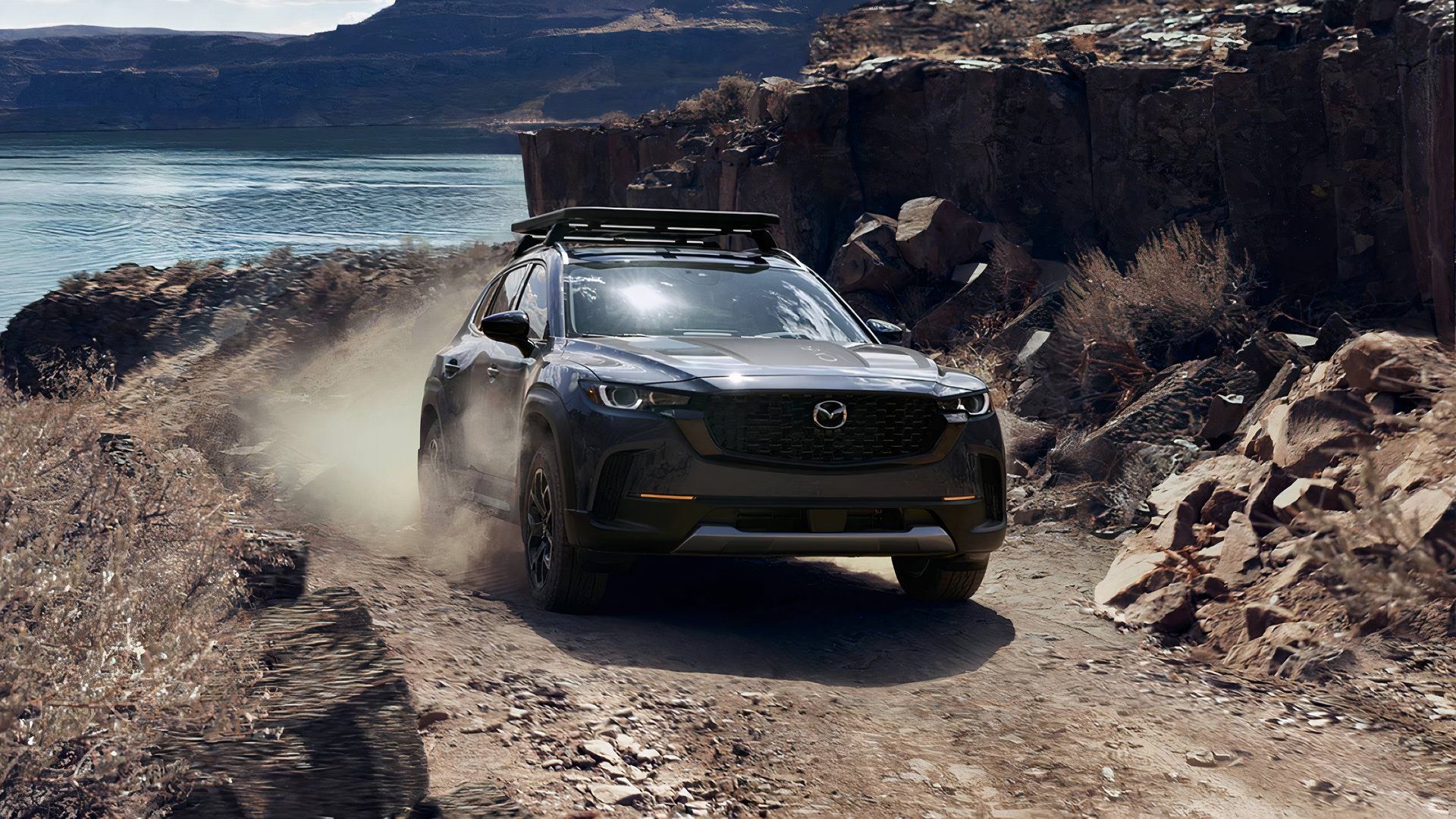
4) 2025 Mazda CX-5—Unexpectedly Spacious, Surprisingly Versatile
There’s a particular delight in encountering spaciousness in a crossover that doesn’t look like it was built for shipping containers. The 2025 Mazda CX-5 delivers that kind of pleasant surprise. Its cargo volume, while not always the headline number in every comparison, often translates to a remarkably workable rear area. The cargo bay’s proportions and the way the rear seats fold can make the space feel larger than it sounds.
Why does that matter? Because “most cargo” isn’t just about maximum capacity. It’s about the ratio between capacity and convenience. A crossover that lets you slide items in with less juggling becomes the one you choose for road trips and errands. It becomes the car you reach for when you want to pack quickly and without drama.
Why it stands out: clever packaging that emphasizes usability, flexibility, and clean access.
5) 2025 Subaru Forester—Room for Gear, Room for Life
The 2025 Subaru Forester is the embodiment of “carry more, worry less.” It’s not solely about cargo space; it’s about lifestyle compatibility. People buy the Forester when they expect dirt roads, outdoor weekends, and the kind of activity where equipment arrives in multiples. The cargo area supports that reality with a practical, easy-to-configure layout.
There’s also a deeper reason it resonates: the sense that the vehicle is prepared for the future. You don’t just pack groceries. You pack the idea of possibility—camping gear, tools, sports equipment, and the occasional awkwardly shaped item that refuses to fit anywhere else. When cargo capacity aligns with that mindset, the crossover stops being transportation and becomes a reliable partner.
Why it stands out: robust, gear-friendly cargo practicality and straightforward seat versatility.
Choosing the Right One: Your Cargo Priority Checklist
Not every “most cargo space” winner matches every household. Before committing, take a moment to consider what you haul most often. Are your loads tall (luggage, coolers)? Are they long (flat-pack boxes, boards)? Do you transport bulky items that demand wide openings? Each crossover has its strengths, and the best match comes from aligning the vehicle’s geometry with your patterns.
Here are quick checks that reveal the truth faster than spec sheets:
1) Measure the load floor height: lower floors reduce lifting effort.
2) Test seat folding in real time: quick, smooth folding is a daily quality.
3) Check the rear opening width: a wider opening can beat slightly higher volume.
4) Look for underfloor storage: small compartments keep essentials from becoming cargo clutter.
Small details compound. That’s how a crossover earns a loyal following: through the cumulative moments of convenience that add up over months.
Final Thoughts: The Real Luxury Is Freedom
In 2025, the top cargo-forward crossovers share a common theme: they make space feel usable. The best ones don’t merely present maximum numbers; they deliver an experience where packing is faster, loading is kinder, and trips feel less constrained. That’s why cargo capacity fascinates people in the first place. It’s not obsession—it’s empowerment.
Whether you’re stocking up for a weekend getaway or hauling the tools of everyday life, the right crossover turns constraints into options. And once you’ve tasted that kind of freedom, you’ll start noticing cargo space the way you notice good lighting: instinctively, gratefully, and with a quiet certainty that you chose well.