There are cars that arrive with a whisper, and cars that walk in like a storm clearing the sky. The Nissan Sentra Nismo belongs to the second category—not because it screams for attention, but because it carries performance like a secret in its pocket. It’s the kind of machine that feels engineered to be more than transportation. It’s a conversation between restraint and ambition, where everyday comfort and track-inspired intent share the same steering wheel without arguing.
The Sentra, historically, has worn practicality as a badge. But Nismo doesn’t polish that badge into something flashy and hollow. Instead, it sharpens the edges, adds tension to the lines, and turns the cabin into a cockpit where the ordinary becomes interesting. Think of it as a book that looks familiar on the shelf—until you open it and discover the plot has been rewritten with a bolder protagonist.
What “Nismo” Really Means in the Sentra’s Story
In this chapter, Nismo isn’t merely branding. It’s an attitude with mechanical fingerprints. While the name suggests speed, the deeper promise is character. The Sentra Nismo is designed to communicate through feedback—through the weight you feel in the steering, the composure of the suspension, and the way the chassis seems to “listen” before it “moves.”
Some performance packages chase raw numbers. Nismo tends to chase rhythm. It’s less about making every journey an instant race, and more about making every turn feel deliberate. Imagine walking on a tightrope; you don’t need to sprint to feel the stakes. You just need the right tension in your balance. That’s the sensation the Sentra Nismo aims to cultivate.

Design That Hints at Motion Before You Move
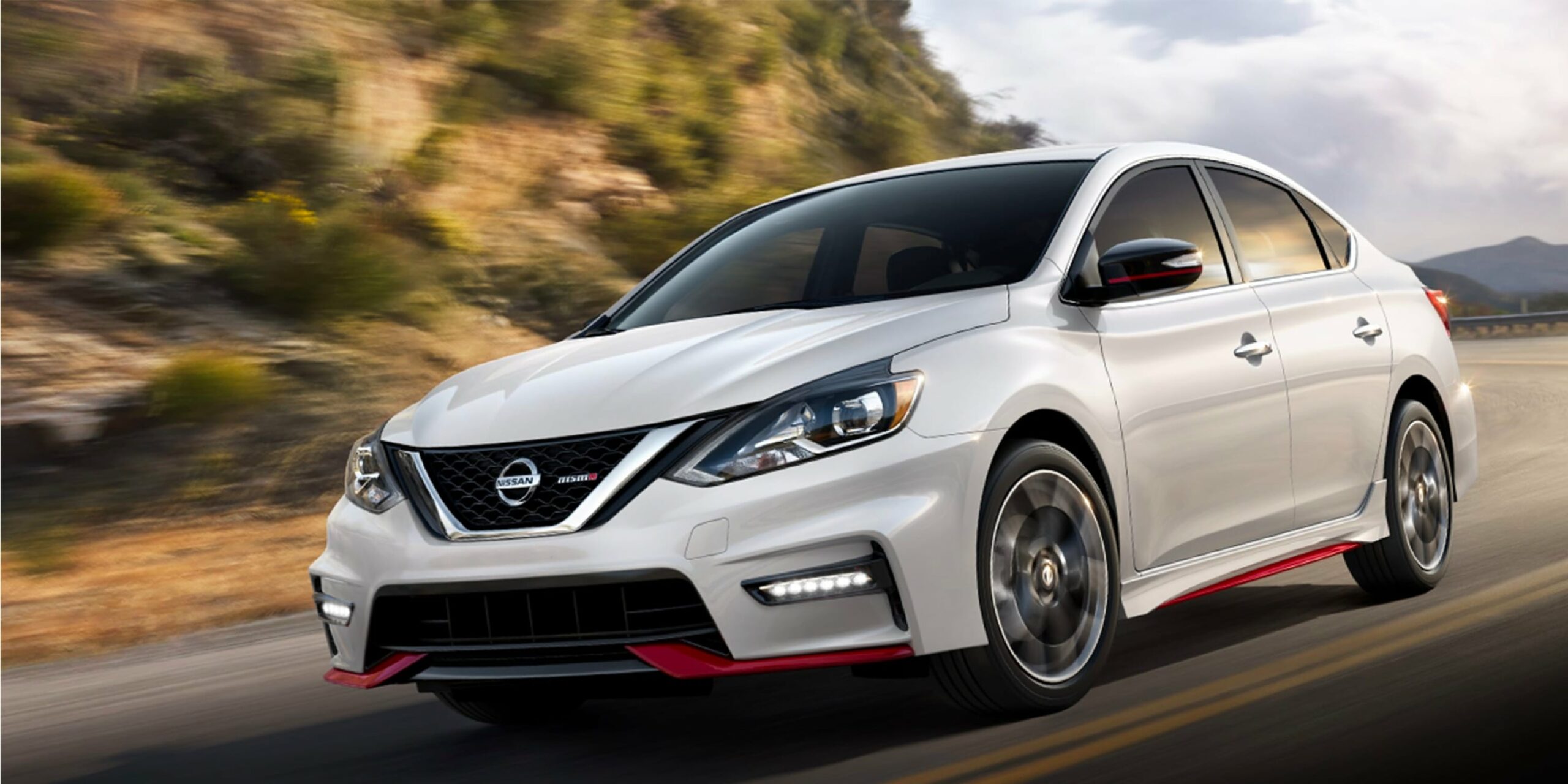
Beauty, in a performance car, should be functional—like the way a hawk’s shape is streamlined for flight. The Sentra Nismo leans into that principle. Its exterior language speaks of curvature and aggression without turning into a caricature. The bodywork looks planted, as if it’s already braced against wind and cornering forces.
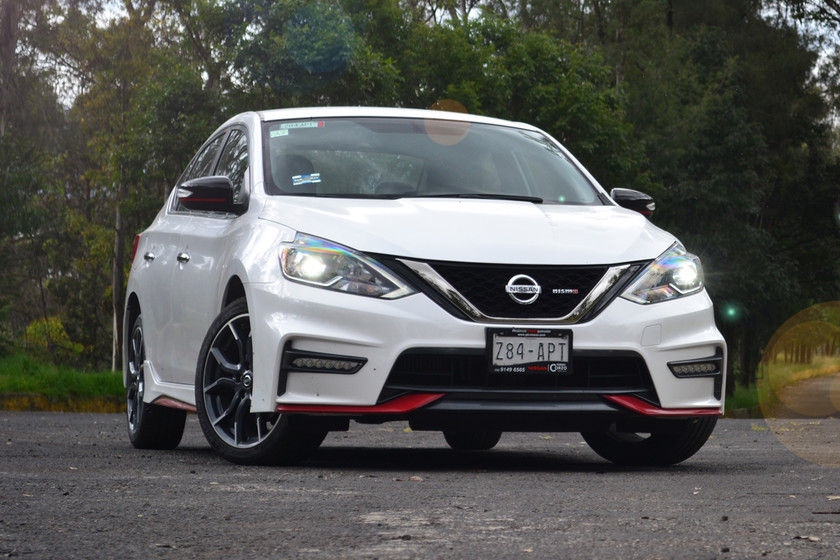
You’ll notice the silhouette feels lower, the stance more purposeful. Even the details—badging, front fascia aggression, and rear presence—act like punctuation. They don’t replace the sentence; they clarify it. The car looks like it’s capable of leaving traffic behind, but it also looks coherent enough to live in real life, not just in a photoshoot.
In the real world, the Nismo styling also does something subtle: it changes the driver’s mindset. The moment you sit behind the wheel, you stop driving like you’re borrowing a car. You start driving like you’re commanding a system.
Engine and Acceleration: Where the Thrill Begins
Performance versions are often judged by acceleration, and the Sentra Nismo holds that debate in its hands. The experience isn’t solely about speed; it’s about response. When the throttle is pressed, the car’s behavior should feel immediate, not delayed—like a reply that arrives before the question fully finishes forming.
That “instant consent” between pedal and power matters. It creates confidence on merges, it reduces hesitation when passing, and it makes daily driving feel more alive. The Nismo approach typically aims for a performance character that’s usable: strong enough to matter, smooth enough to stay civil.
And even when you’re not pushing hard, the engine’s willingness to rev can be an emotional cue. It makes the cabin feel less like a waiting room and more like a cockpit—where motion is always within reach.
Handling and Suspension: The Chassis as a Personality
If the engine is the voice, the suspension is the mood. The Sentra Nismo’s handling philosophy centers on keeping the car composed when the road tilts. A good performance chassis doesn’t just go fast—it prevents drama. It controls body roll, supports steering accuracy, and helps the tires maintain their conversation with the pavement.
When you enter a corner at the edge of comfort, the car should respond with a calm, structured eagerness. It should feel planted rather than nervous. The goal is not to scare you into slowing down; it’s to invite you into braking later than you thought you could.
There’s a metaphor that fits perfectly here: suspension tuning is like the foundation of a dance. You can have flashy footwork, but without solid footing, the performance collapses. The Sentra Nismo aims to keep that foundation steady, so the driving feels like choreography rather than improvisation.
Braking and Control: Stopping With Authority
Performance isn’t only what you can do going forward. It’s also how confidently you can shut the door on momentum. The Sentra Nismo’s braking system is expected to deliver consistent pedal feel and reliable deceleration, especially when driving moves from leisurely to spirited.
Good brakes are an emotional feature. When braking response is predictable, the driver’s mind becomes quieter. Less uncertainty means more enjoyment. You start reading the road instead of calculating the fear of fading stopping power.
That authority matters whether you’re navigating urban traffic at speed-merge tempo or pressing into highway descents where repeated braking can test the integrity of a system.
Wheels, Tires, and Grip: Where Physics Gets Personal
The tires are the link between intent and outcome. With the Sentra Nismo, wheel and tire setup should be tuned to maximize traction without turning everyday driving into a punishment. Grip is how a car feels “sticky,” how it corrects itself when you’re a fraction of a second too ambitious.
In performance driving, tires are like the strings on a musical instrument. Too slack and the notes smear. Too tight and the sound becomes harsh. The Nismo balance should aim for crispness, clarity, and repeatability—so each maneuver feels similar to the last, not random or chaotic.
That’s why a well-prepared performance car builds trust. And trust is the most underrated performance upgrade of all.
Interior and Driver Experience: A Cockpit, Not a Waiting Room
Inside, the Sentra Nismo is where the brand’s intent becomes tangible. The cabin is designed to feel more focused, more engaging. It’s not just about aesthetics; it’s about ergonomics and the subtle psychology of controls within reach.
A performance-oriented interior tends to reduce friction between thought and action. Buttons and displays should be legible, feedback should be immediate, and the seat positioning should encourage commitment to the steering wheel. The best part is that it doesn’t need to be hardcore to be thrilling. It can be daily-friendly while still feeling slightly more special than a standard trim.
The driving posture becomes a statement: you’re not merely sitting in the car; you’re integrated into the machine’s behavior.
Technology and Daily Usability: Performance With a Safety Net
One of the quiet strengths of the Sentra Nismo is its ability to remain sane. Performance doesn’t have to mean sacrificing convenience. Modern driver aids, infotainment, and comfort features allow the car to act like a daily companion rather than a weekend project.
This matters because the most satisfying performance isn’t always the most extreme. It’s the kind that can live in your schedule. The Sentra Nismo should be able to handle errands, commutes, and longer drives without losing its charisma.
Think of it as a well-trained athlete. It can be competitive when needed, but it can also attend a family event without turning it into a championship ceremony.
Who Is the Nissan Sentra Nismo For?
The Sentra Nismo appeals to drivers who want more than “just a faster version.” It’s for those who appreciate fine tuning, who care about how a car communicates through the steering and pedals. It’s for people who enjoy the idea of a performance car that doesn’t require a separate personality for weekdays.
It also fits buyers who want a compact sedan that feels purposeful. Not everyone wants a loud, oversized machine. Some people want a scalpel: precise, light on its feet, capable of cutting through the monotony of ordinary driving.
Final Thoughts: A Sedan That Learns to Sing
The Nissan Sentra Nismo carries performance like an undercurrent. It doesn’t dominate the world with noise; it seduces it with competence. When the road demands attention, the Nismo version answers. When the day is ordinary, the car remains approachable—still confident, still ready.
In the end, the Sentra Nismo is less about turning everything into a race and more about turning every drive into something that feels intentional. It’s the kind of car that makes you notice the pavement, the horizon, and even your own willingness to enjoy the journey. And once you feel that, it’s hard to go back to driving that feels merely functional.