There’s a particular kind of magnetism attached to a 2026 Porsche 911. It isn’t only the silhouette—though the low stance and taut lines are undeniably seductive. It’s also the way owning one quietly reframes your relationship with time, attention, and upkeep. Many people assume the cost of owning a 911 is a straightforward equation: buy the car, budget for maintenance, repeat. But real ownership often feels more like tending a living machine—part luxury, part engineering opera, part disciplined routine.
So let’s talk about cost with enthusiasm rather than dread. Specifically: maintenance and repairs, what tends to surprise owners, and why the deeper fascination persists even when the invoice arrives.
Why “Maintenance” Isn’t Just Oil Changes
A common observation goes like this: “Cars are expensive, but a Porsche is different.” That’s true—yet the reason is more nuanced. A 911 is engineered for performance and responsiveness, which means many components are calibrated to operate closer to their design envelopes than most mainstream vehicles. Higher thermal loads, tighter tolerances, and a more intricate set of systems all contribute to a maintenance profile that’s less casual.
Maintenance typically includes scheduled services such as oil and filter replacement, brake inspections, fluid checks (coolant, brake fluid, power steering where applicable), air filter changes, and tire rotations. The bills can still be manageable when you stay consistent. The bigger cost swing comes when small issues are allowed to germinate.
And there’s a deeper reason owners often keep coming back: regular service is not merely a chore. It becomes a ritual of stewardship. When the car returns, freshly refreshed and mechanically lucid, the fascination sharpens—almost like hearing a favorite record played with the needle in the right groove.
Routine Service Costs: The Steady Drumbeat
For a 2026 911, routine service intervals will vary based on driving habits, mileage, and local conditions, but the pattern is familiar. Expect costs to rise and fall with each service cycle: basic fluid/inspection tasks are generally cheaper, while services that bundle additional parts—filters, spark plugs where applicable, and more thorough inspections—tend to cost more.
Labor rates are also a major variable. Specialty German performance vehicles often require technician expertise, specialized diagnostic procedures, and time-intensive work. A “simple” job can become an architectural puzzle because of packaging and access constraints—especially on a front-engine, rear-transmission layout that’s still relatively compact.
In practical terms, you should budget for predictable recurring expenses like:
• Engine oil and filter service
• Cabin and engine air filtration
• Brake system inspection and potential wear-related replacement
• Tire rotation and alignment checks
• Battery health verification and charging system monitoring
Even if you don’t drive aggressively, your car’s systems respond to heat cycles and aging. Routine service helps keep those cycles polite.
Repairs: Where Costs Can Sudden-Shift
Repairs are where 911 ownership can feel like a plot twist. Not because the car is unreliable, but because when something goes wrong, it may involve systems that are more interdependent than they appear from the outside.
Common repair categories can include:
• Brake components (pads, rotors) due to performance use or high wear
• Cooling system elements, influenced by heat management demands
• Sensors and electronics—because modern drivetrains are a constellation of data points
• Suspension wear items (bushings, dampers, alignment-related adjustments)
• Exhaust-related components and related sealing surfaces
Higher-performance tires are also a “repair-adjacent” cost. They don’t exactly fail suddenly, but their tread life can compress faster than expected on sticky surfaces or enthusiastic driving. In that sense, tires become the consumable soundtrack of ownership.
Here’s the deeper reason fascination doesn’t evaporate: the car’s character depends on crisp function. When you address repairs promptly, you restore the precise feel that originally hooked you. The fix isn’t just mechanical—it’s emotional re-stitching.
Brakes and Tires: The Wear Items That Shape Your Budget
If you’re coming from a typical commuter car, brake and tire costs can feel like a revelation. A 911 is often driven with intent—harder braking, quicker cornering, and more spirited throttle application. Even if that’s occasional, it adds up.
Brake costs depend on pad material, rotor wear, and whether you’re replacing components together or separately. Performance driving can also warp rotors or accelerate pad degradation. Many owners prefer maintaining braking quality through consistent service, because faded response undermines confidence.
Tire costs depend heavily on size, compound, and seasonality. Summer tires can deliver incredible grip, but their lifespan may be shorter if driven year-round or on imperfect roads. Winter tires add a second set, plus storage or swap logistics—another seasonal chapter of spending.
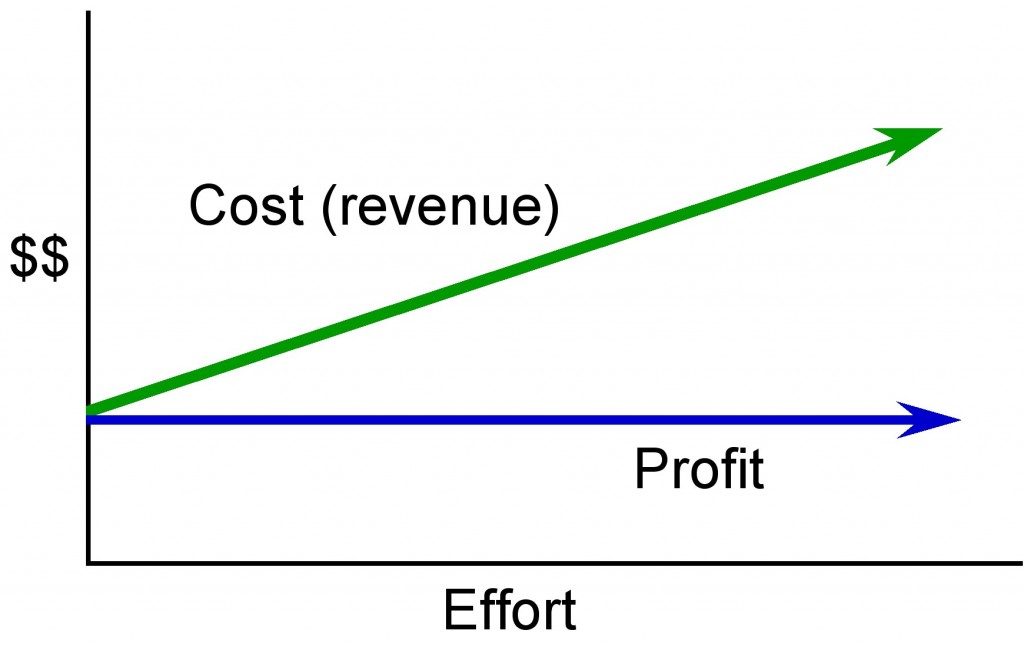
Notice how the observation—“This is expensive”—turns into a deeper narrative: the expense is often the price of participation. You’re not just owning transportation; you’re participating in a technical relationship. Tires and brakes are the interface between your intention and the car’s physical truth.
Cooling, Oil Management, and Heat: The Quiet Lifelines
Heat management is not glamorous, yet it’s central to any performance engine. A 911’s operating environment involves significant thermal cycling. Cooling system health—radiators, hoses, thermostatic components, and fluid condition—matters both for durability and for performance consistency.
Oil management is equally important. Keeping the right oil specification, changing it on schedule, and using quality filters contribute to engine longevity and reduce the likelihood of costly wear. Neglecting maintenance can accelerate sludge formation, degrade lubrication performance, and raise the odds of more expensive repairs later.
Many owners find themselves checking oil condition or tracking service history more diligently than they expected. It’s not obsession; it’s intelligence. When you understand the role of heat and lubrication, the car starts to feel less mysterious and more understandable.
Suspension and Alignment: Where Comfort Meets Precision
Suspension repairs don’t always announce themselves with dramatic symptoms. Sometimes they show up as subtle changes: a slightly different steering feel, more vibration at certain speeds, or uneven tire wear that creeps into your costs without an obvious culprit.
Alignment maintenance is particularly important for a performance platform. If alignment drifts, tires can wear unevenly, and handling can degrade in ways that make the car feel “off,” even if nothing is catastrophically wrong. That’s where the fascination grows sideways—because once you start listening to the car’s feedback, the driving experience becomes more textured.
Common suspension-related costs may involve bushing replacement, shock absorber work, or alignment and related parts as wear patterns develop.
Electronics, Sensors, and Diagnostics: The Modern Complexity Tax
One of the biggest differences between older sports cars and modern 911s is the sheer density of sensors and control modules. When an error code appears, the solution isn’t always “replace a part.” It often involves diagnostic reasoning—pinpointing which system is acting as the source and which is merely reacting.
This can create cost variability. A minor sensor replacement is one scenario. A more complex chain of component interactions is another. The upside is that modern diagnostic tools can often reduce guesswork. The downside is that labor time and specialized equipment can make even small repairs feel substantial.
Still, owners tend to trust the process because the reward is tangible: a perfectly calibrated driveline, fault-free responsiveness, and the return of that unmistakable Porsche clarity.
Planning the Budget: A Smart Way to Keep Surprise to a Minimum
Even enthusiasts with flawless habits can face surprises. The best defense is preparation. Consider setting aside a dedicated maintenance and repair fund. Use it to cover routine services, wear items like tires and brakes, and a buffer for occasional failures.
If you’re trying to minimize cost volatility, focus on:
• Maintaining service intervals rather than “only when something breaks”
• Using reputable parts and quality fluids per specification
• Monitoring tire wear and brake feel early
• Addressing warning indicators promptly
• Keeping detailed maintenance records
The deeper lesson: budgeting isn’t just money management. It’s a way of protecting the relationship between you and the car. When you keep it mechanically coherent, the 911 becomes less about unpredictable expense and more about predictable delight.
Outro: The Fascination After the Invoice
Owning a 2026 Porsche 911 and paying for maintenance and repairs isn’t merely a financial exercise. It’s an ongoing commitment to precision—one that reveals the deeper reason the car holds your attention. The costs are real, but so is the payoff: crisp performance, dependable operation, and the satisfaction of preserving a masterpiece of engineering integrity.
After the invoice, the best moment often arrives when you turn the key and everything feels right again. The fascination doesn’t fade because the car’s essence isn’t just appearance or power—it’s the engineered harmony that you help maintain. And once you’ve done it properly, the 911 doesn’t just run. It communicates.