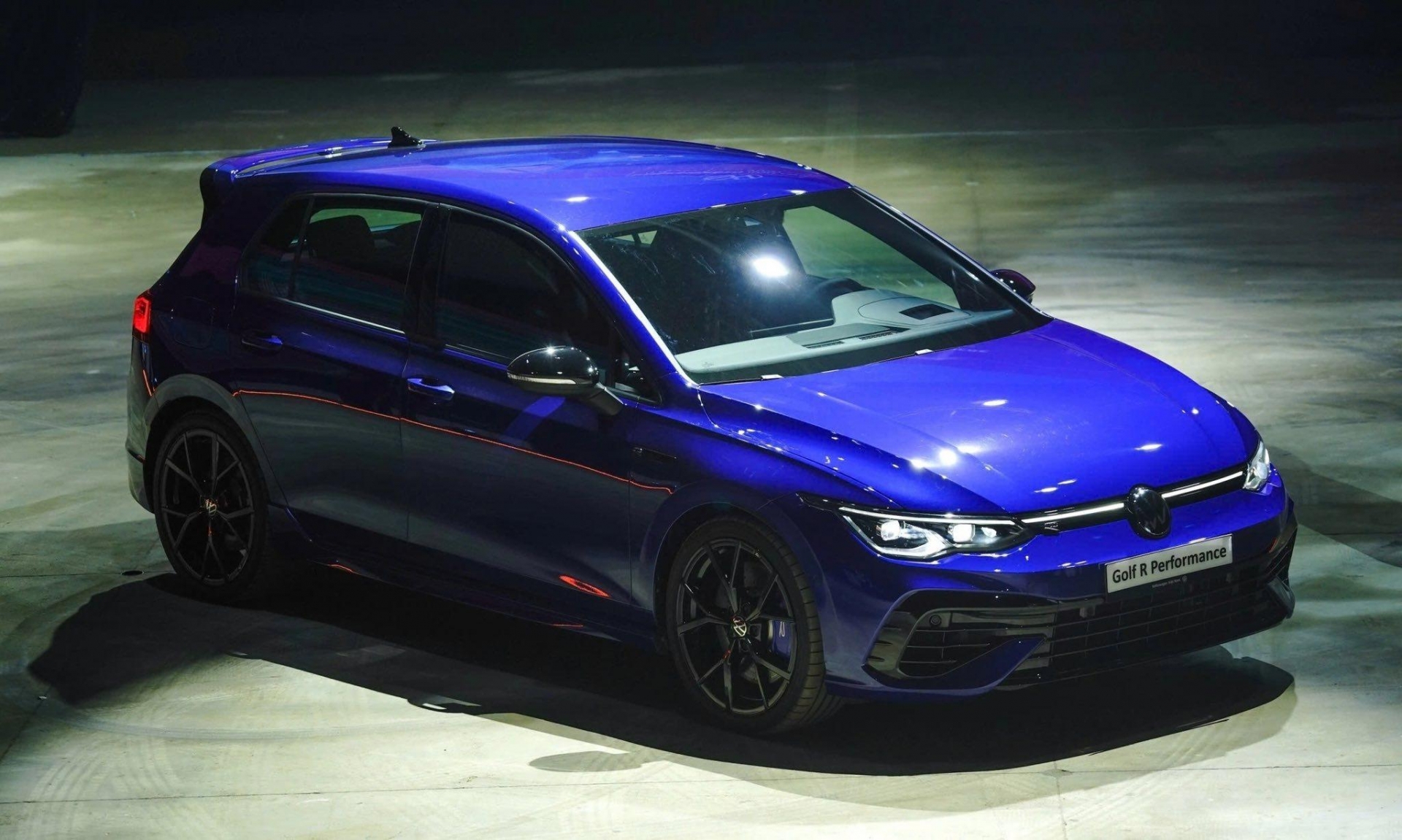
There’s a particular kind of audacity in the Volkswagen Golf R. It’s not the loud, performative sort that announces itself with theatrical exhaust notes alone. Instead, it arrives with a grin—quietly confident, mechanically literate, and stubbornly determined to make “everyday” feel slightly enchanted. A common observation follows it like a shadow: people assume an AWD hatch should behave like a compromise. Yet when the Golf R comes alive, the narrative flips. It suggests that fascination isn’t always born from excess. Sometimes it’s born from precision, balance, and the disciplined way power is delivered to the road.
In the Golf R, AWD isn’t merely a traction accessory. It’s a philosophy. It’s the reason the car feels planted through corners, the reason steering inputs seem to translate with an almost telepathic clarity, and the reason the hatchback silhouette becomes an unexpectedly serious performance instrument. The obsession people develop isn’t only about speed. It’s about the sensation of control—how the car keeps its composure while the driver’s expectations grow bolder.
Why the AWD Hatch Formula Feels Surprisingly Right
Most enthusiasts understand how AWD can complicate matters. Added mechanical complexity can bring weight, delay, or a diluted feel at the limit. That’s the “common observation” many people carry into the first drive: It’ll be fast, sure, but will it be sharp? The Golf R’s trick is that it treats AWD as an instrument panel rather than a safety blanket. Under the hood, the system is tuned to respond to intent—accelerator position, steering angle, lateral grip, and dynamic load transfer—so the car can distribute traction with a kind of purposeful immediacy.
Shortly after you start hustling it, the deeper reason becomes clearer. The drivetrain’s behavior is designed to reduce the gap between intention and outcome. That gap is where confidence leaks out in many performance cars. Here, the chassis remains composed, the torque delivery feels coherent, and the all-wheel drive system doesn’t interrupt the rhythm—it underlines it.
Even the hatchback shape contributes to the experience. Its proportions encourage agility: short front overhangs, a communicative steering feel, and a stance that reads “compact” even when performance expectations run large. The result is a car that doesn’t merely go fast in a straight line. It moves with the kind of rotational willingness that makes drivers reach for “one more corner.”
Torque Delivery: The Hidden Art of Timing
Numbers are persuasive, but timing is intoxicating. The Golf R’s character isn’t just about how much power is available; it’s about when it arrives and how smoothly it can be scaled. The moment you press the accelerator, the sensation is less “on/off” and more “ramp and refine.” Power builds with an almost mechanical grace, and the AWD helps maintain traction without turning the drive into a traction-managed performance lecture.
There’s also a subtle emotional effect. When torque arrives predictably, the driver stops second-guessing. That mental release makes everything else—braking points, turn-in timing, throttle modulation—sharper. In other words, the drivetrain doesn’t only move the car. It disciplines the driver’s tempo.
Then comes the deeper fascination: the way the Golf R handles transitions. Corner exit isn’t treated as a separate event. Instead, torque and grip are coordinated so the car feels like it’s continuously “stitching” traction across the tire contact patches. That continuity is why some drivers describe the experience as confident rather than frantic. It feels fast, but it doesn’t feel chaotic.
Chassis Dynamics: Composure as a Performance Feature
AWD gets attention, but the Golf R’s allure is inseparable from the chassis. A fast drivetrain is only half the story; the other half is how the platform digests forces. The Golf R’s suspension and steering tuning work together to limit jitter and prevent the car from feeling busy. When you push harder, the body doesn’t float away from the road like a balloon. It stays connected, offering a firm sense of where grip ends.
Long sentences can blur nuance, but the feeling here is simple: the car communicates. Road texture becomes information rather than distraction. Steering response carries enough weight and clarity to make the front axle’s intentions legible. The rear follows with a stable, controlled demeanor. Even when you drive more aggressively, the Golf R seems to aim for coherence, not drama.
This is where people’s fascination deepens into something almost reverential. The Golf R shows that performance doesn’t have to be a tantrum. It can be calculated, methodical, and satisfying in a way that lasts beyond the novelty of acceleration.
Brake Feel and the Psychology of Confidence
Brakes often get discussed in terms of stopping distances, but in performance driving they’re really about trust. The Golf R’s braking system encourages boldness because it resists fade and maintains pedal modulation consistency. You press, the car decelerates with authority, and the pedal doesn’t turn into a vague suggestion. That matters because confident braking changes how you approach the next corner.
When brake feel is predictable, drivers can be more precise with trail braking and weight transfer. Precision breeds speed. Speed breeds thrill. And then—quietly—the car earns a different kind of admiration: not just for being quick, but for being understandable.
There’s a particular satisfaction in repeating laps and noticing the car stays communicative lap after lap. It’s not merely performance; it’s endurance of sensation. The experience keeps its emotional texture, which is rare enough to feel almost deliberate.
Everyday Usability with a Performance Soul
Perhaps the most compelling aspect of the Golf R is how it manages duality. It’s a hatchback that can do grocery errands without dragging the day down into mechanical theater. But once you find an open stretch of road—or a track session—the car transforms into a sharper, more focused machine.
This balance is a deeper reason for fascination. Enthusiasts often chase radicalism. Yet the Golf R demonstrates a different kind of desire: the desire to have a car that remains civilized while still being capable of serious intent. The cabin can be mundane in the best way. The seats hold you with purpose. Controls remain approachable. The performance doesn’t demand you be an expert, but it rewards you when you are.
And then there’s the cultural comfort. The Golf nameplate already carries a history of practicality. The Golf R doesn’t abandon that legacy; it intensifies it. It’s as if the car says: Yes, I can be reasonable. Watch me be remarkable anyway.

Design Language: Subtle Aggression, Not Empty Noise
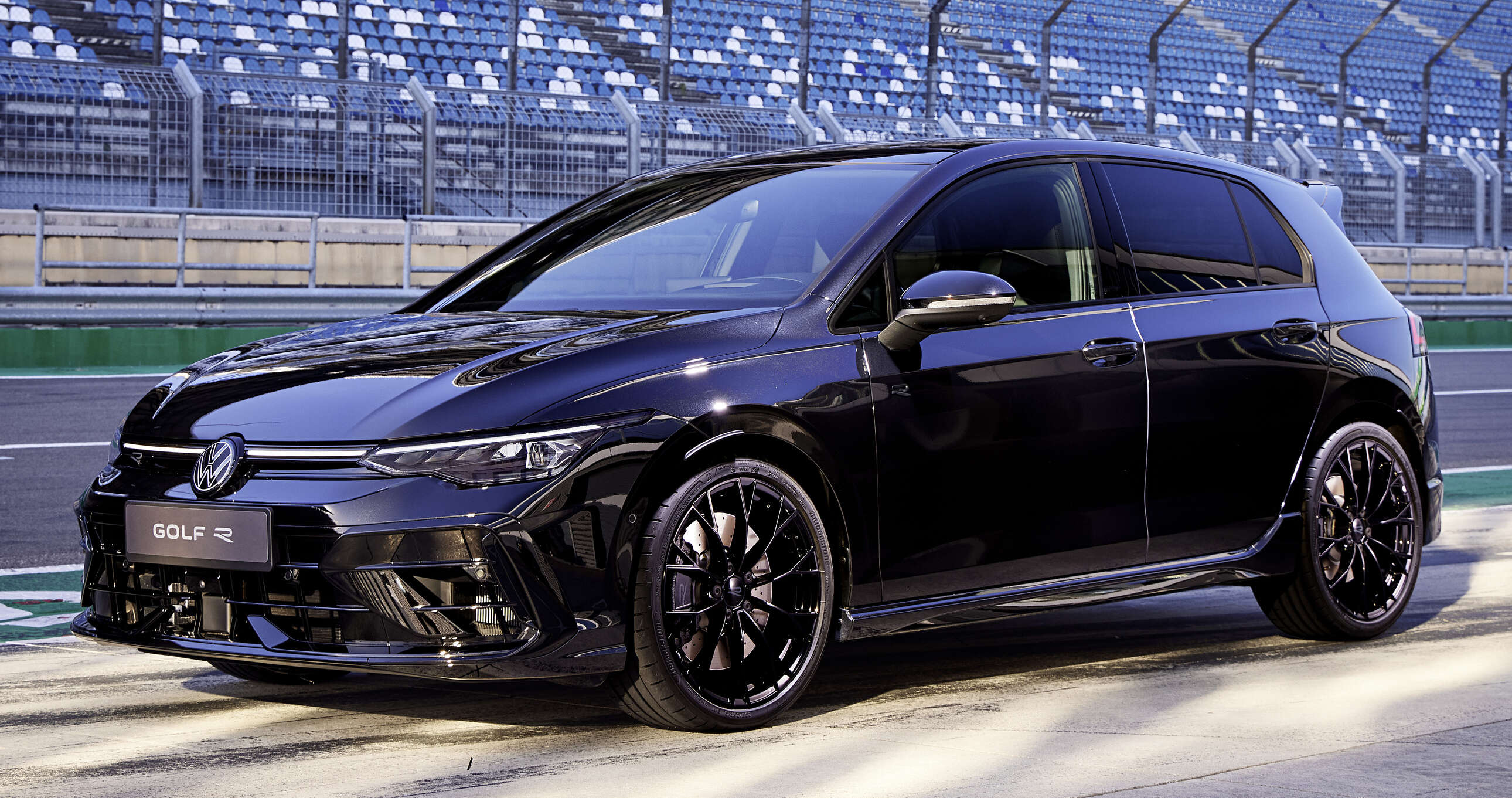
Performance cars often rely on visual shouting: huge wings, exaggerated intakes, and unmistakable “racecar” theatrics. The Golf R chooses a different register. Its design reads as purposeful rather than bombastic. Details suggest airflow management and mechanical readiness without turning the body into a costume.
That restraint is part of its charisma. When the exterior doesn’t overwhelm, the driver can focus on the experience. The car looks quick even when parked, but it doesn’t demand attention the way some vehicles do. The fascination grows as you realize the machine’s personality is engineered, not performed.
In the end, the look complements the drive. The Golf R feels composed, and its styling mirrors that ethos—confident lines, performance cues, and an overall attitude that implies you’ll earn the full story behind the badge.
Why Drivers Keep Coming Back
Amazing acceleration impresses once. Outstanding handling impresses repeatedly. The Golf R earns return visits because it offers a complete loop of satisfaction: torque arrives with authority, steering remains intelligible, braking inspires trust, and the AWD system turns grip into a controllable resource rather than an unpredictable variable.
There’s also a quieter reason: the car makes learning feel rewarding. Each drive clarifies what the platform can do. You don’t just set a stopwatch—you develop rhythm. That rhythm becomes addictive. The Golf R transforms the act of driving into something like choreography, where speed is a consequence of understanding.
So the common observation—an AWD hatch must be a compromise—falls apart under real-world scrutiny. The Golf R doesn’t compromise. It concentrates. It packages sophistication into a practical silhouette, and it invites fascination not with spectacle, but with competence.
Conclusion: The Golf R’s Real Magic
The Volkswagen Golf R is thrilling precisely because it refuses to be one-dimensional. It blends AWD performance with composure, torque with timing, and everyday usability with an almost tactile sense of control. The fascination isn’t a fleeting burst of adrenaline. It’s the slow, convincing discovery that the car is engineered to reduce uncertainty and amplify enjoyment.
When you return to the driver’s seat after a spirited drive, you don’t just remember the speed. You remember the certainty. And that—more than any spec sheet—explains why the Golf R keeps calling people back, again and again, to find out what it can do next.