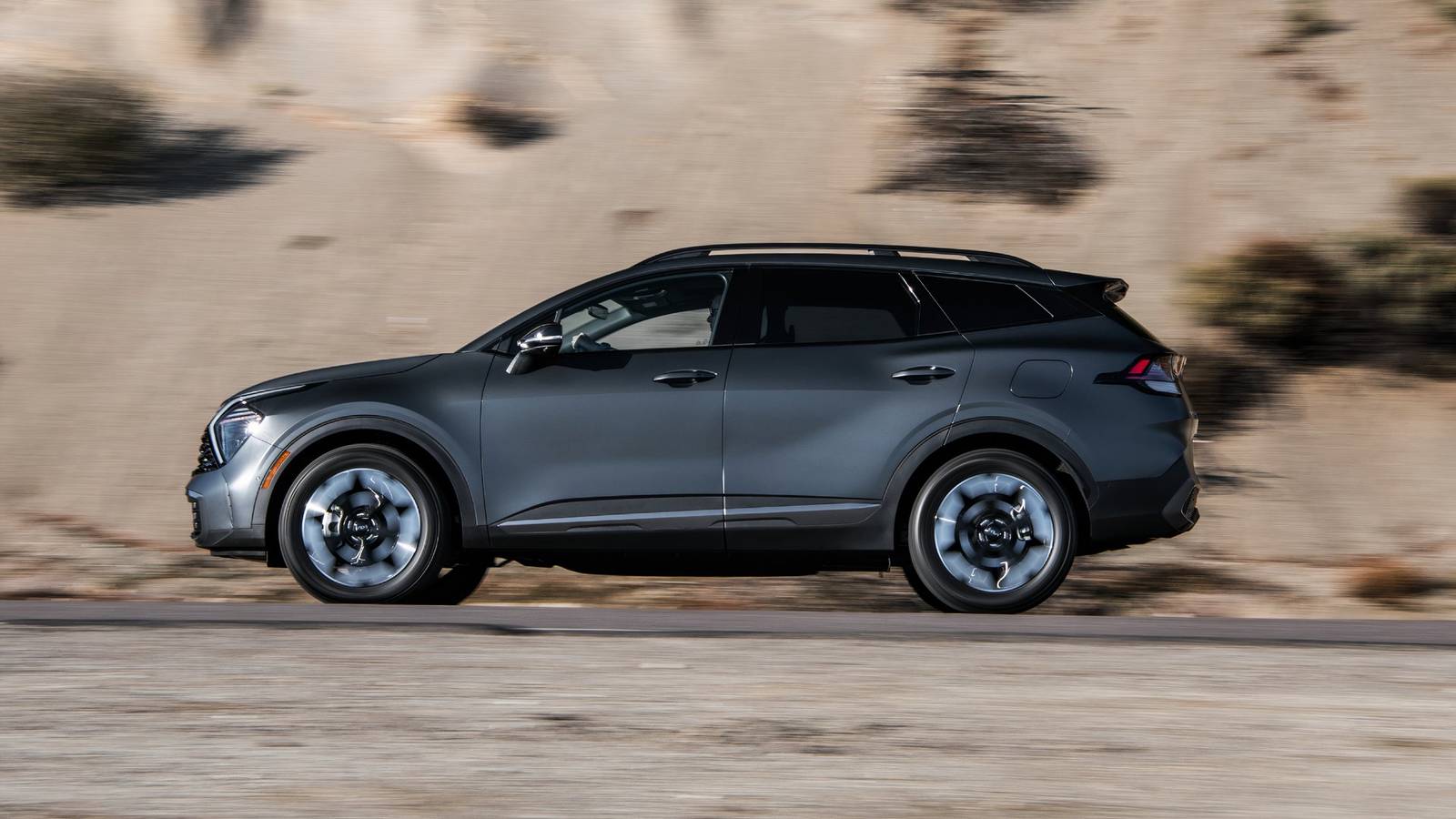
Most plug-in hybrids arrive with a familiar promise: lower fuel bills, a quieter commute, and the satisfaction of “being part electric” without relinquishing long-trip confidence. Yet the real question drivers ask—sometimes only after the first week—is more pointed: What does it actually deliver in the real world? The 2025 Kia Sportage Plug‑In Hybrid has become a magnet for attention precisely because the gap between brochure numbers and day-to-day usage is where many electrified vehicles either win hearts or lose them.
So this is where we step closer. Not with marketing gloss, but with the nuance of MPGe as it’s experienced: in stop‑and‑go traffic, on half‑baked schedules, through cold mornings, and during those errands that seem to grow like vines. And along the way, we’ll uncover why fascination lingers even when the outcome isn’t identical for everyone.
MPGe Explained in Plain Reality
MPGe—miles per gallon equivalent—translates electric energy into a gasoline-equivalent metric. On paper, it gives drivers a common language for comparing fuel economy across powertrains. In practice, MPGe becomes a story shaped by how, when, and where you drive.
It’s tempting to treat MPGe as a single number you “either hit or miss.” But real-world MPGe is more like a moving target. Temperature, tire pressure, vehicle loading, speed, HVAC usage, route profile, and charging habits all tug the needle.
That’s the first common observation about plug-in hybrids: the MPGe you see depends heavily on your routine. When your schedule syncs with charging opportunities, the Sportage’s electrified side does more of the work. When it doesn’t, the system still helps—but the efficiency profile changes.
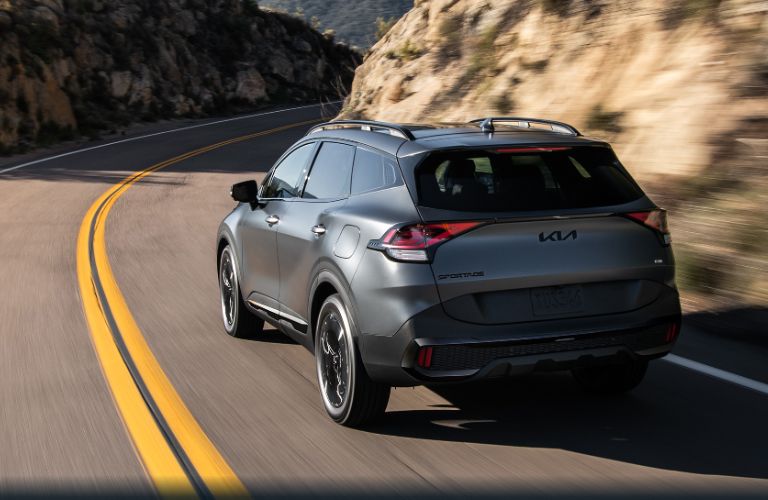
Why the Sportage’s Real-World MPGe Feels “Closer Than Expected”
Many drivers anticipate a disappointing compromise: spend extra on electrification hardware, then watch actual performance revert to something ordinary once daily life interferes. The Sportage Plug‑In Hybrid counters that expectation with a deeper design logic—one that’s less about magic and more about orchestration.
Plug-in hybrids are at their best when they can operate in efficient modes repeatedly: short electric commutes, frequent deceleration events, and steady low-speed segments. The Sportage’s power management aims to prioritize electric torque where it’s most beneficial—especially during the stop-start moments that usually punish conventional engines.
In real-world terms, that can feel like the car “stays in its groove.” Even when you’re not thinking about battery usage, the vehicle tends to allocate propulsion intelligently, capturing energy when you slow down and smoothing the transition between electric and engine-assisted travel.
This is why MPGe can appear surprisingly robust. Not because every mile is electric, but because the system reduces wasted motion—particularly the type of inefficiency that builds up in urban driving.
Charging Habits: The Hidden Determinant of MPGe
The second common observation comes fast: owners notice that MPGe climbs when charging is consistent. That part seems obvious—yet the deeper fascination is in how charging changes the entire cadence of driving.
When you charge regularly, the battery begins each day with usable energy, meaning more of your early miles can be electric. Early miles matter disproportionately. Engine warm-up inefficiency is real, and cold starts are where fuel economy often suffers.
On a route like a suburban loop—school drop-off, errands, groceries—the car can string together multiple short segments. That can be the sweet spot for MPGe, because each segment starts with electric availability and each stop contributes regeneration potential.
Meanwhile, if you rarely plug in, the Sportage still functions as a hybrid, and it can still be efficient. But the plug-in advantage shifts from “electric-first” to “hybrid-with-a-buffer.” MPGe will reflect that shift.
Temperature, Tires, and the Fine Print of Efficiency
Efficiency is not only a drivetrain story; it’s also a physics story. Cold weather can reduce battery performance and increase energy demands from heating. Hot weather can influence aerodynamic drag and accelerate tire wear, indirectly affecting rolling resistance.
That’s where drivers often feel surprised: the MPGe from one season to another doesn’t stay constant. It doesn’t mean the vehicle changed its character; it means your environment changed the constraints.
Even tire pressure plays a role. Underinflated tires increase rolling resistance, and resistance steals efficiency. It’s not dramatic in a single trip, but it accumulates—particularly over many commuting cycles.
The Sportage’s real-world MPGe therefore becomes a measure of relationship: between a vehicle and a driver’s climate, habits, and maintenance routine.
Route Shape: Stop-and-Go vs. High-Speed Stretch
A third observation: city driving often delivers more satisfying MPGe, while highways can narrow the efficiency gap. This is not a flaw—it’s a signature of how energy behaves.
Electric torque shines during low-speed acceleration, and regenerative braking recaptures energy whenever deceleration events are frequent. Urban routes produce more of both: stops, starts, and opportunities to recover energy.
On the other hand, highway travel can keep energy demands high and regeneration opportunities lower. The engine and hybrid system may work more continuously, and battery usage becomes more strategic than dominant.
In narrative terms, the Sportage can feel like a commuter’s ally in the city—then becomes a more conventional traveler when the road stretches out. The fascination is in noticing how the car adapts, rather than pretending it can abolish physical tradeoffs.
How Driving Style Modulates MPGe
Driving style doesn’t just influence fuel economy; it changes which systems do the heavy lifting. Smooth inputs encourage the car to operate in efficient zones. Aggressive acceleration and late braking reduce the opportunities for regeneration.
What many drivers learn quickly is that MPGe isn’t only about patience—it’s also about timing. Anticipating traffic lights, letting off the accelerator early, and maintaining moderate speed all tend to increase the share of energy that comes from electric propulsion and recovered braking rather than burning fuel for motion.
Interestingly, this is where the Sportage’s experience can become engaging. Instead of treating efficiency as a chore, the vehicle invites a different rhythm. You begin to feel the consequences of each pedal choice. Long sentences aren’t required to understand it—your feet learn the pattern.
Beyond the Number: Why People Keep Looking at This MPGe Story
There’s a reason the 2025 Sportage Plug‑In Hybrid draws attention even when individuals don’t report identical MPGe results. The appeal is less about a perfect score and more about plausible improvement that fits everyday life.
Some drivers are fascinated because the car’s efficiency feels reachable. Not theoretical—reachable. Others are drawn to the psychological comfort of a battery that can be used without turning life into a charging spreadsheet.
And for many, the deeper fascination is the bridge it creates between two worlds: the instant response of electric driving and the resilience of hybrid operation when you exceed your predicted range of habits.
Real-world MPGe becomes a measure of flexibility—how well a vehicle can stay efficient while still accommodating detours, unexpected errands, and changes in plans.
Expectations Management: What “Real-World” Means for You
Real-world MPGe is best treated as a range, not a verdict. If you can charge frequently, your MPGe potential rises. If you can’t, you may still experience hybrid efficiency, but the plug-in impact will be muted.
Consider your typical week. How many trips are short? How often can you charge overnight? Do you face winter mornings? Do you spend time in traffic or prefer smoother routes? These questions translate directly into the MPGe you’ll likely see.
When drivers align their routines with the vehicle’s strengths—electric-friendly driving segments and regeneration-friendly braking patterns—the Sportage’s MPGe story becomes more than a single metric. It becomes a companionable efficiency experience.
Final Thoughts: A Practical Efficiency Narrative
The 2025 Kia Sportage Plug‑In Hybrid’s real-world MPGe is not an unchanging trophy. It’s a living statistic shaped by climate, route geometry, charging cadence, and driving nuance. Yet that variability is exactly what makes the story compelling. The car doesn’t demand perfection; it rewards consistency and sensible adaptation.
In a world where many efficiency claims fade under everyday pressure, the Sportage’s advantage is its ability to remain meaningfully efficient across varying conditions. That’s why drivers keep coming back to the MPGe discussion—not just to confirm numbers, but to understand how the vehicle fits into real life, mile by mile.