When it comes to the mid-size truck segment, two titans stand head-to-head: the Toyota Tacoma and the Ford Ranger. Both embody the perfect blend of rugged capability, stylish design, and modern technology, making the choice a thrilling yet challenging one for enthusiasts and everyday drivers alike. Dive deep into this match-up as we explore every facet that distinguishes these trucks and discover what makes each a compelling choice in its own right.
Design and Aesthetic Appeal
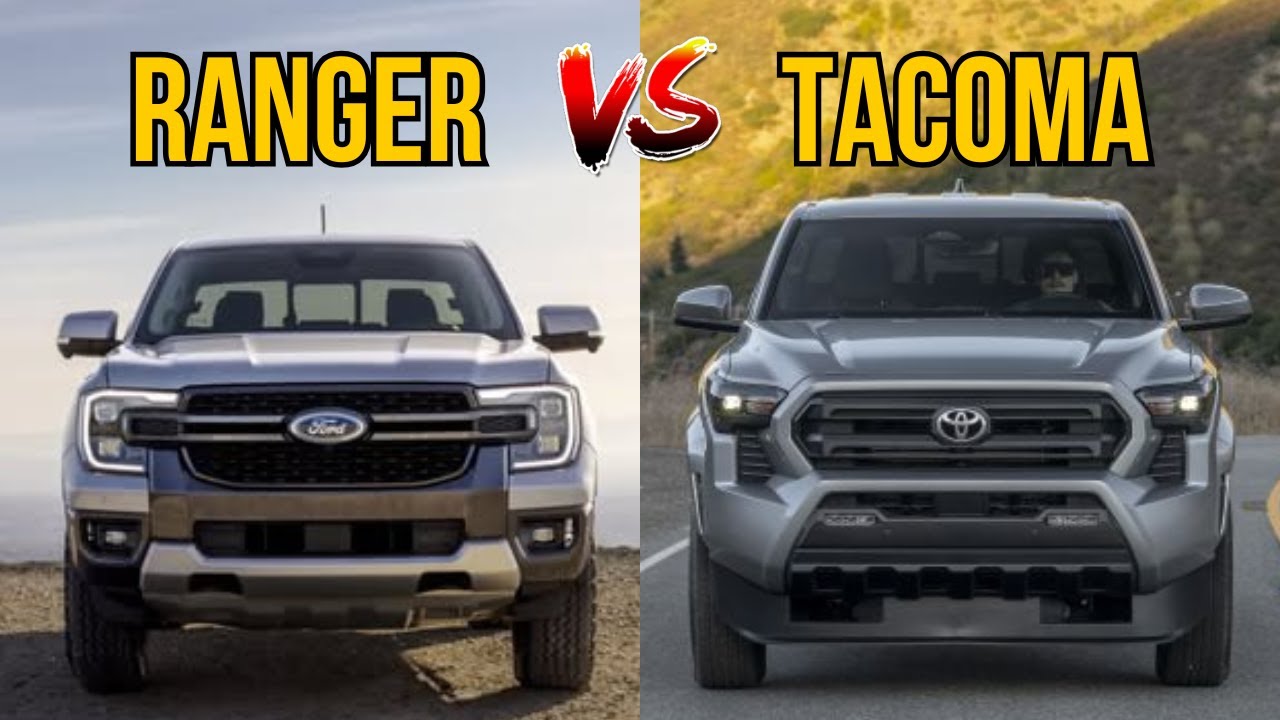
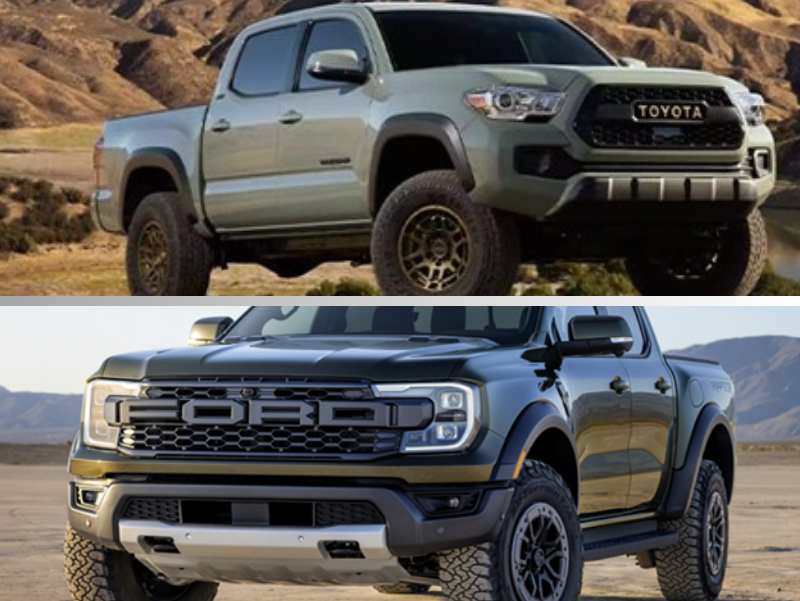
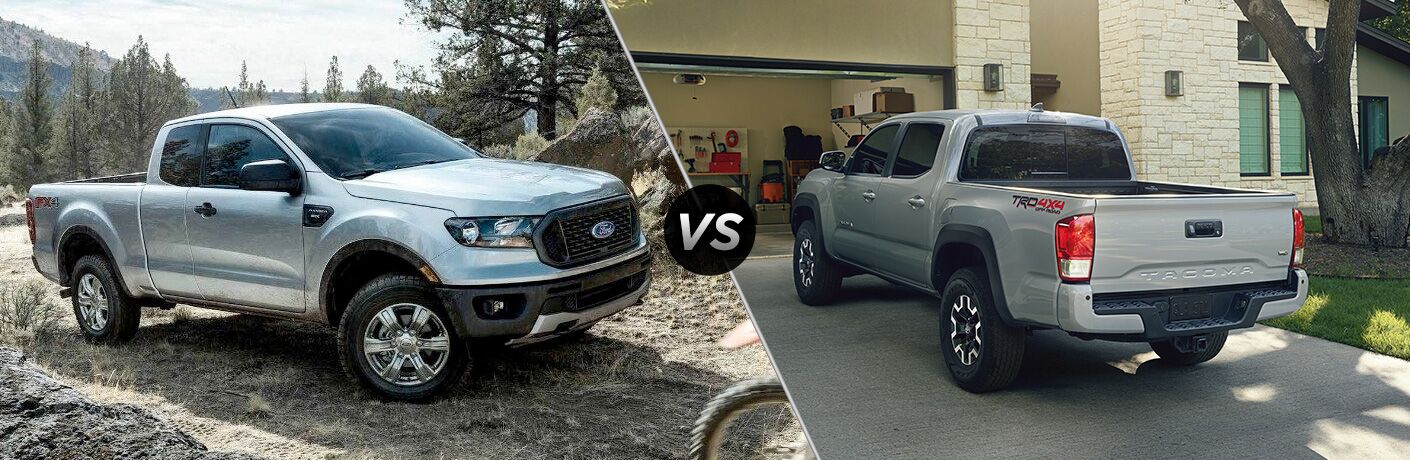
First impressions are crucial, and when these trucks roll by, they certainly demand attention. The Toyota Tacoma sports an aggressive, muscular exterior that exudes a bold charisma. Its chiseled lines and high stance speak volumes about its off-road prowess. Contrarily, the Ford Ranger favors a more refined yet commanding presence, marked by a contemporary grille design and aerodynamic contours that blend toughness with a hint of sophistication.
Inside, both vehicles boast interiors crafted for comfort and utility. The Tacoma prioritizes durability, with materials meant to withstand the wear and tear of outdoor adventures. Meanwhile, the Ranger offers a slightly more plush cabin experience, featuring user-friendly interfaces and refined finishes that cater to modern sensibilities without compromising on ruggedness.
Powertrain and Performance Capabilities
Under the hood, both trucks present powertrains that offer exciting performance but cater to slightly different driving philosophies. The Toyota Tacoma is celebrated for its reliable V6 engine option, delivering punchy acceleration and impressive towing capacity. Its robust 3.5-liter V6 cranks out a spirited output that ensures it handles both urban streets and rugged trails with aplomb.
In contrast, the Ford Ranger equips drivers with a turbocharged 2.3-liter EcoBoost inline-four engine, striking a balance between efficiency and strength. It generates a formidable amount of torque, particularly useful for hauling and towing heavy loads. This engine exemplifies modern engineering, blending fuel economy with the kind of spirited performance that makes every journey a pleasure.
Transmission systems in both trucks contribute significantly to their dynamic personalities. The Tacoma’s six-speed automatic transmission is smooth and resilient, designed for durability in harsh conditions. The Ranger offers a similarly responsive 10-speed automatic that enhances fuel efficiency and accelerative response, especially on highways and during overtaking maneuvers.
Off-Road Prowess and Handling
For those whose adventures take them off the beaten path, this is where the rubber truly meets the road. The Toyota Tacoma boasts an esteemed reputation for off-road excellence. Its TRD Pro variant, equipped with advanced suspension systems, skid plates, and multi-terrain select modes, transforms the truck into an unstoppable force over rocks, mud, and sand.
The Ford Ranger does not lag behind, featuring a Terrain Management System with settings for different environments including grass, gravel, snow, mud, and sand. The Ranger’s off-road modules work harmoniously with its electronically locking rear differential and generous ground clearance, providing confidence and control in challenging conditions.
Technology and Connectivity Features
The modern driver demands more than just brute strength. They need intelligence and connectivity as well. Both trucks rise to the occasion with commendable technology packages. The Tacoma offers a user-friendly infotainment system with an intuitive touchscreen, Apple CarPlay, Android Auto integration, and available navigation. These features ensure seamless connectivity during long hauls and daily commutes.
Meanwhile, the Ranger’s infotainment system is equally impressive, featuring SYNC 3 technology that enhances voice commands and reduces distraction. Its cab-forward design optimizes driver space, accompanied by smart safety features like lane-keeping assist, adaptive cruise control, and pre-collision assist with automatic emergency braking, placing it among the leaders in mid-size truck technology offerings.
Practicality and Cargo Management
The practicality of a truck extends beyond power; it lies in how well it can transport both cargo and passengers with ease. The Toyota Tacoma provides a comfortable ride with spacious front seats, though rear passenger space is slightly tighter compared to its competition. Its bed configurations offer versatility, with available bed extenders and integrated tie-downs enhancing cargo security and functionality.
The Ford Ranger offers a more commodious rear seating area, making it a preferable choice for families or those frequently hauling passengers. Its 5-foot bed, while not the longest in the class, is designed for easy load management, featuring power outlets and adjustable cargo tie-downs. These intelligent features maximize utility without sacrificing comfort.
Safety and Reliability
Both trucks have garnered respect in safety arenas, equipped with extensive driver-assistance systems and robust structural engineering. Toyota’s commitment to reliability is legendary, and the Tacoma carries this tradition forward with a suite of safety features including Toyota Safety Sense P, which offers adaptive cruise control, lane departure alerts, and automatic high beams.
The Ford Ranger counters with the Ford Co-Pilot360 suite, bringing blind-spot monitoring, rear cross-traffic alert, and auto emergency braking. These technologies emphasize proactive safety, ensuring peace of mind whether navigating the urban jungle or rugged wilderness.
Fuel Efficiency and Environmental Considerations
In today’s eco-conscious market, fuel economy cannot be ignored. The Ford Ranger, with its turbocharged four-cylinder engine, typically delivers superior fuel efficiency numbers compared to the Toyota Tacoma’s V6. This makes it a compelling option for those seeking to balance power with reduced fuel consumption.
However, the Tacoma’s engineering advances have made its fuel economy respectable within the mid-size truck category. Additionally, Toyota’s rigorous emphasis on durability suggests that its environmental footprint may be mitigated over the long haul through sustained vehicle longevity and fewer repairs.
Pricing, Value, and Ownership Experience
Choosing between these two also comes down to budget and personal preferences around value. The Tacoma often commands a premium price, owing to its venerable reputation and perceived higher residual values. Its reliability and tried-and-true engineering mean owners can expect fewer headaches and robust resale value down the line.
The Ford Ranger positions itself as a slightly more affordable contender without compromising on features or capability. It appeals to buyers who want a sophisticated and technologically advanced truck with a marginally lower entry point, while still enjoying strong performance credentials.
That said, both trucks offer robust warranty programs and have cultivated passionate owner communities, ensuring that regardless of choice, drivers are supported throughout their ownership journey.
Ultimately, the battle between the Toyota Tacoma and Ford Ranger is not merely a contest of specs but a narrative of intent and identity. The Tacoma shines as the stalwart champion of rugged dependability with off-road mastery. The Ranger emerges as the versatile, tech-savvy contender with refined handling and efficiency. Whichever path one chooses, these trucks reaffirm that the mid-size truck segment is alive with innovation, adventure, and undeniable charisma.