Some vehicles promise efficiency; others promise comfort. The best plug‑in hybrids promise something subtler: a different way of thinking about everyday driving. In 2025, that shift feels less like a marketing slogan and more like a philosophy—one where short trips can be quietly electric, longer journeys can resume gasoline confidence, and maintenance anxiety doesn’t have to haunt the calendar. Reliability, after all, isn’t just about avoiding breakdowns. It’s about predictability, durability, and the emotional steadiness of knowing your routine won’t be hijacked by preventable failures.
Below are seven standout 2025 plug‑in hybrids that earn attention for their dependable engineering, sensible design choices, and track records that align with how real people drive. Consider this an invitation to recalibrate expectations: reliability can be compelling—almost narratively satisfying—when it turns the car into a dependable companion rather than a recurring concern.
1) Toyota Prius Prime: The Quiet Thesis on Trust
The Prius Prime has always been about pragmatic restraint. In 2025, that restraint reads like craftsmanship. Its plug‑in system is designed for routine electric commuting, yet it doesn’t crumble when gasoline resumes its role. That balance matters. Reliability often comes from avoiding extremes—yes, the car can be efficient, but it’s also built to remain coherent across varying temperatures, driving patterns, and charging habits.
Owners who treat the Prius Prime as a daily utility—short errands, school runs, errands that stack up—tend to appreciate how seamlessly the powertrain transitions. The most reliable cars aren’t the ones that perform best in a brochure; they’re the ones that behave consistently when life doesn’t follow an engineered script.
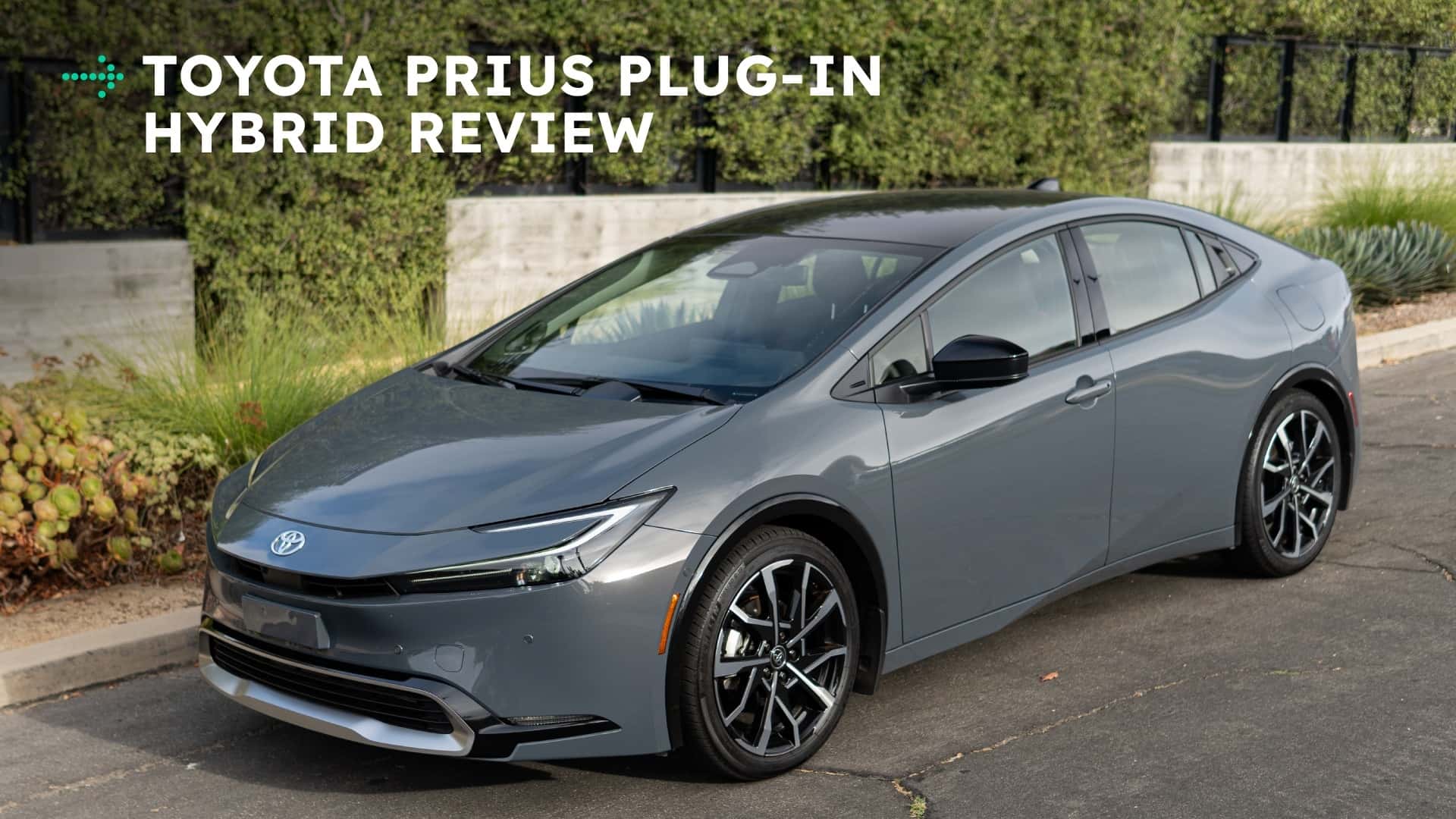
What makes the Prius Prime particularly intriguing is how it reframes expectation: the vehicle doesn’t just “use electricity” when convenient; it trains drivers to treat electric range as the default starting point. That shift can reduce wear, lower fuel exposure, and—most importantly—make reliability feel less like a gamble.
2) Toyota RAV4 Prime: Confidence Without the Drama
Reliability in a plug‑in hybrid often means refusing to be precious. The Toyota RAV4 Prime follows that logic with an SUV stance, spacious practicality, and a powertrain strategy that’s designed for frequent use. It’s easy to picture it in a driveway at dawn: a family loading groceries, a commuter slipping into a parking garage, a weekend escape that begins with a charger and ends with a highway.
Rugged utility is not the same as rugged engineering, but the RAV4 Prime aims for both. The hybrid system’s thermal management and predictable behavior help the car feel steady, especially during repeated cycles: EV driving for errands, then gasoline engagement for longer routes. Reliability thrives on repeatability—on mechanisms that tolerate repetition without complaint.
There’s also a psychological advantage. A dependable SUV reduces the friction of planning. When you can trust the car to start, shift cleanly, and handle the ordinary chaos of daily schedules, the vehicle becomes part of your routine rather than a variable you manage.
3) Hyundai Ioniq 5 (Plug‑In Hybrid): An Oddly Calm Kind of Innovation
Some cars feel like prototypes that happen to drive. A truly reliable hybrid feels like an engineered solution. The 2025 Ioniq 5 plug‑in variant brings that “calm innovation” spirit—technology that’s present, not overpowering. Its design philosophy leans into efficiency, while the powertrain approach stays attentive to durability.
The most compelling reliability story here is how the vehicle’s systems coordinate: energy use is handled with a level of coherence that reduces driver confusion. Confusion is a hidden enemy of reliability. When charging schedules, power modes, and regeneration behavior are intuitive, drivers are less likely to treat the drivetrain like a mystery box.
Reliability also benefits from thoughtful software behavior—updates that refine performance rather than destabilize it. In 2025, modern plug‑in hybrids increasingly depend on electronics, but the best examples keep their electronic behavior grounded and predictable.
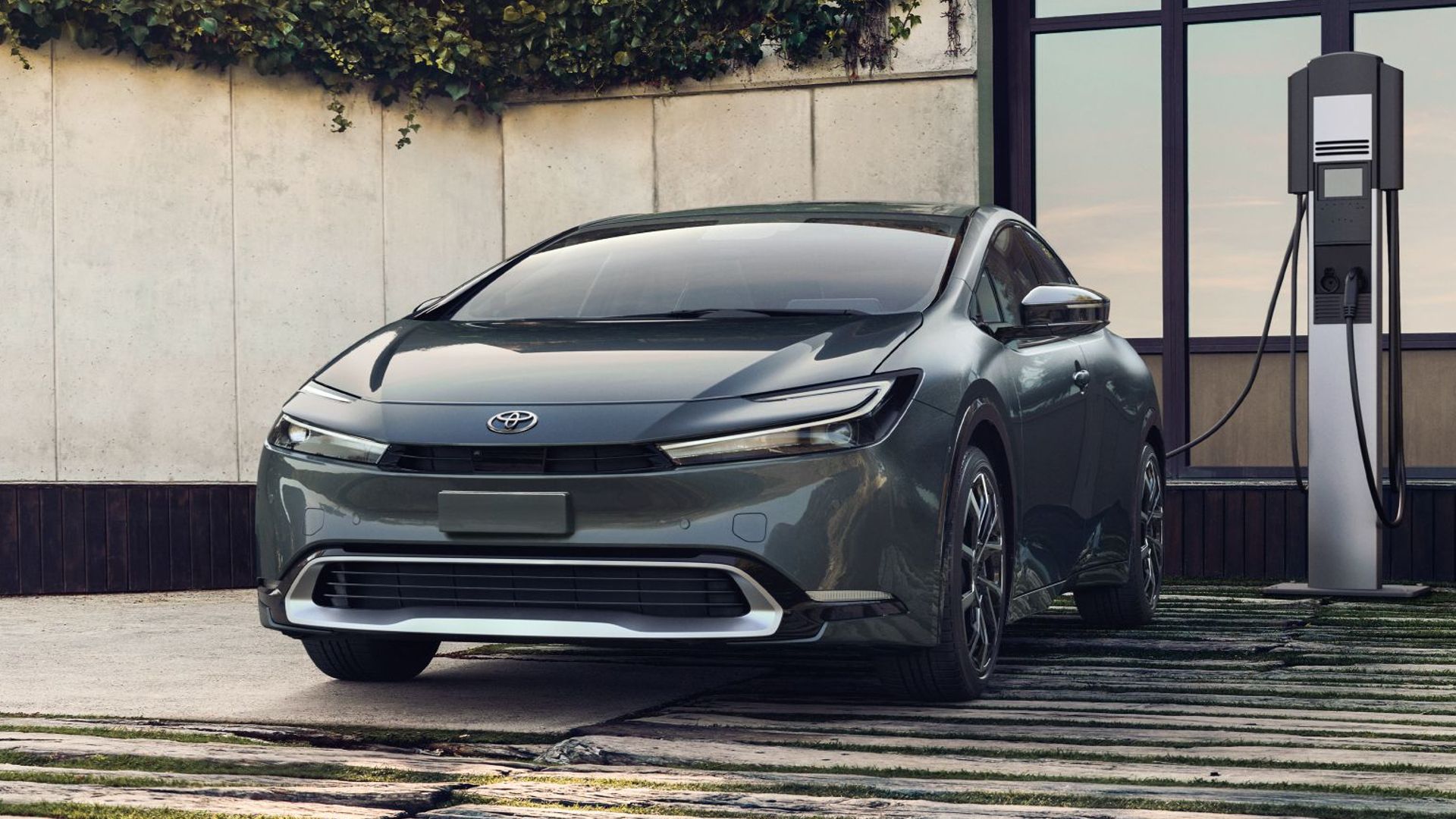
If the Ioniq 5 plug‑in hybrid nudges you into a new mindset, it does so gently. You don’t have to become an energy specialist to get reliable outcomes. You just have to plug in when you can, and drive when you must.
4) Honda CR‑V Plug‑In Hybrid: The Familiar Shape of Dependability
There’s a reason the CR‑V name has endured. Familiarity can be its own reliability feature: proven platform logic, ergonomics that make sense, and a hybrid system tuned for everyday use. In 2025, the CR‑V plug‑in continues to offer the comforting feeling of “it just works,” even as it embraces electrification.
The reliability angle is not flashy. It’s about how the car responds when you’re tired, rushed, and distracted by things that have nothing to do with the drivetrain. You want predictable acceleration, stable behavior at low speeds, and smooth engagement when the gasoline engine joins the symphony.
Think of it like this: a dependable plug‑in hybrid doesn’t demand ritual. It supports the mundane. That’s the kind of reliability that earns loyalty.
5) Ford Escape Plug‑In Hybrid: Practical Power, Measured Results
The 2025 Escape plug‑in hybrid captures a simple promise: usable electrification without turning life into a charging spreadsheet. It’s suited for commuters who want the benefits of EV operation but also need road‑trip sanity. Reliability is partly about range expectations—when drivers feel confident in coverage, they drive more consistently rather than planning anxiously.
In dependable plug‑ins, the transition between electric and gas modes tends to be seamless and logical. The Escape’s approach aims for that transparency. The system should feel cooperative, not temperamental—regeneration that behaves like it’s been rehearsed, throttle response that doesn’t lurch, and thermal behavior that doesn’t degrade performance unpredictably.
What piques curiosity is how reliability can be experienced as calm. You don’t notice engineering that works. You notice the absence of drama.
6) BMW 330e Plug‑In Hybrid: Refined Energy, Serious Engineering
Luxury plug‑ins sometimes chase novelty. The 2025 BMW 330e instead leans into coherence. Reliability in a performance‑oriented car is not only about avoiding failures; it’s about ensuring that power delivery remains consistent and that the hybrid system preserves the fundamentals—cooling performance, driveline integrity, and stable electronics behavior.
When the battery is managed well, the car feels composed. When the hybrid system transitions smoothly, the driving experience stays cohesive rather than fractured. The result is a dependable kind of excitement—one that doesn’t require constant vigilance.
This is where perspective shifts most dramatically. A reliable plug‑in hybrid can make you forget the car is electric at all—until you see the low fuel consumption and realize that trust is doing most of the work.
7) Mercedes‑Benz C‑Class Plug‑In Hybrid: Reliability as a Quiet Standard
Mercedes‑Benz has long treated reliability as a brand promise. The 2025 C‑Class plug‑in hybrid aims to translate that promise into daily practicality. The key is harmonization: ride comfort, powertrain behavior, and electronic stability should align with the expectations of a premium sedan—without turning ownership into a service‑schedule puzzle.
In the best plug‑in hybrids, charging routines are effortless and the car’s energy planning tools are readable. When drivers can understand how the system will behave—especially regarding EV availability and battery preservation—the hybrid hardware performs with fewer surprises. Reliability is amplified when the relationship between driver and vehicle is confident.
Here, the shift in perspective is subtle but powerful. The car becomes less of a gadget and more of a dependable instrument. That’s the ultimate form of reliability: one that feels inevitable.
How Reliability Plays Out in Real Life
Reliability is not a single metric. It’s a tapestry woven from battery health, thermal management, powertrain durability, and electronic logic. Plug‑in hybrids add complexity, but they also offer habits that can reduce strain—especially when electric driving replaces gasoline usage for short commutes.
To get the most reliability from a plug‑in hybrid in 2025, consider simple behaviors: charge regularly when it’s convenient, avoid repeatedly draining the battery to extremes, and follow scheduled service with attention to brake condition and cooling system health. Also, remember that the hybrid system enjoys repetition. If the car is used in a consistent pattern—EV for the commute, gas for longer legs—it tends to operate within the design sweet spot more often.
In other words, reliability isn’t only engineered. It’s cultivated.
What to Look for Before Buying
Curiosity is useful at the dealership, but precision matters more. Prioritize warranty coverage for battery and powertrain, confirm charging equipment compatibility at home, and ask about software update policies. Reliability also has a human side: check service network accessibility, review owner feedback patterns, and pay attention to how the car behaves over time rather than just during a test drive.
Look for a plug‑in hybrid that feels stable in the details: steering response consistency, predictable regen behavior, and smooth mode transitions. Those aren’t just “feel” factors. They’re signals that the system is functioning cohesively.
Outro: A New Kind of Dependable
The most reliable 2025 plug‑in hybrids don’t simply reduce fuel consumption. They reduce uncertainty. They invite a shift in perspective—from “Will this car be okay?” to “This car fits my life.” That change matters more than most people expect.
Whether you’re drawn to efficiency‑first pragmatism, family‑oriented practicality, or premium refinement, reliability can still be the headline. And when it is, ownership becomes less about vigilance and more about freedom—freedom to drive, to plan, and to trust the next morning will start as expected.