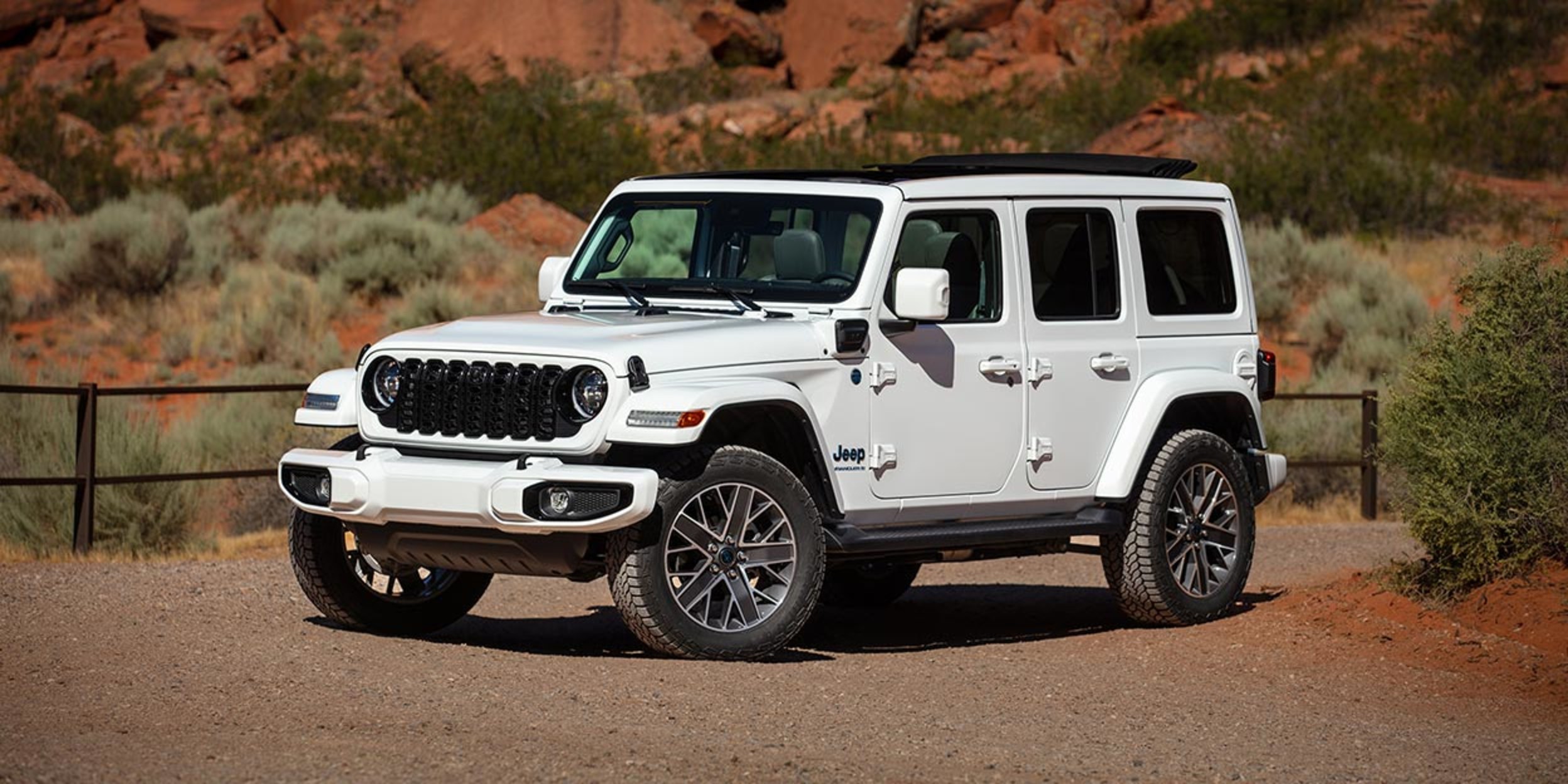
What if your next weekend trail run came with a second engine—one that smiles when the asphalt ends? The 2025 Jeep Wrangler 4xe arrives with the kind of dual personality that turns heads at the trailhead and keeps conversations going at the gas station. It’s a Trail Rated plug‑in hybrid built for those who want torque on demand, electric hush when it suits them, and range that doesn’t feel like a compromise.
Still, here’s the playful challenge: can you juggle charging, choosing the right drive mode, and navigating technical terrain—without turning your day into a spreadsheet? Let’s walk the full path, from electrified capability to real-world trail behavior, so you can decide whether this plug‑in hybrid belongs in your garage.
Trail Rated, Now With a Plug-In Twist
The phrase “Trail Rated” isn’t decoration. It’s a promise that the vehicle was engineered for the long, imperfect route—uneven ruts, rocky climbs, and the kind of traction that demands confidence. With the 4xe, that promise gets an additional layer: instant electric drive that can complement the gasoline engine when you need response quickly.
Imagine creeping over loose gravel in electric mode, then snapping into action when the trail narrows. The hybrid system is designed to manage the blend of power so the vehicle feels coherent rather than segmented. Short bursts can feel particularly lively. Longer climbs can feel more composed.

Powertrain Personality: The Hybrid That Learns Your Rhythm
A plug‑in hybrid is more than a gasoline engine with a battery strapped on. The 2025 Wrangler 4xe is tuned to deliver a character that feels trail-friendly: smooth low-speed control, strong acceleration when climbing, and the ability to shift energy use depending on conditions.
At the heart of the experience is the interplay between electric torque and engine power. Electric drive tends to shine at lower speeds—perfect for crawling, maneuvering, and negotiating obstacles. The gasoline engine then contributes for sustained power and longer distances. The result is a vehicle that can feel relaxed in the yard and forceful on the incline.
And yes, the “learn your rhythm” part matters. If you drive with intention—throttle gently, anticipate power needs, and stay mindful of traction—the powertrain can feel surprisingly intuitive.
Charging Reality: The Fuel Plan Isn’t Complicated—But It Is Personal
Here’s where the adventure can become a little theatrical. Owning a plug‑in hybrid invites a new habit: charging. But the good news is you don’t need to turn your life upside down. Many owners charge at home, topping up after work or during overnight hours.
Consider your routine like trail planning. If you typically drive short distances during the week, electric energy can cover a meaningful portion of daily errands. Then, when the weekend arrives, you’re starting with a full “trail battery” mindset—less idling, fewer fuel stops, and a quieter approach through the early miles.
The key challenge is timing. Charge too late, and you’ll arrive at the trail with less electric headroom. Charge too rarely, and you’ll lose the benefits that make a plug‑in hybrid special. Yet, when the rhythm is right, the system can feel like it’s working with you instead of asking for extra attention.
Trail Modes and Control: The Way You Drive Becomes Part of the System
Wranglers are built for driver engagement. The 4xe continues that tradition by pairing hybrid capability with trail-focused control strategies. Drive modes help tailor throttle response, traction management, and energy usage so the vehicle reacts the way you expect.
Think of it as two layers of intention: mechanical control for the terrain, and energy control for the mission. When you choose a suitable mode for crawling, you’re also guiding how the powertrain distributes effort. When you choose a more aggressive setting, the system can lean into responsiveness.
Even small habits matter. Smooth steering inputs reduce binding on uneven surfaces. Thoughtful acceleration helps the drivetrain keep traction. And knowing when to let the vehicle settle before asking for more climb can turn a “maybe” moment into a clean pass.
Terrain Behavior: Electric Torque Meets Real Obstacles
Technical trails have a way of revealing what a vehicle really believes in. Slopes test traction. Rocks test composure. Mud tests patience. The 4xe’s electric character can feel helpful because electric torque is typically immediate and controllable—useful when you need to start moving without the lurch that some powertrains produce.
At low speeds, the electric component can provide a steady push, which can make obstacle negotiation feel less frantic. The gasoline engine can then add confidence for sustained climbs or for pushing through sections where momentum matters.
But here’s the playful caution: the best torque in the world can still overwhelm traction if it’s applied too suddenly. The challenge is to drive the power like you drive the line—carefully, deliberately, and with respect for the ground under your tires.
Efficiency Without Softness: Smart Energy Use on and off the Pavement
Efficiency in a trail vehicle isn’t only about numbers. It’s also about behavior: how often you need to stop, how frequently you spend time idling, and how much energy you can reserve for the parts of the route that truly count.
The 4xe system is engineered to manage battery and engine usage so you can balance performance with conservation. In practical terms, that can mean having electric assist ready when you want it—then allowing the engine to take over when the situation calls for longer bursts of power.
When used wisely, the plug‑in hybrid approach can make daily driving feel more economical while keeping trail confidence intact. It’s not about pretending you’re in a commuter sedan. It’s about bringing thoughtful energy management to a vehicle designed for dirt.
Design and Practicality: Built for Open-Air Decisions
The Wrangler’s design language is instantly recognizable: purposeful stance, functional utility, and the kind of rugged styling that looks good even when it’s dusty. The 4xe keeps that foundation while integrating the electrified system.
On the trail, usability matters. Visibility helps you choose safer lines. Controls should be reachable when gloves are on. Storage should be practical for water, tools, and recovery gear. A plug‑in hybrid adds a new layer of planning, but the day-to-day fundamentals remain classic Wrangler: you’re still there to explore.
And when the sky opens up, the ability to adapt—roof options, windshield positioning, and cabin ergonomics—makes the vehicle feel less like a machine and more like a mobile basecamp.
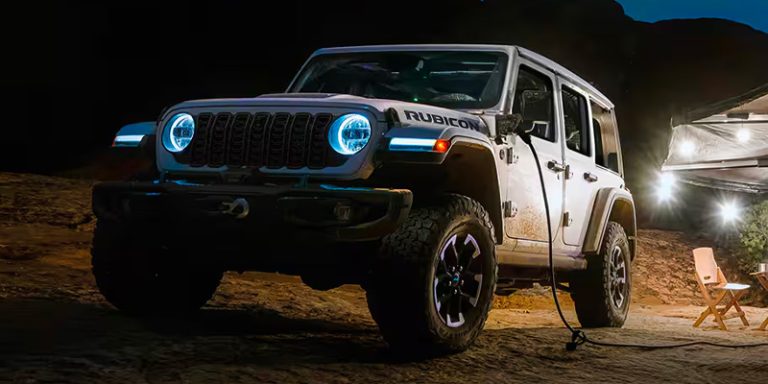
Ownership Considerations: The Best Setup Depends on Your Habits
Every vehicle has a learning curve. For a plug‑in hybrid, the curve is often about energy habits rather than mechanical complexity. If you can charge regularly, the benefits can feel immediate. If you can’t charge often, the vehicle still provides hybrid assistance, but the “plug‑in advantage” may be less pronounced.
Think about where you park. A reliable charging option—whether at home or through convenient charging access—can help you build a routine. When that routine is stable, you can focus on driving instead of wondering what’s left in the battery.
Also consider how you use the vehicle. If you frequently do errands between charging opportunities, you’ll likely appreciate the electric-friendly nature of short trips. If you live for long stretches without charging, the system’s hybrid capability still contributes to overall performance, keeping the vehicle lively and capable.
The Final Question: Are You Ready for Electrified Trail Life?
The 2025 Jeep Wrangler 4xe is a compelling blend: electrified responsiveness wrapped in Trail Rated toughness. It invites you to rethink the fuel experience—less about constant stops, more about smart energy timing—and it asks you to bring intention to your driving.
So, back to the challenge: can you plan your charging like you plan your route? If the answer is yes—even with a few playful improvisations—this plug‑in hybrid may become the kind of vehicle you don’t just drive. You’ll bring it along for the stories.
When the road turns to trail and the terrain begins to speak, the Wrangler 4xe doesn’t merely follow. It responds—quietly at first, then confidently when it’s time to move. And that might be exactly the thrill you’ve been looking for.