There’s a particular kind of buyer who doesn’t merely want a plug-in hybrid—they want one that feels like a rational decision wrapped in a hint of futureproofing. That’s where the conversation about resale value becomes strangely emotional. People notice how a vehicle holds its shape in the market, even as technology evolves and pricing tides shift. The common observation is simple: some PHEVs seem to retain value with uncanny steadiness. But the deeper fascination lies in why—how battery-era demand, brand strategy, and practical ownership converge into a durable economic story.
For 2025, that story centers on the PHEVs most likely to remain desirable, including the beloved Toyota RAV4 Prime and the reworked Prius Prime lineup. Below are five PHEVs that make sense for buyers who want both daily gratification and long-term leverage.
Why “Resale Value” Often Reflects More Than Depreciation Math
Resale value is frequently treated like a spreadsheet artifact. Yet it behaves more like a cultural signal. When a model keeps its worth, it usually means several less-visible factors are aligning: consistent demand, a strong reputation, a predictable supply rhythm, and features that remain relevant even after the headlines move on.
Plug-in hybrids add another layer. The market doesn’t just evaluate the car—it evaluates the ownership experience. Buyers in later years often want what previous owners already validated: convenient charging, intuitive fuel-saver behavior, and a powertrain that doesn’t feel antiquated. That’s why resale strength can be disproportionate to brand-new hype.
And yes, sometimes naming conventions and trim strategy also play a role. When a manufacturer simplifies or reshapes model identities, it can streamline consumer understanding. That clarity tends to support resale demand, because later shoppers know exactly what they’re buying.
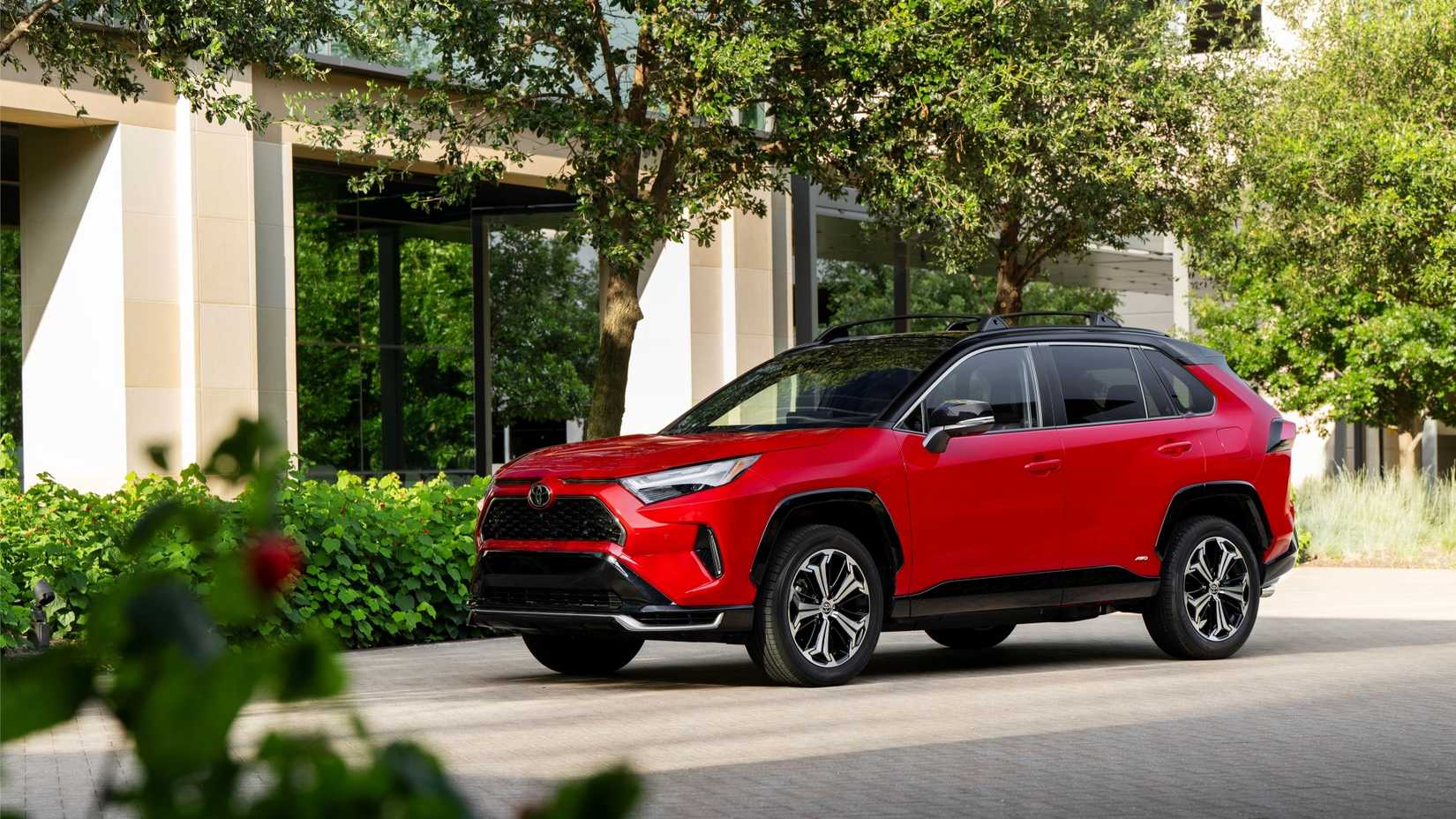
2025 Toyota RAV4 Prime: The Compact SUV With “Set-and-Forget” Appeal
The RAV4 Prime occupies a near-mythic position among PHEVs because it combines SUV practicality with a genuine electric-first rhythm. Many owners report that daily commutes become quietly efficient. A long trip still feels normal. That balance—between EV-style short hops and gas-powered range on demand—is what fuels persistent demand.
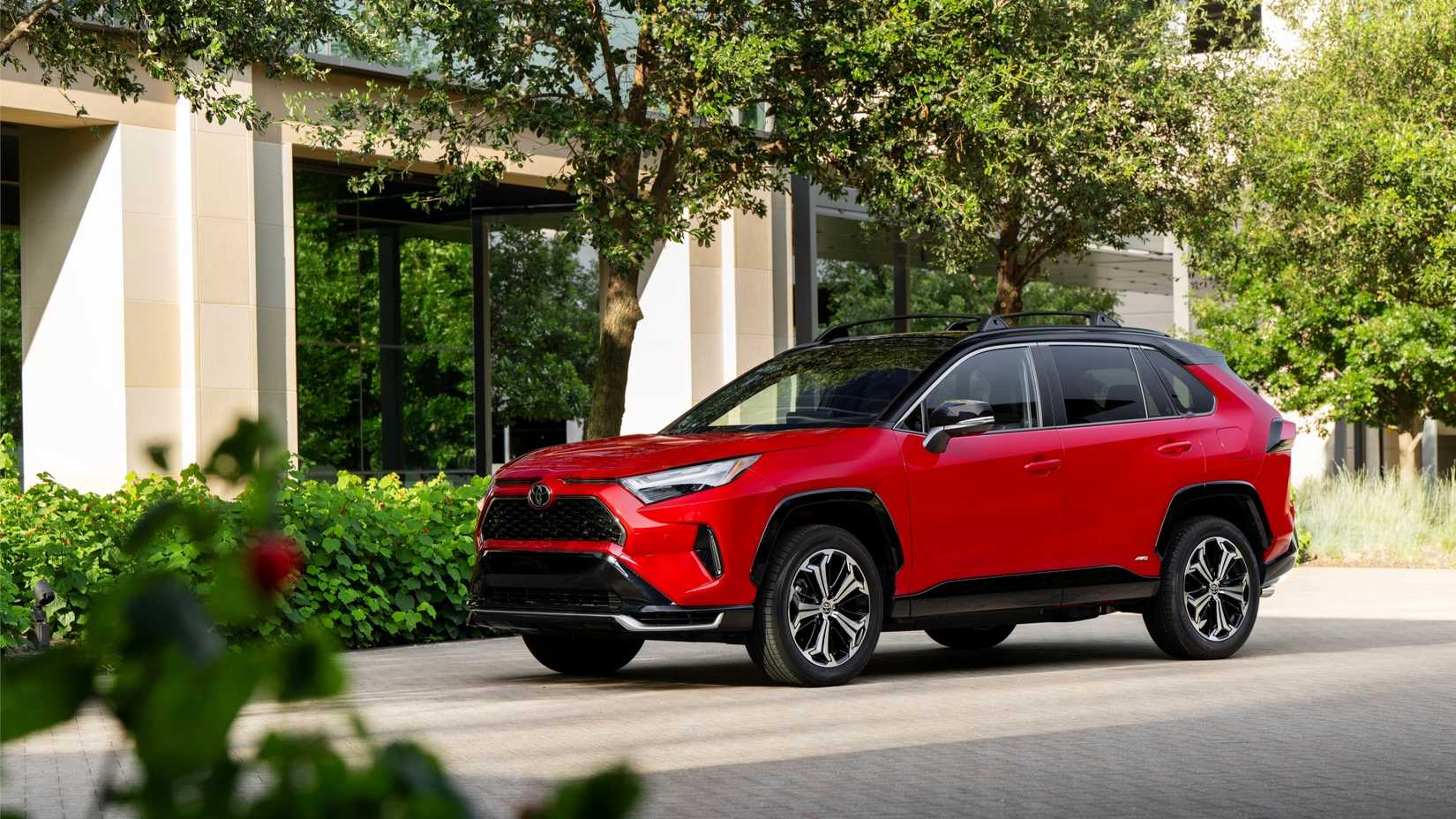
Here’s a deeper reason the RAV4 Prime tends to retain value: it’s not merely a plug-in. It’s a lifestyle asset. The RAV4 platform is widely understood, parts availability tends to be strong, and resale shoppers often see it as a safer bet than niche hybrids.
In 2025, the fascination continues because the model benefits from a clear identity—buyers who want the Prime experience still know what it means. When later buyers can quickly map features to expectations, depreciation often behaves more politely.
2025 Toyota Prius Prime: From Icon to Utility—A Familiar Name That Still Works
The Prius Prime has always carried two personalities: a marketing magnet and a practical tool. Some buyers come for fuel economy aesthetics. Others come for the ability to stretch gas savings without needing charging heroics. The best part is that it doesn’t demand admiration to justify itself.
Resale value tends to follow vehicles that remain easy to explain. The Prius name carries instant recognition. Recognition reduces friction. Reduced friction reduces hesitation. And hesitation is what kills pricing power.
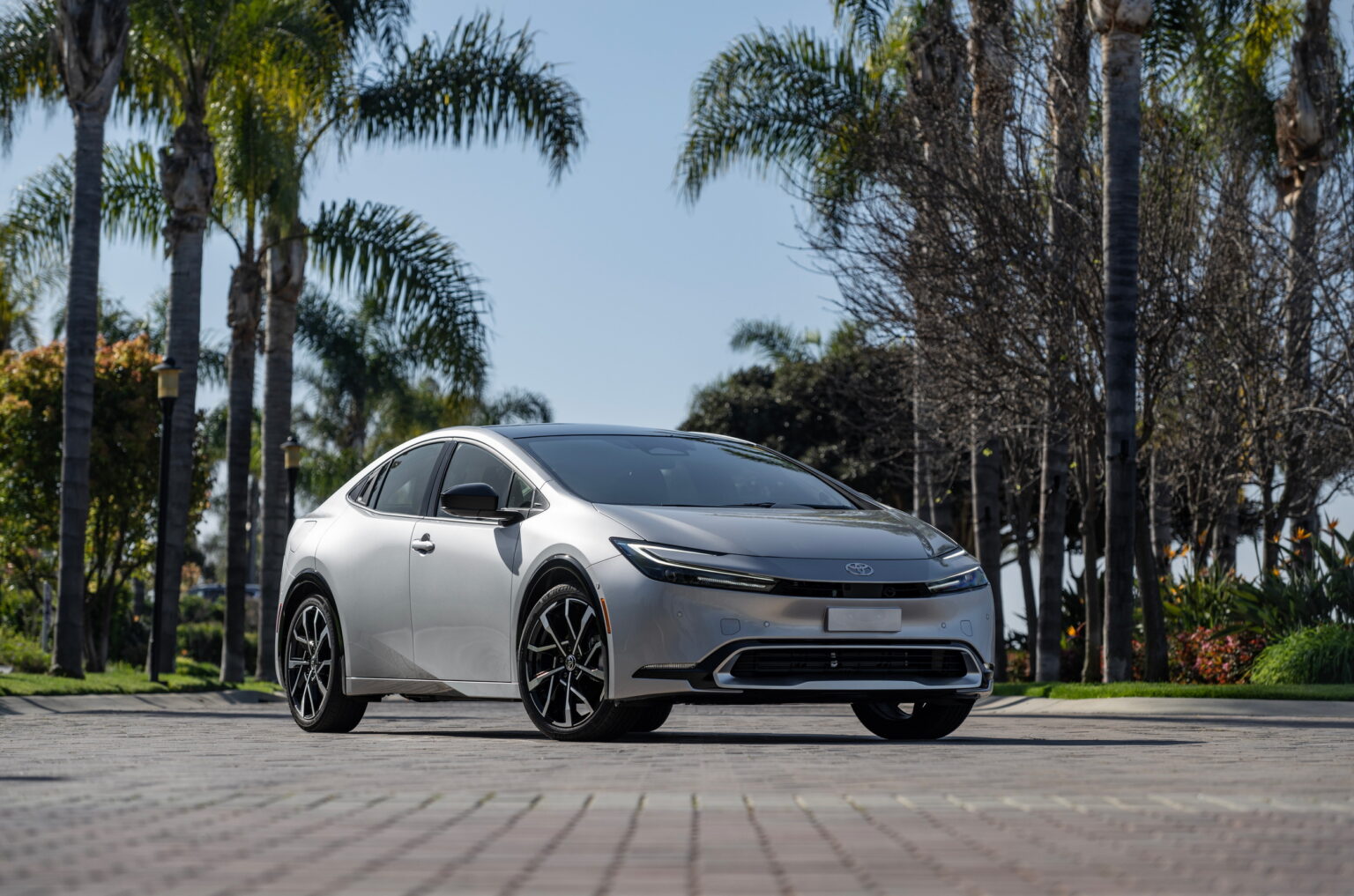
Another reason for enduring fascination is how the Prius Prime fits into real routines. Charging at home—whether overnight or during off-peak hours—turns the car into a predictable daily driver rather than a technical project. Over time, that predictability translates into buyer confidence when it’s time to upgrade.
In short: the Prius Prime remains a “credible choice” in the minds of future shoppers. That credibility tends to stabilize resale.
2025 Hyundai Tucson Plug-in Hybrid: Quiet Competence That Builds Loyal Demand
Not every top-resale story is loud. Some are built on consistency, refinement, and the sense that the vehicle was engineered to be lived with. The 2025 Hyundai Tucson Plug-in Hybrid fits that pattern. It offers a mainstream SUV stance with PHEV practicality—enough comfort, enough performance, and enough efficiency to make ownership feel smooth.
Resale tends to reward vehicles that avoid personality traps. Buyers want a PHEV that feels mainstream enough to service expectations. When a car blends into daily life without feeling complicated, it becomes easier to recommend. Recommendations become demand, and demand becomes market resilience.
While it may not carry the same cult gravity as certain legendary models, “quiet competence” often grows into long-term value retention—especially when reliability perceptions remain positive and service networks are robust.
2025 Mitsubishi Outlander Plug-in Hybrid: The Practical Underdog With Room to Grow
The Outlander Plug-in Hybrid has often been praised for its straightforward usefulness. It’s a vehicle that doesn’t require a motivational speech to justify its existence. For families and commuters who want more interior utility, it offers a comfortable compromise.
Here’s why it can perform well in resale: the market loves usable space. Resale buyers frequently prioritize how a vehicle serves everyday logistics—passenger room, cargo access, and a layout that doesn’t feel fussy. PHEVs that deliver those fundamentals tend to remain relevant.
Additionally, an underdog can benefit from deferred attention. When buyers become aware later than others, it can create a secondary surge in demand. Secondary surges—if sustained—often support stronger-than-expected pricing down the road.
2025 Kia Sportage Plug-in Hybrid: Comfort-Forward and Value-Conscious
The 2025 Kia Sportage Plug-in Hybrid attracts people who want a modern cabin experience without sacrificing efficiency. It’s a comfort-forward approach to electrified ownership. And comfort, surprisingly, is a resale driver.
Future buyers remember how a car feels on mundane days. They recall the seating stance. They remember noise isolation. They notice whether controls look intuitive. When a PHEV delivers those impressions consistently, it becomes easier to maintain demand across trim levels.
In the resale market, this matters. A vehicle that feels “easy to live with” retains buyers even when alternatives multiply. More choices don’t always help value—clarity does. The Sportage’s widely approachable design language and everyday usability can act like a stabilizer.
Trim Strategy and Ownership Habits: The Unwritten Rules of Resale
Resale value isn’t only about the badge. It’s also about behavior. For PHEVs, charging habits matter less than many assume, but consistency matters more than you’d expect. Maintaining battery health through reasonable charging routines can reduce anxiety later. Regular servicing, clean maintenance records, and timely tire replacement also prevent the “minor neglect” discount.
Trim choice affects resale, too. Higher-end packages can hold value when they include broadly desired features rather than novelty items. The sweet spot is usually: sensible tech, dependable drivetrain options, and exterior styling that won’t look dated after two winters.
Finally, keep an eye on how a model is positioned in the lineup. If a manufacturer simplifies names and clarifies which variants offer the “real” plug-in experience, resale can benefit from reduced buyer confusion.
Conclusion: The Real Reason These 2025 PHEVs Stay Desirable
The top resale-value PHEVs of 2025 aren’t simply the ones with the best depreciation charts. They’re the ones that remain emotionally and practically legible years later. The fascination comes from the intersection of performance that fits daily life, charging that feels manageable, and reputations that don’t fade overnight.
In that landscape, the Toyota RAV4 Prime and Prius Prime stand as anchors—models whose identities are easy to understand and whose ownership experiences tend to be remembered positively. Meanwhile, strong alternatives like the Tucson Plug-in Hybrid, Outlander Plug-in Hybrid, and Sportage Plug-in Hybrid show how comfort, space, and everyday usability can also translate into lasting value.
If you’re shopping with resale in mind, aim for a PHEV that people will still want, not merely a vehicle that looks good in today’s listings. In the long run, that difference is what keeps the story profitable.