Electric trucks have entered the marketplace with a kind of theatrical momentum—silent power, instant torque, and a growing ecosystem of chargers. Yet the decision facing buyers is rarely about horsepower alone. It’s about whether you want the ergonomic familiarity of a workhorse brand, the engineering philosophy behind a performance-leaning platform, the charging logistics that fit your routine, and the total ownership cost that won’t surprise you after the novelty fades. In that arena, the question becomes straightforward: GMC Sierra EV vs Chevrolet Silverado EV—Which one should you buy?
Both vehicles orbit the same foundational idea: deliver full-size capability with electric efficiency. But they diverge in character. One tends to feel more tailored for a premium, adventure-minded buyer. The other often reads as a familiar extension of a mainstream truck lineage. The best choice depends on what “daily usefulness” means in your world—commutes, job sites, family hauling, towing, and the rhythm of charging.
At-a-glance: what each truck is trying to be
The GMC Sierra EV wears a more deliberate, upscale posture. It’s the truck you imagine stepping into after dark, letting ambient lighting and a cockpit-forward design make the drive feel curated rather than utilitarian. The Silverado EV, by contrast, leans into accessibility—its identity is built around being a practical platform that can do everything from errands to landscaping runs without turning the purchase into a lifestyle statement.
Neither approach is inherently “better.” They’re just different flavors of the same pursuit: electric torque translated into real-world habits. If you prioritize cabin ambience, design language, and a more premium veneer, Sierra EV has an edge. If you prefer the straightforward, well-understood temperament of Silverado branding, Silverado EV tends to feel like the safer bet emotionally.
Cabin comfort and human factors
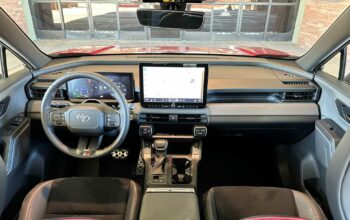
Even the most technical decision—battery size, range estimates, charging curves—gets filtered through how the cabin feels when you’re tired. The Sierra EV’s interior experience often emphasizes a “command seat” sensation: controls that feel placed with intent, a layout that reduces hunting for functions, and materials chosen to make long trips less fatiguing. Short trips still matter, of course. A truck that’s good in the morning rush is worth more than one that only shines on weekends.
The Silverado EV’s cabin typically leans toward ease and familiarity. Think of it as a workplace mentality: intuitive reach, readable instrumentation, and a layout that resembles what many drivers already know from traditional full-size trucks. That can lower the cognitive load after a long day. In human-factors terms, it’s about minimizing decision fatigue.
If you’re someone who lives in your truck—driving supervisors, weekend adventurers, families with schedules that sprawl—the Sierra EV’s premium touches may feel like a compounding benefit. If you want dependable usability with minimal learning curve, Silverado EV’s familiar approach can feel immediately right.
Performance character: torque delivery and drivability
Electric trucks don’t just accelerate; they arrive. The instant torque changes how power is perceived. Where a gasoline truck might require gearing, the EV tends to deliver thrust in a smoother, more immediate wave. The question is how each model’s tuning translates that physics into driver confidence.
In practice, the Sierra EV usually emphasizes a refined feel—less of the “grabby” sensation some EVs can have if traction and throttle mapping aren’t calibrated for everyday conditions. It’s often tuned to feel controlled across varying surfaces, which matters if you drive in rain, snow, or uneven parking-lot terrain.
The Silverado EV is typically tuned with a pragmatic focus. It can still be quick, but its personality often aims to match the expectations of truck buyers who want power without the sensation of “trying to manage” an unfamiliar drivetrain. For many drivers, that makes it easier to modulate speed during merging, towing transitions, or stop-and-go driving.
Ultimately, performance is not only about numbers. It’s about how often you enjoy the act of driving—whether power feels smooth, predictable, and confidence-inspiring.
Battery, range, and the reality of everyday use
Range is the headline metric, but actual usefulness is a blend of battery capacity, efficiency, temperature behavior, driving style, and load. Electric trucks are particularly sensitive to payload and towing because added mass increases energy demand. That’s why “range on paper” can be misleading unless the scenario matches your life.
Sierra EV buyers may find themselves more motivated by the vehicle’s overall efficiency strategy and the way it feels engineered for longer drives, especially when paired with thoughtful driving habits and sensible routing. Silverado EV buyers may focus more on how well the truck performs during routine errands and mixed use—where stop-and-go regeneration and everyday efficiency can add up over a week.
Before committing, it’s wise to compare range estimates under conditions that mirror your typical drives: highway percentage, average speeds, temperature in your region, and whether you frequently tow a trailer. Even small differences can matter if you operate in a narrow charging corridor.
Charging infrastructure: home, workplace, and road-trip practicality
This is where many comparisons become less about the truck and more about the household ecosystem around it. If you can install home charging—especially with a robust setup—the “ownership equation” shifts dramatically. Both trucks benefit from the convenience of starting each day with a fuller battery, reducing reliance on public infrastructure.
Sierra EV often appeals to buyers who plan like travelers: charging stops become part of the itinerary, not a stressful detour. That doesn’t mean the Silverado EV can’t road-trip well—it means the Sierra’s overall experience can make the process feel more seamless and planned.
For Silverado EV, the charging narrative is frequently about practicality. If your routine is built around workplace chargers, neighborhood availability, or predictable commuting patterns, Silverado’s straightforward approach can match your workflow without demanding extra lifestyle adjustments.
Regardless of model, consider charging speed, connector compatibility, and whether your route has reliable stations. Electric ownership is less about horsepower and more about electricity management.
Towing and hauling: electric capability under load
Full-size trucks live or die by their hauling credibility. Electric torque is an advantage for starting and low-speed control, but towing adds steady energy consumption that can shorten range. The key is to evaluate how each truck handles weight while maintaining composure.
Sierra EV tends to be marketed toward buyers who want towing capability with a premium sense of stability—especially on longer pulls where cabin comfort and steady drivability become critical. It’s less about feeling “sporty” under load and more about feeling composed.
Silverado EV often aims for robust, practical towing behavior. Its design philosophy usually prioritizes straightforward readiness: sturdy capability, easy-to-use towing features, and a driver interface that supports frequent coupling and hauling tasks.
If your towing schedule is consistent—boats, equipment, or frequent weekend hauls—compare towing-related guidance, energy draw behavior, and how the truck’s stability systems react under real conditions.
Technology and driver-assistance: confidence without clutter
Modern trucks aren’t only vehicles; they’re mobile computing platforms. Driver-assistance systems can reduce fatigue, improve lane discipline, and make highway miles less monotonous. The question is whether the experience feels confident or cluttered.
Sierra EV is often positioned as more “premium tech”—a cockpit that feels more integrated and refined. The advantage is smoother interactions between infotainment, navigation, and vehicle controls. In long-distance driving, that integration can reduce micro-disruptions.
Silverado EV generally keeps the technological experience accessible and fast to operate. The value here is speed of understanding: fewer steps, more familiar patterns, less time learning how the system behaves.
Consider how you use navigation. Do you rely on live traffic and charging suggestions? Do you want the truck to help you plan around energy needs? If yes, the model that feels more coherent in real-time planning may be the better fit.
Ownership cost: incentives, maintenance, and depreciation logic
The electric truck conversation must include long-term economics. Electricity costs are often lower than gasoline on a per-mile basis, especially with home charging. Maintenance can also be simpler because EV drivetrains have fewer moving parts—yet tires, brakes, suspension wear, and coolant-related services still matter.
Beyond everyday costs, financing terms and available incentives can swing the purchase decision. Depreciation depends on demand, battery perception in the market, and how quickly competitors release newer configurations. Historically, brand strength and resale sentiment affect how buyers price used vehicles. A premium positioning like Sierra’s can sometimes hold value differently than Silverado’s more mainstream stance.
When evaluating total cost, treat it as a scenario analysis: your annual mileage, expected energy prices, charging availability, and how long you intend to keep the truck before upgrading.
Who should buy the GMC Sierra EV?
Choose the GMC Sierra EV if you want a premium cabin experience, a more curated personality, and a truck that feels designed for both long stretches and stylish everyday life. It’s a good fit for drivers who value comfort, refined driving dynamics, and an integrated tech experience. If your routine includes road trips, family travel, or frequent late-night drives, the Sierra’s “confidence through comfort” approach may feel like the right investment.
Who should buy the Chevrolet Silverado EV?
Choose the Chevrolet Silverado EV if you want familiarity, practicality, and a brand identity that prioritizes accessibility. It’s well-suited for buyers whose lifestyles revolve around regular hauling, mixed driving, and straightforward usability. If your priority is a truck that feels immediately capable, with technology that’s easy to operate and charging that fits a predictable schedule, Silverado EV can be the rational choice.
Final verdict: matching the truck to your life
The best way to decide between GMC Sierra EV and Chevrolet Silverado EV is to translate features into daily reality. If you measure success by comfort, cabin refinement, and a more elevated driving presence, Sierra EV is the compelling candidate. If you measure success by ease of use, mainstream familiarity, and practical capability across frequent tasks, Silverado EV is likely to fit better.
Electric trucks are a commitment to electricity and routine. Once that routine is established—whether at home, work, or along planned routes—the differences between the two become less dramatic and the choice becomes more personal. Pick the one that you’ll look forward to driving, not just the one that wins a spreadsheet. In the end, the “best” EV truck is the one that matches your habits so well it barely requires effort to live with.