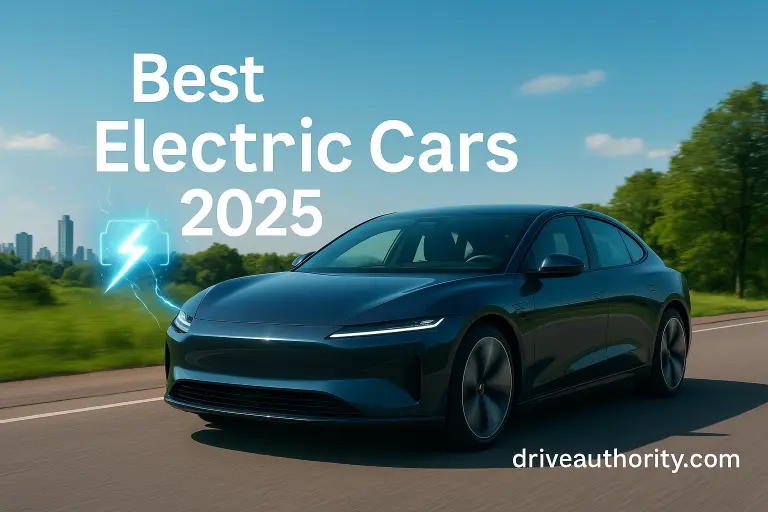
The year 2025 feels like a new chapter in the EV story—one where value isn’t just a number on a spec sheet. It’s the invisible choreography between purchase price, real-world range, and the everyday conveniences that quietly shape ownership. Think of each EV as a travel suitcase: the best deals are not simply light for the wallet; they’re packed with the right compartments—charging confidence, driver-assistance polish, comfort, and technology that doesn’t evaporate after the first month.
“Best value” is an alchemy, not a spreadsheet. In this guide, the spotlight lands on ten 2025 electric vehicles that balance price, range, and features in a way that feels cohesive—like a well-tailored suit rather than a set of separately priced parts. The goal is not to crown a single king, but to reveal a shortlist of winners with distinct personalities: pragmatic, adventurous, family-friendly, and quietly luxurious without the loudness of luxury pricing.
To keep the narrative grounded, imagine a simple triangle: Cost at one corner, Range at another, and Features at the third. The EVs chosen here sit nearest that center—where savings and capability harmonize.

How to Measure “Value” in 2025: More Than Just Price Tags
Value is a living equation. A lower sticker price can be misleading if the vehicle feels thin in daily utility. Conversely, an EV with robust features might still be a bargain if its efficiency stretches the battery’s promise.
Start with three practical lenses:
1) Price-to-Range Integrity: Evaluate how the cost relates to the miles you can confidently use. An EV with modest range but exceptional efficiency can outshine one with higher advertised numbers.
2) Feature Density: Not every “extra” is valuable. The best deals bundle the features people actually touch: adaptive cruise, a responsive infotainment system, charging navigation, heated seats, and driver-assistance that behaves predictably.
3) Ownership Friction: How quickly you can charge, how easy software updates are to live with, and whether the interior layout feels intuitive. Friction is the silent tax.
In 2025, the market is evolving fast. The most interesting value propositions feel like compromises that were deliberately engineered into strengths—like tuning an instrument so it rings without strain.
1) Tesla Model 3 (2025): The Efficiency Workhorse with Software Gravity
The Model 3 remains a magnet for shoppers who want range that behaves. It’s not simply about speed or range numbers; it’s about calm confidence—features that feel integrated rather than bolted on.
Best for: People who value charging ecosystem familiarity and a polished software experience.
Value appeal: Strong real-world efficiency and a feature set that’s unusually coherent. The cabin experience is sleek but not sterile, and the driving dynamics feel composed across varied conditions.
Picture it as a riverboat: steady, efficient, and built for repeat journeys rather than spectacle.
2) Hyundai Ioniq 5 (2025): Space-First Design with Electrified Character
The Ioniq 5 is the rare EV that makes you feel like you gained storage without paying for a larger vehicle. It’s a “roomy but not bulky” kind of value—like upgrading your life, not just your car.
Best for: Families, commuters, and anyone who carries more than they admit.
Value appeal: Practical interior flexibility, strong charging practicality, and features that feel ready for everyday routines. The design is bold, but it doesn’t distract from usability.
It’s an open-plan loft on wheels—where the range is the fuel, and the comfort is the destination.
3) Kia EV6 (2025): Agile Balance with a Futuristic Afterglow
If the Ioniq 5 is about space, the EV6 leans into motion. It’s the kind of EV that makes short drives feel sharper and longer drives feel lighter.
Best for: Drivers who want sporty restraint rather than loud performance.
Value appeal: A satisfying mix of range and technology, plus driver-assistance features that aim to reduce stress instead of increase it. The cabin materials and layout help it feel more premium than the price suggests.
Think of it as a well-tuned orchestra: everything plays its part, and nothing steals the spotlight.
4) Volkswagen ID.4 (2025): The Practical Companion with All-Weather Confidence
Some EVs feel like experiments. The ID.4 feels like a decision—grounded, predictable, and easy to live with. That’s where much of its value lives: it doesn’t demand attention every day.
Best for: Households needing versatility and straightforward usability.
Value appeal: Consistent feature availability, comfortable seating, and a driving feel that suits commuting and road trips alike. The SUV practicality is the quiet headline.
It’s the dependable backpack you trust on a journey, even when the weather changes its mind.
5) Ford Mustang Mach-E (2025): Premium Styling, Sensible Ownership
The Mach-E knows how to look stylish without making the ownership experience complicated. It’s a value pick for people who want the EV benefits without surrendering the emotional appeal of an attractive design.
Best for: Shoppers who want comfort, style, and modern driver tech.
Value appeal: A well-rounded feature set, responsive infotainment, and a driving profile that doesn’t feel like compromise. Range is solid, and charging behavior tends to be reassuring in daily life.
Imagine it as a polished diner where the menu is adventurous but the service remains effortless.
6) Nissan Ariya (2025): Quietly Competent with Upscale Calm
The Ariya’s value lies in its composure. It’s an EV that doesn’t try too hard to impress. Instead, it offers a refined ride and a comfortable atmosphere—like a thoughtful host who keeps the conversation easy.
Best for: Drivers who prioritize ride comfort and a serene cabin.
Value appeal: Balanced performance and a feature mix that can feel more premium than its price framing. It’s especially appealing for those who want a peaceful commute with real utility.
It’s a gentle tide—steady, efficient, and designed for calm continuity.
7) Chevrolet Equinox EV (2025): The Entry That Doesn’t Feel Like a Retreat
In 2025, “entry-level” EVs are no longer synonymous with “barebones.” The Equinox EV aims to deliver modern features while keeping the sticker manageable.
Best for: First-time EV buyers and budget-minded families.
Value appeal: A thoughtful baseline of comfort tech, practical charging guidance, and a driving experience that feels substantial. It’s a gateway vehicle that respects your future upgrades—without selling you fear.
Consider it a sturdy bridge: it gets you across the gap into EV life without wobbling.
8) BMW i4 (2025): Luxury-Lite Value with Sharper Edges
Luxury EVs usually carry a tall toll. The i4, however, creates an intriguing balance—premium feel, engaging driving characteristics, and technology that feels grown-up.
Best for: Buyers who want refinement and performance cues.
Value appeal: Feature richness that can justify the price when compared with less well-integrated alternatives. The sense of solidity and driver-centric design brings depth to the ownership experience.
It’s a velvet glove with a precise grip—soft where you want comfort, firm where you want control.
9) Mercedes-Benz EQB (2025): A Family-Friendly Premium Bubble
The EQB delivers an SUV shape and an elevated vibe without turning the purchase into a luxury-exclusive ordeal. Its value is in the combination of space, comfort, and brand-level polish.
Best for: Families who want a premium cabin and practical seating.
Value appeal: A reassuring feature set, comfortable ride quality, and an ownership experience that feels less “tech project” and more “daily habit.”
It’s like a well-insulated cabin in winter—warm, steady, and ready for the road ahead.
10) Volvo XC40 Recharge (2025): Safety-Forward Value with Scandinavian Simplicity
Volvo’s superpower is not flash—it’s trust. The XC40 Recharge often attracts buyers who want safety-minded engineering and a clean, uncluttered interior experience.
Best for: Drivers prioritizing safety tech and comfortable, minimal design.
Value appeal: A solid blend of safety and feature availability, paired with range that works for everyday use. The cabin feels composed, almost deliberately calm.
Think of it as a compass that keeps pointing you toward sensible decisions.
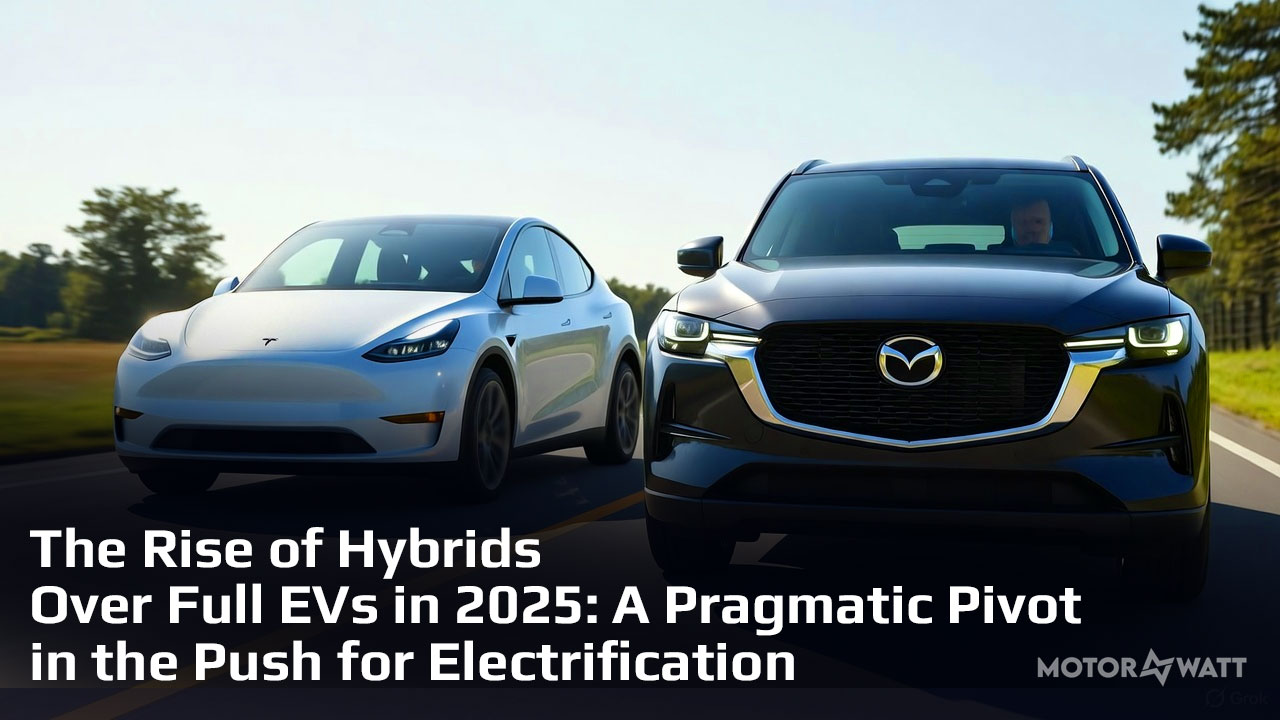
Range vs Price vs Features: How These Ten Balance the Triangle
Some EVs win by stretching range through efficiency. Others win by packing features at a price that doesn’t demand celebration afterward. The most compelling value models often do both: they offer a usable range and a feature set that feels dependable.
When comparing, don’t just ask, “How far can it go?” Ask, “How often will I actually use that capability?” A vehicle with slightly less advertised range can become the better choice if it delivers consistently in your typical conditions—and if its driver aids reduce fatigue during those longer stretches.
Then evaluate features as tools, not decorations. A good infotainment interface is like a well-placed dashboard knob: you touch it without thinking. Driver-assistance features should reduce vigilance, not create new habits. Heated seats and smart cabin controls can transform the comfort equation more than you’d expect.
Final Thoughts: Choosing the Best Value EV for Your Life
The top value EV in 2025 is rarely the one with the highest range figure. It’s the one that fits your real routines—charging availability, commuting patterns, passenger needs, and how you like to be entertained or assisted on the road.
Use this list as a launchpad, not a cage. Test-drive at least two models that feel different in personality—one “space-first,” one “sport-forward,” one “premium-composed.” Pay attention to how the cabin quiets your mind, how the controls invite confidence, and how the range feels on paper versus in motion.
In the end, the best value EV is the one that makes your day-to-day drive feel effortless—like the car has already learned your preferences and is simply meeting you there, every time.