Picture this: You’re standing in a showroom, the gleam of two Tesla icons catching your eye. One is sleek, compact, and exudes urban sophistication. The other is roomier, taller, and seems ready to conquer both city streets and weekend getaways. Both hum with the same electric promise, both share the same futuristic DNA—but which one truly fits *you*? The Tesla Model 3 and Model Y are more than just cars; they’re lifestyle statements, efficiency engines, and technological marvels rolled into one. Yet, choosing between them isn’t just about specs—it’s about aligning a machine with your daily rhythm, your ambitions, and even your sense of adventure. So, let’s dive beneath the surface and uncover which Tesla best mirrors your drive.
The Great Tesla Divide: Compact vs. Crossover
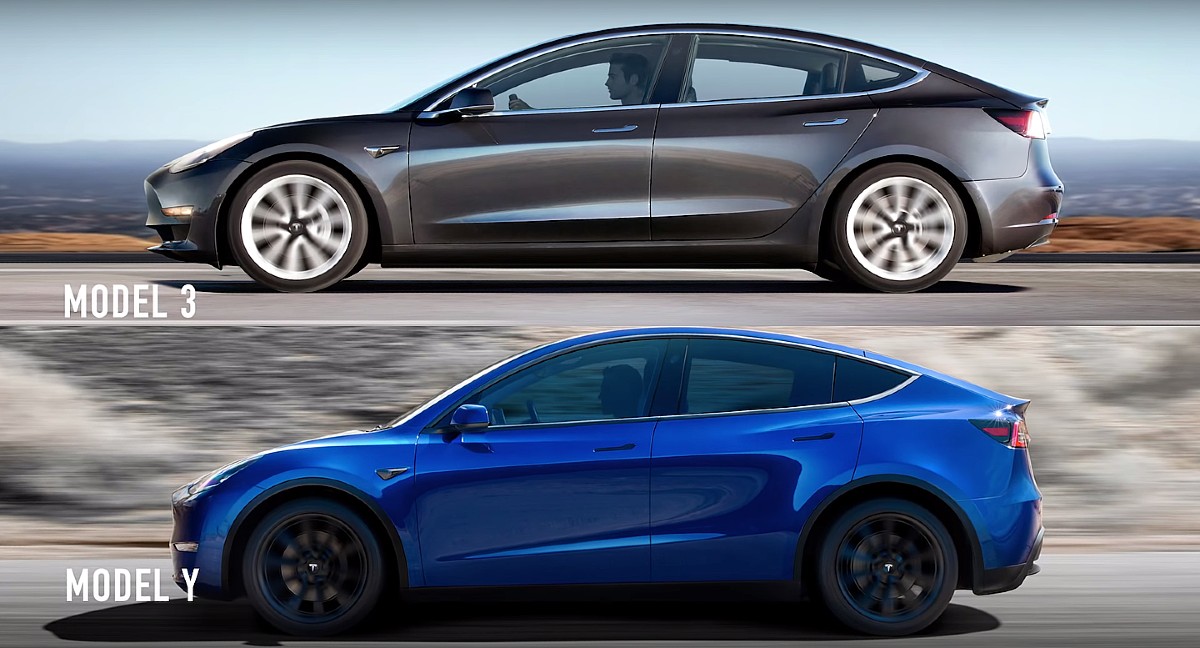
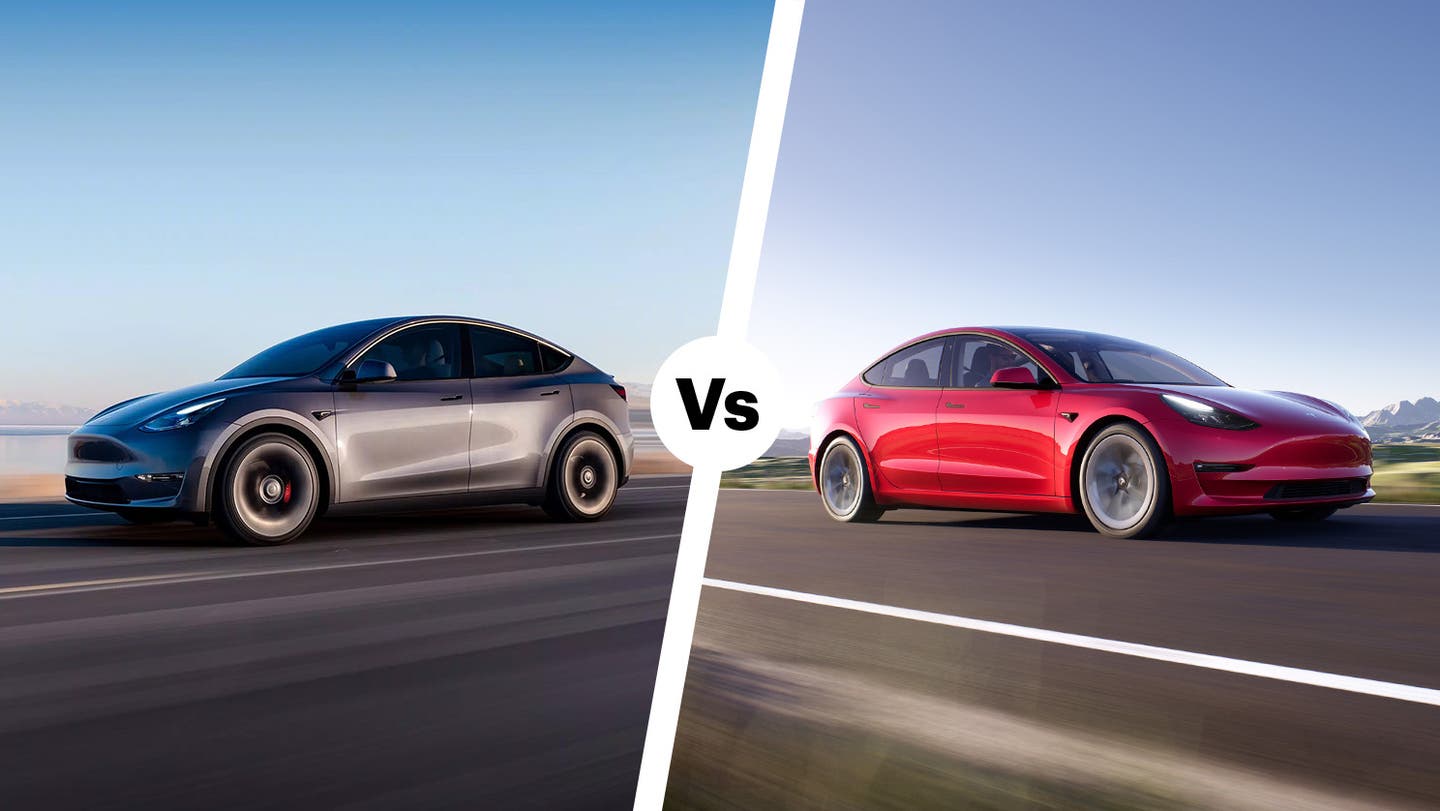
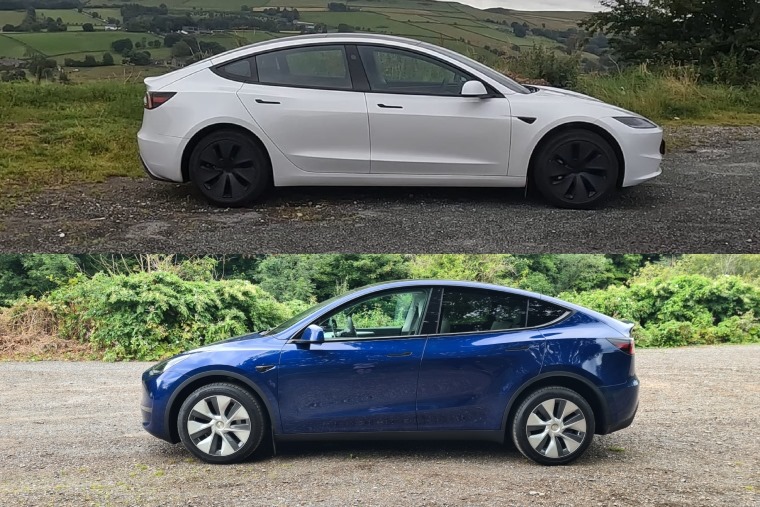
The Model 3 and Model Y aren’t just siblings—they’re cousins with distinct personalities. The Model 3, Tesla’s sedan flagship, is a masterclass in minimalism and efficiency. It’s built for those who value precision, agility, and a lower price point. With a lower center of gravity and a streamlined silhouette, it glides through traffic like a silent shadow, turning every commute into a moment of quiet reflection. Its cabin is a zen garden of glass and touchscreens, where every control is within a fingertip’s reach.
Enter the Model Y, Tesla’s crossover answer to modern life’s unpredictability. It’s taller, roomier, and more versatile, designed for families, road trips, and the occasional grocery hauling spree. The higher ride height gives it a commanding view of the road, while the expanded cargo space whispers promises of weekend escapes and spontaneous detours. Yet, this versatility comes with a trade-off: the Model Y is bulkier, slightly less nimble, and demands more energy to propel its larger frame. It’s the SUV that refuses to be boxed in—literally.
Range, Power, and the Elusive Charge
Range anxiety is the ghost that haunts every EV owner’s dreams. Both the Model 3 and Model Y offer impressive figures, but their real-world performance tells a nuanced story. The Model 3, with its smaller battery and lighter frame, often edges out the Model Y in pure efficiency. A Long Range Model 3 can stretch up to 358 miles on a single charge, while the Model Y Long Range manages around 330 miles. Yet, this gap narrows when you factor in driving conditions—highway speeds, cold weather, and aggressive acceleration all nibble away at those numbers.
Power is where the two models flirt with sibling rivalry. The Model 3 Performance boasts 0-60 mph in a blistering 3.1 seconds, making it one of the quickest sedans on the planet. The Model Y Performance isn’t far behind, clocking in at 3.5 seconds, but its bulkier frame means it feels less like a rocket and more like a brisk sprinter. Both models share the same dual-motor all-wheel-drive system, but the Model 3’s lower weight gives it a slight edge in handling precision. It’s the difference between a scalpel and a Swiss Army knife—one excels in precision, the other in adaptability.
Charging is where Tesla’s Supercharger network shines. Both models can tap into the same high-speed charging stations, but the Model 3’s smaller battery means it fills up faster. A 250 kW Supercharger can juice up a Model 3 to 80% in about 15 minutes, while the Model Y takes closer to 20. Still, in a world where time is currency, every minute counts—and the Model 3 wins this round.
Space, Seating, and the Art of Practicality
Let’s talk about the elephant in the room—or rather, the lack thereof. The Model 3’s cabin is a paragon of minimalism, with just enough space for four adults to coexist without elbowing each other. The trunk is modest, perfect for a weekend bag or a couple of grocery bags, but don’t expect to fit a stroller, a set of golf clubs, and a week’s worth of groceries without strategic Tetris-like packing. The rear seats are comfortable but tight, especially for taller passengers who might find their knees pressing against the front seats.
The Model Y, on the other hand, is a master of versatility. Its higher roofline and boxier shape create a cavernous interior where passengers can stretch out like cats in a sunbeam. The rear seats fold flat, transforming the cabin into a mobile storage unit. The trunk is cavernous, easily swallowing a double stroller, a mountain bike, or a week’s worth of camping gear. Even the “frunk”—Tesla’s front trunk—offers more space than the Model 3’s, making it a practical choice for families, pet owners, or anyone who values flexibility.
Tech, Comfort, and the Illusion of Simplicity
Tesla’s infotainment system is a marvel of modern design, but it’s not without its quirks. Both the Model 3 and Model Y feature the same 15-inch touchscreen, a digital cockpit that controls everything from climate settings to autopilot features. The interface is intuitive, if occasionally overwhelming, with a learning curve that demands patience. Voice commands are a godsend, though they sometimes misinterpret your requests with the precision of a sleep-deprived intern.
Comfort is where the two models diverge. The Model 3’s seats are supportive and sculpted for long drives, but their firmness can become a point of contention on cross-country road trips. The Model Y, with its higher seating position and plushier upholstery, feels more like a lounge on wheels. The panoramic glass roof floods the cabin with natural light, creating an airy, open atmosphere that the Model 3’s smaller glass roof can’t quite match. Yet, the Model 3’s lower profile gives it a more intimate, cocoon-like feel—a sanctuary for those who crave solitude.
Autopilot is another area where the two models share DNA but differ in execution. Both offer Tesla’s advanced driver-assistance system, but the Model Y’s higher vantage point gives its cameras a slight edge in detecting obstacles. The Model 3’s lower ride height means it’s more susceptible to blind spots, especially in urban environments. Still, neither model is fully autonomous, and drivers must remain vigilant—a fact that Tesla emphasizes with frequent software updates and safety reminders.
The Price of Perfection: Budgeting for Your Tesla
Money, as they say, is the root of all value. The Model 3 starts at around $40,240, making it the more accessible option for budget-conscious buyers. The Model Y, with its larger footprint and premium features, begins at $44,990. Both prices are before incentives, which can significantly reduce the final cost depending on your location. Yet, the sticker price is just the beginning. Insurance, maintenance, and charging costs all factor into the long-term equation.
Insurance for the Model Y tends to be higher due to its larger size and repair costs. The Model 3, being smaller and lighter, is generally cheaper to insure, though this can vary based on your driving history and location. Maintenance is minimal for both models, thanks to Tesla’s lack of traditional engine components, but the Model Y’s air suspension and larger wheels may require more frequent tire rotations and alignments. Charging costs are similar, though the Model Y’s larger battery means it will cost slightly more to fill up over time.
Resale value is where Tesla’s brand strength shines. Both models hold their value exceptionally well, but the Model 3’s popularity and lower price point give it a slight edge in the used market. The Model Y, with its growing fanbase and versatility, is also a strong contender, especially as demand for SUVs continues to rise. Ultimately, the choice comes down to whether you’re willing to pay a premium for space and practicality—or if you’d rather invest in a sleek, efficient machine that prioritizes driving dynamics.
Which Tesla Fits *Your* Drive?
So, which Tesla is the right fit? If you’re a city dweller, a tech enthusiast, or someone who values efficiency above all else, the Model 3 is your ideal companion. It’s the car for those who see driving as an extension of their personality—a statement of precision, speed, and understated elegance. The Model 3 is for the minimalist, the commuter, the weekend adventurer who doesn’t need to haul a small army of passengers or gear.
But if your life is a tapestry of responsibilities, spontaneity, and the occasional chaos of family outings, the Model Y is your knight in shining armor. It’s the car for the multitasker, the road tripper, the pet owner, the DIY enthusiast who sees a car as a tool for living. The Model Y doesn’t just transport you—it adapts to your rhythm, your needs, and your ever-changing schedule.
Ultimately, the choice between the Model 3 and Model Y isn’t just about numbers or specs. It’s about aligning a machine with your life’s narrative. Do you want a car that’s as agile and precise as a scalpel, or one that’s as adaptable and roomy as a Swiss Army knife? The answer lies not in the showroom, but in the way you live, the way you move, and the way you dream.
So, which Tesla will you choose? The sleek, efficient Model 3—or the versatile, spacious Model Y? The decision is yours, but one thing is certain: whichever path you take, you’re driving into the future. And the future, as Tesla has shown, is electric.