In the realm of automotive luxury, where the hum of an electric motor meets the whisper of premium materials, Tesla has long been a trailblazer—not just in performance, but in the very fabric of its interiors. Yet, as the brand pivoted to vegan leather, a question lingers like the scent of new-car upholstery: Is this plant-based revolution standing the test of time, or is it merely a fleeting trend draped in moral virtue? The challenge isn’t just about ethics; it’s about endurance. Can a material born of sustainability truly rival the buttery resilience of traditional leather—or will it crack under pressure, both literal and metaphorical?
The stakes are high. Tesla’s shift to vegan materials wasn’t just a marketing maneuver; it was a statement, a bold rebuke to the cattle industry’s environmental footprint. But as drivers sink into seats that promise guilt-free opulence, they’re also testing the limits of innovation. Will these materials age with the grace of a fine wine, or will they betray their owners with the first scorching summer day or the inevitable wear of daily commutes?
The Allure of Vegan Leather: Aesthetic and Ethics in Harmony
At first glance, Tesla’s vegan leather—crafted from synthetic polyurethane or plant-based alternatives like bamboo—seems to offer the best of both worlds. The surfaces are smooth, the textures inviting, and the color palette expansive. Gone are the days when faux leather meant stiff, plasticky discomfort. Modern iterations boast a supple hand feel, almost indistinguishable from the real thing. The environmental argument is compelling: no cows harmed, no methane emissions, and a reduced reliance on fossil fuels compared to traditional leather tanning processes.
Yet, aesthetics alone don’t sustain a material’s reputation. The true test lies in its ability to withstand the rigors of daily use. Does vegan leather resist stains as effectively as its bovine counterpart? Can it endure the relentless assault of sunlight, which can bleach and degrade synthetic fibers? And perhaps most critically, how does it fare against the inevitable spills—coffee, wine, or the sticky residue of a child’s snack?
Durability Under Scrutiny: The Cracks Beneath the Surface
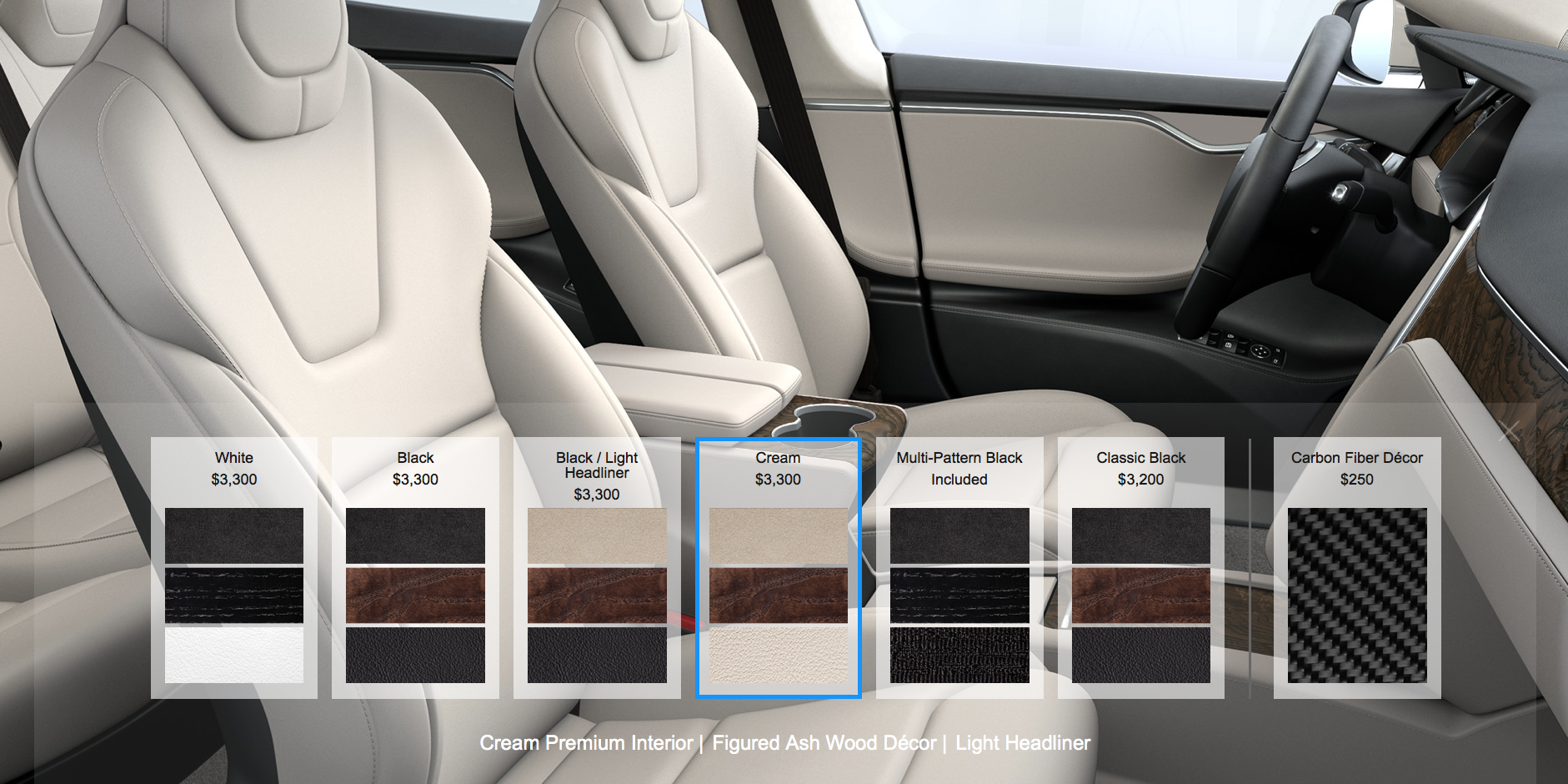
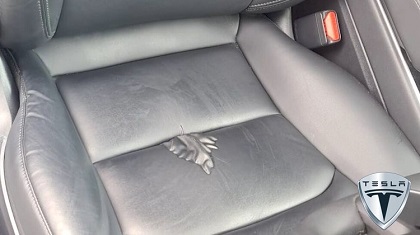
Walk into a Tesla showroom, and the seats gleam like polished obsidian. But step outside after a few months of ownership, and the story might change. Vegan leather, particularly polyurethane-based variants, is notorious for its susceptibility to peeling and cracking over time. The issue isn’t just cosmetic; it’s structural. Unlike traditional leather, which develops a patina with age, synthetic alternatives often degrade into unsightly flakes or sticky residues. The problem is exacerbated in regions with extreme temperatures—whether the searing heat of a desert summer or the frigid grip of a mountain winter.
Tesla’s use of “vegan leather” isn’t monolithic. Some models feature a premium synthetic blend marketed as ultra-durable, yet real-world reports suggest variability. Owners in humid climates report premature wear, while those in arid conditions praise its resilience. The inconsistency raises a troubling question: Is Tesla’s vegan leather a triumph of innovation, or a gamble on unproven materials?
The Environmental Paradox: Sustainability vs. Longevity
Proponents argue that the environmental benefits of vegan leather outweigh its durability drawbacks. After all, a material that lasts decades but requires the slaughter of animals carries its own moral weight. Yet, the sustainability narrative isn’t without its wrinkles. Polyurethane, the most common synthetic used in automotive interiors, is derived from petroleum—a far cry from the eco-friendly image Tesla projects. Even plant-based alternatives, like the bamboo leather referenced in recent upgrades, face scrutiny over their production processes and long-term biodegradability.
Consider the lifecycle of these materials. A traditional leather seat, though resource-intensive to produce, can last the lifetime of a car. Vegan leather, by contrast, may need replacement within a decade, negating its initial environmental savings. The irony is palpable: a material designed to reduce harm might, in practice, contribute to more waste if it fails prematurely.
Comfort and Climate: The Unseen Variables

Comfort is another frontier where vegan leather must prove its mettle. Traditional leather breathes, adapting to body heat and humidity. It’s cool in summer, warm in winter—a natural thermoregulator. Vegan leather, particularly synthetic versions, often lacks this adaptability. In hot weather, it can feel stifling, trapping heat against the skin. In cold climates, it may remain unyieldingly rigid, a far cry from the supple give of genuine leather.
The material’s interaction with climate control systems is another consideration. Tesla’s cabin preconditioning is a marvel, but it can’t compensate for a seat that refuses to breathe. Owners in tropical or arctic zones may find themselves trading ethical satisfaction for physical discomfort—a trade-off that could erode the premium experience Tesla aims to deliver.
The Human Factor: Touch, Scent, and Sensory Experience
There’s an intangible quality to traditional leather that vegan alternatives struggle to replicate. The scent of a new car—rich, earthy, redolent of tanning oils—is a sensory hallmark of luxury. Vegan leather, by contrast, often carries a faint chemical tang, a reminder of its synthetic origins. The tactile experience is equally nuanced. Leather develops a unique patina over time, its surface softening with each use. Vegan leather, even when designed to mimic this effect, lacks the organic evolution that makes leather feel alive.
For some, these differences are trivial. For others, they’re dealbreakers. Tesla’s target demographic skews toward tech-savvy early adopters who prioritize innovation over tradition. Yet, as the brand matures, it must appeal to a broader audience—one that may not be willing to sacrifice sensory comfort for ethical alignment.
Innovation in Motion: Tesla’s Ongoing Experiment
Tesla’s commitment to vegan materials isn’t static. The company has experimented with alternatives like recycled polyester and even mushroom-based leather, signaling a willingness to iterate. The recent introduction of bamboo-derived upholstery hints at a future where sustainability and durability coexist. Yet, these innovations remain in their infancy, and their long-term performance is still unproven.
The challenge for Tesla—and for the automotive industry at large—is to reconcile the demand for sustainable materials with the uncompromising standards of luxury and longevity. It’s a high-wire act, balancing ethical imperatives with practical realities. Will vegan leather evolve into a material that can truly replace leather, or will it remain a noble experiment, forever chasing the ghost of its organic predecessor?
The answer may lie not in a single material, but in a mosaic of solutions. Perhaps the future of automotive interiors isn’t vegan leather at all, but a hybrid approach—synthetic yet sustainable, durable yet eco-friendly. Until then, Tesla’s seats serve as a microcosm of a larger debate: Can we have our cake and eat it too, or must we choose between ethics and excellence?
The road ahead is paved with good intentions, but the journey is far from over. For now, drivers must decide: Is the allure of vegan leather worth the gamble on its longevity, or will the quest for sustainability demand a different kind of compromise?