The Tesla Model 3 has long been celebrated for its sleek design, cutting-edge technology, and electric efficiency. Yet beneath its futuristic exterior lies a quieter revolution—one measured not in miles per hour, but in decibels per mile. The cabin noise test on the highway isn’t just a technical benchmark; it’s a window into how modern engineering redefines comfort, perception, and even emotion during long drives. When the hum of the tires and the rush of the wind fade into near-silence, the experience transcends mere transportation. It becomes a sanctuary of stillness, where the absence of noise amplifies the presence of everything else—the hum of conversation, the rhythm of music, the quiet hum of the mind at ease. This is the unspoken promise of the Tesla Model 3: a cabin so serene that the journey feels as refined as the destination.
The Science of Silence: How Tesla Crafts a Quiet Cabin
At the heart of the Tesla Model 3’s acoustic mastery lies a meticulous fusion of materials, aerodynamics, and electrical engineering. Unlike traditional combustion vehicles, where engine growl and exhaust resonance dominate the cabin soundscape, the Model 3’s electric powertrain emits minimal mechanical noise. The absence of pistons, gears, and exhaust valves alone reduces the decibel count significantly. Yet Tesla doesn’t stop there. The cabin is insulated with advanced sound-absorbing materials—acoustic glass, multi-layered door seals, and even strategically placed foam panels—each engineered to dampen vibrations and block external noise intrusion. Wind noise, often the most persistent intruder at highway speeds, is mitigated through aerodynamic refinements: streamlined side mirrors, smooth underbody panels, and precision-engineered door gaps that disrupt airflow turbulence. The result is a cabin that doesn’t just reduce noise—it redefines the very concept of auditory comfort, transforming the highway into a silent corridor where thought can flow freely.

Highway Decibel Showdown: Model 3 vs. The Competition
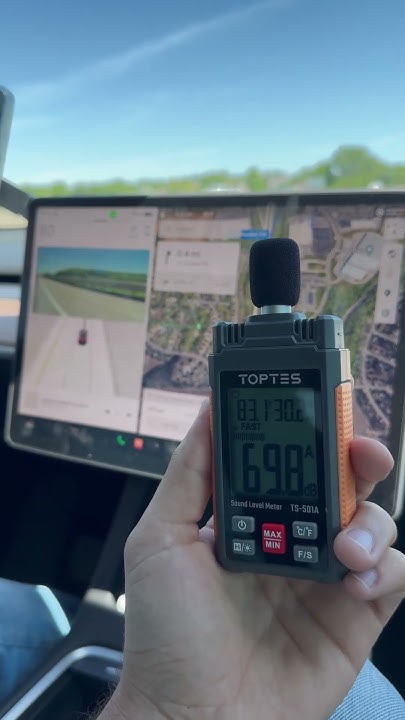
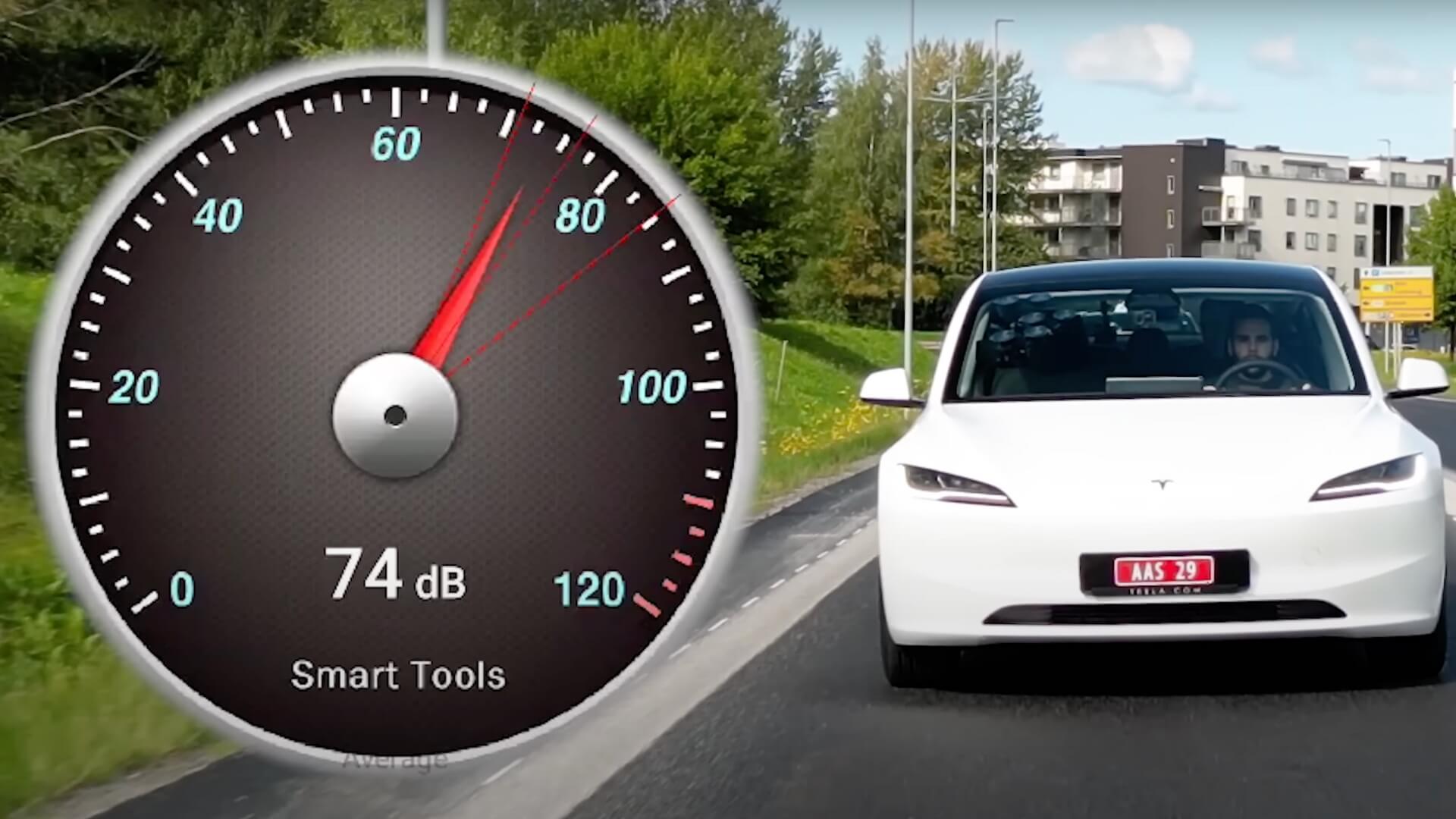
To appreciate the Model 3’s acoustic prowess, one must consider the broader automotive landscape. Most conventional sedans, even luxury models, register cabin noise levels between 65 and 75 decibels at 70 mph—a threshold where conversation becomes strained and fatigue sets in faster. Premium SUVs and performance cars often fare worse, with wind and road noise amplifying due to larger cabins and less aerodynamic profiles. The Tesla Model 3, by contrast, hovers around 58 to 62 decibels under identical conditions. This places it in the company of ultra-luxury vehicles and bespoke sound studios, not mass-market sedans. What’s more remarkable is that this silence isn’t achieved through brute-force insulation alone. It’s a symphony of balance—where every component, from the seatbelt buckles to the climate control vents, is tuned to minimize resonance. Even the infotainment system’s cooling fans are designed to operate at frequencies that avoid human hearing ranges, ensuring that the cabin remains a zone of auditory tranquility.
The Psychological Ripple: Why Silence Matters More Than You Think
Beyond the measurable decibels, the Tesla Model 3’s cabin noise reduction taps into a deeper psychological phenomenon. Human brains are wired to perceive silence not as emptiness, but as a canvas for focus and relaxation. Studies in cognitive psychology suggest that low-noise environments enhance concentration, reduce stress hormones like cortisol, and even improve reaction times. In a world where urban noise pollution is increasingly linked to chronic anxiety and sleep disruption, the Model 3’s cabin offers a fleeting escape—a pocket of calm in an otherwise cacophonous world. Drivers report feeling less fatigued on long trips, not because the journey is shorter, but because the mental load is lighter. There’s also an intangible sense of prestige that comes with such refinement. Silence, after all, is a luxury. It signals control, intention, and an uncompromising standard of design. When every detail is engineered to perfection, the absence of noise becomes as valuable as the presence of power.
Real-World Resonance: What Drivers Actually Experience
While lab tests provide objective data, the true testament to the Model 3’s acoustic excellence lies in real-world experiences. Owners frequently describe highway drives as “meditative” or “almost surreal,” where the only sounds are the subtle whir of the HVAC system and the occasional click of a turn signal. Parents with young children note that the reduced noise makes it easier to engage in conversation without shouting. Commuters trapped in traffic find the silence almost therapeutic, a rare moment of respite in a day otherwise filled with honking and engine idling. Even audiophiles, who might typically scoff at the idea of a “quiet” car, admit that the Model 3’s cabin provides an ideal environment for enjoying music or podcasts without distortion. It’s a testament to Tesla’s holistic approach: the car doesn’t just move you from point A to point B—it elevates the experience of being in transit.
Beyond the Basics: The Future of Cabin Acoustics in EVs
The Model 3’s achievements in noise reduction are not an endpoint, but a foundation. As electric vehicles proliferate and autonomous driving becomes more prevalent, the demand for ultra-quiet cabins will only intensify. Future Teslas, and EVs from other manufacturers, are likely to incorporate active noise cancellation systems—similar to those used in high-end headphones—paired with AI-driven sound profiling that adapts to driver preferences. Imagine a cabin that subtly adjusts its acoustic profile based on your mood: warmer tones for relaxation, crisper frequencies for alertness. There’s also the potential for “soundscaping,” where external noises like rain or city ambiance are gently introduced to enhance the driving experience without overwhelming it. The Model 3 has already proven that silence is a feature worth pursuing; the next frontier is making that silence intelligent, dynamic, and deeply personal.
The Tesla Model 3’s cabin noise test isn’t merely a technical footnote in its spec sheet—it’s a declaration of intent. In an industry often fixated on horsepower and zero-to-sixty times, Tesla chose to prioritize the unquantifiable: the quality of the journey itself. The result is a vehicle that doesn’t just transport you, but transforms the act of driving into an experience of refined stillness. On the highway, where the world blurs into streaks of color and light, the Model 3 offers something rare—a moment of pure, unbroken silence. And in that silence, we rediscover the joy of simply being present, undistracted, and free.