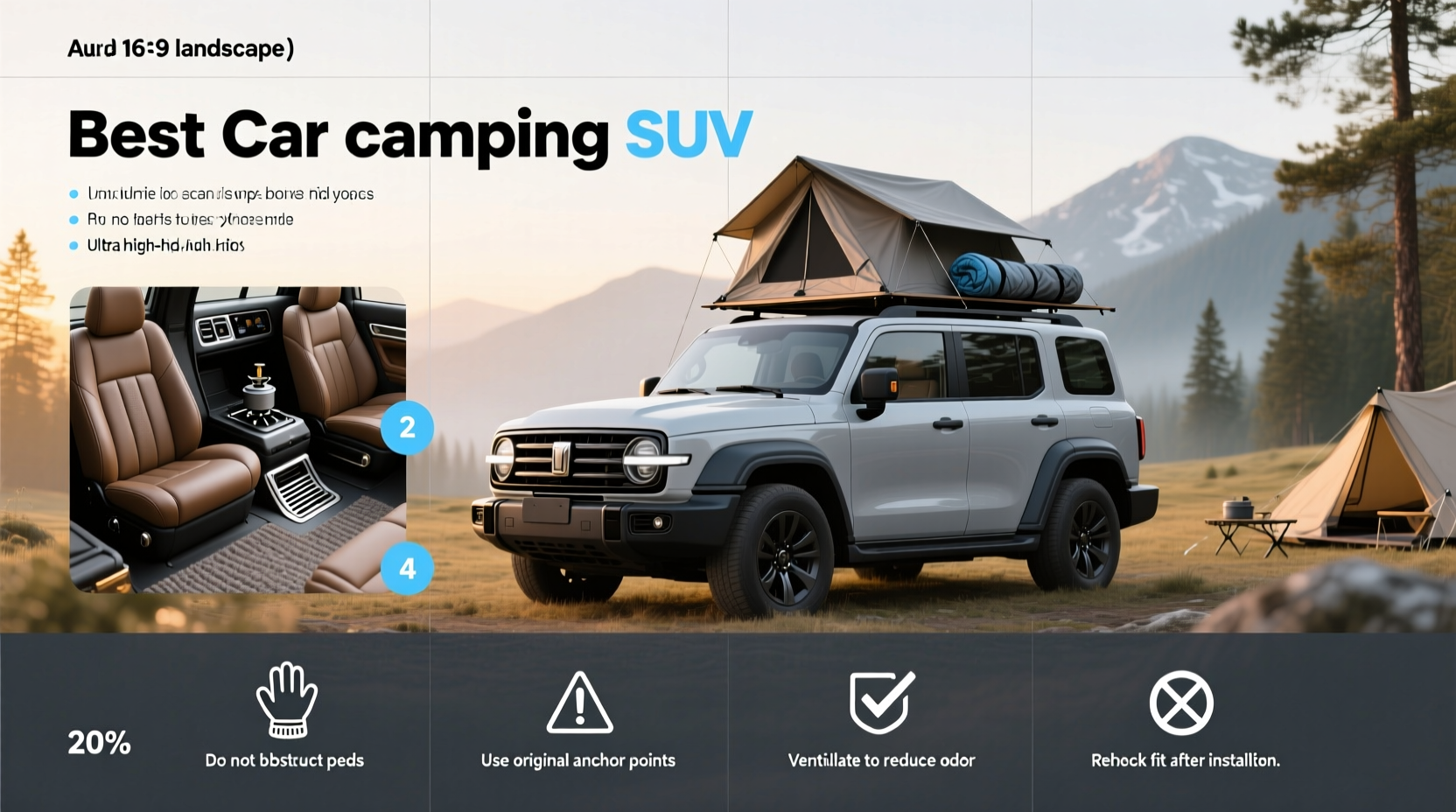
Choosing an SUV can feel like standing at the mouth of a long canyon, where every trail looks plausible from a distance. One path promises comfort, another swears it was forged for hauling, and a third whispers about style with the confidence of a spotlight. Yet the right SUV isn’t merely the one that looks best in a parking lot. It’s the one that fits your life so precisely that it becomes less of a purchase and more of a companion—steady through rainstorms, quiet errands, and the occasional long road where the horizon keeps widening.
This buying guide is built to help you navigate that canyon. Think of it as a compass made of practical questions: How do you move? How do you live? What will you ask the vehicle to endure? The more truth you collect, the easier it becomes to choose the right SUV—one that delivers capability without sacrificing the delicacy you want in everyday driving.
Begin with Your Life Map: Use, Not Wishful Thinking
Before comparing trims and feature lists, sketch your typical week. Are you commuting through stop-and-go traffic? Hosting weekend road trips? Towing a small trailer? Or do you primarily need a sturdy craft for school runs, grocery runs, and slippery sidewalks after a storm?
Start with three categories: daily driving, occasional adventures, and rare demands. For many buyers, the SUV’s “rare” demands—like towing or snow—should still influence the decision, but they shouldn’t eclipse what you experience most often. A well-matched SUV is like tailored clothing: it may be tested by extremes, but it’s appreciated in the ordinary.
Size Matters: Compact, Mid-Size, or Full-Size?
Size is more than a number; it’s geometry for your life. Compact SUVs often strike a sweet balance: easier parking, less fuel friction, and a nimble stance that feels like a confident shoulder-check in tight urban spaces. Mid-size SUVs usually add the luxury of room—especially for rear passengers and cargo. Full-size models, meanwhile, can be ideal if you regularly carry more people, more gear, or heavier loads.
Ask yourself a simple question: Do you need space occasionally, or consistently? If “consistently” wins, prioritize legroom and cargo volume even if it means a larger footprint. If “occasionally” wins, a compact or mid-size SUV may feel like the elegant solution—efficient, yet never cramped.

Drivetrain and Traction: Choose Your Grip on Reality
The drivetrain is where dreams become traction. Two-wheel drive can be sufficient for dry climates and mostly paved routes. But if your region often serves you icy mornings, steep inclines, or unpaved detours, all-wheel drive (AWD) becomes less of a “maybe” and more of a weather-proofing strategy.
Beyond the obvious, consider how the system behaves. Some AWD setups distribute torque reactively, which can feel smooth and efficient. Others provide more proactive engagement. If you’re near snow, rain, and variable traction, read about how the vehicle manages power under stress. A good drivetrain is like a calm conductor: it doesn’t panic when the tempo changes; it simply adjusts.
Engine and Performance: The Right Power Is the One You Can Use
More horsepower isn’t automatically better. An SUV’s performance should match your temperament—whether you want serene cruising or eager passing. For city driving, responsiveness at low speeds often matters more than peak power. For highways, consider acceleration when merging and maintaining speed.
Also weigh fuel economy. A fuel-sipping SUV can feel like a long-term savings account, while a thirstier model may be more satisfying only if your mileage patterns justify it. If you’re considering a hybrid or plug-in hybrid, examine charging options and real-world efficiency, not just marketing promises. In the end, the “right” engine is the one that won’t make you think about the fuel gauge every time you leave home.
Transmission and Driving Feel: The Difference Between Smooth and Slippery
Even with similar specifications, driving character varies widely. Automatic transmissions can differ in how they shift under load. Some feel seamless; others can feel slightly busy. If you can test-drive, pay attention to throttle response, gear hunting, and how the SUV behaves when slowing down for turns.
A smooth transmission is like good handwriting—legible, consistent, and never surprising. You want the vehicle to communicate its intentions clearly, so every maneuver feels deliberate rather than improvised.
Safety and Driver Assistance: Armor for the Mind
Modern SUVs often include a suite of driver-assistance technologies: collision mitigation, adaptive cruise control, lane-keeping, blind-spot monitoring, and more. These systems can reduce fatigue and enhance situational awareness, especially during long drives or monotonous commutes.
However, it’s crucial to understand what these features are and are not. They can assist, not replace. Consider how sensitive the systems are and how they alert you. A vehicle with well-calibrated assistance feels supportive, not distracting. Think of it as a guardian with good manners—present, attentive, and never overly dramatic.
Interior Comfort and Ergonomics: Where You’ll Spend Your Life
The SUV’s cabin should feel like a sanctuary, not a showroom set. Evaluate seating position, visibility, and how easy it is to reach controls without twisting your spine into a pretzel. Adjustable lumbar support can be a small detail with a large impact on daily comfort.
Materials matter, too. Soft-touch surfaces are pleasant, but durability matters more. If you have pets or frequent use, look for stain-resistant fabrics or practical surfaces that tolerate real life. Rear-seat comfort should also be tested: sit behind your driving position and measure the distance like a quiet scientist.
Cargo and Practicality: The Geometry of Convenience
Once you’ve filled the cup holders and folded the seats in your mind, cargo reality arrives. Evaluate trunk space, whether the liftgate opens wide enough, and how flat the cargo floor is when seats fold. If you carry sports gear, tools, or strollers, take note of tie-down points and the ease of securing items.
Also consider access. Some SUVs are easy to load from curb height; others require more effort depending on your stride and parking setup. Cargo convenience is the difference between “I’ll do it later” and “done in one pass.”
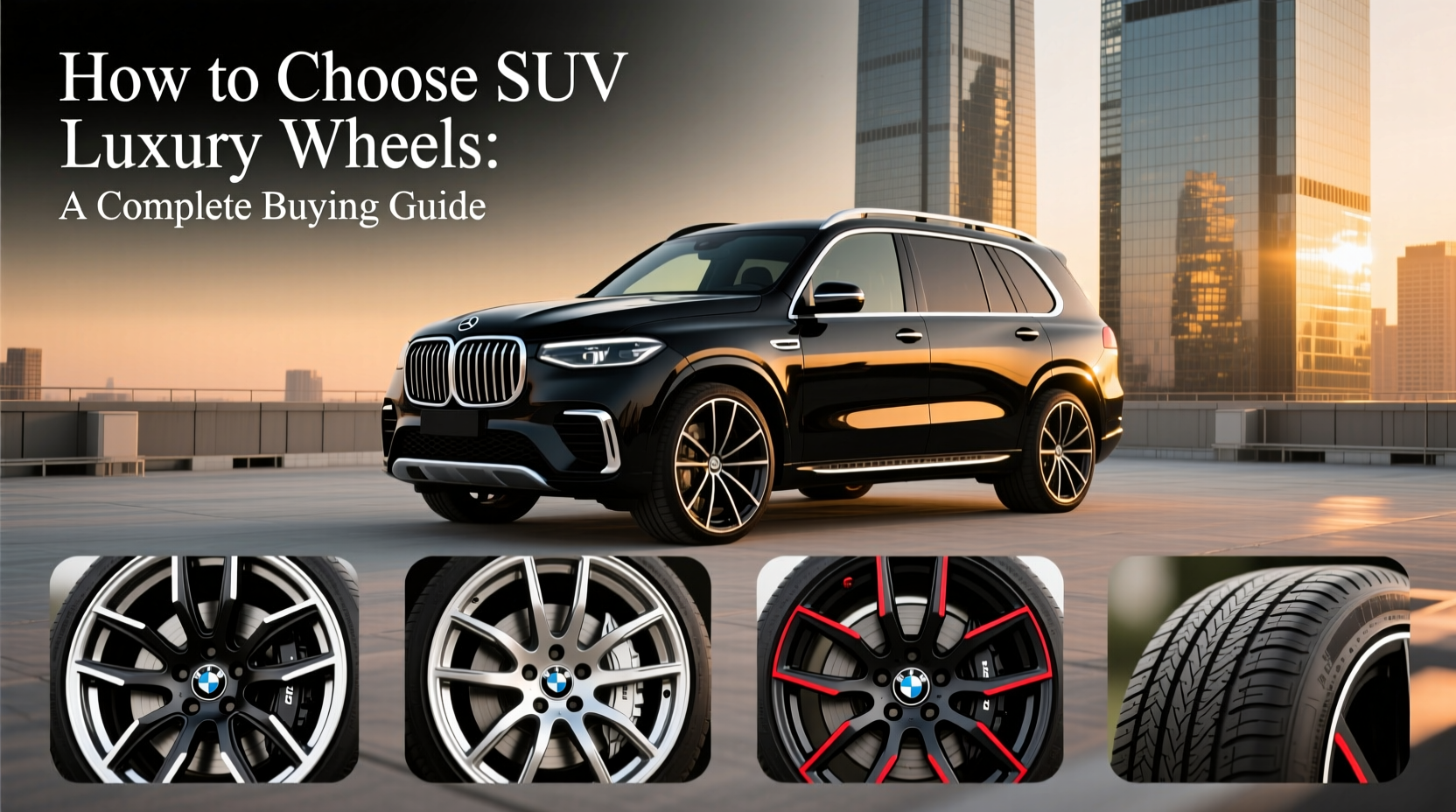
Wheels and Tires: The Hidden Personality of Your SUV
Wheels and tires influence ride comfort, handling stability, braking distance, and even cabin noise. Larger wheels can enhance visual presence, but they may also increase the likelihood of a harsher ride—especially on rough roads. Tire sidewall height plays a major role in how the SUV absorbs impacts.
If you prioritize comfort, consider how tire construction affects impact absorption. If you prioritize capability, assess tread patterns and load ratings. A well-chosen tire set is like choosing shoes for a marathon: the right design makes the journey feel effortless.
Technology and Infotainment: Tools, Not Toys
Infotainment systems can be delightful or frustrating depending on responsiveness and user interface. Look for intuitive menus, quick connection to your phone, and clear navigation. Bluetooth reliability and voice control matter more than flashy animations.
Consider how often you’ll use features while driving. If you frequently rely on navigation and hands-free calling, test these in motion during a controlled drive. A good system disappears into the background. It doesn’t demand attention; it earns it.
Ownership Costs: The Quiet Budget That Decides Everything
Pricing isn’t just the transaction. Insurance premiums, maintenance intervals, fuel cost, tire replacement frequency, and brake wear can all shift the true cost curve. A vehicle that feels great during the test drive can become expensive if it has high consumable costs or low fuel economy relative to your driving.
Review warranty coverage and consider how roadside assistance is handled. If you plan long-term ownership, prioritize durability signals: reputable service schedules, strong resale indicators, and parts availability. Think of ownership cost as the long shadow your SUV will cast. Better to measure it before you walk into it.
Test Drive Like a Detective: What to Feel and What to Listen For
A test drive isn’t a joyride; it’s a forensic inspection with pedals. Start with visibility: can you comfortably check blind spots? Next, evaluate acceleration response in a safe environment, then braking stability. Pay attention to steering feel—does it track straight, or does it wander on uneven pavement?
Listen for cabin noise at highway speed. Check for vibrations. Try turning the steering wheel lock-to-lock if allowed and notice any odd creaks or harshness. These details might seem minor, but they accumulate into an impression that either feels refined or reveals early flaws.
Finalize the Decision: Match the SUV to Your Future, Not Just Your Today
Life rarely stands still. Consider whether you’ll need more seats soon, move to a climate with more snow, or increase road trips. If you anticipate changes, a slightly higher capacity—cargo space, towing rating, or drivetrain capability—can prevent regrets later.
When the right SUV clicks, you’ll feel it in the way it fits your day. It’s not only the vehicle that feels poised; your routine feels supported. The best choice doesn’t merely solve transportation. It reduces mental clutter, replacing uncertainty with confidence.
Outro: The Right SUV Feels Like Momentum
Choosing an SUV is ultimately about alignment—between your habits and the vehicle’s strengths. Size that fits your life. Drivetrain that matches your climate. Performance that matches your expectations. Comfort, safety, and practicality that work together like a well-designed team.
When you select wisely, the SUV becomes less of a tool and more of momentum. It carries you through weather, errands, milestones, and the open road beyond your comfort zone. And that’s the real promise: not just a better ride, but a smoother journey through everything ahead.