Every few months, the same debate reappears outside dealerships and in parking lots: should you buy a 2026 sedan or a 2026 SUV? It sounds simple—until you live with the decision. On paper, it’s horsepower and cargo space. In reality, it’s comfort on long commutes, confidence when weather turns, and the quiet choreography of how you move through the day.
There’s also a deeper, often unspoken fascination at play. Sedans promise elegance and restraint, while SUVs trigger a kind of panoramic possibility—roominess of body, roominess of imagination. That pull isn’t just about fashion. It’s about the way each vehicle interprets everyday life: how it cushions your pace, how it frames the road ahead, and how it turns mundane errands into small expeditions.
So, let’s move beyond slogans. Consider the practicalities first, then address the subtler reasons people gravitate toward one shape or the other. By the end, you should be able to choose with clarity rather than momentum.
The first question: what do your weekends really look like?
Most buyers start with “what I need” and end with “what I want.” But the middle matters: your real routine. If your weekends are mostly city errands, school runs, and short drives to dinner, a sedan’s efficiency and ease of parking often feel like a revelation. Short overhangs, smaller turning circles, and lower step-in height can make daily life smoother than you expected.
If your weekends include camping, visiting relatives on less-than-perfect roads, or hauling gear that never quite fits in one bag, an SUV’s flexibility starts to look less like a luxury and more like an insurance policy. Rooflines that provide a commanding view, higher ground clearance, and configurable cargo layouts aren’t just features. They’re an invitation to carry more without turning the trip into logistics.
Ask yourself a blunt question: in a typical month, do you rearrange your lifestyle around the car—or does the car quietly adapt to your lifestyle?
Sedans and SUVs differ in posture, and posture changes everything. Many sedans use a lower seating position that feels stable and grounded. The result is often a calmer sensation over smoother pavement. You’ll notice it on long drives: less “bus-like” vertical motion, more of a composed, streamlined ride.
SUVs, by contrast, typically offer an upright seating position. This can feel reassuring, like you’re sitting higher than the weather and the traffic. Visibility often improves—especially in rain or bright glare—because your sightline clears obstacles sooner. Yet, SUV ride tuning varies widely. Some are tuned for comfort with soft suspension, while others emphasize handling response and may feel firmer over broken asphalt.
Here’s the nuance people overlook: the “better” ride is the one that matches your tolerance for vertical movement. If you’re prone to feeling cramped, the SUV’s generous cabin space can be curative. If you prefer a cocooned, lower, more enclosed feeling, a sedan may deliver exactly the kind of psychological ease you didn’t realize you craved.
Cargo volume is an easy headline. It’s the measuring tape marketing loves. But geometry is what you experience. A sedan’s trunk often has a clean opening and a predictable load floor. That makes groceries, luggage, and everyday items straightforward.
Many SUVs boast the advantage of cargo access and flexibility: split-fold rear seats, power liftgates, and wider openings for awkward items. If you regularly move sports equipment, strollers, or boxes of home improvement supplies, an SUV’s interior layout can save time and reduce frustration.
There’s also the “loading choreography.” With SUVs, you lift and place. With sedans, you slide and slide. Neither is universally better. Think about your back, your routine, and how often you’re handling weight alone.
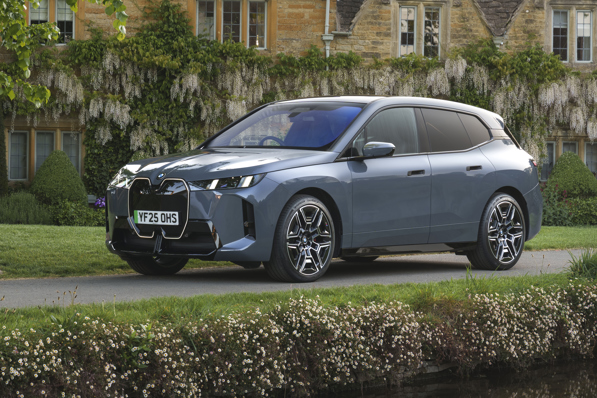
Buyers frequently compare sticker prices, then forget ongoing expenditures. Fuel economy is the headline, yes—but cost ownership is a web. Aerodynamics, vehicle mass, tire selection, and driving habits all contribute. Sedans, being generally lighter with sleeker shapes, often benefit from better efficiency on typical commutes.
SUVs may consume more, particularly when driven aggressively or loaded frequently. Still, the 2026 landscape includes electrified options and more efficient powertrains than previous generations. Some SUVs now feel closer to sedans in everyday energy management, especially in stop-and-go traffic where torque delivery can smooth the ride.
Consider your driving pattern: do you spend more time at highway speeds or in dense urban congestion? That answer can shift the math. Also remember insurance, which can differ by trim and vehicle category. A car that costs more upfront can still be cheaper to run—or vice versa—depending on your local context and usage.
Safety technology isn’t only about crash avoidance. It’s about your confidence in everyday moments—merging, navigating construction zones, and responding to sudden braking ahead. SUV drivers often report a feeling of control from the higher seating and broader field of view. This doesn’t prevent accidents by itself, but it can reduce mental strain.
Sedans often deliver a different kind of assurance: a lower center of gravity can feel more composed in corners, and the vehicle’s stability can inspire trust on winding routes. Modern driver-assistance systems—adaptive cruise control, lane centering, and automated emergency braking—matter in both classes, but the way you perceive risk can influence how often you rely on those systems.
Deeper reason: fascination isn’t irrational. People gravitate toward SUVs because they feel like a protective envelope for family life and unpredictable days. People gravitate toward sedans because they feel like a refined tool—precise, efficient, quietly confident.
Think about the days you don’t plan for. The sudden rainstorm that turns streets slick. The weekend gravel road that wasn’t listed in the directions. The snow that makes every curb feel higher than it is.
In those moments, an SUV’s higher stance and available all-wheel drive can be more than comforting; it can be a practical advantage. Clearance matters when obstacles appear without warning. Tire choice matters even more. A sedan can still be perfectly safe and enjoyable in most conditions, but if your region regularly tests traction, SUVs tend to match expectations more closely.
What’s worth remembering is that “capability” doesn’t only live in drivetrains. It lives in how the vehicle’s weight distribution and braking behavior respond under stress. A confident driver with well-matched tires often outperforms a cautious driver in a mismatched vehicle category.
The 2026 cabin experience is more than screens and connectivity. It’s about ambience: lighting, acoustics, and the way the dashboard organizes your attention. SUVs often offer a more “living space” feel, with higher ceilings and a sense of openness. This can make commuting less draining, especially for passengers.
Sedans may deliver a more focused, cockpit-like environment. Controls often feel closer and more deliberate, and the cabin can feel quieter due to aerodynamic profiling and vehicle packaging choices.
There’s a subtle psychological component here. Sedans tend to attract buyers who prefer a restrained elegance—vehicles that don’t demand attention every time you park. SUVs often attract buyers who want presence: a visual command on the road, and a cabin that feels ready for company, cargo, and spontaneous detours.
Many people make decisions after a short drive around the block. That’s useful, but it’s incomplete. Your best insight comes from imagining the car in context: the morning you’re rushing, the evening you’re tired, the day you need to carry something you forgot to plan for.
If you value efficiency, easy handling, and a smoother, more grounded ride feel, a 2026 sedan can be a rational delight. If you prioritize versatility, elevated comfort, and the confidence of space and clearance, a 2026 SUV can feel like a durable companion.
Also reflect on who will ride with you. Will the rear seats be used weekly? Does a passenger need legroom for long trips? If you frequently transport people, SUV spaciousness can turn into an everyday kindness. If you often travel solo or with light cargo, the sedan’s simplicity might win.
The final verdict: the “right” choice should reduce friction
There’s no universal winner between a 2026 sedan and a 2026 SUV. The better choice is the one that reduces friction across your typical week. Less friction means fewer annoyances: easier parking, more predictable cargo loading, smoother commutes, and a cabin that matches your temperament.
So here’s the most honest advice: don’t buy a car to confirm an identity. Buy it to make your days easier. The fascination you feel—sedan elegance or SUV spaciousness—isn’t a flaw. It’s a clue about what you’ll enjoy living with. Choose the vehicle shape that aligns with your reality, and you’ll stop debating and start driving.
When the keys go in the ignition and the road begins, you’ll feel it. The decision will stop being a question and start being a habit—in the best possible way.