The 2026 Kia Sportage and Hyundai Tucson are more than just siblings in the automotive world—they’re twin flames, flickering with the same DNA yet burning with distinct personalities. At first glance, they appear to be carbon copies, sharing platforms, engines, and even design cues. Yet, beneath the surface, they whisper different promises to different drivers. This isn’t just about choosing between two compact SUVs; it’s about aligning with a philosophy. Are you drawn to Kia’s bold, almost rebellious flair, or does Hyundai’s understated elegance resonate deeper? Let’s peel back the layers to uncover which of these automotive twins deserves a place in your driveway—and your heart.
The Illusion of Sameness: Why These SUVs Feel So Alike
Peering under the hood—or rather, the liftgate—reveals a startling truth: the 2026 Kia Sportage and Hyundai Tucson are built on the same underpinnings. The Hyundai-Kia Group, a titan in the automotive industry, has mastered the art of platform sharing, and these two SUVs are the poster children for that strategy. Both ride on the same Global Modular Platform (GMP), a technological marvel that ensures structural rigidity, ride comfort, and handling precision. The engines? Nearly identical. The transmissions? Virtually the same. Even the infotainment systems and driver-assistance features are siblings, raised in the same digital ecosystem.
This shared lineage explains why both SUVs feel so eerily similar in daily driving. They accelerate with the same vigor, brake with equal confidence, and corner with a composed poise that belies their affordable price tags. But here’s the twist: sameness isn’t stagnation. It’s efficiency. By leveraging the same architecture, both brands can pour more resources into refinement, ensuring that these SUVs don’t just meet expectations—they redefine them. The real question isn’t whether they’re different, but whether their differences matter enough to sway your decision.


Design Divergence: Where Personality Meets the Pavement
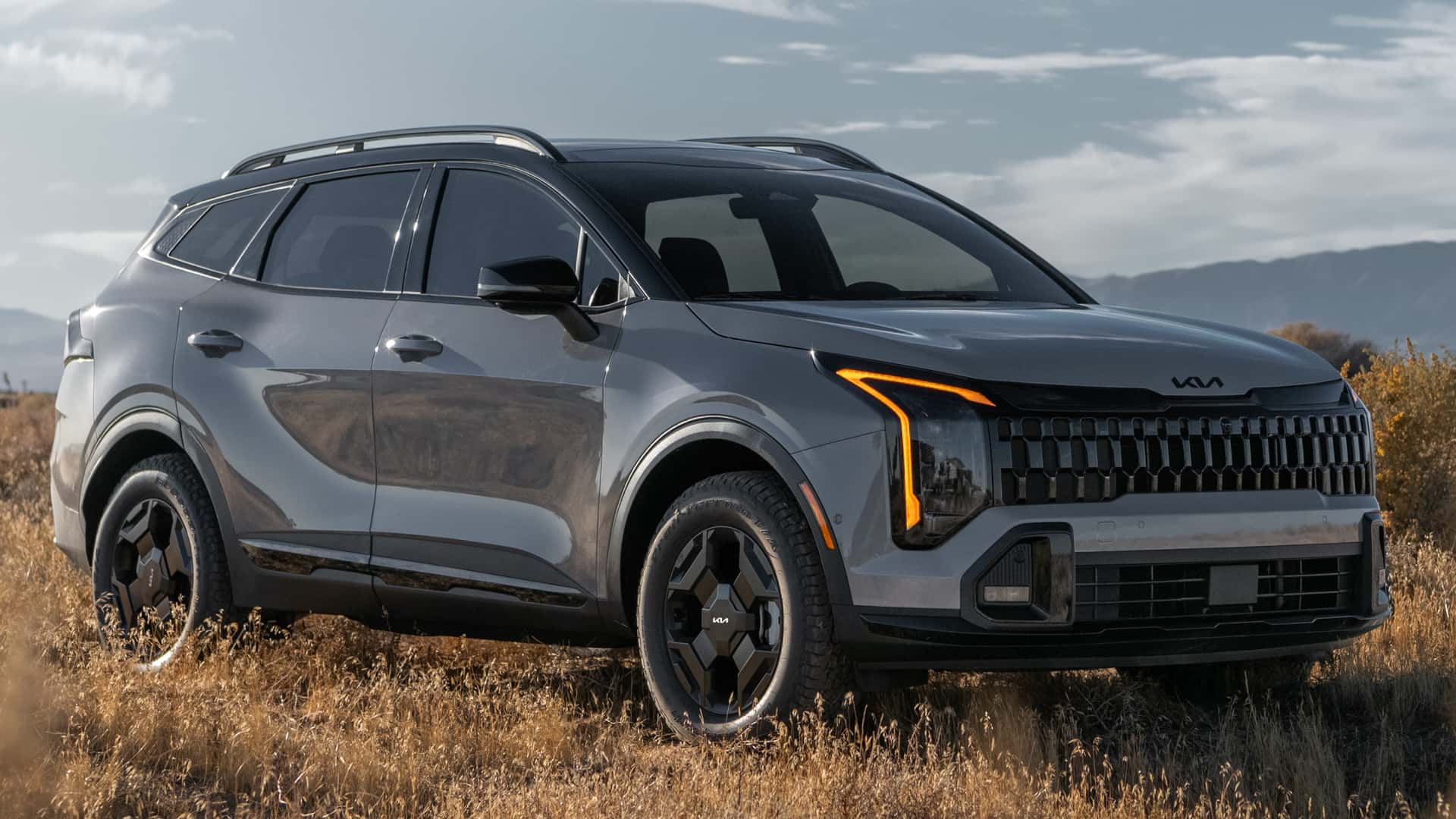
If the underpinnings are identical, then the soul of each SUV must lie in its design. And here, Kia and Hyundai take starkly different paths. The 2026 Sportage leans into a futuristic, almost cyberpunk aesthetic, with sharp creases, angular headlights, and a grille that resembles a digital display. It’s a statement—one that screams, “I’m not just a vehicle; I’m a lifestyle.” The Tucson, by contrast, adopts a more organic, flowing design language. Its curves are gentle, its lines are smooth, and its overall presence is one of quiet sophistication. It doesn’t shout; it murmurs.
This divergence isn’t arbitrary. Kia has cultivated an image as the brand for those who crave attention, while Hyundai positions itself as the choice for those who value subtlety. The Sportage’s design is polarizing—you’ll either love its audacious lines or find them overwhelming. The Tucson, meanwhile, appeals to a broader audience, offering a blend of elegance and approachability that feels timeless. Which design resonates with you? Do you want to turn heads, or do you prefer to blend into the background with effortless grace?
Interiors: Craftsmanship vs. Innovation
Step inside either SUV, and you’re greeted by a symphony of materials and technology. But the melodies they play are distinctly different. The 2026 Sportage’s cabin is a playground of innovation, with a curved dual-screen infotainment setup that harks back to a spaceship’s cockpit. The materials are a mix of hard plastics and soft-touch surfaces, with metallic accents that add a touch of luxury. Hyundai’s Tucson, however, takes a more traditional route. Its interior is a study in craftsmanship, with higher-quality materials, quieter cabins, and a layout that prioritizes ergonomics over gimmicks. The Tucson’s dashboard feels like a well-worn leather armchair—comfortable, inviting, and familiar.
This contrast extends to the driving experience. The Sportage’s cabin is a tech-forward environment, where every button and touchscreen is designed to dazzle. The Tucson, on the other hand, is a sanctuary of tranquility, where the focus is on reducing noise and enhancing comfort. Which do you prefer? A cockpit that feels like a command center, or a living room on wheels? The answer might reveal more about your personality than you’d expect.

Performance: The Thrill of the Drive vs. The Joy of Effortless Cruising
Beneath the sheet metal, both SUVs offer a range of powertrains, but their performance philosophies couldn’t be more different. The Sportage is all about thrill. Its turbocharged engines deliver punchy acceleration, and its suspension is tuned for a sportier ride, making every twist in the road feel like an invitation to engage. The Tucson, meanwhile, is the embodiment of relaxed confidence. Its engines are tuned for smooth power delivery, and its suspension is calibrated for a plush, almost cloud-like ride. It’s the kind of SUV that makes long road trips feel effortless.
This difference extends to towing and off-road capabilities. The Sportage’s more aggressive tuning means it can handle light off-roading with aplomb, while the Tucson is better suited for paved roads and highway cruising. Which performance profile aligns with your lifestyle? Do you crave the adrenaline of a twisty mountain road, or do you prefer the serenity of a straight, open highway?
Value Proposition: Which SUV Gives You More Bang for Your Buck?
At their core, both the 2026 Sportage and Tucson are value propositions. They offer a compelling blend of features, performance, and affordability that’s hard to match in their class. But when it comes to maximizing your investment, subtle differences emerge. The Sportage often comes with a more aggressive starting price, making it an attractive option for budget-conscious buyers who still want a SUV that feels premium. The Tucson, however, tends to offer more standard features for the money, particularly in higher trims. It’s the SUV for those who want to stretch their dollar further without sacrificing quality.
Resale value is another consideration. Historically, Hyundai has had a slight edge in this department, thanks to its reputation for reliability and customer satisfaction. But Kia has been closing the gap rapidly, particularly with models like the Sportage, which have earned top marks in dependability studies. Which factor matters more to you: upfront savings or long-term value?
The Unspoken Connection: Brand Loyalty and Emotional Resonance
Beyond the specs and features, there’s an intangible factor at play: brand loyalty. Kia and Hyundai may share a parent company, but they’ve cultivated distinct identities over the years. Kia is the brand for those who want to stand out, while Hyundai appeals to those who value reliability and understated excellence. This emotional resonance can be a powerful motivator when making a purchase. After all, cars aren’t just machines; they’re extensions of ourselves. Which brand’s ethos aligns with your own?
There’s also the matter of dealer experiences. Kia and Hyundai dealerships often have different approaches to customer service. Kia dealerships, for instance, are known for their aggressive sales tactics and flashy showrooms, while Hyundai dealerships tend to offer a more low-key, customer-centric experience. Which environment makes you feel more comfortable?
Final Verdict: Which SUV Deserves Your Signature?
The choice between the 2026 Kia Sportage and Hyundai Tucson isn’t just about which one is objectively better—it’s about which one feels right. If you’re drawn to a SUV that makes a statement, one that turns heads and sparks conversations, the Sportage is your soulmate. Its bold design, tech-forward cabin, and sporty performance are tailor-made for those who refuse to blend in. On the other hand, if you value elegance, comfort, and a more refined driving experience, the Tucson is the clear winner. It’s the SUV for those who appreciate the finer things in life without needing to shout about them.
Ultimately, both SUVs are winners in their own right. They offer a level of quality and innovation that’s rare in this segment, and they do so at a price point that’s accessible to a wide range of buyers. The real question isn’t which one is better—it’s which one speaks to you. So take them for a spin. Feel the road beneath you. Listen to the hum of the engine. And let your heart, not just your head, make the final decision. After all, the best car for you isn’t the one with the most impressive specs—it’s the one that makes you feel alive.