Imagine your driveway as a two-lane river. One lane is reserved for electrons—quiet, immediate, and brimming with potential. The other lane is fueled by ingenuity—an engine that never fully steps out of the picture, smoothing the flow when the electric current grows scarce. This is the choice hiding behind a question many drivers now ask with increasing urgency: Should you buy a 2025 plug‑in hybrid, or a full hybrid?
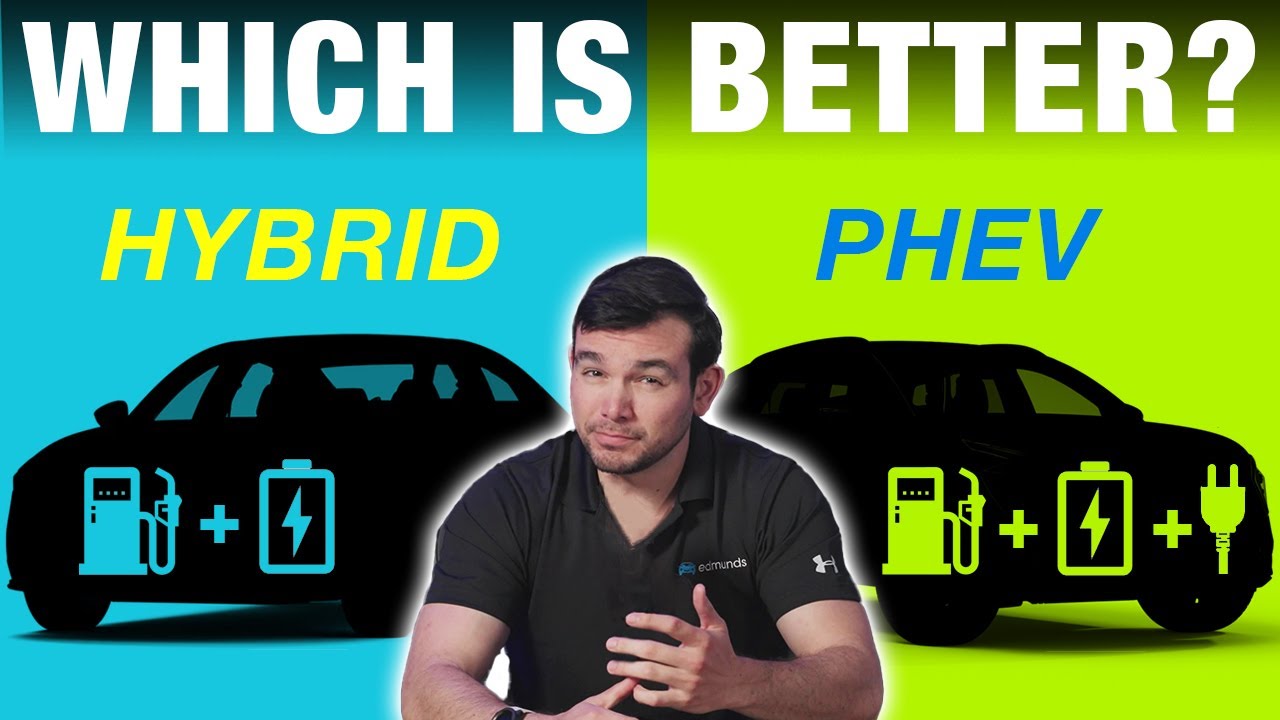
Both options promise efficiency and a lighter environmental footprint, but they do so with different rhythms. A plug‑in hybrid (PHEV) is a rehearsed performance—charge it before the show, and it leans heavily on electricity. A full hybrid (HEV) is more like an improvisational jazz set—no charging cable required, but the vehicle constantly negotiates between gasoline and electric power as conditions demand.
Deciding isn’t just a spreadsheet exercise. It’s a lifestyle decision, a travel‑pattern diagnosis, and sometimes a philosophical bet on what kind of driver you want to be.
Two kinds of electrification: the “battery on standby” vs. the “battery in motion”
A useful metaphor: a PHEV is like carrying an umbrella you can deploy instantly when the sky changes. If you’ve prepared—by plugging in—you’re ready for longer stretches of electric driving. A full hybrid is more like a waterproof jacket you don’t remember you own until you need it. It doesn’t depend on a socket. It depends on momentum, heat management, and intelligent power blending.
In practical terms, PHEVs typically have a larger battery and can travel a meaningful distance on electricity alone. When the battery is full, the car behaves like an electric vehicle with a clever backup plan. Full hybrids generally have smaller batteries and prioritize continuous optimization. They harvest energy while driving and use the electric motor to assist the engine, especially at low speeds and during acceleration.
Neither approach is “better” in the abstract. The best fit depends on how often you can charge, how far you drive between fuel/charge opportunities, and how much you value the sensation of silent motion.
The charging factor: convenience you schedule vs. convenience you never need
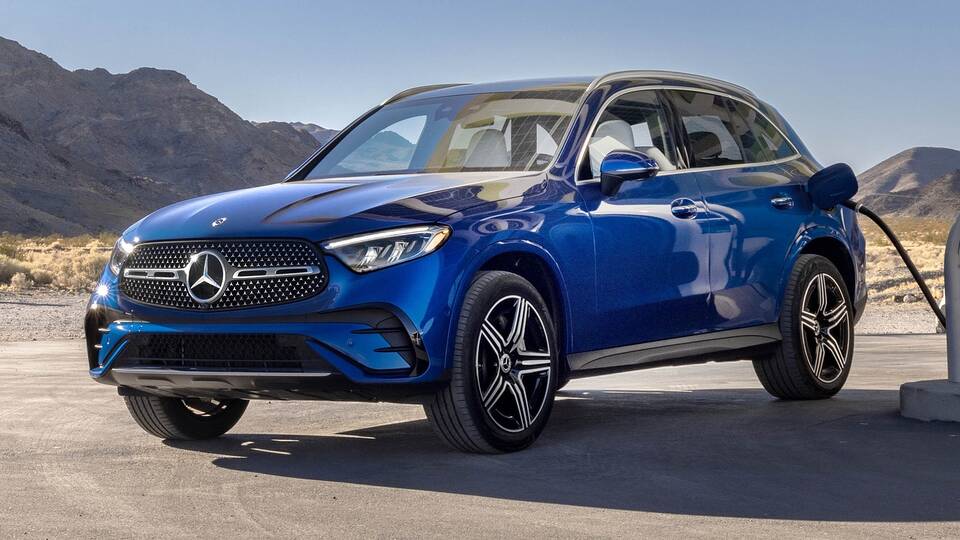
Plug‑in hybrids thrive on routine. If your day includes predictable routes—commutes, school drop‑offs, errands clustered near home—charging becomes an effortless ritual. Picture your charger as a nightly ink stamp: every evening, you seal your next day’s mobility with electricity. By morning, the car is preconditioned to operate with greater electric dominance.
Full hybrids, in contrast, remove the need for charging infrastructure entirely. This matters more than people expect. A charger is not merely hardware; it’s a choreography. Your parking spot, your access reliability, the cost of electricity where you live, and even the reliability of your schedule all play roles.
If charging access is uncertain—or if your lifestyle is sporadic and travel-heavy—full hybrid ownership can feel liberating. It’s like buying a smart thermostat rather than relying on remembering every weather forecast. The car adapts without asking you to plug it in.
Daily driving reality: short trips, long trips, and the “use-case geometry”
Your driving pattern determines which hybrid type performs like a virtuoso. Short, stop‑and‑go trips are a playground for electric propulsion. PHEVs can exploit that advantage when their batteries start the day full. Many drivers notice a distinctive feel: smoother throttle response, near‑silent creeping, and less engine time in neighborhood traffic.
Full hybrids also shine in town, but the balance is different. The electric motor assists, yet the system still uses the engine more predictably because it must continually replenish the battery through regenerative braking and engine‑driven generation.
Longer trips shift the equation. Here, a PHEV can still be efficient, especially if you plan charging stops. However, if you rarely plug in, the PHEV can become more like a full hybrid with a larger battery you’re no longer regularly using for electric-only distance. The advantage you expected may blur.
So consider the geometry: Are your days shaped by predictable loops, or are they long arcs with changing destinations? A PHEV is tailor‑made for predictable patterns. A full hybrid is built for spontaneity.
Fuel economy and energy strategy: what “efficiency” actually means
Efficiency isn’t a single number. It’s a strategy for how energy is metered, stored, and recovered. PHEVs introduce a powerful lever: electricity from the grid. If your electricity rates are favorable and you routinely charge, overall energy cost can drop meaningfully. The battery becomes a reservoir you fill cheaply—ideally when demand is low and the grid is humming.
Full hybrids focus on maximizing internal efficiency. They convert gasoline to motion more intelligently through regenerative braking, engine downsizing and optimization, and the seamless handoff between power sources. There’s less dependence on external energy markets, which can be comforting for drivers who don’t want to measure “charge economics” every week.
Think of it this way. A PHEV lets you “shop” for energy by choosing when you charge. A full hybrid uses a more “always-on” approach—you pay at the pump, but you pay in an optimized way.
Driving feel and soundscape: the emotional engineering of power delivery
Some cars simply feel quiet. Not merely in noise levels—quiet in motion, in the absence of mechanical fuss. PHEVs often deliver this sensation more often because the battery can run the motor without frequent engine intervention. The result can be a calm, almost weightless glide at low speeds.
Full hybrids have a different texture. The engine may start and stop more frequently than a traditional car, but it will still participate as part of an ongoing negotiation. Drivers often describe the feel as “connected”—less like turning on a new mode and more like a consistent, blended movement.
Neither is emotionally superior. But one might fit your personality: Do you want the thrill of electric silence when possible, or do you prefer the seamless, always‑ready logic of a hybrid that doesn’t rely on plug-in preparation?
Long-term practicality: ownership costs, battery considerations, and resale confidence
Ownership is a long conversation, not a single test drive. PHEVs include a larger battery system and the expectation that you’ll use it. The value of that setup rises if you maintain charging habits and actually drive the range that the electric capability promises.
Full hybrids typically have fewer ownership “variables.” No charging cable means fewer opportunities for forgotten appointments—fewer logistics, less dependence on external charging reliability. That simplicity can strengthen resale confidence for buyers who want predictable usability.
Battery health questions are common, but modern hybrid and plug‑in systems are engineered for longevity through sophisticated thermal management and charge control strategies. Still, the real-world determinant is behavior: consistent, moderate charging practices generally beat extremes.
If you’re the kind of driver who likes to plan and optimize, a PHEV can reward you. If you prefer a low-maintenance equation, a full hybrid often behaves like a steady compass.
Environmental impact: beyond tailpipes, into the full lifecycle narrative
It’s tempting to reduce environmental impact to the last breath of exhaust. But the story is broader. A PHEV can be cleaner in daily operation when charged with lower‑carbon electricity. It can also reduce fossil fuel burn substantially during the most common miles—especially those short, electric-friendly errands.
Full hybrids reduce emissions by increasing efficiency and using the electric motor to capture energy that would otherwise be wasted. Their gains are often immediate and consistent without requiring grid electricity.
Both are steps forward. The differentiator is how much of your driving can be done in electric mode, and what your local electricity mix looks like. In other words, the environment benefits from your routine as much as from the vehicle itself.
Making the choice: a checklist that feels like self-knowledge
Use this as a quick diagnostic. If you answer “yes” to most of the following, a 2025 plug‑in hybrid may be your match:
• Do you park at home or work with reliable charging access?
• Are your typical trips short enough to be completed electrically?
• Do you enjoy maximizing efficiency through routine?
• Would you miss the option of silent electric driving?
Choose a full hybrid if these fit your reality:
• Do you often travel away from charging opportunities?
• Is charging access uncertain or inconvenient?
• Do you want straightforward ownership with no cable choreography?
• Do you value dependable efficiency without lifestyle requirements?
There’s no moral hierarchy here. There’s only fit.
Visualizing the decision: the road ahead as a dashboard of intention
When you picture your next year of driving, imagine the dashboard as a metaphorical lantern. For some drivers, the plug‑in becomes a daily source of light—fuel transformed into electricity, stored like calm fuel for the morning commute. For others, the full hybrid acts like a lantern powered by motion itself—always generating advantage without asking you to plug in.
Conclusion: the best hybrid is the one that matches your rhythm
Should you buy a 2025 plug‑in hybrid or a full hybrid? The answer lives in the beat of your life. A plug‑in hybrid is for drivers who see charging as a reasonable ritual—an everyday opportunity to let electricity take the lead. A full hybrid is for drivers who want efficiency without extra steps—an elegant arrangement where the car handles the energy balancing on your behalf.
Whichever you choose, you’re not just selecting a powertrain. You’re choosing a relationship with the road: one that either begins with preparation and electric quiet, or one that continues with adaptive intelligence and effortless readiness.
In the end, the most intriguing part of both options is their shared promise: modern mobility doesn’t have to be loud to be powerful. It just has to be right for you.