You’ve got two keys in your hand, two shiny destinies in your garage-bound future. One key turns toward a 2025 compact car—sleek, efficient, and politely unassuming. The other pulls you into the slightly higher world of a small SUV, where the seating feels more upright and the view looks a touch wider. So here’s the playful question: are you shopping for a vehicle, or are you auditioning for a lifestyle?
Before you start imagining road trips and sunrise commutes, there’s a potential challenge lurking in plain sight. Compact cars and small SUVs can overlap more than you’d think—especially in pricing, tech, and even cabin comfort. That overlap can make the choice feel like a coin toss performed with a blindfold. The trick is to decide which trade-offs you’ll enjoy living with, not just which badge looks better in a parking lot.
Let’s unpack it step by step—practicalities, performance, space, ownership realities, and the intangible “vibe” that quietly drives many purchase decisions.
First, define your daily mission
A car is not a trophy. It’s a tool that becomes part of your routine. The smartest way to choose between a 2025 compact car and a small SUV is to describe your average day in verbs.
Do you spend most mornings on tight urban streets and hunt for parking spots like a friendly raccoon? If yes, compact cars often feel like they’re made for choreographed city movement—shorter overall lengths, easier maneuvering, and less drama at the curb. Meanwhile, small SUVs can still be nimble, but their extra height and typically wider stance can turn “easy parking” into “selective parking.”
But if your schedule includes rough roads, steep driveway angles, or frequent weekend escapes—where gravel shoulders, puddles, and road salt do their own chaotic artwork—then a small SUV’s ground clearance and elevated stance may feel like a sensible advantage.

Space: the illusion of room vs. real utility
Compact cars are often underestimated. They can deliver an impressively usable cabin, especially when the design squeezes clever geometry from every inch. You might feel it in the form of a tidy trunk, a well-shaped rear seat, or the way smaller packages—strollers, gym bags, groceries—slide into place without requiring gymnastics.
Small SUVs, however, frequently win at “perceived space.” The higher seating position makes the cabin feel airier. Rear occupants may enjoy easier ingress and egress too, with fewer contortions required when stepping in and out. Cargo area shapes also tend to be more boxy, which can translate into better fit for oddly shaped items.
Here’s the part that matters: don’t compare numbers on a brochure alone. Imagine your actual cargo. If you move bulky items regularly or carry passengers with messy schedules, the small SUV’s versatility can be the deciding factor. If you mainly transport yourself and a small circle of passengers, the compact car’s efficient layout may be more than enough.
Driving feel: steering calm or viewpoint confidence?
Compact cars typically offer a more car-like driving experience. Steering response often feels sharper and more connected. The suspension may be tuned for flatter cornering and predictable handling at city speeds. Even when the ride is firm, it can feel “honest,” like the chassis is telling the truth without exaggeration.
Small SUVs generally prioritize composure over sportiness. The steering can feel slightly lighter or less aggressive, designed for relaxed commuting rather than spirited hustling through back roads. Yet the elevated seating offers a viewpoint that reduces stress during merges and gives better sightlines over traffic.
Think about which kind of comfort you want: the comfort of precision, or the comfort of visibility. One is a quiet satisfaction. The other is a reassuring confidence.
Fuel economy and efficiency: where the math becomes emotional
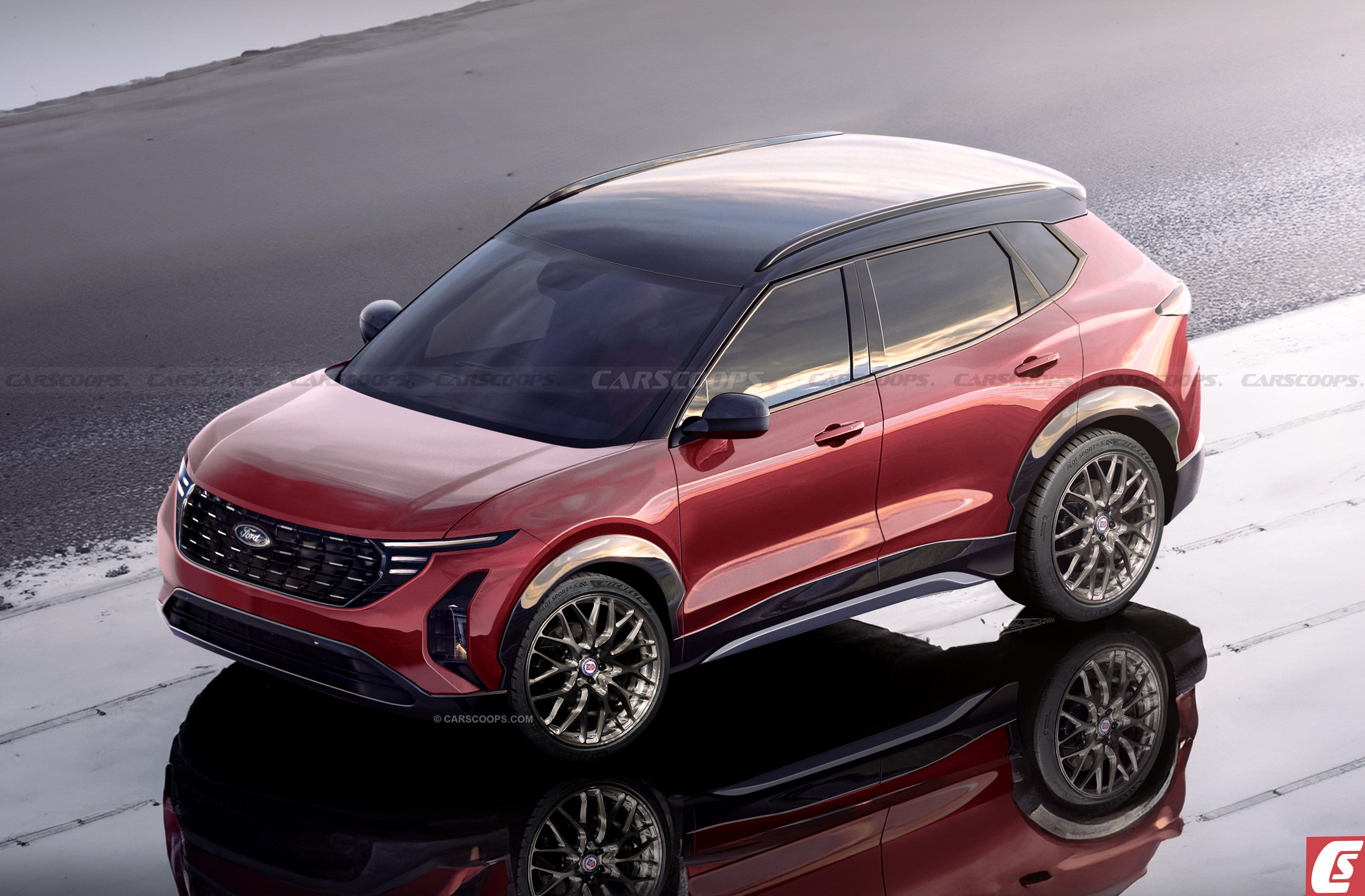
Fuel costs aren’t just numbers; they alter your mood at the pump. Compact cars often shine here. Their lower mass and lower frontal area can translate into more favorable real-world efficiency. If your commute is long, frequent, or traffic-heavy, the compact car can feel like a steady companion—less expensive to keep, less guilt attached to weekend errands.
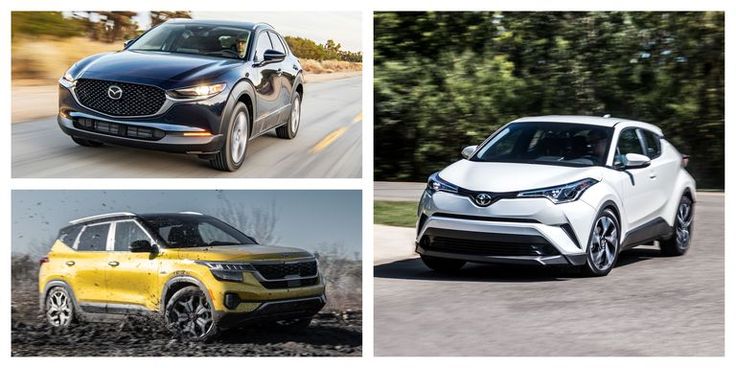
Small SUVs have improved dramatically in recent years. Many offer efficient powertrains and even mild-hybrid or hybrid variants, depending on the model. Still, the practical reality is that the SUV lifestyle usually costs a bit more at the fuel dispenser.
To decide, run the scenario that fits your life. Estimate mileage, typical driving conditions, and whether you value efficiency enough to accept slightly less “zoom” or less immediate agility. Efficiency is sometimes the king of minor sacrifices.
Technology and safety: the same gadgets, different ergonomics
Modern compact cars and small SUVs both arrive wearing similar tech wardrobes: touchscreen infotainment, smartphone mirroring, driver assistance systems, and connectivity features that turn commutes into mildly interactive experiences.
But gadget ownership is not only about features—it’s about ergonomics. A compact car may provide a more driver-focused cockpit, keeping controls within a comfortable reach. A small SUV often offers a more upright dashboard layout, which can help reduce the feeling of “leaning in.”
Safety systems also deserve a careful read. The presence of collision warnings, automatic braking, lane assistance, and blind-spot monitoring matters. Yet the real test is how well the system behaves in everyday conditions—rain, glare, low-speed traffic, or highway merging. A good safety suite should feel like backup, not like annoyance.
Cost of ownership: the hidden plot twist
The purchase price is the opening chapter. Ownership is the whole book. Insurance can vary widely by trim and model, and SUVs are sometimes priced higher to insure due to their size and perceived risk profile. Maintenance schedules and parts costs also can differ, even within the same market segment.
Resale value is another character in the story. Some compact cars hold value strongly due to brand reputation and demand for efficient daily transportation. Certain small SUVs can also be hot commodities because buyers love versatility, but the market often swings with style trends and engine preferences.
Before you sign, check local ownership reports, warranty coverage, and typical repair costs for the engines and transmissions offered. This is not glamorous. It is, however, the difference between “great buy” and “surprise surprise.”
Comfort and visibility: the intangible deciding factor
A small SUV’s higher seating can feel like an instant stress reducer. Many drivers find it easier to spot obstacles, read traffic flow, and stay oriented in busy intersections. The sensation is subtle—like choosing a chair that supports your posture without you fully noticing.
Compact cars can be equally comfortable, particularly if they offer supportive seats and quiet cabins. Some compacts feel surprisingly refined at highway speeds, reducing fatigue over long stretches. And because they’re lower, they can also feel more stable in crosswinds, depending on the specific design.
The best approach is simple: sit in both. Adjust the seat. Test the steering wheel reach. Check visibility over the hood and into mirrors. If one position makes you breathe easier, that’s data too.
So, should you buy a 2025 compact car or a small SUV?
If your life is mostly urban, your parking is tight, and you crave efficiency with a more agile driving feel, a 2025 compact car may be the perfect fit. It can behave like a practical pocketknife—small, precise, and ready for daily tasks.
If your routine includes uneven roads, frequent passengers, and a stronger desire for upright comfort and versatile cargo space, a small SUV may be the smarter emotional choice. It’s more like an adaptable toolkit—still compact enough for everyday use, but ready for real-world variety.
Here’s the playful challenge to end on: try to predict the version of yourself six months from now. Will you be happier optimizing fuel bills and enjoying nimble maneuvering? Or will you be happier knowing your view is elevated and your space is flexible?
Final thoughts: make the choice that feels effortless
The right vehicle rarely feels like a compromise. It feels like it belongs to you. Compare real-world dimensions, test the seating position, evaluate your commute patterns, and look beyond brand slogans. Whether you choose a compact car or a small SUV, the goal is the same: a purchase that turns everyday driving into something smoother—less stressful, more satisfying, and surprisingly personal.