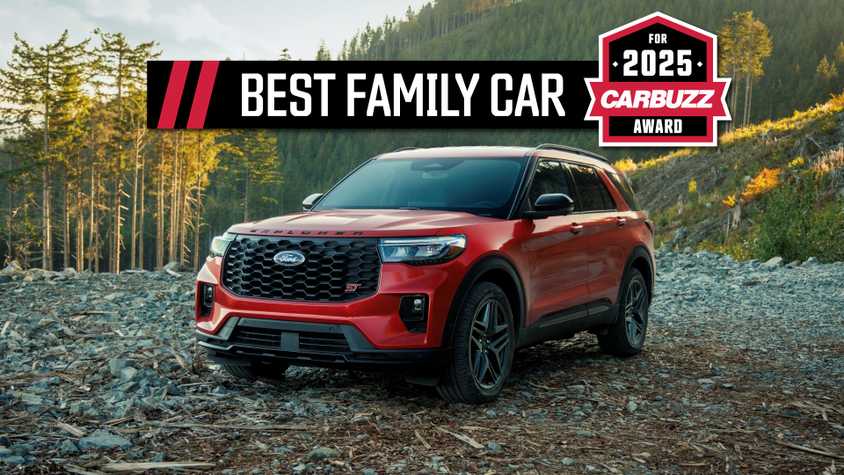
There’s a particular kind of quiet that settles in when a family car is no longer a negotiation between traffic and attention. Not a silent cabin—just the absence of constant mental load. In 2025, hands-free driving technology is no longer confined to glossy demos and carefully choreographed highways. Systems such as Ford BlueCruise and GM Super Cruise are reshaping expectations: the drive becomes steadier, the commute becomes more breathable, and the daily choreography of lane changes, speed matching, and long-road endurance begins to feel less like work and more like rhythm.
This shift in perspective is subtle at first. You notice your shoulders drop. You catch yourself watching the road ahead instead of policing it. Then the bigger question creeps in: What does “hands-free” actually mean for real family life—school runs, weekend detours, and the unpredictable choreography of modern roads? Curiosity is warranted. The best 2025 family cars with hands-free driving don’t merely offer advanced driver-assistance. They turn advanced assistance into a trustable routine—carefully bounded, consistently guided, and designed to help drivers stay composed.
Hands-Free Driving in 2025: From “Nice Feature” to Daily Companion
Hands-free technology in 2025 is best understood as a partnership rather than a replacement. The vehicle can manage certain driving tasks under specific conditions, while the driver remains responsible for oversight. That distinction matters, because it frames expectations correctly—and in family settings, correct expectations are a form of safety.
Systems like BlueCruise and Super Cruise typically rely on a combination of camera monitoring, vehicle sensing, and high-definition mapping to know where the car can safely take over specific longitudinal and lateral control. Some roads are supported more reliably than others. When the conditions align, steering and speed can be managed with an almost disarming smoothness. When they don’t, the car prompts the driver back into full control.
For families, this isn’t just convenience. It’s cognitive bandwidth. Less gripping the wheel becomes more observing traffic flow, planning merges, and reacting to surprises. A calmer driver transmits calm to everyone inside the cabin—especially on those long stretches where patience tends to fray.
Ford BlueCruise in 2025: A Family-Friendly Approach to Hands-Free Confidence
Ford’s BlueCruise represents a particular philosophy: make hands-free capability feel natural, not theatrical. The system is designed to guide rather than overwhelm. That design choice becomes especially relevant for parents managing multiple priorities—navigation, kids’ snack distribution, and the quiet dread of late exits.
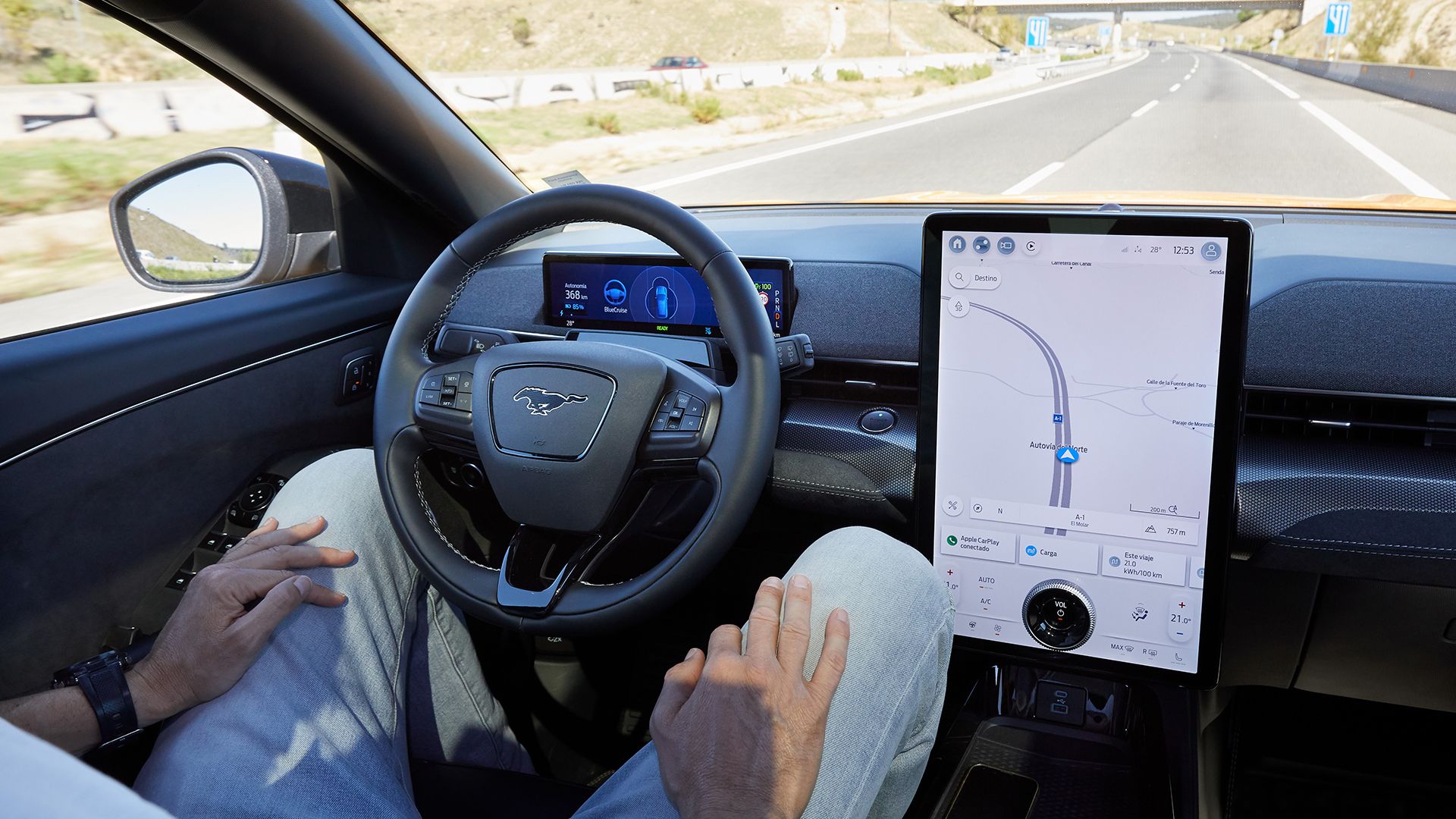
BlueCruise can offer steering and speed assistance on mapped compatible roads, turning frequent lane centering into a steadier baseline. The result is a driving experience where the vehicle reduces micro-corrections that normally demand constant attention. Instead of fighting small drift tendencies or constantly “re-centering” mentally, the driver can maintain a broader awareness.
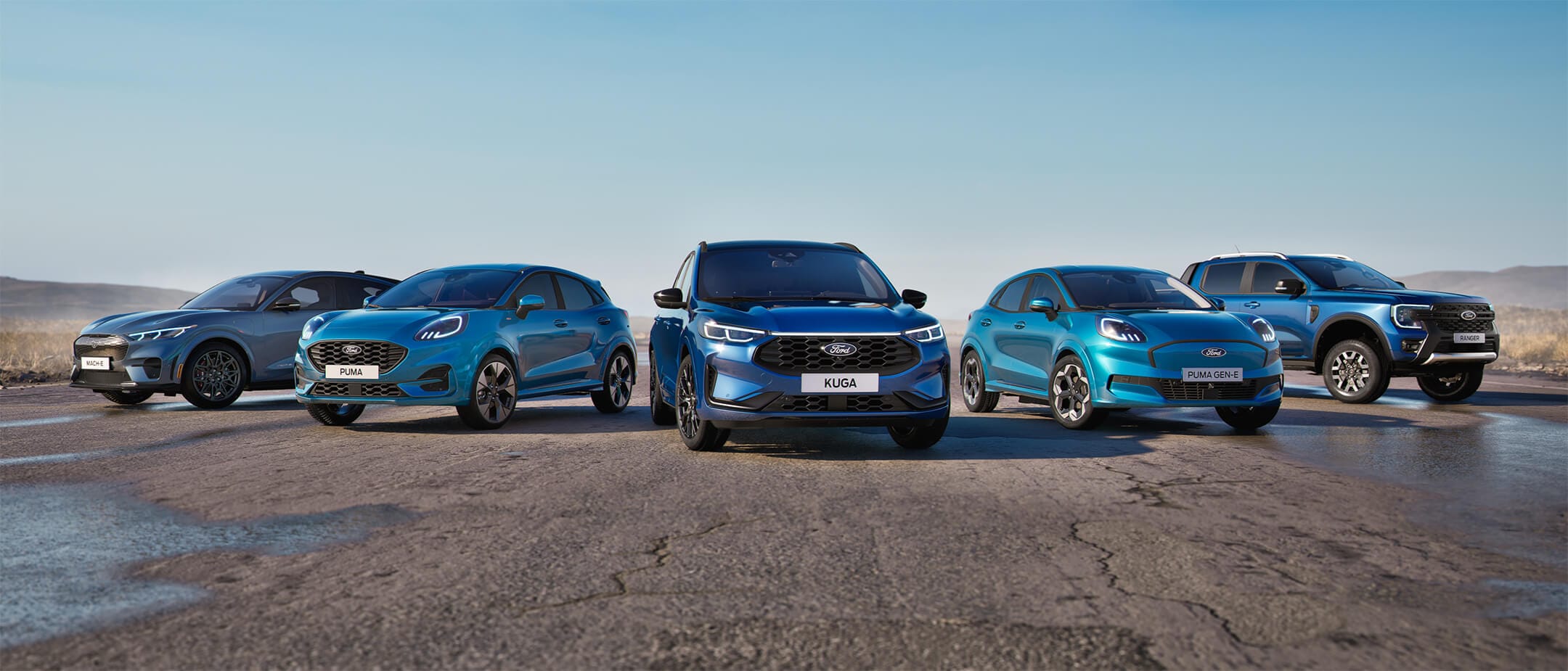
Still, BlueCruise isn’t an “anywhere anytime” promise. It’s a curated capability that depends on road compatibility and driver monitoring. That limitation is not a weakness; it’s part of what makes it feel dependable. When a system is honest about its boundaries, it earns trust. Families don’t need magic. They need predictable behavior.
GM Super Cruise in 2025: Highway Flow, With a Watchful Eye
Super Cruise’s appeal is its focus on long-distance highway comfort. It’s built around the idea that many drivers endure highways not because they enjoy them, but because they tolerate them. Super Cruise aims to convert tolerance into flow.
Under supported conditions, the system can provide hands-free driving assistance, including steering control and adaptive speed behavior. The driver’s role becomes more supervisory—monitoring the environment and responding when needed. For family use, this can translate into fewer “attention spikes” during monotone stretches.
However, the most important aspect for 2025 buyers is not the headline claim. It’s how well the system communicates. Alerts, prompts, and driver monitoring cues must be clear and timely, especially when children are asking questions or when the vehicle passes through changing traffic density.
Super Cruise shines when the route and conditions are cooperative. That’s why route planning, road coverage awareness, and realistic expectations should be treated like pre-trip essentials—just as important as checking tire pressure.
The 2025 Family Car Shortlist: Where Hands-Free Meets Practicality
When choosing among the best 2025 family cars with hands-free driving, the real test is balance. A family car must do more than handle steering duties. It should offer comfortable seating, flexible cargo space, intuitive infotainment, and safety systems that work in concert with hands-free features.
Here’s how the top candidates generally align:
1) Spaciousness that doesn’t feel like a compromise. Room for car seats, strollers, and the daily spillover of family life.
2) A calm ride that reduces fatigue. Hands-free systems help, but a stable chassis and well-tuned suspension keep the driver rested.
3) Driver-assist integration that feels cohesive. The hands-free function should align with lane behavior, adaptive cruise, collision avoidance, and blind-spot awareness.
4) Good driver monitoring behavior. If the vehicle monitors attention in a way that feels fair—rather than twitchy—families adapt faster.
In 2025, those traits tend to cluster in larger mainstream models and premium-oriented trims. Often, the hands-free feature is tied to specific packages. The best buying strategy is to treat hands-free capability as one ingredient in a larger recipe: safety, comfort, and usability.
What “Hands-Free” Really Promises: Clarity, Not Illusion
Hands-free driving makes a promise—but it’s a promise with a boundary line. The most valuable promise is improved management of routine highway tasks: lane centering stability, smoother speed changes, and reduced steering workload when the system is active.
For families, the promise is often experienced as less fatigue. Less fatigue means better decision-making. Better decision-making is the real safety multiplier—especially when the car must handle unpredictable inputs like sudden merges, construction zones, or a child suddenly calling for attention.
At the same time, the vehicle doesn’t remove responsibility. It transfers tasks, not accountability. The driver must remain ready. This is where curiosity can become empowerment: understanding how the system behaves helps avoid surprises. Reading the prompts, recognizing the difference between “assistance active” and “assistance paused,” and practicing a safe, attentive posture turns skepticism into confident familiarity.
Choosing the Right Route and the Right Conditions
The best hands-free experience in 2025 is usually a highway experience. But not every highway is equal. Mapped coverage, weather, road markings, and traffic patterns matter. Heavy rain, snow, glare, or faded lane lines can change the system’s confidence.
Families should consider hands-free tech like a concierge service for specific corridors. The “wow” moments tend to appear on long, consistent routes. When the road becomes erratic—detours, poor markings, complex interchanges—the system may disengage, prompting the driver back into full control.
Instead of fearing disengagement, treat it as part of the choreography. A well-prepared driver notices the transition early, stays calm, and continues driving smoothly. That’s the perspective shift: hands-free isn’t a permanent mode. It’s a helpful interval.
Inside the Cabin: How Comfort Amplifies the Technology
Hands-free driving affects more than steering. It changes how long journeys feel. When the driver isn’t constantly micro-correcting, the cabin becomes more conducive to conversation, audiobook immersion, and relaxed pacing.
Look for family cars that reinforce that comfort with quiet interiors, effective climate control, and well-placed controls. Infotainment matters too. If the navigation guidance is clear and the charging ports are easy to reach, families experience fewer interruptions. Every interruption competes with attention; fewer interruptions makes hands-free assistance easier to trust.
Buying Smart in 2025: Packages, Compatibility, and Real-World Readiness
Hands-free features are often available only on certain trims or through subscription-linked technology packages. Before signing anything, verify what’s included, what requires activation, and what roads are supported. Also check whether the system supports your typical routes—commutes, school corridors, and weekend highway getaways.
Then consider the family’s rhythm. If you travel frequently at night, in heavy weather, or through urban corridors with less consistent lane marking quality, you may want to prioritize cars with strong conventional safety systems alongside hands-free capability. The goal is not to rely exclusively on advanced tech. The goal is to stack layers of protection.
Outro: The New Kind of Family Road Trip
The best 2025 family cars with hands-free driving aren’t merely chasing a futuristic headline. They’re offering a different emotional tone to travel. The steering assistance becomes a quiet ally. The highway becomes less taxing. The journey feels longer—in a good way—because you arrive with more patience intact.
BlueCruise and Super Cruise illustrate the next stage of automotive confidence: systems designed to shift attention from control toward observation. Not “hands off” as a slogan. “Hands off” as a carefully bounded comfort, delivered when the road earns it. And once families experience that rhythm—steady, guided, and less exhausting—curiosity turns into a clear conclusion: the future of family driving isn’t about abandoning the driver. It’s about finally treating the driver—and everyone riding with them—as human beings who deserve relief.