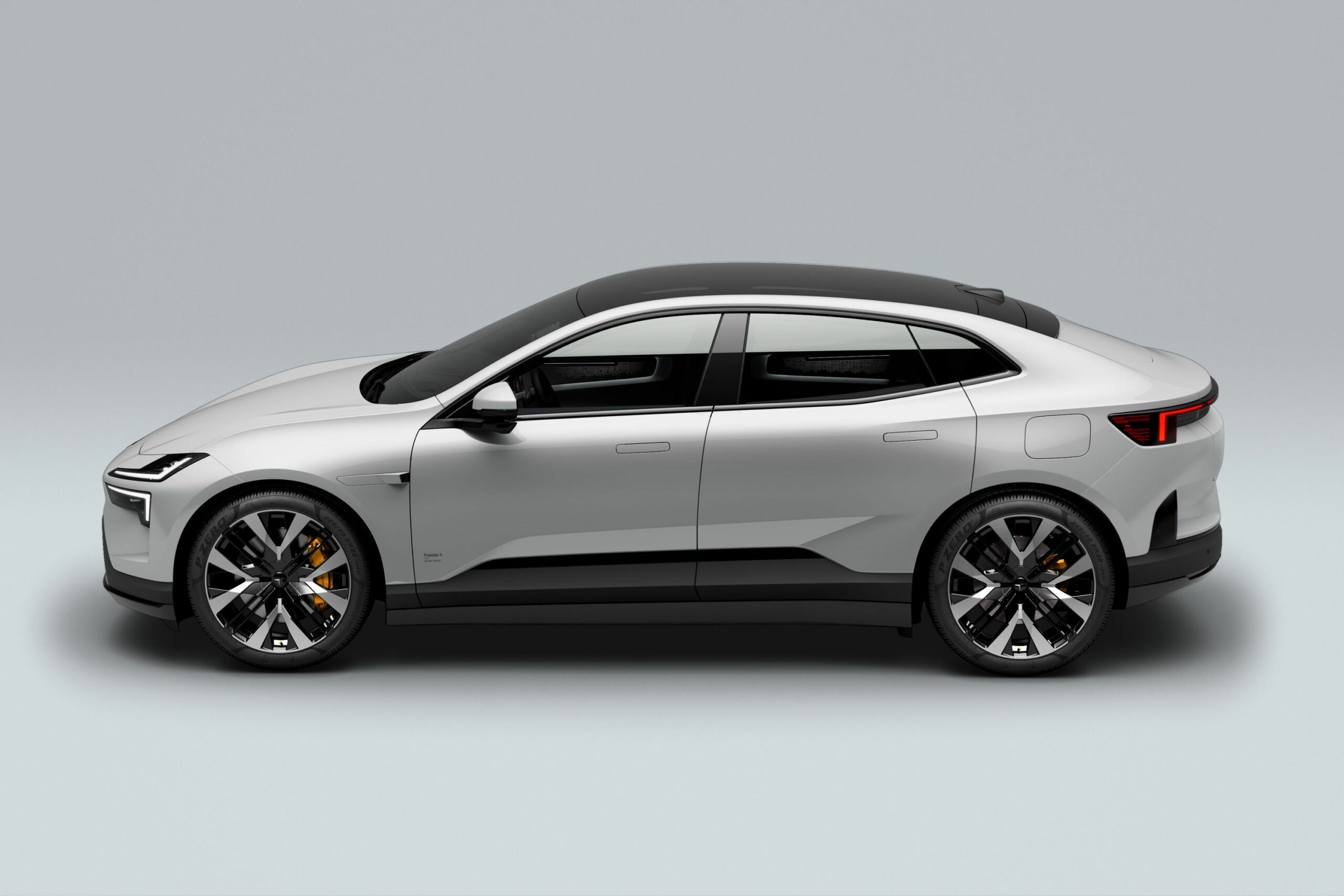
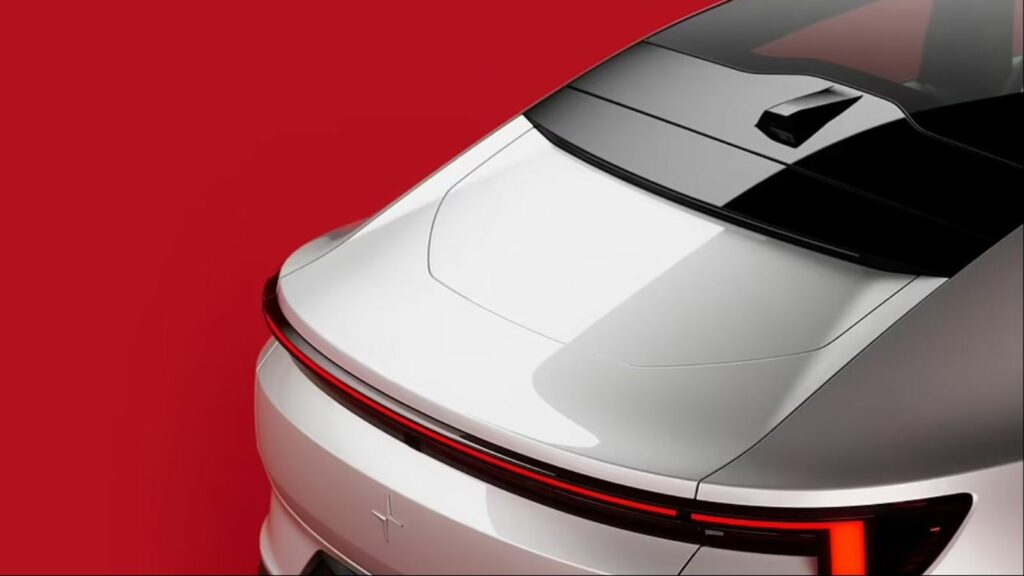
The Polestar 4 arrives with the kind of design audacity that feels almost cinematic—an electric SUV-coupe with a startling detail: no traditional rear window. It’s not merely a styling flourish. It’s a design decision that ripples through visibility, aerodynamics, cabin mood, and even the way drivers and passengers perceive space. On a gloomy street, the silhouette reads like a sleek artifact. Up close, the absence of a rear pane prompts a question that lingers: how does a car without a rear window maintain clarity, confidence, and everyday practicality?
To answer that, it helps to look beyond the headline feature and explore the different layers of the Polestar 4 experience. There’s the visual language first—clean surfaces, a coupe-like roofline, and a rear that feels sculpted rather than assembled. Then there’s the functional engineering beneath the skin: the way lighting, camera systems, and driver-assistance features compensate for the missing glass. Finally, there’s the broader story—why this approach makes sense for modern electrified vehicles, where digital perception increasingly replaces physical sightlines.
A coupe SUV reimagined: the design philosophy behind the rear window omission
The Polestar 4 is shaped by a concept of proportion that favors drama over conventional geometry. Traditional SUVs often rely on vertical glass areas to signal openness. Here, the design leans into a continuous body line. The roof flows rearward with a disciplined curve, producing a low, athletic stance. Without a rear window, the rear fascia becomes a smooth, uninterrupted plane—almost like a lens waiting to capture the road.
This isn’t a nostalgic retreat from practicality; it’s a forward-leaning bet on digital instrumentation. When the rear glass is removed, the car compensates through alternative viewing methods. The result is a cabin and exterior package that feels both minimalist and technologically confident.
For many readers, the first thing they’ll notice is how the car looks at rest. The second thing is how it looks moving—because streamlined shapes translate into a calmer aerodynamic profile. A body designed as a single, coherent form tends to slice through air more gracefully than one broken up by multiple structural interruptions.
Visibility in the real world: cameras as the new rear-view language
In a conventional car, the rear window is a passive interface—always there, always available. In the Polestar 4, that passive interface becomes active and configurable. Instead of relying on a direct view through glass, the driver leans on camera-based systems that can display rearward perspectives on the center display and through driver-assistance overlays.
This shift changes how drivers interpret the world. Short sentences come easily here: it’s not about “seeing less.” It’s about seeing differently. Cameras can offer adjustable framing, dynamic guidelines, and clarity that can improve in conditions where a rear window may be obscured by glare, fog, or weather.
For readers, content often matters most in how it translates into everyday actions—parking maneuvers, lane changes, and backing out of tight spaces. The Polestar 4’s rear-window-less design makes those scenarios less about direct sight and more about guided perception. When executed well, that can feel intuitive rather than alien.
Cabin ambience: how glass removal reshapes light, space, and mood
Remove a rear window and the cabin changes in subtle ways. Light doesn’t behave the same. Depth perception can feel different. Even the sensation of being “enclosed” varies depending on roofline geometry and rear body volume.
Expect readers to encounter discussions about ambience: a coupe-like roofline can make the front seats feel cocooned, while the rear cabin may feel more like an extension of the design rather than a separate glass-defined zone. Short, crisp thoughts often accompany this kind of design review—because the sensation is immediate.
Longer explorations, meanwhile, focus on practical implications. Where does the passenger look when leaning slightly backward? How does the rearward view affect comfort on longer journeys? And how does the driver’s attention shift when the “back seat” in the visual sense is delivered on a screen rather than through the glass?
Modern cabins are increasingly designed as information environments. That means the missing rear window can become less a deficiency and more an opportunity for controlled, deliberate visual experience.
Aerodynamics and efficiency: the hidden payoff of smooth surfaces
Aerodynamic efficiency is rarely dramatic in headlines, yet it’s often decisive in daily life—range estimates, charging schedules, and highway confidence all depend on how well a vehicle manages airflow. A rear window can introduce complex airflow patterns, and more broken-up surfaces can increase drag.
By shaping the rear area into a smoother, more continuous form, the Polestar 4 can reduce interruptions in how air flows over the vehicle. The concept is straightforward: fewer turbulent transitions, more coherent streamlines. The benefits may be incremental on any single drive, but cumulative improvements matter in a vehicle powered by stored electricity.
Readers who appreciate engineering context will likely find themselves asking: is the trade-off worth it? In many modern EV designs, the answer leans toward yes—especially when digital rear visibility and advanced assistance features fill the gap left by traditional glass.
Safety and driver assistance: confidence built from data, not glass
A rear window is only part of safety. Visibility is multi-layered: mirrors, sensors, cameras, dynamic guidelines, and warning systems all contribute. In the Polestar 4, the “missing rear window” is not an isolated removal. It’s part of a system-level design that integrates imaging and assistance technology.
Expect content to cover how camera feeds and overlays help the driver interpret distances and movement. That means more than a static image. It’s about guidance—lines that update, warnings that respond, and views that can be tailored to low-light or adverse weather conditions.
Safety discussions often benefit from nuanced language. “Camera reliance” can sound precarious if described in a vacuum. In practice, a well-designed system is redundant across sensors and stabilized by software filtering and processing. The car becomes less dependent on a single physical viewpoint and more anchored in measured perception.
Design identity and brand storytelling: the rear window-less silhouette as a signature
Polestar has a taste for modern minimalism with a hint of Swedish restraint—design that feels considered, not crowded. The rear window omission becomes a signature gesture. It distinguishes the Polestar 4 from the broad herd of conventional SUV shapes that rely on familiar glass architecture.
This kind of design identity matters for branding, but it also matters emotionally. Drivers are not just buying transportation; they’re purchasing a narrative about taste, technology, and future-mindedness. A car that looks like it belongs in tomorrow’s streets invites a certain kind of owner—someone who enjoys the difference.

What readers can expect in reviews: the angles that actually matter
When exploring the Polestar 4, readers often seek content that answers questions rather than repeats specs. The most helpful reviews typically address:
1) Real-world backing and parking. How does camera-assisted viewing translate into confidence when space is tight?
2) Highway behavior. Does the coupe silhouette and rear design contribute to calmer stability at speed?
3) Cabin practicality. How does the rear glass absence influence long trips, headroom perceptions, and passenger comfort?
4) Technology maturity. Does the camera interface feel quick and intuitive, or does it lag behind driver expectations?
5) The trade-offs. What is sacrificed, what is gained, and how does it compare to conventional SUVs or other EV coupes?
Short and long-form content can both be valuable here. Short pieces can highlight the shock of the design—no rear window, bold silhouette, camera solution. Long-form stories can thread those facts into experience: a drive through variable weather, a parking test in a crowded lot, a late-night commute where lighting and display clarity become the real differentiators.
The bigger picture: where automotive design is heading
The Polestar 4 points toward a wider trend. As EVs spread and software ecosystems mature, cars increasingly function as mobile perception platforms. Cameras, sensors, and displays don’t merely supplement vision; they can redefine it. Removing a rear window becomes more than a stylistic choice—it’s a statement that the interface between driver and environment is shifting.
This doesn’t mean physical glass disappears everywhere. It does mean that designers can choose where to allocate structural and aesthetic attention. If rear visibility can be delivered cleanly through digital systems, then the exterior can be shaped with greater freedom—smoother, lower, and more expressive.
Conclusion: a future-forward silhouette with a digitally guided rear
The Polestar 4’s lack of a rear window is the kind of design decision that forces conversation. It changes the car’s look, alters the cabin’s light and mood, and redefines how drivers “see back.” Yet the key idea remains grounded: the absence of a traditional rear pane doesn’t have to mean loss. With camera-based viewing and integrated driver-assistance systems, the rear becomes an information space rather than a glass space.
In the end, the Polestar 4 offers more than novelty. It provides a coherent blend of coupe drama, SUV practicality, and digital perception. For some readers, that will feel like a clever evolution. For others, it will feel like a bold proclamation: the rear window is no longer the only way to face the road behind you.