The Nissan Rogue has always carried itself with a particular kind of confidence—one that’s felt the moment you slide into the driver’s seat. Yet the fascination goes beyond the obvious. Many shoppers notice the cabin looks sharper, the screens look more deliberate, and the controls feel more considered. But there’s a deeper reason people keep circling back: the Rogue’s interior has a talent for turning everyday commutes into something that feels quietly engineered. It’s not merely about aesthetics. It’s about how technology is woven into comfort, how usability is elevated through thoughtful interfaces, and how small upgrades can reshape the entire rhythm of a drive.
As the Rogue approaches newer model cycles, expectations naturally sharpen around interior and tech upgrades. From infotainment responsiveness to driver-assistance interfaces that don’t overwhelm, the direction suggests a cabin designed to feel intuitive at first glance—and rewarding over time.
1) A cabin that feels composed, not cluttered
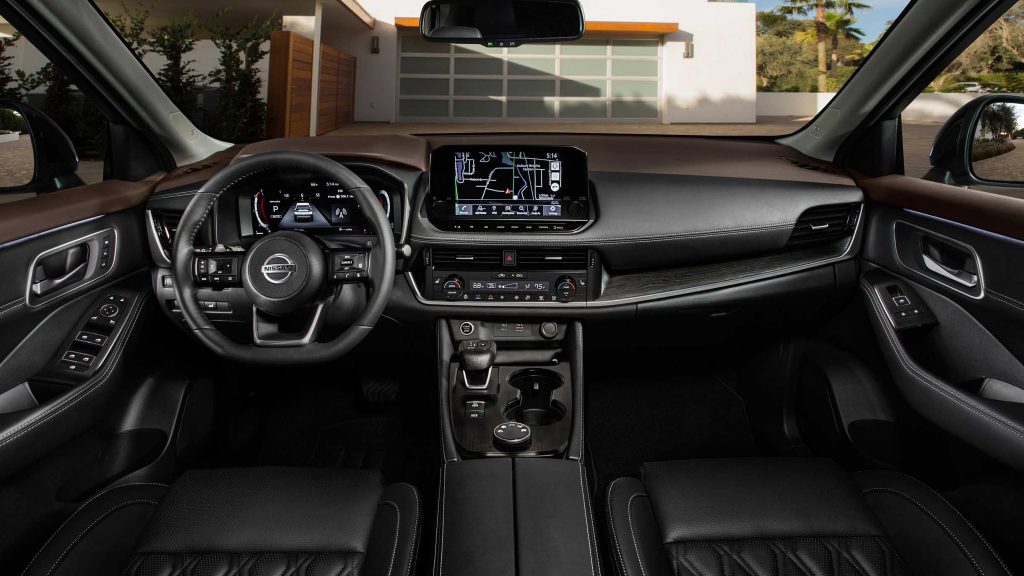
One of the most common observations about modern SUVs is how easily they can become visually busy. Toggle switches multiply, screens compete for attention, and menus sprawl like an overworked command center. The Rogue’s interior, however, tends to pursue a different philosophy: composure. Surfaces often appear cleaner, with an emphasis on ergonomic placement and legible layout. That matters because the driver’s attention is not a limitless resource. A well-composed dash reduces cognitive friction, which is a subtle but meaningful advantage on long drives.
Expect refinements in material textures and trim choices to continue. These changes aren’t just cosmetic; they influence perceived quality. Tactile surfaces dampen the feeling of harshness and make touchpoints—like the steering wheel spokes, door handles, and center console controls—more satisfying in daily use. Even the arrangement of vents and shading can affect how “open” the cabin feels during warm afternoons or cool mornings.

2) Infotainment upgrades: faster, clearer, more human
Technology in vehicles is judged in seconds. It’s judged when a driver tries to connect a phone, when a passenger changes audio without hunting through layers of menus, and when navigation becomes useful at the exact moment it’s needed. The Rogue’s next interior expectations revolve around the infotainment experience being smoother and more legible—less lag, more clarity, and fewer dead ends.
Look for enhancements in touchscreen responsiveness and interface structure. Modern platforms increasingly prioritize “predictive” behavior: where the system surfaces the most relevant choices first, and where voice interactions feel more natural rather than robotic. That’s the magic many drivers chase—an interface that feels like it understands the pace of conversation. Short commands should land quickly. Navigation should minimize confusing detours. Media should switch without the sense that the system needs permission to cooperate.
In the background, deeper reasons also play a role: infotainment systems increasingly act as the hub for the vehicle’s wider ecosystem. They manage connectivity, update features, and sometimes support driver preferences. The more cohesive the platform, the more the interior feels like a unified environment rather than a collection of unrelated gadgets.
3) Digital instrumentation: confidence through readable information
Analog dials have a charm, but digital instrumentation offers something modern drivers value: instant context. The expectation is that the Rogue’s gauge cluster will continue to evolve toward higher readability in a range of lighting conditions—morning glare, late-afternoon sun, and night-time reflections.
More advanced displays can also better segment critical information. Vehicle speed, navigation prompts, safety alerts, and driver-assist status can be presented in a way that doesn’t force the eyes to dart across the dash. When the cluster is designed thoughtfully, it becomes a silent co-pilot. The driver doesn’t have to work to interpret it; it communicates.
Just as importantly, the transition between screens and modes can be smoother. A well-designed instrument system reduces “micro-stress”—those tiny moments of uncertainty that accumulate during a drive. It’s a small improvement, but it’s precisely the kind of refinement people feel even if they can’t immediately name it.
4) Driver-assistance interfaces that feel intuitive
Many buyers have observed that safety technology is everywhere now—but not all of it feels helpful. The fascination with the Rogue’s expected upgrades centers on whether driver-assistance features communicate clearly, rather than simply existing as an impressive checklist.
Look for interfaces that deliver alerts with better prioritization. Lane-related notifications should feel distinct from adaptive cruise cues. Blind-spot indicators should be visible at the moment of decision. Parking and low-speed awareness tools should guide instead of nag. The deepest reason for the fascination is emotional: when safety tech is integrated well, it reduces anxiety. It turns uncertainty into a calm sense of control.
Some systems may also become more contextual. For example, the way warnings appear during city traffic can differ from highway driving. The best implementations behave less like alarms and more like gentle coaching. That difference is why drivers begin to trust the technology instead of merely tolerating it.
5) Comfort-forward cabin ergonomics
Tech upgrades matter most when they complement comfort. The Rogue’s interior is expected to keep refining seat ergonomics and overall cabin usability. Subtle changes—better seat contours, refined lumbar support feel, improved steering wheel reach options—can make a long drive feel shorter.
Control placement is another quiet win. If frequently used functions land within natural hand movement, drivers experience less interruption. Small things, like the arrangement of charging ports and the logic behind the center console layout, influence how the cabin performs when life gets busy: kids in the back, groceries in the footwell, and phones needing power at the same time.
A thoughtful cabin also enhances the “listening” quality of the ride. When noise insulation and materials are balanced, road sounds become background texture rather than constant distraction. That’s how an interior earns loyalty: it makes daily life feel less demanding.
6) Connectivity upgrades: life in sync with the vehicle
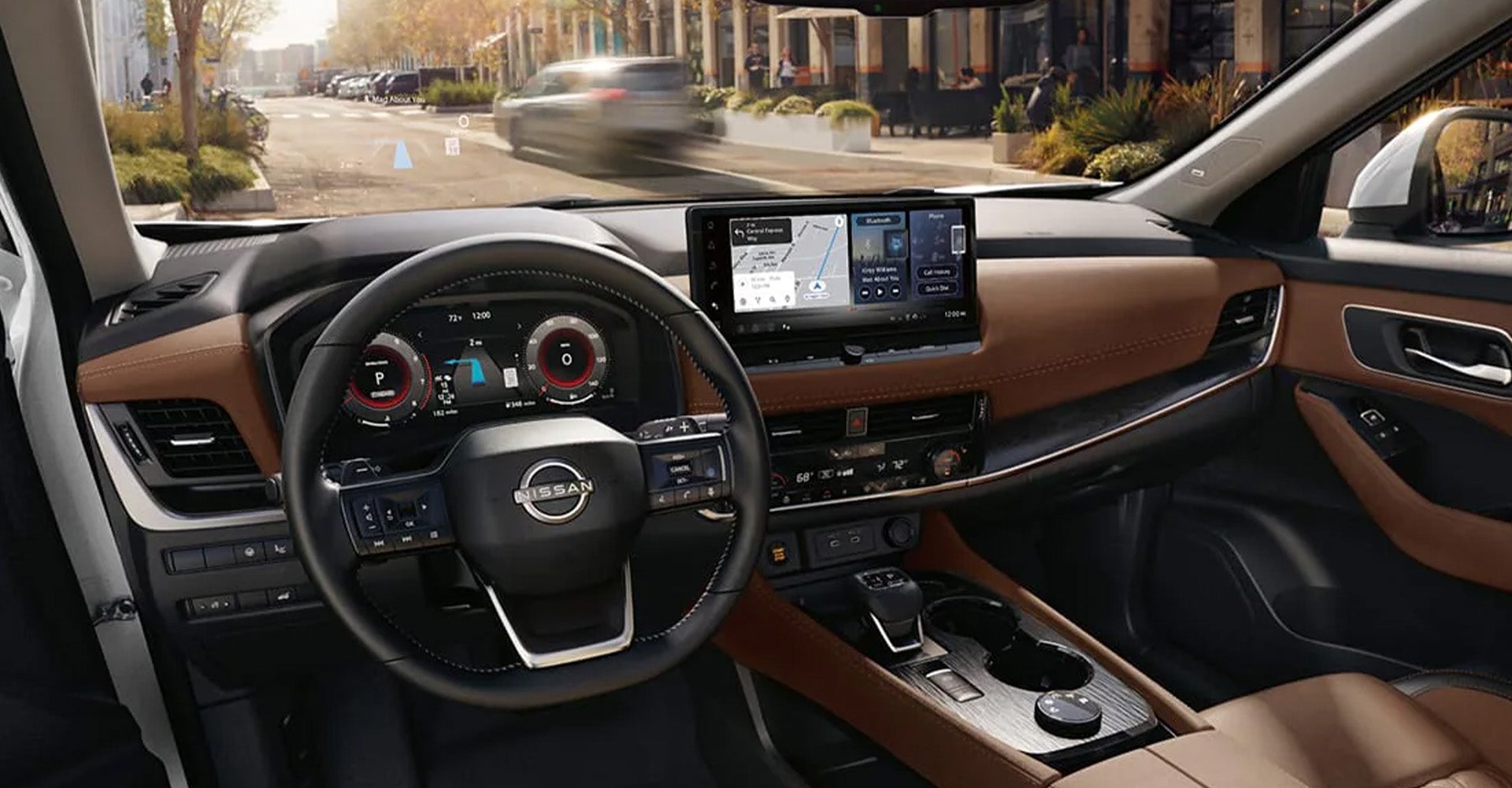
Connectivity isn’t just about streaming music. It’s about synchronization: calendar reminders arriving at the right time, route suggestions aligning with real-world conditions, and charging or energy prompts arriving when they’re actually relevant.
Expected tech movement in the Rogue’s interior likely includes more capable smartphone integration, broader compatibility with common apps, and more reliable pairing behavior. If connectivity works consistently, it becomes invisible in the best way. Drivers stop thinking about it and simply benefit from it.
There’s also a growing expectation for charging convenience—additional USB capability, improved port placement, and smarter power management so devices don’t drain unexpectedly during commutes. A cabin that keeps everyone powered feels more hospitable, especially for families and multi-stop schedules.
7) Storage and versatility: the practical backbone of the cabin
Versatility is where interior design earns its reputation. The Rogue’s interior must handle real scenarios—pocket items, reusable bags, travel gear, and the unpredictable clutter that always seems to appear after a week of errands. Even with the most impressive screens, a cabin that can’t store things efficiently quickly becomes frustrating.
Upgrades to center console depth, cupholder stability, and compartment accessibility can make daily organization feel effortless. Rear-seat space should remain flexible, with folding and cargo access that doesn’t require a choreographed routine.
When storage feels well engineered, tech benefits increase too. Chargers are within reach. Navigation inputs can be tapped without reaching past awkward obstacles. In other words, practicality amplifies everything else.
8) The “deeper fascination”: why these upgrades resonate
It’s easy to call interior and tech upgrades “features,” but that word undersells the real effect. These changes alter how time feels inside the vehicle. When the Rogue’s interior becomes more readable, more responsive, and more supportive, driving shifts from a task to an experience.
Many drivers become fascinated because the upgrades quietly reduce friction. They don’t just make the car smarter; they make the car feel considerate. That’s the emotional core—an interior that anticipates needs without creating noise.
Over time, that consideration becomes memorable. It’s why people keep paying attention to what comes next. They aren’t simply watching screens evolve. They’re watching an everyday space become more aligned with real human patterns: how hands move, how attention is spent, how decisions happen, and how comfort can be engineered into something as ordinary as a commute.
Final Thoughts: a Rogue cabin designed for the long run
Expected interior and tech upgrades for the Nissan Rogue point toward a cabin that balances polish with practicality. The goal isn’t to impress with complexity. It’s to deliver an experience that feels composed, connected, and quietly confidence-building. From infotainment that behaves more like a collaborator to safety interfaces that guide without startling, the Rogue’s next chapters appear poised to deepen a kind of fascination that can’t be pinned to a single spec sheet.
Because when the interior works the way people think—and when the technology stays out of the way until it’s genuinely needed—the result is more than an upgrade. It’s a cabin that makes every drive feel a little more natural, and a little more assured.