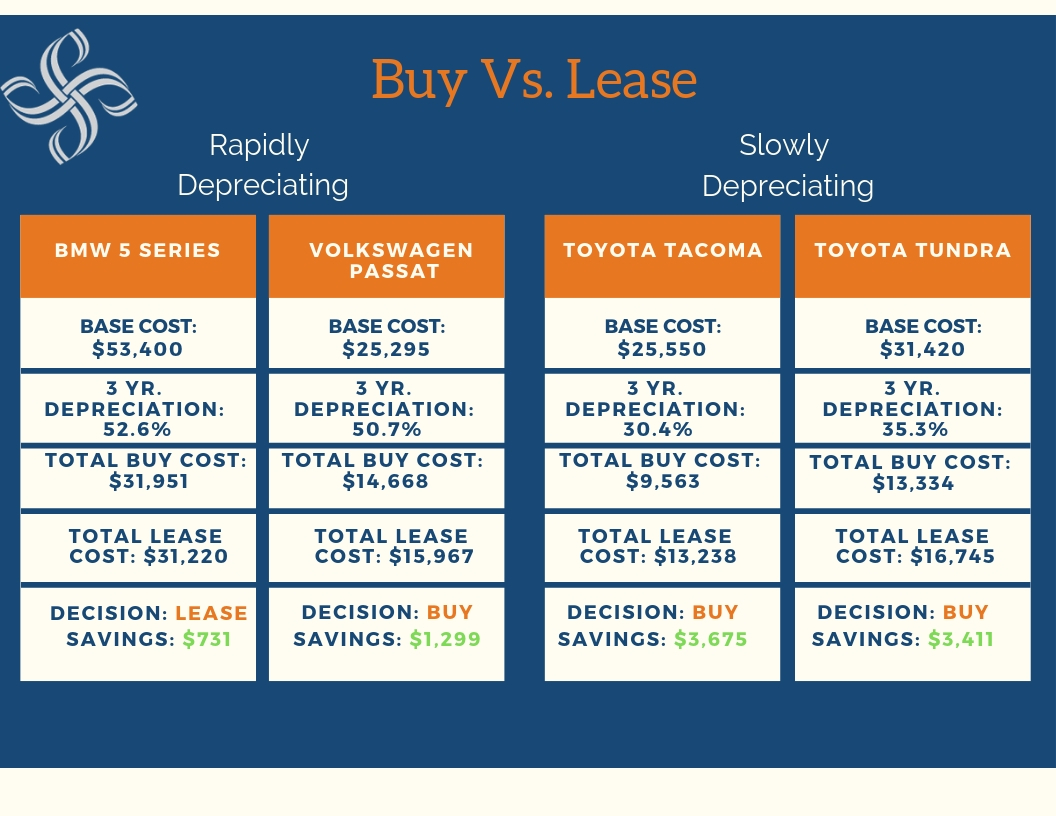
Picture this: you’re standing in a dealership, keys in hand, staring at two identical minivans parked side by side. One has a shiny new lease sticker on the windshield. The other gleams under the fluorescent lights with a bold “Own It” sign. You’ve heard the whispers—leasing is for dreamers, buying is for realists. But what if I told you that the real game-changer isn’t in the sticker price or the monthly payment, but in the silent, often overlooked costs that creep up like shadows after the ink dries? The decision between leasing and buying a minivan isn’t just about money. It’s about freedom, flexibility, and the future you’re quietly shaping with every signature.
Most people approach this crossroads with the same tired questions: “Which is cheaper?” or “What’s the best deal?” But those questions are like asking a chef which ingredient tastes better without tasting the dish. The truth is, the answer shifts depending on who you are, where you’re going, and how you live. A young family might see a lease as a lifeline to a safer, newer vehicle without the burden of long-term debt. A retiree might find solace in owning outright, knowing their wheels won’t vanish with a single missed payment. And then there’s the wild card—the person who loves the thrill of driving a new ride every few years, like trading in a novel for the next bestseller. This isn’t just about dollars and cents. It’s about aligning your ride with your rhythm of life.
The Hidden Math: Why Your Grandma’s Advice Might Be Outdated
We’ve all heard it: “Buy used, save the difference.” It’s the mantra of frugality, passed down like a family heirloom. But what if that advice is wearing a pair of rose-tinted glasses? Let’s crunch the numbers—not the ones on the sticker, but the ones that live in the fine print, the ones that show up when the transmission quits or the roof starts leaking. When you lease, you’re essentially paying for the depreciation of the vehicle during the lease term, plus interest and fees. When you buy, you’re financing the entire value, but you’re also building equity. The catch? Minivans depreciate faster than a snowman in July. That means the difference between what you owe and what the van is worth—the equity—can vanish quicker than a toddler’s attention span.
Consider this: the average new minivan loses about 50% of its value in the first three years. If you lease for three years, you’re essentially paying for that steep drop. But if you buy and sell after three years, you’re on the hook for the same depreciation, plus interest on the loan. The real question isn’t which option is cheaper upfront—it’s which one leaves you with more financial flexibility when life throws a curveball. Do you want to hand the keys back and walk away, or do you want to have something tangible to show for your payments? The answer might surprise you.
The Freedom Paradox: Leasing as a Lifestyle, Not a Trap
Leasing isn’t just a financial transaction; it’s a lifestyle choice. It’s the freedom to drive a new minivan every few years without the hassle of selling or trading in. It’s the peace of mind that comes with a warranty that covers nearly everything, from the engine to the infotainment system. And it’s the ability to upgrade when your family grows, your commute changes, or your taste evolves. But here’s the twist: leasing only works if you treat it like a subscription, not a commitment. If you start seeing the van as “yours” in the emotional sense, you’ll resent the mileage limits, the wear-and-tear clauses, and the inevitable walk back to the dealership when the lease ends.
Imagine this: you lease a minivan for three years, racking up 36,000 miles. Life happens. You take a spontaneous road trip, your kids join a sports team, and suddenly, you’re staring down a $0.25-per-mile fee that feels like a ransom. That’s the freedom paradox—what starts as liberation can quickly become a cage if you’re not disciplined. But if you’re the type who thrives on novelty, who views each lease as a fresh chapter in your automotive story, then the constraints become minor trade-offs for the joy of always having the latest features, the sharpest design, and the reliability of a vehicle that’s never seen a curb rash.
The Equity Illusion: Why Owning Might Not Be the Holy Grail You Think
Owning a minivan feels like planting a flag in the ground. It’s a declaration: “This is mine. I’ve arrived.” But ownership comes with its own set of invisible chains. The moment you drive off the lot, your shiny new van is worth less than what you paid. Fast forward five years, and that once-proud purchase might be worth a fraction of its original price. If you financed the van, you’re still paying off a loan on an asset that’s hemorrhaging value. And if you need to sell before the loan is paid off? Congratulations, you’ve just entered the world of negative equity—a financial quicksand where you owe more than the van is worth.
Here’s where the equity illusion shatters. You might think you’re building wealth by owning, but if your minivan is depreciating faster than your 401(k) is growing, you’re not accumulating assets—you’re accumulating liabilities. The real wealth-building happens when you pay off the loan and the van’s value stabilizes. But that’s a long game, and most people don’t stick with the same vehicle for a decade anymore. The average American keeps a car for just over seven years. So, if you buy a minivan and trade it in after five, you’re likely to face a gap between what you owe and what the van is worth. That’s not wealth. That’s a gamble.
The Wildcard: Maintenance, Miles, and the Myth of “Free” Repairs
Lease advocates love to tout the “free” maintenance and repairs that come with a warranty. And it’s true—if you stay within the mileage limits and avoid excessive wear and tear, the dealership will cover most issues. But what happens when you exceed 12,000 miles a year? Suddenly, that “free” oil change turns into a $150 bill, and the warranty feels less like a safety net and more like a tease. On the flip side, if you buy a minivan and keep it past the warranty period, you’re staring down a future of potentially costly repairs. Minivans are workhorses, but they’re not invincible. Transmission issues, suspension wear, and electrical gremlins can turn a “cheap” lease into a bargain—or a “smart” purchase into a money pit.
The mileage myth is another beast entirely. Leases are designed for people who drive predictable routes, who don’t take detours, who treat their vehicles like rental cars. If your life involves cross-country moves, weekend adventures, or a side hustle that requires hauling equipment, a lease might feel like a straitjacket. Buying gives you the freedom to drive as much as you want, but it also means you’re responsible for every squeak, rattle, and oil change. The key isn’t to avoid maintenance—it’s to align your vehicle choice with your driving habits. Are you a road warrior or a Sunday driver? Your answer will dictate whether leasing’s constraints or buying’s unpredictability suits you better.
The Emotional Ledger: What Your Wallet Can’t Measure
Money isn’t the only currency in this decision. There’s the pride of ownership, the stress of a loan, the thrill of a new ride, the guilt of excess wear and tear. These emotions don’t show up on a balance sheet, but they dictate how you feel every time you slide into the driver’s seat. A leased minivan might feel like a temporary solution, but it can also feel like a fresh start—a chance to reset your automotive identity without the baggage of past mistakes. An owned minivan might feel like a burden, a constant reminder of payments and potential repairs, or it might feel like a sanctuary, a place where memories are made and chaos is contained.
Consider the family that buys a minivan and keeps it for a decade. They watch their kids grow up in the backseat, they pack it with luggage for summer vacations, they curse its blind spots but love its space. That van becomes more than a vehicle—it’s a time capsule. Now consider the family that leases a new minivan every three years. They never worry about resale value, they always have the latest safety features, and they treat each lease like a mini-vacation. Which family is happier? The one with the paid-off van or the one with the always-new ride? The answer isn’t in the numbers. It’s in the stories.
The Final Shift: It’s Not About Cheaper—It’s About Smarter
So, which saves you more money? The answer isn’t a simple “lease” or “buy.” It’s a question of priorities, of lifestyle, of the future you’re willing to bet on. If you value flexibility, novelty, and the ability to walk away without a second thought, leasing might be your golden ticket. If you crave stability, equity, and the satisfaction of ownership, buying could be your path. But here’s the real secret: the smartest choice isn’t the one that saves you the most money upfront. It’s the one that aligns with your values, your habits, and your long-term goals.
Before you sign on the dotted line, ask yourself: What do I really want from this minivan? Is it a tool, a status symbol, a family member? Do you want to drive it into the ground or trade it in before the first scratch appears? The answers to these questions will guide you far better than any interest rate or residual value calculation. The minivan isn’t just a vehicle—it’s a reflection of your life. Choose wisely, and it will serve you well. Choose poorly, and it will haunt you with hidden costs, both financial and emotional.
In the end, the best decision isn’t the one that saves you the most money. It’s the one that lets you sleep at night, knowing your ride is as reliable as your choices. So, take a deep breath. Look at those two minivans again. One is a lease. One is a purchase. But the real question isn’t which is cheaper—it’s which one will make you happier when the engine is running and the road is calling.