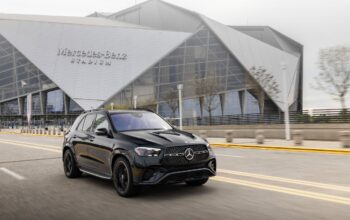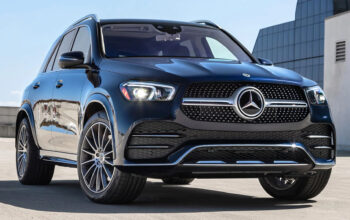
The Mercedes-Benz GLC has always lived in that persuasive middle ground: substantial enough to feel reassuring, compact enough to remain nimble, and polished enough to pass for effortlessly premium. Now, rumors swirl that the next chapter could be fully electric. The idea is tantalizing—an electric compact SUV bearing the GLC name, wrapped in Mercedes’ signature restraint, yet pushed forward by EQ-level electrification.
But rumors are not a blueprint. They are a mosaic: trade hints, procurement whispers, platform speculation, and the occasional near-confirmation embedded in marketing cadence. So what should readers expect if the GLC turns electric? Beyond the headlines, there’s a broader question—what would an electric GLC change, and what would it try to preserve?
What the “EV GLC” rumor wave appears to be signaling
In the rumor ecosystem, the first sign usually isn’t a single revelation; it’s a clustering of patterns. A compact SUV franchise like the GLC doesn’t reinvent itself casually, especially when its core audience values comfort, quiet confidence, and real-world usability. The talk of an all-electric GLC suggests Mercedes is aiming to keep those virtues while replacing the drivetrain logic.
Expect the narrative to shift from “how far it goes per charge” to “how coherently it behaves.” Electric platforms tend to unlock a different kind of composure: smoother torque delivery, reduced drivetrain noise, and a more linear acceleration profile. Even if the raw figures are still debated, the behavioral characteristics can become the selling point early in the rumor cycle.
Platform speculation: a more refined all-electric architecture
The most consequential question behind any EV GLC rumor is the platform. A purpose-built electric architecture usually influences everything—battery placement, crash structure, cabin packaging, even how the steering and suspension calibrations feel. If the rumors point toward a refined all-electric platform, that would imply the design can prioritize rigidity and space efficiency without forcing awkward compromises.
When a vehicle is planned from the ground up for electric drive, the battery can be integrated more intelligently, often resulting in a lower center of gravity. That can translate into steadier cornering and less body roll, even in everyday driving. Shorter, sharper transitions become possible; the car can feel “planted” rather than merely “capable.”
Design direction: evolution rather than revolution
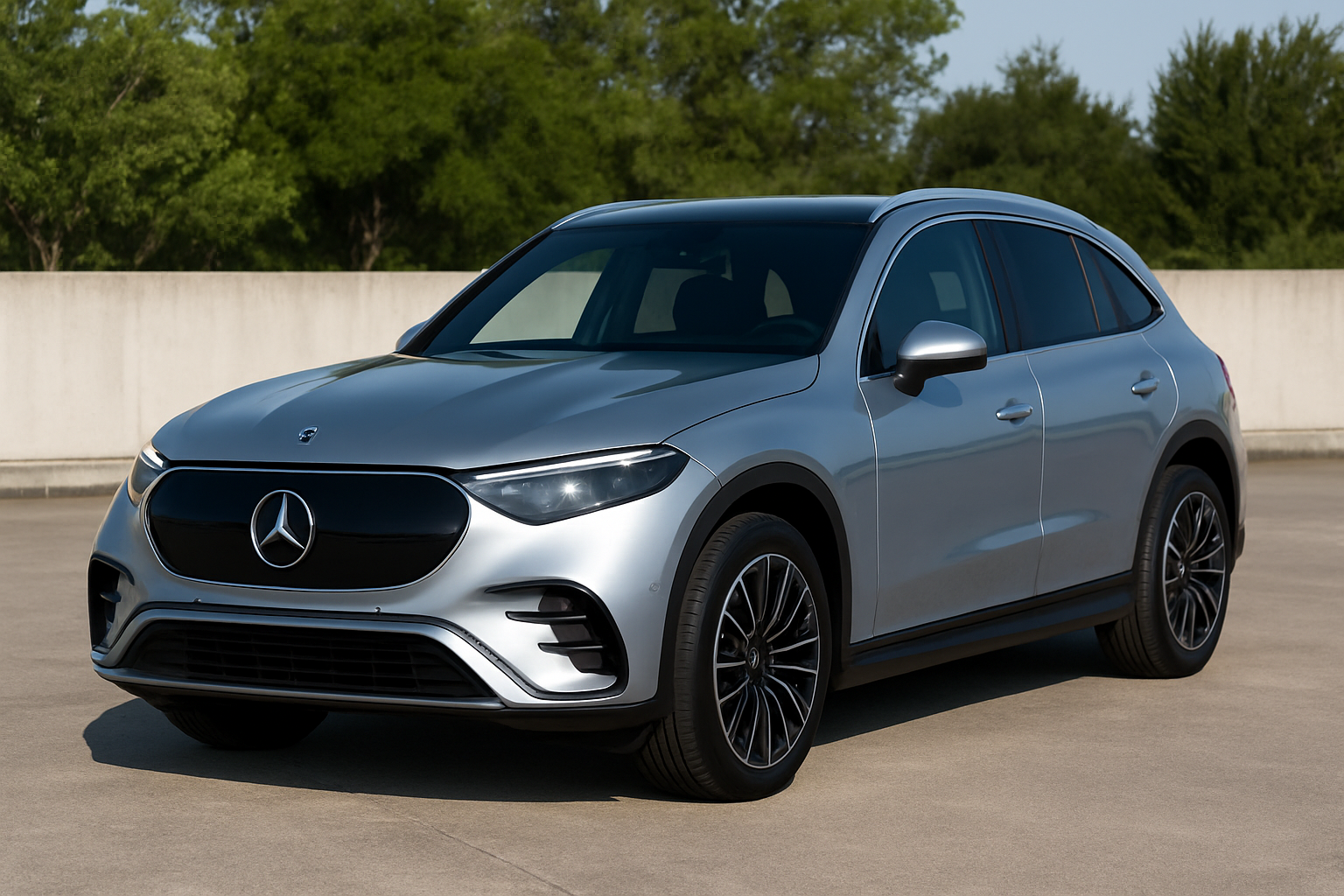
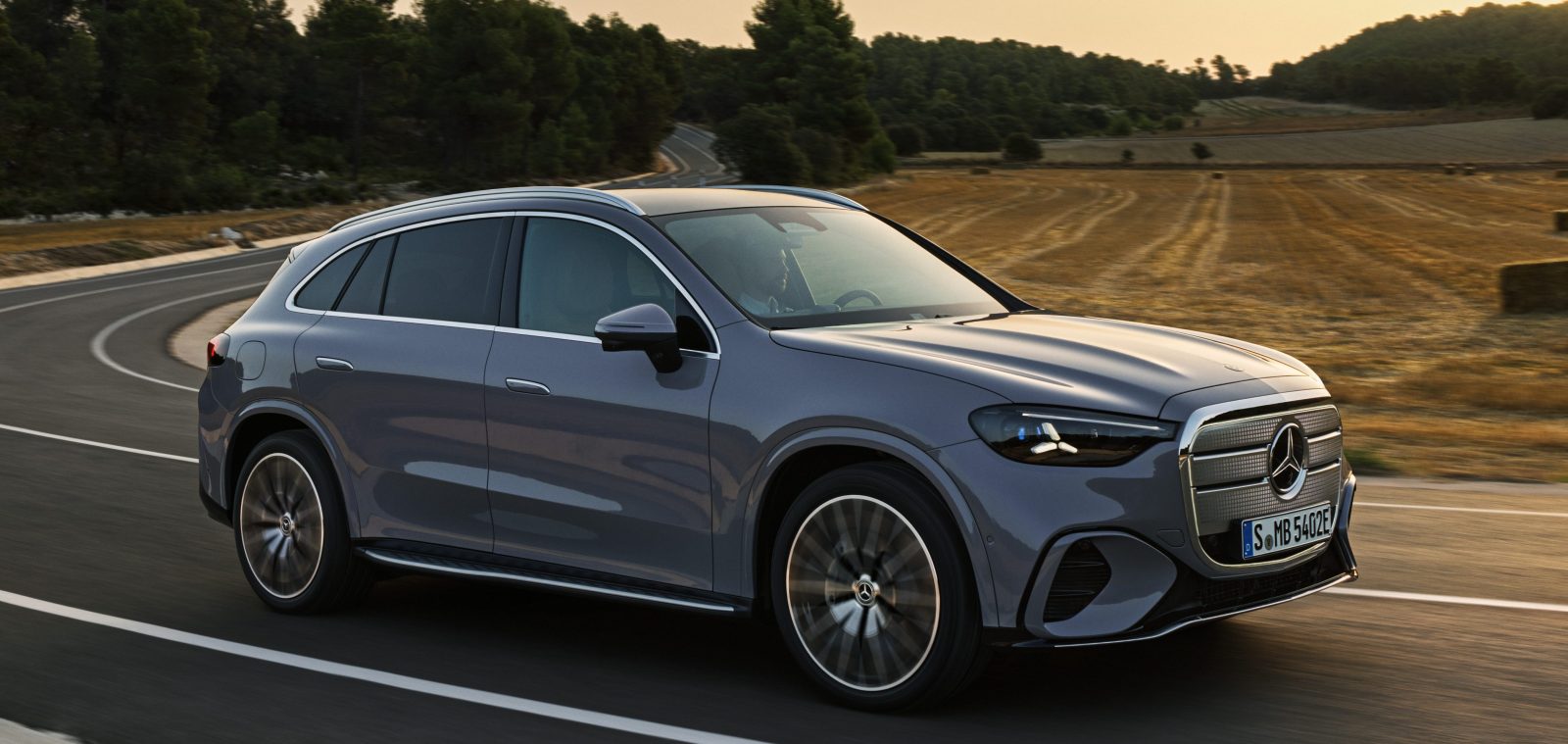
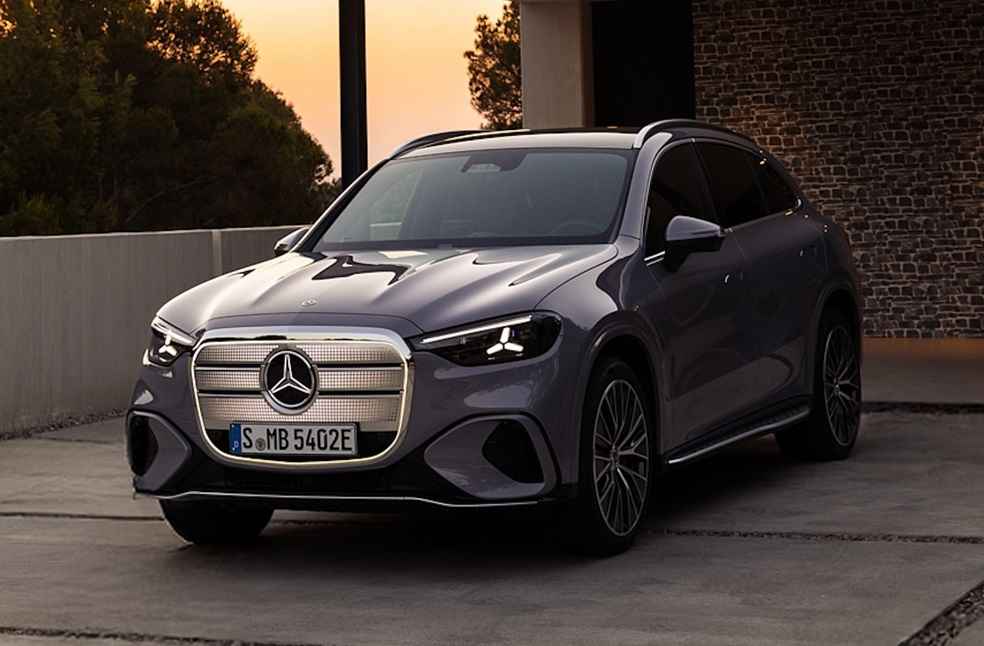
Mercedes’ design language tends to evolve in layers—subtle refinements that accumulate into a recognizable silhouette. An electric GLC is likely to keep the familiar compact SUV proportions: upright practicality, a grille that signals identity, and lighting that reads clearly from a distance.
However, EVs often encourage a different front-end philosophy. Without the need for large cooling openings in the same way, there is room for more aerodynamic shaping, different grille treatment, and more expressive lighting signatures. The result can be a front fascia that looks calmer, more deliberate, and slightly more aerodynamic than a traditional internal combustion derivative.
If rumors are correct, design might also incorporate more “surface technology” cues—trim lines that imply high-tech materials and a sense of tactility. Electric vehicles invite a more “future-adjacent” interior aesthetic, and the GLC nameplate has the brand cachet to pull that off without turning it into a science project.
Powertrain rumors: acceleration, efficiency, and drivetrain choices
Rumors about the EV GLC’s powertrain often orbit around three themes: output, efficiency, and whether Mercedes will offer multiple drive configurations. Electric compact SUVs can be tuned for different personalities—some lean toward brisk city response, others toward highway composure and efficiency.
If the platform is truly electric-focused, there may be expectations for instant torque behavior. That can make low-speed maneuvers feel unusually smooth; hill starts can become effortless, and passing maneuvers can be less dependent on downshifts. Still, power is only half the story. Battery temperature management and motor efficiency curves often dictate the real-world driving range and consistent performance over time.
Readers should also watch for hints around rear-wheel drive versus all-wheel drive. Mercedes commonly segments trims to cover a spectrum of buyer preferences. For an EV GLC, that could mean a base configuration optimized for range and cost efficiency, with more dynamic options for those who want a sportier signature and enhanced traction control.
Battery and range expectations: the rumor “triangle” of chemistry, packaging, and use
Range rumors rarely live in a vacuum. They are shaped by battery capacity assumptions, charging strategy, and vehicle mass predictions. If Mercedes positions the electric GLC as a mainstream compact luxury option, it will likely emphasize balanced range rather than extreme numbers that inflate cost.
Electric cars can deliver impressive range when driving behavior matches their aerodynamic and thermal priorities. Yet real buyers rarely drive in ideal conditions. That means winter temperatures, highway speeds, and roof-load accessories can erode projected figures. A rumor-friendly article should therefore translate speculation into practical expectations: how range holds during repeated charging cycles, how the vehicle handles thermal throttling, and how consumption changes with speed.
Even without official ratings, buyers can still look for signal markers: energy efficiency targets, charging curve descriptions, and statements around battery longevity. Mercedes’ brand strength is reliability perception; an EV GLC will need to reassure owners that the battery will remain composed over years, not just months.
Charging narrative: speed, convenience, and the “last-mile” experience
Charging is where rumors can either become exciting or become frustrating. The question isn’t only peak charging speed—it’s how the car behaves when the battery is hot or when a driver arrives with a low state of charge. A well-managed charging strategy can reduce the “charge anxiety” factor by keeping the experience predictable.
For readers, expect a rumor-driven coverage to discuss charging ecosystems: compatibility with common DC fast-charging standards, how long it takes to gain usable range for everyday errands, and whether Mercedes offers navigation-assisted charging plans.
Mercedes also tends to incorporate software-led convenience. If the EV GLC leans into a connected charging narrative, owners might see smarter route planning that accounts for chargers, elevation changes, and traffic patterns. In the rumor cycle, those features often surface as “digital maturity” rather than hardware upgrades. Still, they can meaningfully change day-to-day usability.
Interior and tech: the EQ atmosphere inside a GLC-shaped cabin
When electrification arrives, the interior usually becomes the stage. Electric drivetrains reduce mechanical clutter, which gives designers room for a cleaner dashboard architecture and more intentional storage solutions. Rumors about an EV GLC should therefore explore cabin ergonomics: display placement, driver display clarity, and the feel of controls.
Mercedes’ digital experience often combines luxury and usability. Readers may expect speculation around a new generation infotainment system, augmented navigation, and voice or gesture features refined for frequent drivers. The heart of the interior rumor is usually the usability of screens: whether menus feel calm or chaotic, whether the UI is quick under pressure, and whether Apple CarPlay or Android Auto integration stays seamless.
Another important dimension is sound design—electric cars can be eerily quiet. Some makers use purposeful acoustic cues for speed, turning, and safety alerts. A premium brand like Mercedes might aim for a refined soundscape that doesn’t feel gimmicky, yet still communicates what the vehicle is doing.
Safety, driver assistance, and the reassurance factor
Even in rumor form, safety questions matter because compact luxury buyers often prioritize predictability. Electric drivetrains can add new safety considerations such as high-voltage system protection, battery crash integrity, and thermal safeguards. But the most visible part for consumers is driver assistance.
Expect coverage to discuss whether the EV GLC will adopt newer sensor packages or updated calibration strategies. The rumor cycle may reference improvements in lane-keeping consistency, adaptive cruise behavior, and city safety features. The goal is not just raw capability—it’s “confidence under varying conditions.”
Winter rain, construction zones, and nighttime visibility all test the software. A well-covered rumor narrative should mention that these systems are only as good as their real-world performance, not their marketing highlights.
Ownership considerations: maintenance, reliability perceptions, and total cost
EV ownership often changes the maintenance rhythm. Fewer moving drivetrain components can reduce certain wear items. Still, tires, brakes (especially regenerative systems), suspension wear, and HVAC management remain relevant. A credible rumor-focused article should therefore talk about what owners will actually notice.
Reliability perception also plays a role. Mercedes buyers may care as much about long-term serviceability as about initial excitement. Questions like battery warranty length, availability of service software updates, and charging-related diagnostic support can influence purchasing confidence.
Then there’s the human factor: charging logistics, cable management, and whether home charging installation is framed as easy or burdensome. Rumors might not provide specifics, but they often hint at Mercedes’ approach to ownership ecosystems—service partnerships, app integration, and customer support tone.
Who the electric GLC rumor targets
An electric GLC is unlikely to aim only at hardcore EV enthusiasts. The GLC brand has broad appeal: commuters who want comfort, families who need practicality, and drivers who expect luxury without drama. That means the vehicle must balance electrification with conventional virtues—quiet cabin, confident visibility, and a civilized ride.
In a rumor landscape, the key is to ask: does the EV GLC sound like a compelling alternative to a comparable gasoline model? Or is it positioned as a distinct lifestyle product? The answer shapes expectations for pricing, trim structure, and available features.
What happens next: how rumors become reality
The rumor-to-reality timeline typically follows a pattern. First come design cues and platform hints. Then appear prototype spy details: wheelbase proportions, cabin packaging signatures, and charging port placement. After that, the story often narrows to official announcements—range targets, charging specs, and trim-level strategy.
For readers, the most useful approach is to watch for consistency. When multiple independent sources align around the same platform direction and interior architecture, confidence increases. When details conflict, it’s safer to treat them as early guesses rather than confirmed direction.
Outro: the electric GLC question—will it feel like a Mercedes or a detour?
The strongest promise behind the Mercedes-Benz GLC EV rumors is not merely electrification; it’s refinement. An EV GLC has the potential to deliver a quieter, smoother driving experience while preserving the luxury discipline that made the GLC a staple in the compact premium segment.
As details emerge, the story will likely move from speculation about battery capacity and motor output to a deeper question: does the car feel coherent in daily life—on short trips, during long drives, in weather that tests electronics, and in the moments that define ownership?
For now, the electric GLC remains a tantalizing possibility: part familiar confidence, part new technological cadence. And if Mercedes executes the formula correctly, it won’t just join the electric lineup—it may redefine what “compact SUV” means within its own legacy.