So, you’ve seen it. The squared shoulders, the theatrical stance, the unmistakable silhouette that looks less like a vehicle and more like a permission slip for adventure. Then the sticker lands—$150k and up, sometimes dramatically more—and suddenly the question turns playful but serious: Is the Mercedes-Benz G-Class really worth it?
Here’s the challenge, though. A G-Class doesn’t simply ask for money; it tests your convictions. Convictions about badge value, craftsmanship, capability, resale expectations, and the sort of life you actually live on a Tuesday afternoon. Can this iconic off-road icon justify its premium in a world where many luxury SUVs cost far less and still drive elegantly? Let’s unpack the case—without pretending the math is painless.
First Impressions: When Form Feels Like a Statement
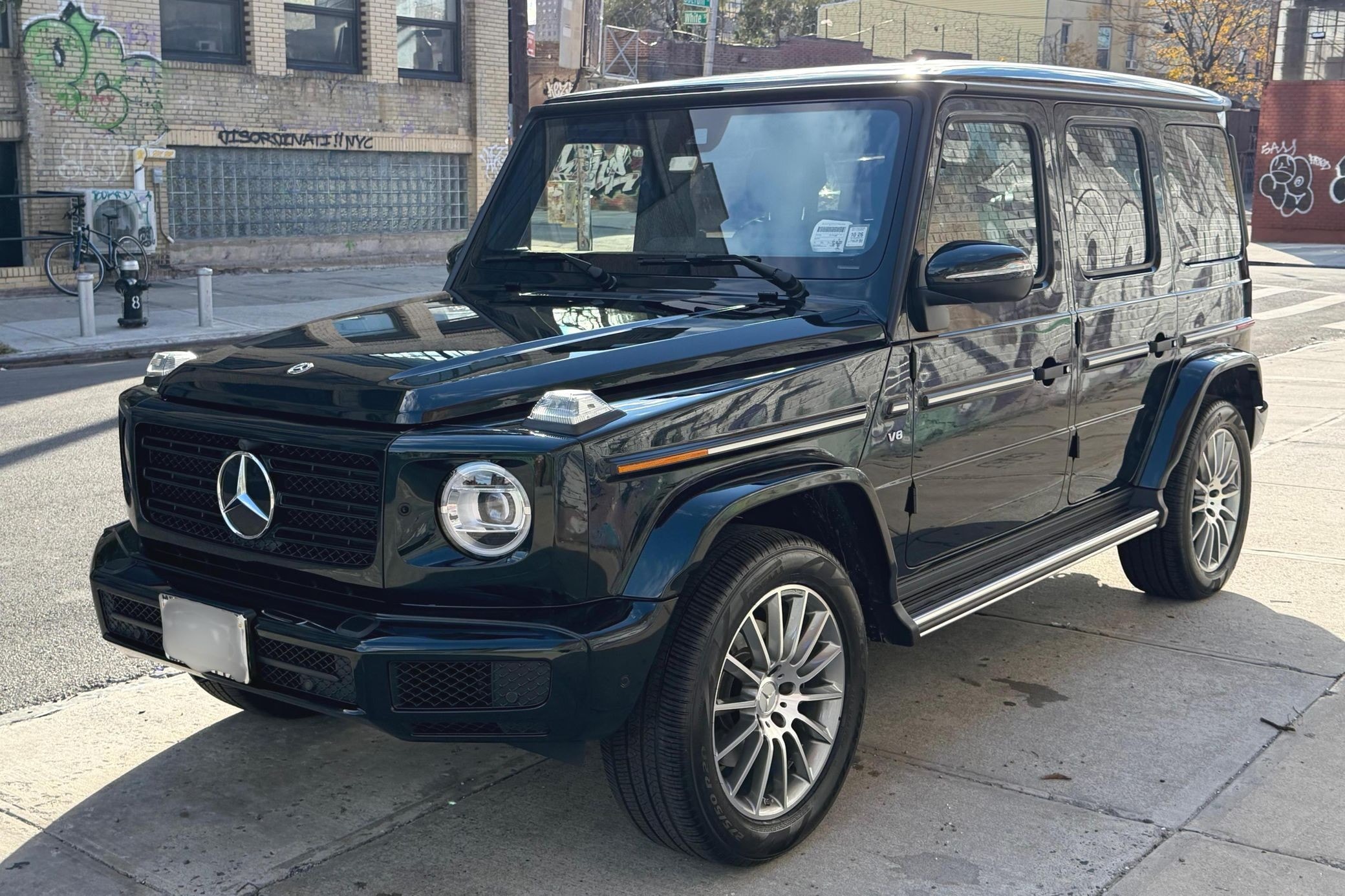
The G-Class is one of the few vehicles that can look equally at home outside a modern art museum or climbing a rutted back road. Its design language is deliberately stubborn—boxy geometry, prominent grille, and that purposeful, almost architectural utilitarianism. It’s not trying to blend in. It’s insisting on being noticed.
That stubbornness has value. When something is instantly recognizable, it becomes part of your personal brand. The G-Class carries social gravitas. People may not know the trim name, but they recognize the vibe. In a market saturated with similar-looking crossover silhouettes, the G-Class plays the long game of identity.
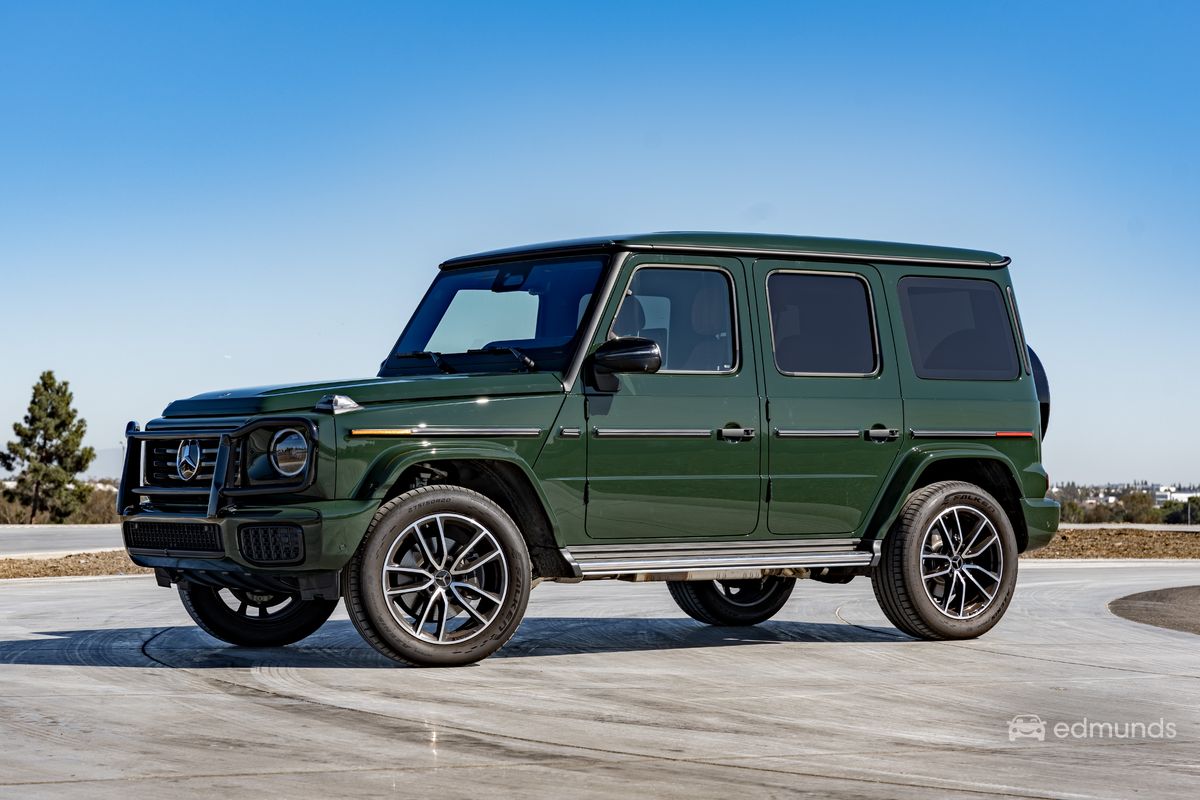
But here’s the potential wrinkle: identity is not the same as utility. A distinctive design may not rescue you from the economics of ownership. It just makes the economics harder to ignore—because you’ll keep noticing that price every time you walk out to the driveway.
Capability vs. Theater: Does It Actually Earn Its Off-Road Reputation?
The G-Class didn’t become famous by accident. Its heritage is rooted in serious capability, and its reputation for ruggedness is not purely a marketing costume. Depending on configuration, you get technologies and mechanical fundamentals designed for low-speed control, traction management, and confident maneuvering beyond paved surfaces.
Still, there’s a paradox. Many owners buy the G-Class for the way it looks and feels on-road, not because they need a low-range transfer case every weekend. That’s not wrong. It’s simply an important reality check.
If you rarely drive where roads end—if your “adventure” is a scenic highway cruise—then you’re paying for a toolbox you may not fully deploy. The G-Class can be indulgent that way. It’s like ordering a custom suit tailored for a ballroom you never attend. The suit is stunning, but the venue matters.
The Cabin Experience: Luxury You Can Feel (and Hear)
Step inside and the tone shifts. The G-Class is famously more “luxury-leaning” than many people expect, with attention to materials, ergonomics, and a driving position that communicates authority. Surfaces feel purposeful. Controls tend to be intuitive, and the overall layout aims for a blend of classic robustness with modern comfort.
There’s also a certain acoustic charisma to the experience. Depending on the drivetrain and tuning, the vehicle can deliver a low, confident soundtrack—less “noise” and more audible presence. That’s part of what owners pay for: the sense that the car belongs to a higher rung of machine-making.
Yet luxury has an amortization schedule. Premium materials are wonderful—until maintenance, repairs, or replacement parts enter the conversation. The G-Class can feel like a fortress, but fortresses still require upkeep.
Powertrains and Performance: The Price of Personality
The G-Class lineup typically offers engines tuned to deliver strong acceleration and a composed, torque-friendly character. It’s not always a sports car in disguise, but it rarely feels timid. The vehicle’s mass and heritage are undeniable, so engineers often focus on torque delivery and stability under varying loads.
There’s a subtle difference between performance and propulsion. A G-Class doesn’t just move fast; it moves confidently. That confidence can be addictive on highways and backroads alike, especially when the vehicle maintains composure over uneven surfaces.
But personality has a cost. High-performance hardware and premium systems don’t exist in a vacuum. Fuel economy may not be its defining virtue. If you’re shopping solely for efficiency, the G-Class can feel like an elegant contradiction.
Tech and Infotainment: Modern Convenience in a Retro Soul
Modern buyers expect navigation, driver assistance, connectivity, and smartphone-friendly integration. The G-Class generally meets those expectations with a suite of tech features designed to support everyday driving. It can feel surprisingly current for a vehicle that looks like it came from a different timeline.
Still, tech is where the “challenge” becomes practical. Advanced driver assistance and infotainment systems can introduce complexity. Complexity can mean higher repair costs down the road, especially once the warranty horizon shrinks.
So if you’re considering a G-Class, it’s wise to think like a long-term owner: what happens when a sensor needs replacement, when software updates are required, or when a screen module eventually ages out?
True Cost to Own: The Math That Doesn’t Care About the Badge
Here’s where the question turns from romantic to rational. A $150k+ price tag is only the beginning. Ownership includes insurance, fuel, maintenance, tires, brake components, and—depending on usage—potential repairs related to off-road stress or wear items.
Luxury vehicles often carry higher parts and labor costs. The G-Class, with its distinctive engineering and premium components, can lean even further into that reality. Even when reliability is strong, the cost of “strong” can be higher than you expect.
On the upside, G-Class resale value has historically been resilient compared to many niche luxury cars. Demand remains steady because the vehicle functions as both transportation and aspiration. But resale is never guaranteed, and market conditions shift. The best strategy is to treat resale as a hopeful variable, not a financial lifeboat.

Who It’s For: The Owners Who Don’t Need Convincing
The G-Class is worth it for people who value more than spreadsheets. It fits those who want a rare combination: luxury refinement, iconic design, and the ability—however frequently used—to handle rough conditions. It’s for buyers who like their cars with character, not bland competence.
If your lifestyle includes frequent travel, varied terrain, and a preference for vehicles with unmistakable presence, the purchase starts to make sense. The G-Class becomes less about “getting a deal” and more about securing an experience.
On the other hand, if your driving is mostly urban commuting and your priorities are low running costs and efficiency, you may find better value elsewhere. There are luxury SUVs that deliver smooth comfort and advanced features without demanding a six-figure check.
The Practical Verdict: Worth It, or Worth It to You?
So, is the Mercedes-Benz G-Class worth the $150k+ price? The honest answer is conditional. It’s worth it if you’re buying the whole package: the heritage, the engineering confidence, the luxury cabin, and the social gravity that comes with a vehicle you’ll never confuse for any other.
It might not be worth it if you expect a luxury SUV to behave like a cost-effective appliance. The G-Class isn’t built to be economical. It’s built to be exceptional.
The real test is simple: do you want a machine that costs more because it offers more—emotion included—or do you want a machine that costs less because it does the job quietly?
Outro: Keep the Question, but Choose the Answer
The G-Class is not a compromise vehicle. It’s a declaration. And declarations can be expensive, especially when the rest of the market keeps offering sensible alternatives.
Still, if you’ve felt that pull—the urge to own something that looks like it belongs on a different plane of existence—then the $150k+ price isn’t just a number. It’s the admission fee to a world where craftsmanship, capability, and unmistakable presence meet at the same intersection. The question isn’t only whether it’s worth the money. It’s whether it fits your life closely enough that you’ll never resent the cost.