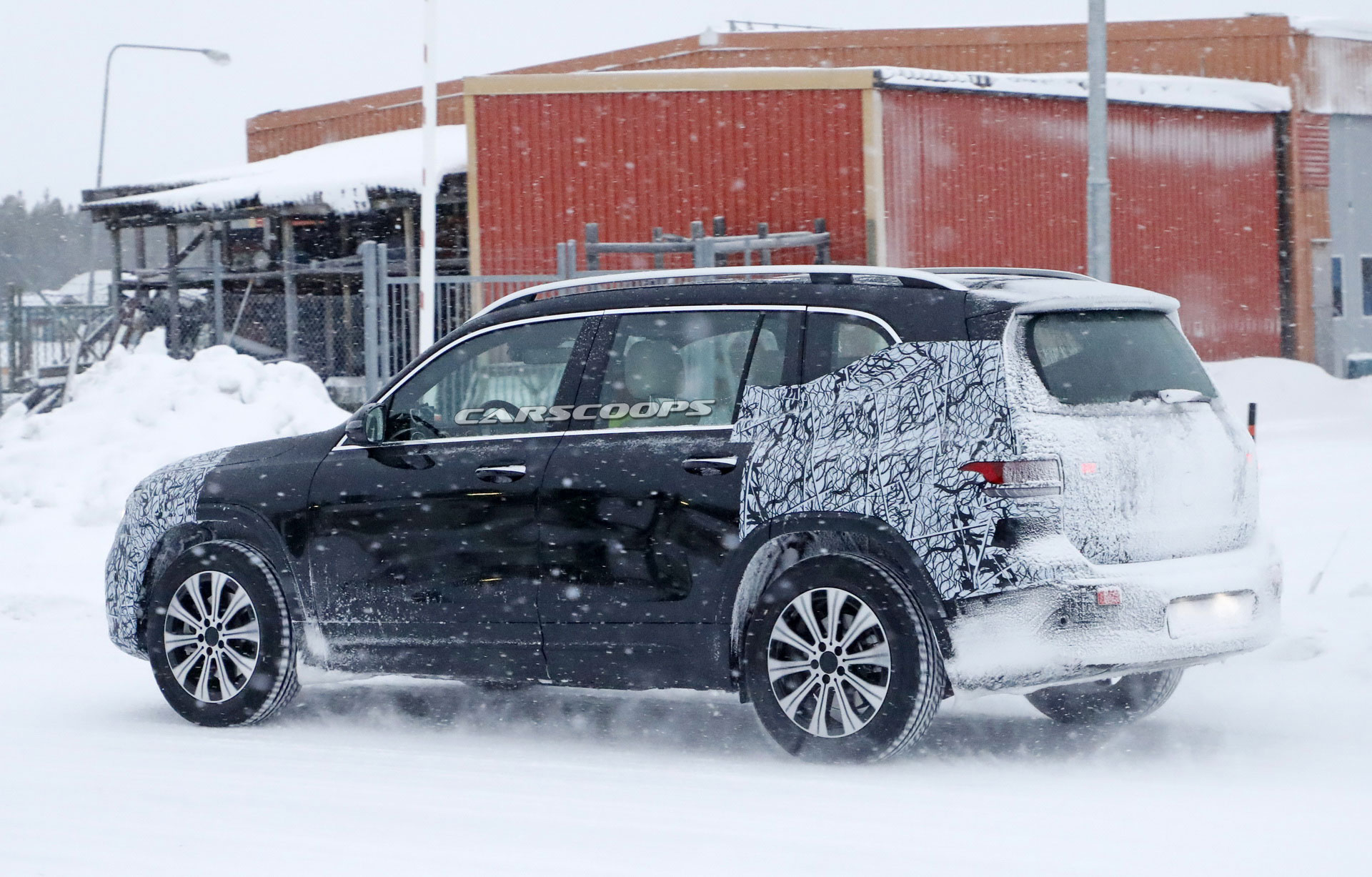
Winter has a way of turning roads into questions. A familiar commute becomes a riddle written in slush, ice-sheen, and wind-driven grit. In those moments, the Mercedes-Benz EQB doesn’t merely “drive.” It listens. It studies traction like a careful reader studies subtext, then responds with the calm certainty of an engineered whisper rather than the frantic shout of brute force.
The EQB’s winter range and snow-handling character come together like two halves of the same promise. One half is distance—how far you can go when temperatures drop and efficiency feels like it’s wrapped in frost. The other half is composure—how gracefully the vehicle translates slippery physics into controlled motion. Together, they give winter a different complexion: less ordeal, more choreography.
Winter Range: Distance in Cold Air, Not Just a Number
Range in winter is often discussed as if it were a single, static figure. But the EQB’s story is more nuanced. Cold air changes everything: battery chemistry behaves differently, cabin heating carries a larger energy appetite, and tires work harder to carve grip from slick surfaces.
Think of winter range as a thermostat negotiation. The EQB continuously balances comfort with efficiency. Heating demand—especially at the start of a trip—can be a bigger factor than many drivers expect. Yet the vehicle’s systems are designed to manage energy intelligently, helping ensure that every watt is spent with intent rather than waste.
On shorter errands, the EQB’s advantages can feel almost stealthy. Preconditioning habits—where available through connected features and scheduling—can reduce the “first cold surge” that drains range. Instead of waiting for the cabin to warm up after departure, the EQB can arrive ready, like a stage crew setting props before the curtain rises.
On longer winter runs, aerodynamic stability and steady driving matter. In snow season, speed isn’t just speed; it changes how much heat, traction, and energy the whole system must budget. The EQB encourages smoother throttle inputs and steadier pacing. It’s a car that rewards restraint. And restraint, in winter, is often the safest form of confidence.
Snow Handling Philosophy: Calm Traction and Predictable Motion
There’s a particular kind of dread that comes with snowfall—when the world turns matte, and the usual lane lines feel like suggestions. A vehicle’s response in such conditions determines whether winter is endured or simply navigated.
The EQB approaches snow handling with a strategy built for predictability. Stability systems don’t just intervene; they do so in a way that can feel measured rather than abrupt. The goal is not to make the car “fight” the snow, but to help the driver steer within the limits of traction.
Imagine the drivetrain as a pair of disciplined dancers on a ballroom floor made of ice. The wheels aren’t bullies. They’re partners adjusting their steps to the music—power delivered with tact, not chaos. When grip fades, the EQB aims to maintain a coherent balance between steering, acceleration, and vehicle attitude.
Even in deepening snow, the EQB’s traction behavior tends to feel intuitive. Rather than sudden surprises, it offers a kind of mechanical continuity. That continuity matters most on the days when the road surface seems to change every ten meters.
Grip on Snow-Covered Roads: From Soft Slush to Hard Pack
Snow is not one substance. It’s a gradient of states—fresh powder that behaves like loose flour, then slush that clings and smears, then hard-packed layers that act like a skating rink. A capable winter vehicle must handle all three.
In slushy conditions, tires need the right balance between flotation and bite. Too much wheelspin wastes energy and turns slush into a wheelbarrow of mud-like resistance. Too little torque can leave the vehicle underpowered and stranded. The EQB’s system aims to thread that needle, supporting motion without turning traction into a guessing game.
On hard pack, the challenge shifts. Surface grip becomes thinner, and sudden acceleration can become sudden slip. The EQB’s approach emphasizes traction management so the vehicle can “hold its line” and keep the driver’s intentions connected to the tires’ real-world response.
When temperatures fall further and snow becomes glassy, steering feedback changes. The best winter cars make you feel the road’s language rather than blur it. The EQB’s behavior can feel like a translator—imparting clarity from a chaotic surface.
Tires and Footwork: The Unsung Partners in Winter Success
Even the most sophisticated drivetrain can’t replace the physics of rubber. Winter tires are the difference between traction by design and traction by luck.
The EQB’s capabilities shine when paired with season-appropriate tires featuring good cold-weather compound performance and snow-focused tread patterns. Tire pressure also matters. In cold weather, tire pressure can drop, reducing contact patch effectiveness at exactly the moment you want maximum grip. Monitoring pressure becomes a small ritual—like tightening your gloves before stepping outside.
Driving technique still matters, too. In snow, the smoothness of inputs is a superpower. Gentle acceleration reduces wheelspin. Gradual braking helps keep weight distribution stable. The EQB encourages that kind of finesse, and in return it tends to reward you with confidence instead of corrections.
Cabin Comfort and Energy Use: Warmth Without the Whistle of Waste
Winter comfort is more than comfort—it’s morale. The cabin can feel like a refuge when the outside world is harsh. Yet heating can influence range, especially when temperatures dip and you want the vents to breathe warmth steadily.
The EQB’s approach aims to make cabin warmth feel continuous while supporting efficient operation. This is where the metaphor becomes essential: the cabin is like a thermal cocoon, not an open fireplace. A cocoon keeps what matters close, reducing the need to constantly “replace” warmth lost to the outside air.
Short trips become particularly interesting. Frequent door openings and quick departures can inflate energy use. However, smart habits—like preconditioning before leaving and keeping driving smooth—help ensure the EQB’s winter warmth doesn’t become a range tax.
Charging Strategy in Winter: Planning Like a Navigator
Winter reshapes charging decisions. The distance you can cover between chargers may be affected, and the cold can slow charging performance depending on conditions and battery management behavior.
Rather than viewing charging as an afterthought, treat it like navigation. Start earlier. Choose stations with reliable availability. Build a buffer. Winter is not the time for aggressive optimism; it’s the time for prudent pacing.
When charging, patience can pay off. Battery management works to maintain optimal conditions for operation. Keeping the EQB in a “ready state” for charging and departure helps maintain efficiency and reduces the sense of scrambling that winter can induce.
Real-World Snow Scenes: The EQB’s Quiet Confidence
There’s something visually compelling about an EV gliding through winter landscapes—silent, deliberate, and almost cinematic. The EQB’s demeanor in snow can feel like a practiced elegance: it doesn’t announce itself with drama; it simply moves with composure.
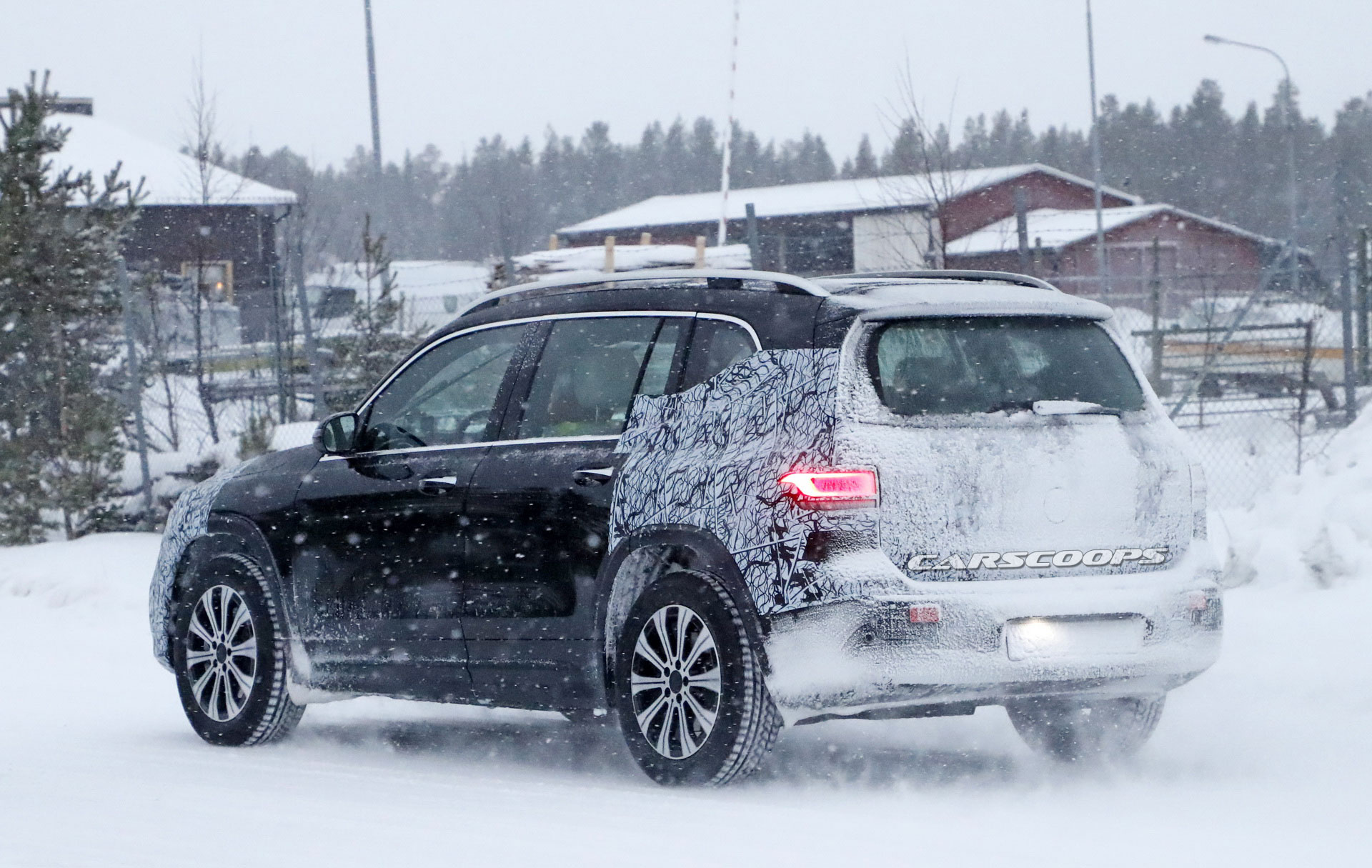
In scenes like this, the EQB’s appeal is evident. The vehicle appears to carry itself with restraint, the sort of steadiness that makes winter feel manageable rather than menacing.
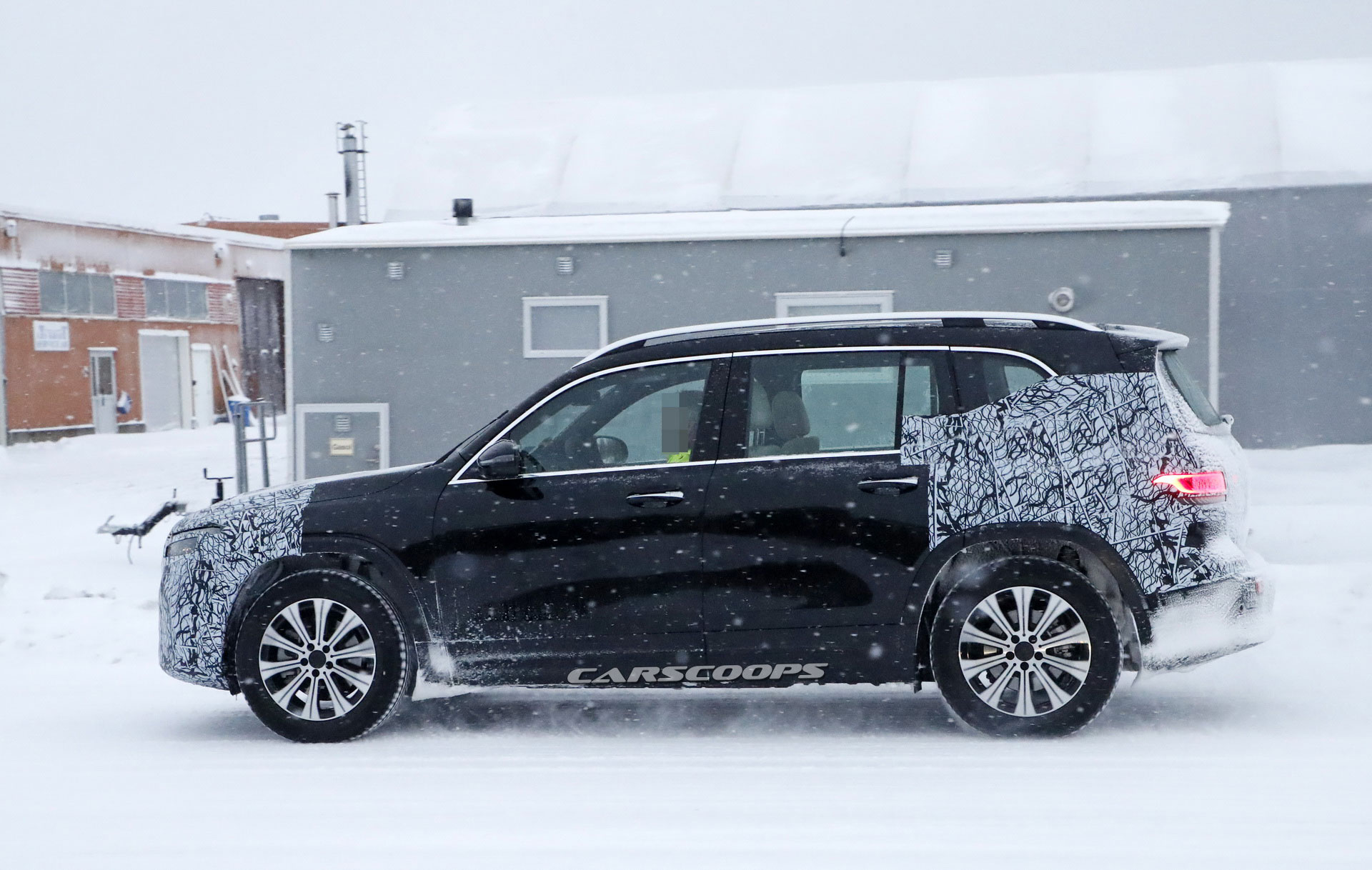
And when the snow deepens, that presence matters. It’s not just about motion—it’s about the way motion remains composed, even when the environment tries to rewrite the rules.
The EQB’s Winter Identity: Luxury That Doesn’t Flinch
Luxury in winter isn’t solely about heated seats and soft lighting. It’s also about the vehicle’s refusal to flinch when conditions grow unruly. The EQB blends comfort with traction confidence, making it feel like a fortress on wheels—yet one with a graceful, modern temperament.
Its unique appeal lies in how it handles the emotional side of winter. Winter can make drivers tense. The EQB’s calm systems, predictable response, and thoughtful energy management help reduce that tension, replacing it with a steadier rhythm.
Outro: Winter as a Road You Can Still Enjoy
Winter doesn’t need to be a season of dread. It can be a season of clarity—where you learn the value of smooth inputs, warm preparation, and realistic planning. The Mercedes-Benz EQB meets that season with an attitude that feels both practical and poetic.
Its winter range isn’t just a headline; it’s the result of balancing comfort, efficiency, and smart charging habits. Its snow handling isn’t just capability; it’s the art of controlled motion on unstable ground. Put together, the EQB turns winter travel into something closer to a guided performance than an unpredictable ordeal.
So when the first snow falls and the world turns quiet, the EQB doesn’t ask you to conquer the weather. It invites you to ride through it—calmly, confidently, and with the kind of assurance that feels earned, not assumed.