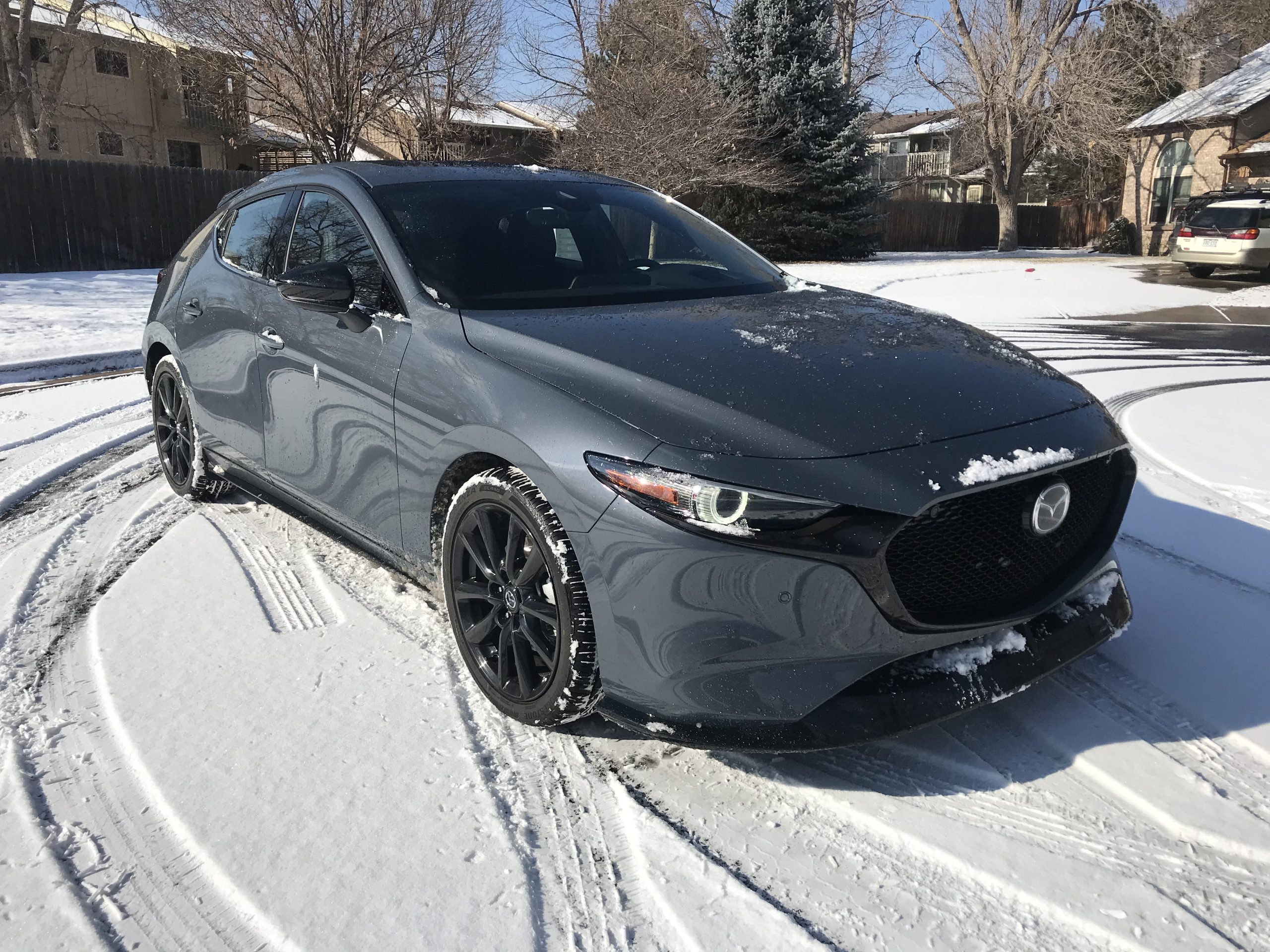
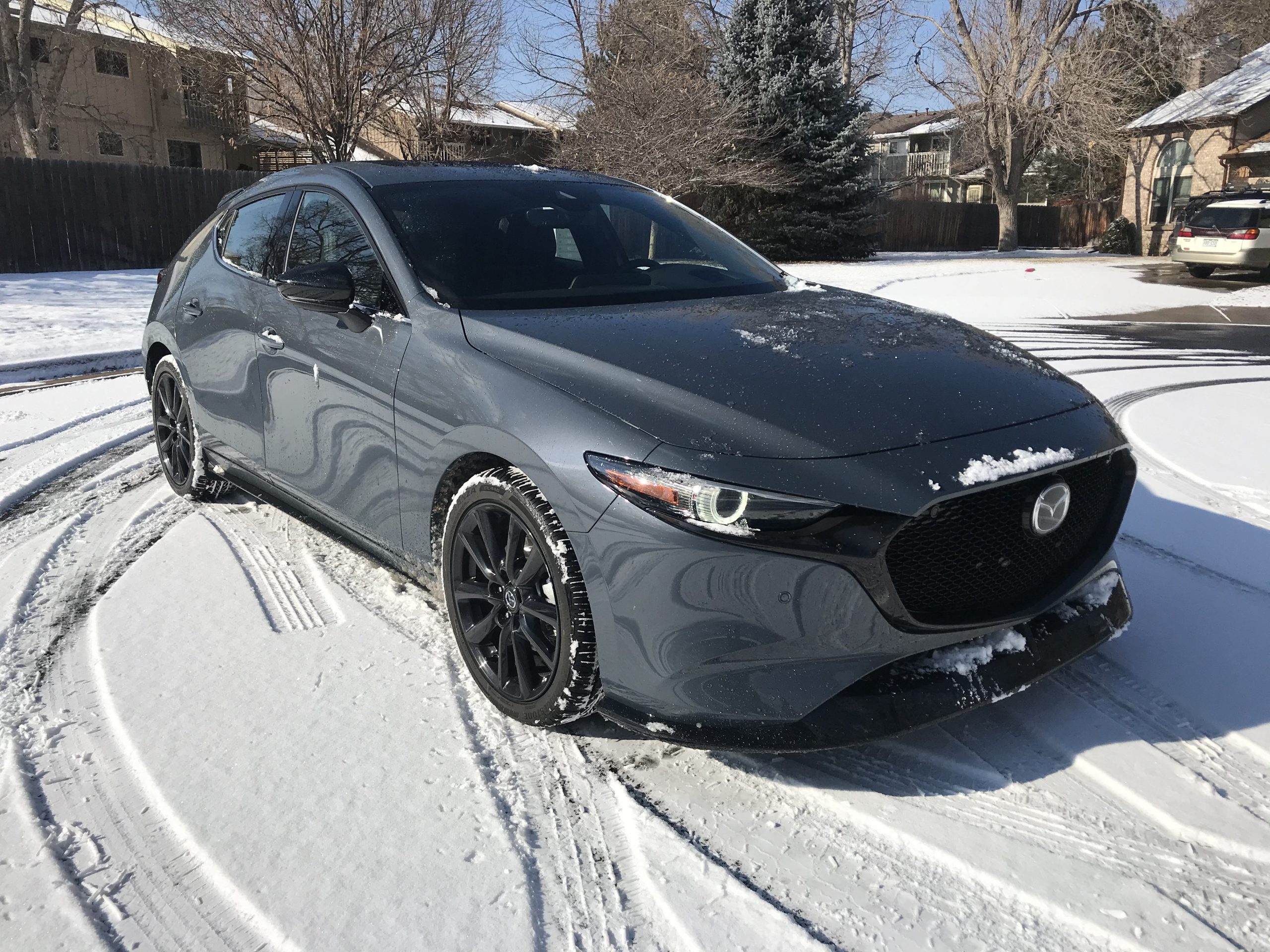
Picture this: fresh snowfall is frosting the air like powdered sugar, the windshield wipers are doing their little ballet, and the world outside is a muted blue-gray sketch. You slip into a Mazda3 Turbo Hatch, latch your attention onto the road, and then—just when you think you’re in for a cozy drive—a patch of ice appears. Not dramatic ice. Not movie-ice. The more mischievous kind. The kind that pretends to be asphalt until it isn’t.
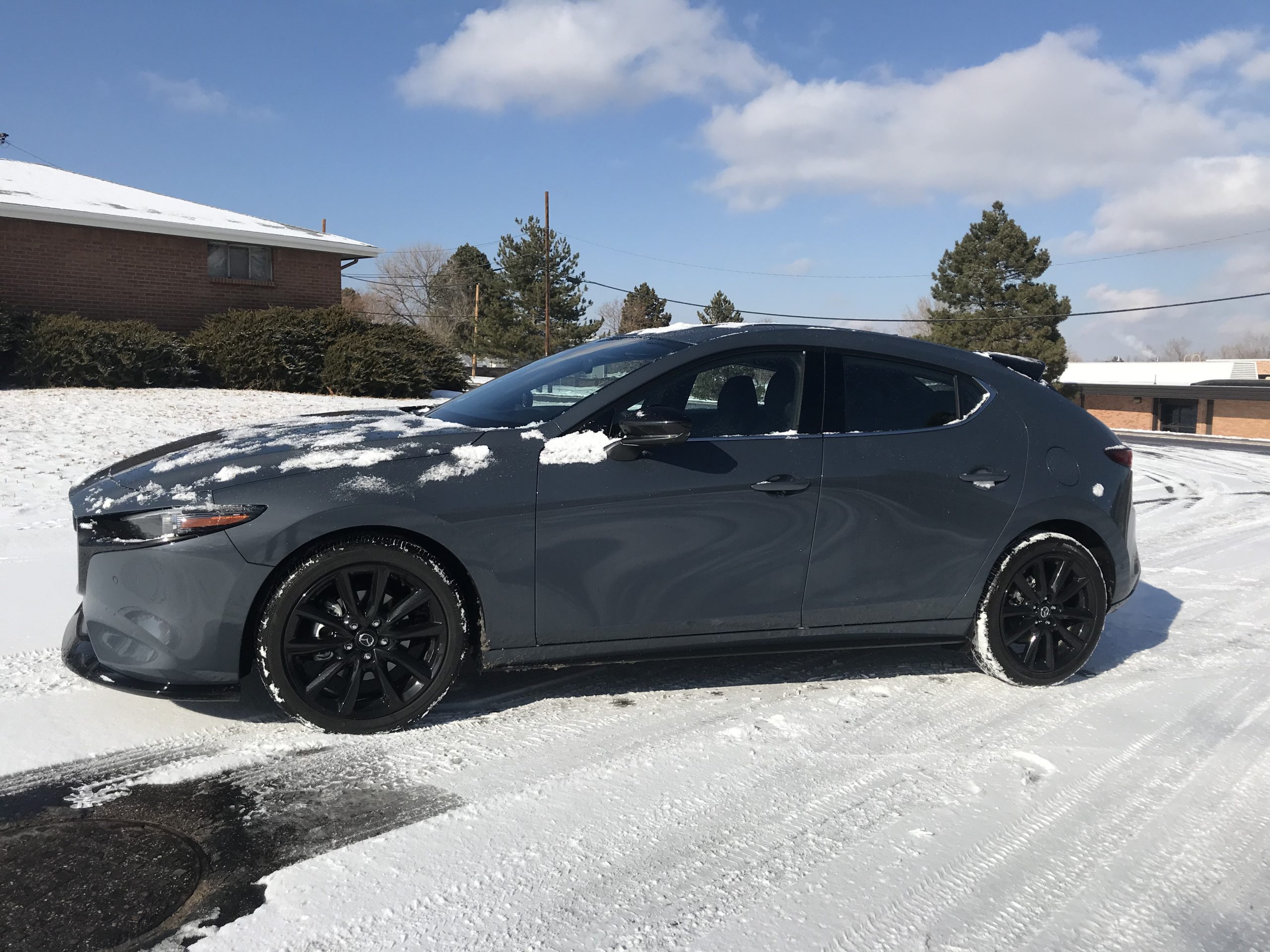
So here’s the playful question: Can a nimble turbo hatch keep its composure when winter turns the pavement into a slippery negotiation? That’s the heart of the Mazda3 Turbo Hatch winter snow & ice test—an exploration of traction, balance, steering confidence, and the little electronic “handshakes” that decide whether you glide through the storm or white-knuckle your way to the next safe corner.
Let’s push past the warm garage daydream and talk about how this car behaves when the weather stops cooperating.
First Impressions: The Cold, the Cabin, and the Mood
Winter driving begins before the wheels ever roll. The cabin becomes your thermally managed cocoon, but the real story is the interface between your intent and the car’s response. Buttons feel predictable. The driver’s sightlines matter more than usual. Short attention spans fail quickly on snowy commutes, where every bend arrives late and every distance becomes an estimate.
In the first minutes, the Mazda3 Turbo Hatch sets a tone: it feels eager but not frantic. That distinction matters. When snow muffles road texture, the steering and accelerator calibrations become your translators. You learn quickly whether the car reads your inputs with a sense of humor or with stubborn delay.
Snow Starts the Conversation: Traction and the Art of Smooth Inputs
Snow is the warm-up act, but it’s still a serious test. In loose conditions, traction disappears in a thousand tiny negotiations between tire compound and slush depth. The challenge is not only grip—it’s predictability.
On the Mazda3 Turbo Hatch, early acceleration shows a clear personality. The turbo power is tempting, and the temptation is exactly what winter punishes. The hatch encourages gentle throttle modulation—small corrections, steady pressure, no sudden yanks. That approach keeps the drivetrain from turning torque into wheelspin theater.
Longer curves are where confidence grows. As speed increases slightly, the car’s stability feels composed. It doesn’t behave like a gymnast performing for applause; it behaves like a practical partner. You can sense weight transfer, yet the chassis doesn’t seem to panic. It’s balanced in a way that feels intentional, not accidental.
Then Comes the Ice: Where Feel Becomes Fact
Ice is the plot twist. It doesn’t care about your plans. It doesn’t warn you. One moment you’re carving a path through slush; the next, the road becomes a slick rumor.
This is where the winter test becomes more than a “how fast can you go?” challenge. It turns into a question of communication: how does the Mazda3 Turbo Hatch signal reduced traction? Does it send subtle cues through the steering? Does the car remain readable when the wheels lose their grip?
As you approach icy sections, the correct strategy is restraint. Light throttle, minimal steering corrections, and patience are the magic spells. The hatch’s systems work to preserve motion with a controlled sense of purpose. If you demand aggressive torque at the wrong moment, winter answers with delay—yet the car continues to feel orchestrated rather than chaotic.
The steering response remains a key advantage. Even when grip is scarce, the driver can track the car’s intended line. That reduces the mental tax. You’re not constantly recalculating. You’re guiding.
Handling on Snowy Corners: Stability, Balance, and Chassis Confidence
Snowy corners feel like driving through a slow-motion dream where friction is optional. Body roll becomes more noticeable. However, the Mazda3 Turbo Hatch maintains a calm posture. It allows progressive turn-in rather than demanding an abrupt steering command.
In these conditions, the chassis behaves with an almost pragmatic elegance. It’s not the kind of car that punishes mistakes instantly. Instead, it invites you to drive with finesse—gradual inputs, mindful speed selection, and smooth transitions.
As the test continues, you notice that the hatch doesn’t become nervous as the road tightens. It stays composed, with a traction-preserving strategy that feels aligned with the steering rather than fighting against it.
Braking Performance: Stopping Without Drama
Braking on winter surfaces is a choreography of friction. Press too hard and the tires may search for grip. Release and reapply too often, and momentum becomes a confused beast.
During the snow & ice test, braking is less about maximum deceleration and more about repeatability. The Mazda3 Turbo Hatch emphasizes consistency. Pedal feel stays interpretable, which matters when visibility is reduced and surfaces are uneven.
In icy patches, the goal isn’t to “win” against physics. It’s to stop in the shortest distance while maintaining control. The car’s braking behavior feels measured, helping the driver maintain directional stability. You can steer with intention even under hard stops—an underrated capability when winter turns intersections into roulette tables.
Power Delivery in Cold Weather: Turbo Temperament
A turbocharged engine adds a new layer to winter driving. Boost makes acceleration feel effortless—until the road reminds you that power is meaningless without traction. The real test is how power arrives when it’s cold, when the tires are stiff, and when the surface is inconsistent.
The Mazda3 Turbo Hatch doesn’t turn into a runaway comet. Instead, it delivers thrust in a way that remains manageable, especially when throttle is treated like a volume knob rather than a switch.
This is where the playful question returns: can it keep its composure when winter challenges it with surprise? In practice, yes—but only if the driver respects the environment. Winter isn’t a performance contest. It’s a collaboration.
Visibility and Driver Workload: The Unseen Test
Snow and ice aren’t only on the road. They’re everywhere: on the mirror edges, on the hood lines, on the air where refraction turns distance into fogged math.
Driver workload is the hidden scorecard. Clear wiper behavior, effective cabin airflow, and intuitive controls reduce fatigue. The less you strain to read the road, the more your hands and eyes can focus on grip and line.
During the test, the hatch feels designed for sustained attention. You’re not battling the interface. You’re driving the situation.
So, How Does It Perform Overall?
The Mazda3 Turbo Hatch handles winter conditions with a blend of confidence and restraint. It encourages smooth inputs, rewards patience, and keeps the chassis readable when traction gets stingy. Snow becomes a playground of progressive control. Ice becomes a stern teacher—one that demands respect, not bravado.
If there’s a challenge to take seriously, it’s this: winter tempts drivers into overconfidence by allowing short moments of grip. The real win is consistency—gentle acceleration, deliberate braking, and measured steering. In that way, the hatch feels less like a superhero and more like a capable teammate with good manners.
Outro: Winter’s Final Riddle
When the snow settles and the last icy patch fades behind you, the question lingers like exhaust warming in the cold. Was the Mazda3 Turbo Hatch built for winter moments—or only for sunny assurances?
After the snow & ice test, the answer feels satisfyingly practical: it’s built for real weather, not just real marketing. It meets winter on its terms, offering a controlled, confident experience when conditions demand humility. And the best part? You finish the drive not exhausted by uncertainty, but energized by mastery—like you just learned how to speak winter fluently.