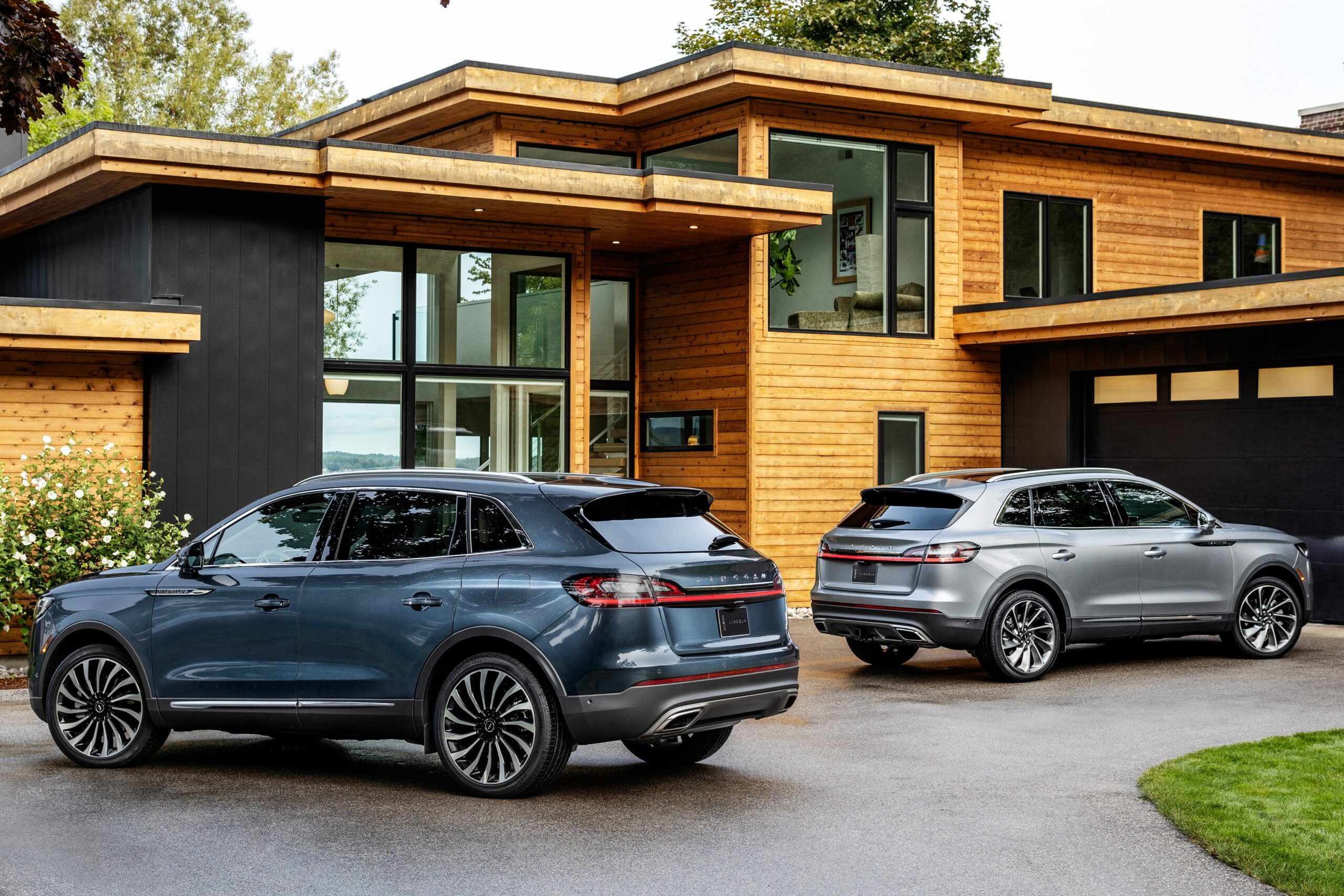
There’s a particular kind of confidence that shows up on a highway long before you ever reach the next exit. It sounds like tires whispering over asphalt. It feels like steering that’s calm instead of fidgety. And it looks—almost on purpose—like a vehicle that knows you’re going to ask it for more than just point-and-go commuting. So here’s the playful question: what if your family crossover also wanted to be a highway cruiser with manners, muscle, and a touch of mischief? The 2021 Lincoln Nautilus makes that case. Still, it may also pose a challenge—because once you experience its blend of comfort and polish, it’s hard not to wonder whether other crossovers feel a little too… busy.
Let’s take a thorough look at how the Nautilus earns its place on the road, where it shines, where it asks for compromises, and what it’s like to live with day after day. Buckle up—metaphorically. You’re about to find out whether this Lincoln is the kind of companion that stretches the distance without shortening your patience.
A Highway Cruiser, Not Just a Crossover
The 2021 Lincoln Nautilus wears its purpose with a certain theatrical restraint. It isn’t trying to win a drag race or out-dance a corner. Instead, it focuses on something more difficult: sustaining composure at speed. On long stretches, the ride feels intent on smoothing out the road’s irregularities. Short jolts get muted. Patchwork pavement becomes less of an event and more of background texture.
That cruiser mentality shows up in the way the Nautilus handles wind and noise. It’s not silent like a vault, but it’s controlled enough that conversations remain comfortable and music stays intelligible. You may find yourself leaving earlier than planned, just to feel the uninterrupted flow of the drive. Then, the potential challenge arrives: once you’re used to this level of refinement, “acceptable” rides can start to feel like a downgrade.
Design That Communicates Without Shouting
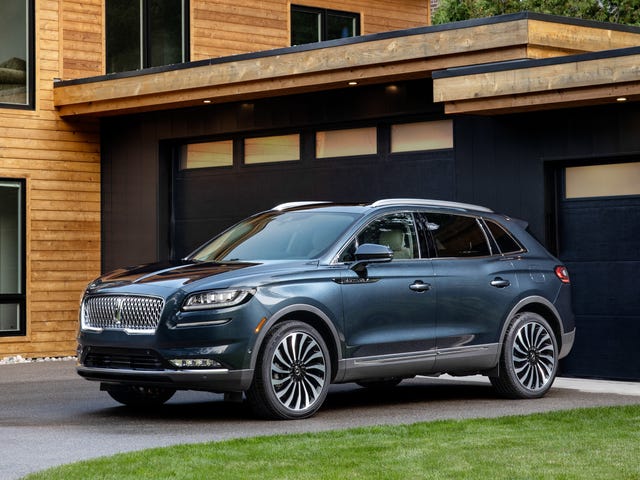
Lincoln doesn’t flood the senses with aggressive styling. Instead, it builds anticipation through proportion, light, and detail. The Nautilus has a poised stance that looks planted even when it’s moving. The front end—especially with its signature lighting—reads as more deliberate than decorative. Everything feels composed, like the designer chose restraint over spectacle.
On the road, that design language translates into a subtle authority. It makes the vehicle feel substantial, not bulky. And while appearances can be deceiving, the cabin follows through. You sit down and immediately sense that this isn’t a “throw cushions in and call it luxury” situation. The materials and layout have an organized calm to them.
Cabin Atmosphere: Comfort With a Silver-Lining Feel
The Nautilus cabin is where the highway-cruiser promise becomes tangible. Seating is engineered for long drives, with supportive geometry that doesn’t force you into a single posture. Even after an hour, the sensation is less “tired” and more “comfortable enough to continue.”
Climate control and ventilation feel thoughtfully tuned. There’s a sense that the cabin is trying to maintain a stable environment rather than just react to temperature swings. The overall effect is cozy, but not cluttered. You get an upscale atmosphere with enough clarity for daily use—commutes, errands, and family routines included.
Here’s the quirky part: the cabin makes you want to slow down mentally. It doesn’t demand attention. It invites it. And that can become a challenge if you prefer a more raw, sporty feel from your crossover—this Lincoln favors serenity.
Technology and Infotainment: Modern, Familiar, and Smooth
In 2021, most vehicles can offer a screen. The difference lies in how that screen behaves when you’re using it. The Nautilus aims for usability, with an infotainment experience that keeps you oriented. Controls are arranged with driver accessibility in mind, so you don’t have to play menu roulette while merging.
Navigation, media, and connectivity are designed to be part of the flow rather than an interruption. You might find that the system responds with a pleasing confidence, reducing the small frustrations that can accumulate on daily drives. That matters because even minor irritations can undermine the benefits of a comfortable ride.
Potential challenge: if you’re the type who craves the fastest possible response times and the most cutting-edge feature set in the class, you’ll want to test the specific trim you’re considering. Some setups may feel more “luxury conservative” than “tech aggressive.”
Powertrain and Performance: Enough Muscle to Feel Effortless
The 2021 Lincoln Nautilus doesn’t have to advertise its capability. The driving experience suggests competence from the moment you press the accelerator. Acceleration feels purposeful, especially for highway passing and merging. The transmission works to keep the engine in its productive range without making shifts feel like theatrics.
On winding roads, the Nautilus remains composed rather than confrontational. Steering provides feedback that’s more informative than vague, though it’s tuned for comfort. Think of it as confident gliding instead of constant steering drama.
When you load the vehicle—passengers, cargo, maybe a week’s worth of errands—the powertrain still feels willing. That’s the kind of capability that turns errands into manageable tasks and road trips into relaxed adventures.
Ride Quality, Handling, and Stability
Ride quality is the Nautilus’s defining feature. It handles expansion joints and uneven surfaces with a deliberate filtering effect. The suspension doesn’t float endlessly, and it doesn’t jolt aggressively. Instead, it finds a middle path—one that helps the cabin remain calm even when the road isn’t.
Handling is tuned for stability. The vehicle feels planted during highway cruising, and it inspires trust during lane changes. It isn’t designed to feel like a sports sedan, but it does avoid the vague floatiness that can make longer drives fatiguing.
The challenge arrives in expectation: if you’re comparing the Nautilus to more performance-oriented crossovers, you may initially interpret its comfort tuning as softness. Spend some time driving it, though, and the “softness” becomes composure—almost like the car is refusing to pick fights with the pavement.
Interior Practicality: A Cruiser That Still Works for Life
Luxury is great until you need to fit groceries, strollers, or weekend gear. The Nautilus balances refinement with everyday functionality. Cargo space is usable, and the rear seating arrangement supports passenger comfort without turning the cabin into a cramped waiting room.
Visibility is another practical advantage. Good sightlines make city driving less stressful, while outward confidence helps in parking and maneuvering. When a vehicle is comfortable and predictable, you spend less time thinking and more time moving.
Potential challenge: higher trims and option packages can complicate the value equation. It’s wise to check what features you truly need versus what you just want for the thrill of it.
Safety and Driver Assistance: Confidence in the Middle of Chaos
On highways, safety isn’t just about avoiding accidents—it’s about reducing workload. The Nautilus offers driver assistance features intended to support awareness and help you stay oriented. Adaptive assistance and monitoring systems can make long stretches less mentally taxing.
That matters when traffic thickens or when weather shifts unexpectedly. The best driver-assist systems don’t replace attention; they help manage it. You remain in control, but the vehicle contributes a calming layer of vigilance.
Challenge to consider: no system is magic. It’s smart to understand how each feature behaves in real driving conditions and to test the suite where possible.
Fuel Economy and Real-World Expectations
Efficiency is rarely the headline for a luxury cruiser, but it still plays a role in the overall ownership experience. The Nautilus aims for a balance between power and practicality. How you drive—smooth cruising versus spirited bursts—will shape your results.
The bigger story is how fuel economy feels in context. A comfortable cruiser often encourages relaxed driving, and that kind of driving can improve consumption. It’s an indirect win: the car encourages better habits.
Potential challenge: if you expect sports-car thrills on every on-ramp, your efficiency goals may take a detour.
Who Should Buy the 2021 Lincoln Nautilus?
The Nautilus suits drivers who want a quiet sense of confidence. It’s for families that value comfort, couples chasing long weekends, and commuters who want their vehicle to feel like a sanctuary instead of a chore.
If you prioritize ride quality, calm cabin design, and refined highway composure, the Nautilus makes a persuasive argument. And if you’re the kind of person who notices the difference between “adequate” and “excellent” in daily life, you’ll probably feel it quickly.
But if you want razor-sharp sporty handling, ultra-aggressive tech, or a no-nonsense, bare-metal driving feel, you may find yourself comparing it to alternatives more often than you’d like.
Final Thoughts: The Challenge It Leaves Behind
The 2021 Lincoln Nautilus earns its title as a highway cruiser through its composure, comfort, and controlled refinement. It doesn’t feel like it’s trying to impress you with gimmicks. Instead, it impresses you by making the entire drive—especially the long ones—feel easier than it should.
And that’s where the challenge lives. After spending time in a vehicle that treats the road like an invitation rather than an obstacle, other crossovers may begin to feel a little too loud, too stiff, or too restless. The question becomes less “Is the Nautilus good?” and more “What will you do now that your expectations have been gently raised?”