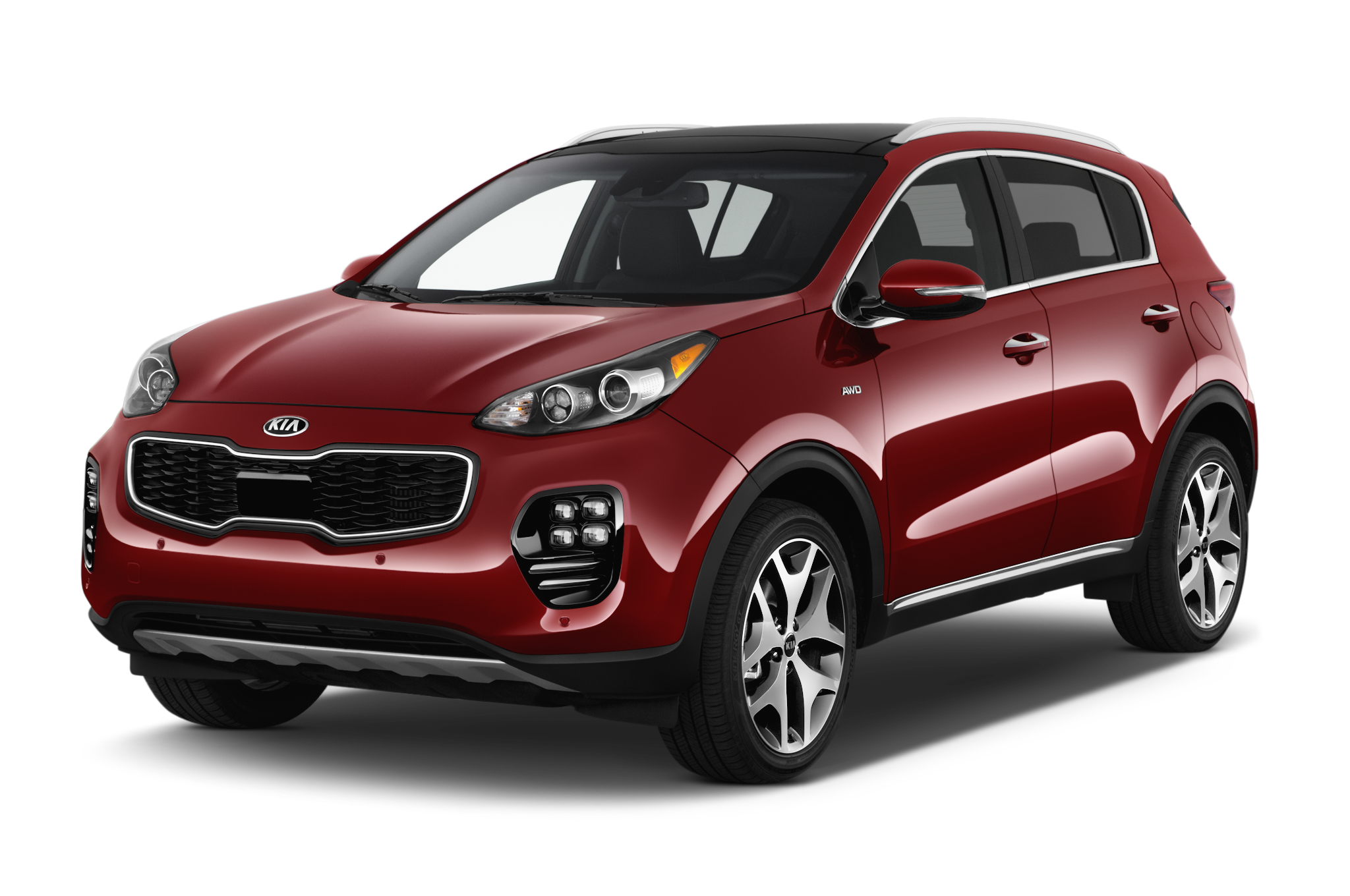
Two names, two silhouettes, and one recurring question for drivers who want an SUV that feels like more than a compromise: Which Kia SUV fits you—Sportage or Telluride? It’s an observation you’ve likely heard in lots of parking lots and family conversations. Someone mentions the Sportage for its agility, then another person counters with the Telluride’s spacious comfort. On the surface, the comparison looks straightforward—size, seating capacity, and road presence. But the real fascination runs deeper. People don’t just choose cars; they choose atmospheres. And in the case of these two Kia models, the atmospheres are distinct, even when they share the same brand DNA.
Think of the Sportage as a brisk, city-minded companion with a knack for adaptation. Picture the Telluride as a well-orchestrated stage for family life, where every seat seems designed for a different kind of moment—quiet conversations, loud laughter, long stretches of highway conversation. The deeper question isn’t only “Which one is better?” It’s “Which one matches the rhythm of your days?”
At a Glance: How Size Shapes the Experience
The most immediate difference is physical scale. The Telluride occupies a larger footprint, and that translates into a cabin that feels more like a retreat than a vehicle. The Sportage, by contrast, delivers a compact advantage that’s easier to maneuver in tight neighborhoods, parking structures, and winding city routes.
Size is not merely a number on a spec sheet; it changes how you breathe in the cabin. Larger vehicles tend to dampen the sense of motion. There’s more room for belongings to disappear from view. The result can feel surprisingly calming—especially on road trips or when daily life requires frequent hauling of “just one more thing.”
Smaller SUVs, like the Sportage, often deliver a different kind of calm: control. The steering feels more direct. Turning becomes less of a negotiation. When your routine includes quick errands and frequent parking, that ease becomes addictive.
Seating and Versatility: Who Needs More Space?
When people compare the Sportage and Telluride, they’re usually steering toward seating needs. The Telluride is built for groups, with a layout that supports multi-person life—families, carpools, and that one friend who always has snacks “in the trunk.” If you often travel with more than two adults, the Telluride’s proportions turn practical.
The Sportage can absolutely handle everyday seating demands, but its main strength is flexible usability rather than maximum occupancy. It suits drivers who want SUV capability without feeling swallowed by a larger vehicle. For many owners, that’s the sweet spot: enough space for weekend errands, gear, and occasional passengers—without the larger vehicle mindset.
There’s also an emotional aspect to seating. More rows can mean more connection. Yet it can also mean more complexity—more steps to fold, stow, and access. The Telluride tends to reward those who value a “do it all” setup. The Sportage tends to reward those who prefer simplicity that doesn’t feel under-equipped.
Driving Dynamics: The Subtle Art of Feeling in Control
On the road, these vehicles express different philosophies. The Sportage often emphasizes responsiveness and composed agility. You tend to feel the car working with you—an engagement that makes commutes less monotonous. It’s the kind of SUV that encourages smooth lane changes and confident merges. The chassis character communicates intent.
The Telluride, in comparison, leans toward a more relaxed, confident demeanor. It’s engineered to absorb imperfections and maintain composure over longer distances. You feel less “busy” behind the wheel, more settled. Even when speed increases, the cabin often feels cohesive and insulated from the chaos of the outside world.
So the common observation—“Sportage is nimble, Telluride is comfortable”—is accurate. But the deeper reason it sticks is this: your stress profile matters. If your day is full of intersections, tight spaces, and frequent stops, nimbleness becomes a quiet form of relief. If your day stretches into long drives and family logistics, comfort becomes an anchor.
Comfort and Cabin Atmosphere: More Than Soft Materials
Comfort isn’t only about seats. It’s about how the cabin organizes space around the driver. The Telluride’s larger layout often enables a more panoramic sense of roominess. Higher visibility, easier circulation, and a quieter ride can turn the drive into a kind of decompression. There’s a “gathering” quality to it—like the cabin is designed for people, not just transportation.
The Sportage’s cabin, though typically more compact, can still deliver a refined feel. Its comfort tends to be “focused”—everything is nearer, more immediate. In daily driving, that closeness can feel efficient, even inspiring. Short trips feel purposeful. Everyday routines feel streamlined.
Both can feel premium in their own way. The fascination many drivers experience isn’t just aesthetic. It’s sensory coherence: the way sound levels, visibility, and seat positioning align with your expectations.
Technology and Driver Assistance: Confidence, Not Just Convenience
Modern SUVs increasingly market themselves with technology. Yet the value of these features becomes real when they reduce cognitive load. Driver assistance systems can help with maintaining lane position, handling blind spots, and easing highway fatigue. For drivers who often manage tight traffic or long commutes, those features can feel like a second set of eyes—subtle, but meaningful.
The Telluride often appeals to drivers who want tech integrated with family practicality. Think about multi-person road trips: navigation for everyone’s schedule, connectivity for quick entertainment, and driver aids that make the entire experience smoother. It’s not about showing off; it’s about maintaining momentum.
The Sportage tends to attract people who want a tech-forward cabin that still feels manageable. When daily life involves frequent parking and quick turns, a well-designed interface can make the difference between frustration and flow.
Fuel Economy and Ownership Reality: The Economics of Daily Life
Budget conversations are rarely romantic, but they are essential. Fuel economy impacts how often you stop, how you plan routes, and how your monthly expenses behave. Compact SUVs often have an edge in efficiency, while larger SUVs—like the Telluride—trade that for more space and a more enveloping ride.
However, economics is broader than fuel. Insurance costs, tire consumption, and how frequently you use additional seating all factor into the real cost of ownership. If the Telluride’s extra capacity stays underused, you’re paying for volume you don’t always need. If the Sportage’s compactness doesn’t leave room for your usual gear and passengers, you’ll feel the inconvenience every day.
Here’s the deeper trick: match the vehicle’s strengths to your habits. The best SUV is the one that minimizes your repeated “small inconveniences.” Those tiny frictions are what eventually compound into regret.
Cargo and Everyday Utility: Where Your Life Actually Goes
Load space is where many comparisons become emotionally vivid. Think of grocery runs with bags that need protection, stroller folds that demand clearance, or weekend gear that seems to multiply during packing. The Telluride generally offers a more accommodating cargo scenario, with room to keep everyday items organized and out of sight.
The Sportage can still be practical—especially for drivers who prefer lighter hauling or who keep their organization deliberate. The compact nature can also make it easier to load and unload, because you’re working with a more approachable vehicle height and footprint. Less searching for storage means more spontaneity.
When you choose between them, ask a simple question: do you regularly need “room for everything,” or do you mainly need “room for what fits your routine”? The answer tends to be more revealing than any spec.
Which One Fits You? A Clearer Decision Framework
If your life is frequently social and multi-person—school pickups, family road trips, weekend events—then the Telluride often feels like the natural extension of your lifestyle. Its larger presence supports the logistics of togetherness. It turns driving into hosting.
If your life is more urban, more agile, and more schedule-driven—daily errands, commuting, and quick parking challenges—then the Sportage tends to resonate. It offers the SUV identity without demanding a larger-vehicle commitment. It’s the right fit when you want confidence in motion and ease in daily handling.
Yet the most meaningful decision goes beyond “need.” It’s about fascination: the kind of satisfaction you anticipate when you press the Start button. Some drivers are captivated by the feeling of spacious calm. Others are captivated by the precision of compact control. Either response is valid. Both are forms of clarity.
Final Thoughts: The Right Kia Is the One You’ll Live With
Choosing between Kia Sportage and Kia Telluride is less like picking between two models and more like selecting a daily companion for your habits, your people, and your pace. The Sportage tends to favor nimble practicality and city-friendly confidence. The Telluride tends to favor family-ready space and a comfortable, composed road presence.
In the end, the better SUV is the one that reduces friction, strengthens routine, and makes your time behind the wheel feel aligned with your life. When the match is right, driving stops being a task. It becomes a rhythm you look forward to.