Picture this: You’re cruising down the highway in your Kia, windows down, music up, the open road stretching before you like an endless ribbon of possibility. The engine hums with quiet confidence, the suspension gliding over imperfections as if they were nothing. But beneath that seamless experience lies a truth most drivers overlook—one that could save you thousands, or even keep you from being stranded on the side of the road with a bill that makes your wallet weep.
Kia maintenance costs aren’t just numbers on a spreadsheet. They’re the silent guardians of your vehicle’s longevity, the unsung heroes that determine whether your car becomes a trusted companion or a financial black hole. And here’s the twist: what you think you know about Kia maintenance might be completely wrong. Let’s shatter the myths, expose the hidden truths, and arm you with the knowledge to navigate your Kia’s care like a seasoned pro.
The Kia Warranty Mirage: What’s Really Covered (and What’s Not)
At first glance, Kia’s warranty seems like a fortress of protection—a 10-year/100,000-mile powertrain warranty and a 5-year/60,000-mile bumper-to-bumper guarantee. But here’s the catch: warranties don’t cover everything. Routine maintenance? That’s on you. Wear-and-tear items like brake pads, tires, and wiper blades? Also your responsibility. The warranty is a safety net, not a maintenance plan.
Many drivers assume that because their Kia is “under warranty,” they can skip oil changes or ignore squeaky brakes. That’s a dangerous misconception. Warranties often require proof of regular maintenance—meaning if you skip a $50 oil change, you might void a $5,000 engine repair. The lesson? Treat your warranty like a high-stakes contract, not a free pass.
The Real Cost of Skipping Maintenance: A Domino Effect of Disaster
Imagine this: You delay an $80 tire rotation because “it’s not that important.” Two months later, your tires wear unevenly. Now, you’re looking at a $600 alignment bill. Skip that too? Congratulations—you’ve just voided your warranty and turned a minor inconvenience into a major expense.
This is the domino effect of deferred maintenance. A $20 air filter replacement today could prevent a $2,000 catalytic converter failure tomorrow. A $150 coolant flush might spare you from a $4,000 engine rebuild. Kia maintenance isn’t just about keeping your car running; it’s about preventing a financial avalanche. The key? Don’t wait for the warning lights—stay ahead of the curve.
Oil Changes: The Unsung Hero of Engine Longevity
Let’s talk about the most basic—and most critical—maintenance task: oil changes. Kia recommends changing your oil every 7,500 miles or six months, whichever comes first. But here’s the kicker: that’s for synthetic oil. If you’re still using conventional oil, you’re playing Russian roulette with your engine.
Synthetic oil costs more upfront ($50–$80 vs. $30–$50 for conventional), but it lasts longer, protects better, and keeps your engine cleaner. Over time, that translates to fewer repairs and a longer lifespan for your Kia. Think of it as an investment in your car’s future. Skimp on oil changes, and you’re essentially burning money—literally. Sludge buildup from old oil can turn your engine into a paperweight, and that’s a repair bill no one wants to face.
Brake System: The Silent Screamer You Can’t Ignore
Your brakes are the unsung heroes of every stop, every turn, every near-miss on the road. But they don’t last forever. Kia recommends inspecting your brake pads and rotors every 15,000 miles. Ignore that, and you’ll start hearing a high-pitched squeal—a sound that’s less a warning and more a death knell for your wallet.
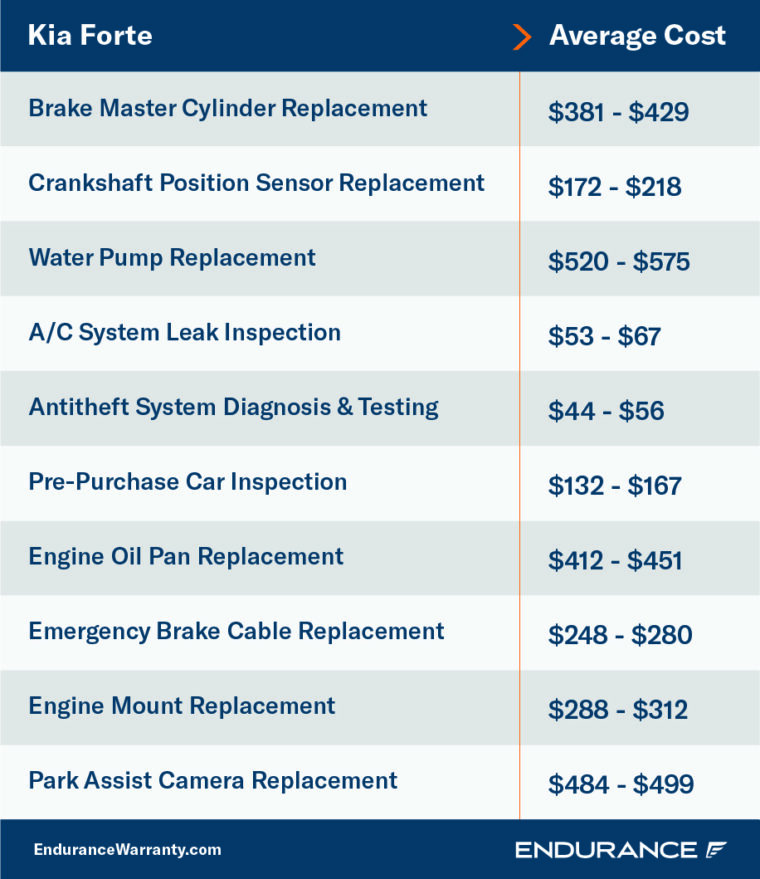
Brake pads typically cost $100–$300 per axle to replace, while rotors run $200–$400. But if you let them wear down completely, you’re looking at $1,000+ for damaged calipers and warped rotors. The moral? Listen to your car. A squeak isn’t just annoying—it’s a cry for help.

Tires: The Foundation of Safety and Savings
Tires are the only part of your Kia that touches the road. Yet, they’re often the most neglected. Kia recommends rotating your tires every 7,500 miles to ensure even wear. Skip that, and you’ll burn through tread unevenly, forcing premature replacements.
Tire rotations cost $20–$50, but a full set of new tires? That’s $500–$1,200. And if you ignore alignment issues? You’ll burn through tires faster than a teenager burns through a Netflix subscription. Check your tire pressure monthly—underinflated tires reduce fuel efficiency and accelerate wear. It’s a small habit with big payoffs.
The EV Factor: Maintenance for the Electric Revolution
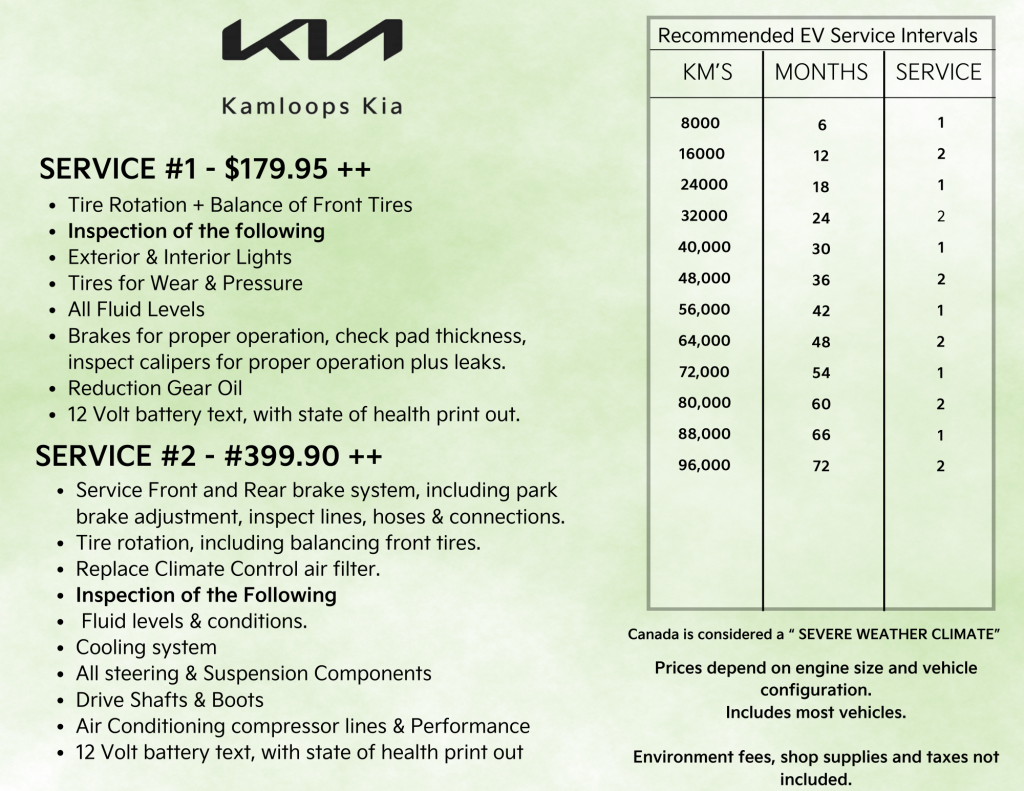
Kia’s electric vehicles (EVs) are changing the game. No oil changes. No spark plugs. No exhaust systems. But that doesn’t mean maintenance is obsolete. EVs still need tire rotations, brake inspections, and battery health checks. The difference? The costs are lower, but the stakes are higher.
A Kia EV6’s battery degradation is a silent killer. Over time, its capacity dwindles, reducing range. Regular diagnostics can catch issues early, saving you from a $10,000 battery replacement. And while EVs have fewer moving parts, they’re not maintenance-free. Ignore them, and you’ll pay the price—literally.
DIY vs. Dealer: Where to Spend Your Maintenance Dollars
Should you tackle maintenance yourself or trust the pros? It depends. Oil changes and air filters are DIY-friendly, saving you $20–$50 per service. But brake jobs, transmission flushes, and complex diagnostics? Leave those to the experts. A botched brake job can turn a $200 repair into a $1,000 nightmare.
Kia dealerships aren’t just for warranty work—they have access to the latest service bulletins and genuine parts. Independent shops can be cheaper, but make sure they use OEM or high-quality aftermarket parts. Cut corners here, and you’ll pay later.
The Long Game: How Maintenance Saves You Thousands
Here’s the truth no one tells you: Regular maintenance isn’t an expense—it’s an investment. A well-maintained Kia holds its value better, runs smoother, and lasts longer. Compare that to a neglected car, which depreciates faster and requires costly repairs. Over a decade, the difference could be $5,000–$10,000 in your pocket.
Think of maintenance like a gym membership for your car. Skip the workouts, and you’ll pay the price in injuries (or breakdowns). Stay consistent, and you’ll enjoy peak performance for years to come.
The road ahead is long, and your Kia is built to handle it. But like any partnership, it thrives on care, attention, and a little foresight. Maintenance isn’t a chore—it’s the secret sauce that turns a good car into a great one. So, the next time you hear that faint squeak or feel that slight vibration, don’t ignore it. Your Kia isn’t just a machine; it’s a promise of countless miles ahead. And with the right care, that promise will never break.