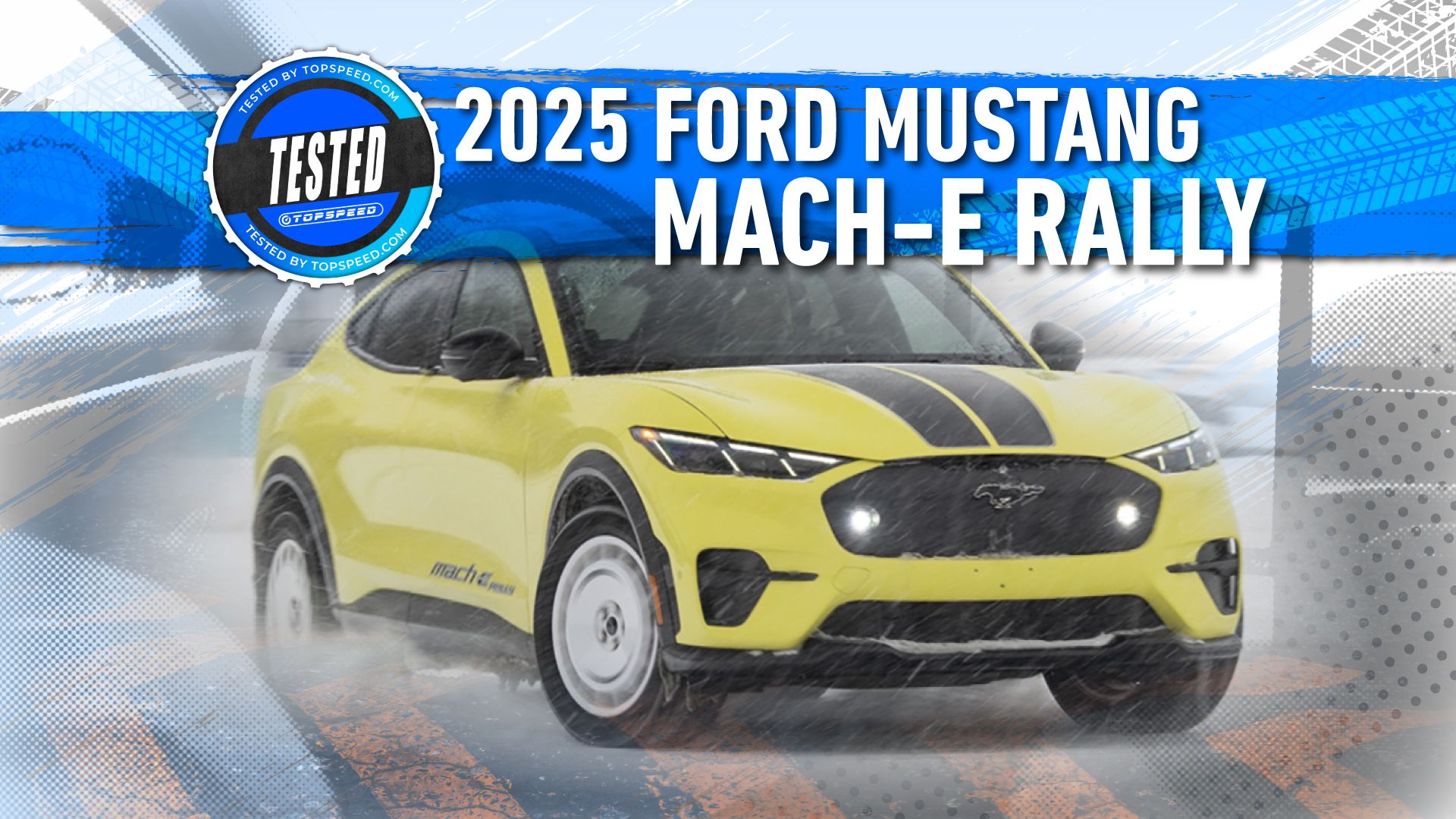
I spent a week with the 2025 Ford Mustang Mach-E, and by the third day the car stopped feeling like a novelty and started feeling like a routine. Not a gimmick, not a gadget with wheels—more like a familiar tool dressed in Mustang clothing. The surprise wasn’t just that it could move quickly and quietly. It was how seamlessly it integrated into ordinary life: grocery runs, dawn commutes, after-work detours, and the occasional “let’s see what happens” stretch of road when traffic thinned out.
Over seven days, I paid attention to the parts people tend to gloss over. Ride composure on imperfect pavement. The temperature of the cabin when mornings arrive with teeth. The way software behaves when you’re not in a dealership mood—when you’re tired, distracted, and in a hurry. And of course, the big question: does it feel like a Mustang, or just like a car wearing the Mustang name?
First Impressions: The Week Starts with a Quiet Sort of Confidence
The Mach-E greeted me with a calm demeanor. Its exterior looks purposeful rather than theatrical, though the design certainly has flair. The front end reads as composed—sharp, modern, and cleanly sculpted. From behind, the silhouette carries that unmistakable “fastback” attitude, even if the car’s temperament is more measured than its badge suggests.
Inside, the cabin felt designed for the long haul. Not in a soft-focus, spa-like way—more like a cockpit built around visibility and usability. Materials looked durable, and the layout seemed to anticipate real habits: where your hand naturally drops, how your eyes track the road, and how often you want to tap a screen without feeling like you’re performing a ritual.
On day one, I did a quick “living-with-it” sweep. I checked seat comfort, steering reach, pedal spacing, and the general ergonomics of moving from parked to driving with minimal fuss. The answer was consistent: the Mach-E felt intuitive. That matters more than people realize. The best cars don’t demand attention constantly—they earn it when it’s time to pay attention.

Driving Feel: Smooth Power with a Hint of Theatre
Electric torque is immediate, but the best electric cars manage to make that immediacy feel intentional. The Mach-E delivered acceleration that arrived without drama, yet still had a pulse. It isn’t only about going fast in a straight line. It’s about how confidently it can adjust speed when you merge, weave, or negotiate short gaps in traffic.
Throttle response felt natural rather than twitchy. That’s important, especially in dense city driving where you’re constantly modulating power. The steering held its weight well—light enough for effortless parking, firm enough to keep you connected during steady cruising.
On open roads, the car settled into a rhythm. The suspension seemed to understand the language of real-world surfaces: patchwork asphalt, rough shoulders, and the occasional expansion joint that usually interrupts your train of thought. The ride wasn’t floaty, and it wasn’t harsh; it struck a balance that left passengers less irritated and drivers less distracted.
Efficiency in the Real World: Not Just a Number, a Habit
During the week, efficiency became something I actively noticed. Not because I was chasing a perfect figure, but because the car’s behavior nudged you toward sensible decisions. Smooth driving, reasonable acceleration, and strategic route planning all influenced consumption.
Charging habits also shaped the experience. The Mach-E didn’t feel like a vehicle that punishes you for being human. It felt like a system with feedback—helping you understand what the car wants from you and what you can expect in return.
One day I drove with a bit more enthusiasm, then later did a calmer run. The difference wasn’t mysterious. It was legible. That transparency is a quiet advantage. When a car teaches you its patterns, you stop treating range like a scare story and start treating it like a manageable variable.
Comfort and Cabin Life: Temperature, Noise, and Usability
Comfort is where the Mach-E proved its everyday value. Cabin temperature responded quickly, and the airflow system felt composed even when I toggled settings during the week. Cold mornings didn’t feel like a battle, and warmer afternoons didn’t turn the car into a greenhouse.
Noise levels surprised me in a good way. Wind noise remained contained, and road noise didn’t constantly remind me that I was on an imperfect surface. That might sound like an unglamorous detail, but after a few days you notice the cumulative effect: less fatigue, smoother concentration, and fewer micro-corrections while driving.
Seats supported long stretches without turning the journey into a chore. There was enough firmness to keep posture stable, and enough cushioning to avoid that numb, tingling sensation that can creep in on slower days.
Technology and Controls: The Interface as a Co-Pilot
Every electric vehicle has a personality, and part of that personality lives on the screens. The Mach-E’s infotainment system felt responsive and generally well-organized. Menus were reachable without turning the dashboard into a treasure hunt.
I appreciated how the interface supported the essentials: navigation, charging-related information, media, and driver settings. The system wasn’t constantly begging for attention, and that restraint made it easier to live with. Short sentences on the screen. Clear icons. Logical grouping. It may sound obvious, but it’s not guaranteed across the market.
During the week, I used the technology in different contexts: in the morning with one hand on coffee, on highway drives where voice control became useful, and at slower speeds where you want to read information without squinting. The Mach-E earned its keep by staying consistent.
Safety and Confidence: The Feeling of Being Kept in the Lane
Confidence is a feeling, but it’s also a product of predictable behavior. The Mach-E’s driver-assistance features supported focus rather than stealing it. Lane-keeping and related functions engaged with a smooth sense of timing, and braking felt controlled when it needed to intervene.
On busier roads, that mattered. You could sense the car monitoring the environment while you concentrated on the human variables: other drivers’ unpredictability, merging behavior, and changing traffic rhythms.
It wasn’t about treating the car like a babysitter. It was more like having an extra set of attentive eyes—quietly operational in the background.
Charging Experience: Planning Without Panic
Charging is where EV reality becomes tangible. The Mach-E helped reduce the anxiety that some people carry into ownership. Even when I didn’t fully test every charging scenario, the car’s charging information felt clear enough to plan around.
I liked that the system encourages intelligent timing rather than forcing you into a rigid routine. Yes, you’ll still need to schedule charging if you live far from reliable infrastructure, but the Mach-E doesn’t treat that as a punishment. It frames charging as a normal chore with a rhythm you can learn.
At home, the car was easy to fit into daily life. On the road, it remained legible. The experience was pragmatic rather than mystical.
Handling and Dynamics: More Than Just Acceleration
The Mach-E’s handling had a composed character. It didn’t pretend to be a track weapon, but it also didn’t feel timid. The chassis communicated road condition through steering feedback and suspension movement—enough information to keep you feeling connected.
On twisty stretches, it held its line with confidence. Transitions between throttle and braking felt smooth, allowing the car to maintain stability rather than lurching between moods. That’s one of the traits that separates “fast” from “useful.” Fast is easy when conditions are perfect. Useful is what you need when conditions are ordinary.
What I’d Tell a Buyer: The Mach-E’s Strengths and Trade-Offs
After a week, the Mach-E’s strengths felt consistent: comfort that doesn’t fade, a cabin that supports real commuting, and efficiency that responds to how you drive. The technology is modern without becoming chaotic, and the driving experience balances immediacy with control.
As for trade-offs, no EV is exempt from charging logistics. If your charging access is limited or unreliable, that will shape your ownership reality more than any review paragraph ever could. Also, like many contemporary cars, the Mach-E asks you to get familiar with its interface and settings. The learning curve isn’t steep, but it exists.
Final Thoughts: A Week Well Spent, and a Car Worth Repeating
By the end of the week, the Mach-E felt less like an experiment and more like a commitment to a different kind of driving. It’s not just about the instant torque or the sleek design. It’s about how it blends everyday practicality with enough personality to keep driving interesting.
If you’re considering the 2025 Ford Mustang Mach-E, approach it like you would any smart purchase: evaluate charging reality, consider how you use your car most days, and take time to understand its systems. Then ask yourself a simple question—would you enjoy living with it? After my week, the answer was yes. Not because it chased novelty, but because it delivered the quiet satisfaction of a car that keeps working, calmly and competently, long after the first drive ends.