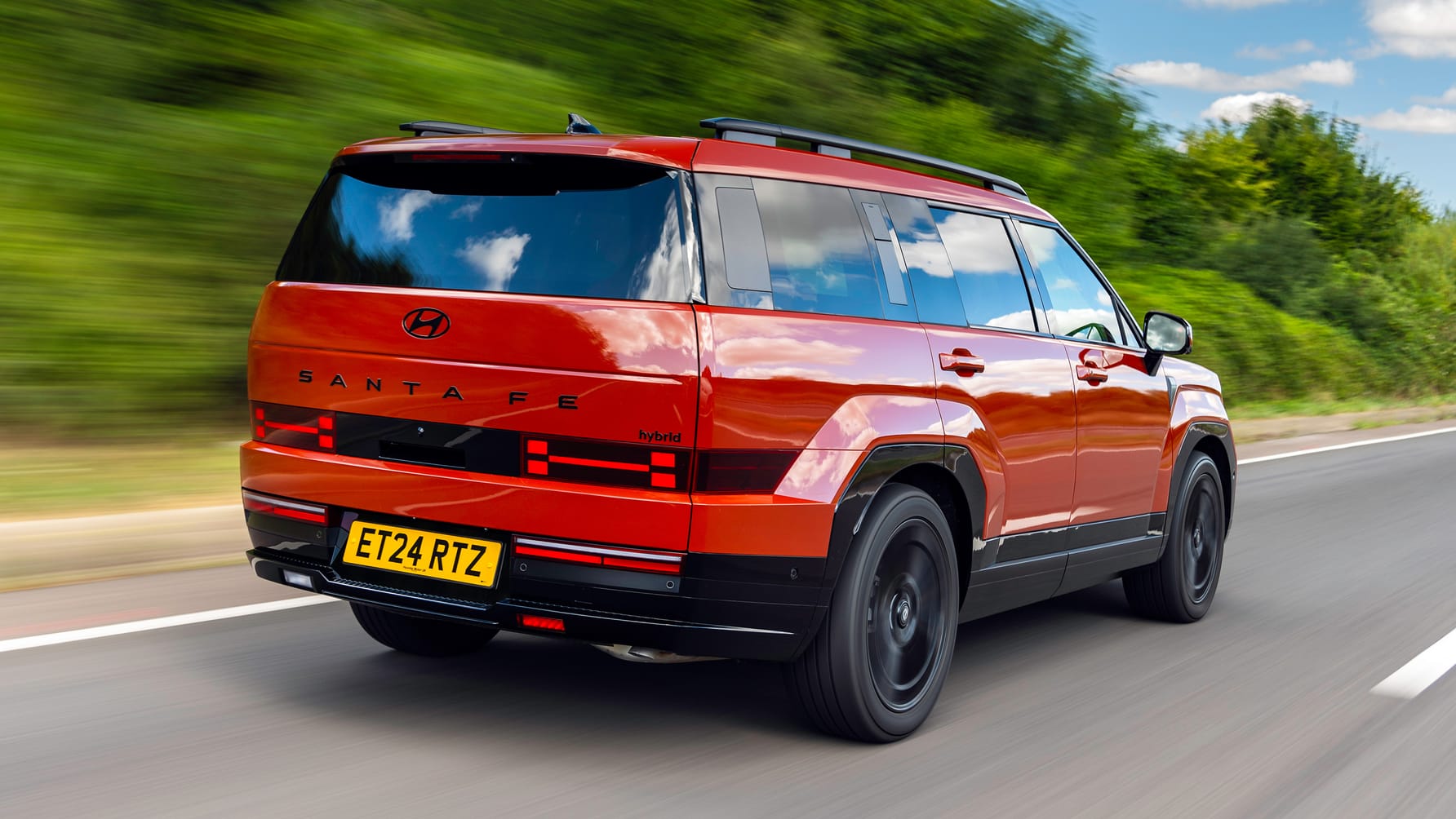
The moment the new Hyundai Santa Fe comes into view, it doesn’t so much arrive as it reframes the conversation. Familiar silhouettes are still present, but they’ve been re-orchestrated—reshaped with a boxier stance and a more deliberate attitude. It’s the kind of design shift that invites a second glance, then a third. And if you’ve ever wondered what Hyundai would do if it leaned harder into confident, architectural styling, the answer is written all over the Santa Fe’s new face and shoulders.
This is not a subtle evolution. The newest Santa Fe feels like a step away from “blended-in” motoring and toward something more self-assured—more civic, more poised, and oddly refreshing. It promises a shift in perspective, where family practicality meets an aesthetic that’s meant to linger in memory rather than fade into the background.
Boxier, Bigger, and Intentionally Visible
The defining theme is obvious at first glance: boxier proportions. Yet that description doesn’t fully capture the nuance. The new Santa Fe’s body language suggests geometry with purpose—edges that look crisp rather than merely angular. This is a vehicle designed to be perceived from multiple distances, whether you’re tracing its outline in a parking lot or catching it in the periphery while moving through city traffic.
Longer visual spans, bolder surfaces, and a more stacked cabin presence create a sense of grounded momentum. Short overhangs and a sturdier stance make it feel less like it’s floating on its wheels and more like it’s anchored to the road. Even the way light travels across the body panels feels curated, turning everyday angles into something almost sculptural.

Design Details That Reward Attention
What makes the Santa Fe compelling isn’t just the overall shape. It’s the accumulation of details, the way design cues seem to conspire toward a single emotional effect: confidence. The front fascia has a more assertive presence, and the brand’s signature styling reads with sharper definition rather than soft ambiguity.
Look closer and the vehicle begins to communicate its priorities. Surfaces are more pronounced. Lines are more disciplined. There’s an impression of “organized boldness,” like someone took the concept of an SUV and tightened it into a cleaner blueprint.
Then there’s the matter of how it looks at different speeds. At a crawl, the Santa Fe appears substantial and deliberate. In motion, it gains a kind of forward-minded clarity—like the design has been optimized for the way your eyes track a moving object.
Lighting, Presence, and the New Face
Lighting is where the personality becomes theatrical. The Santa Fe’s front-end treatment gives it a distinctive signature, one that doesn’t rely on flashiness for recognition. Instead, it uses structure—defined elements that suggest steadiness rather than spectacle.
In the daytime, those cues create a sense of readiness. At night, the illumination strategy adds depth, making the vehicle feel more layered than a quick glance would suggest. It’s an understated sort of charisma, the kind that grows stronger the more you live with it.
And that’s the promise at the heart of this design: it’s not chasing attention for a moment; it’s earning attention over time.
Boxiness as a Practical Philosophy
Boxier styling isn’t only cosmetic. It changes how the vehicle occupies space—how it visually “stores” itself. A more squared-off shape often implies improved packaging logic, and the Santa Fe’s design seems to lean into that idea: more interior relevance, less visual clutter, and a layout that feels purposeful.
With SUVs, perception can be misleading. A vehicle can look bulky without being functional, or look sleek while feeling cramped. The new Santa Fe’s exterior design invites the belief that the cabin experience will match the exterior confidence. It suggests roominess without excess, and it hints that practicality has been reimagined with style rather than shoved into the background.
That shift in perspective matters. Many crossovers aim for “safe normal.” The Santa Fe instead aims for “assured everyday,” a subtle but meaningful distinction.
Where the Santa Fe Fits: Everyday Drama, Family Calm
The Santa Fe has never been solely about driving dynamics. It’s about the rhythm of daily life—school runs, errands, weekend departures, and those long stretches of highway when you want both composure and control. The new design feels like it’s built for that duality.
It looks ready to handle routine with a certain dignity. Yet it doesn’t appear stiff or over-serious. The stance is bold, but not aggressive. The vehicle feels like it knows what it’s for: carrying people and plans, not trying to impress strangers.
This is the kind of family SUV that makes you curious about the full package, because the exterior suggests a deeper commitment—one that likely extends into comfort, usability, and modern convenience.
Trim Personality: Calligraphy’s Quiet Assertiveness
Some trims feel like a volume knob turned up. Others refine the narrative. The Santa Fe’s Calligraphy positioning—often associated with a more premium sensibility—leans toward quiet assertiveness, the kind that dresses the cabin in intention rather than ornament.
If you like a vehicle that looks expensive without resorting to theatrical excess, this direction is compelling. It implies a cohesive design language: exterior boldness paired with interior refinement.
What to Look For Next: The Real Test Is Living With It
Design can be persuasive, but the true measure comes later: after the first drive, after the first parking maneuver, after the first time you settle into the seats and realize the vehicle’s layout matches its attitude. The Santa Fe’s exterior suggests a cabin that feels more composed, more structured, and more aligned with real-life needs.
Start with visibility. Boxier bodywork often improves the sense of presence around the vehicle, making it easier to judge spacing and distance. Next, pay attention to how the vehicle frames the road. A new silhouette can change your driving confidence, even before you’ve thought about it.
Finally, consider how the Santa Fe feels when you’re not chasing metrics. Does it calm you on long drives? Does it make everyday tasks feel easier? These are the questions the new design sets up—questions that naturally pull you toward learning more.
Conclusion: A Design That Rewrites the First Impression
The Hyundai Santa Fe’s new design is more than a refresh. It’s a pivot in perspective—moving the SUV away from blending in and toward commanding attention with a steadier, boxier presence. This is a vehicle that looks like it has something to say, and it says it with lines, proportion, and deliberate visual structure.
It sparks curiosity because it feels like the beginning of a larger story. The exterior promises confidence. The stance implies purpose. And the more you notice, the more the Santa Fe seems designed to earn long-term interest rather than short-term approval.
In the world of family SUVs, that’s a rare advantage: a new look that doesn’t just change how the Santa Fe appears—it changes how it invites you to imagine the drive ahead.