Picture a Ford rolling down a two-lane blacktop at dusk, its engine humming a steady lullaby of pistons and promise. The odometer ticks past 100,000 miles like a metronome counting the years of faithful service. Then it keeps going—past 150,000, 180,000, until the horizon blurs into 200,000 miles. That’s not just distance; it’s a testament to engineering resilience, a rolling monument to American grit. Ford’s reputation for longevity isn’t built on luck—it’s forged in the crucible of decades of refinement, where every bolt, every gasket, and every algorithm whispers, “Keep going.”
But not all Fords are created equal when the odometer stretches toward the six-figure stratosphere. Some models glide past 200,000 miles with the effortless grace of a marathon runner, while others sputter like a candle in a windstorm. The difference lies in the alchemy of design philosophy, maintenance culture, and a dash of automotive serendipity. To separate the marathoners from the also-rans, we must dissect Ford’s lineup with the precision of a surgeon and the curiosity of a treasure hunter. What makes a Ford truly bulletproof? Let’s shift gears and find out.
The Ford F-Series: Titans That Refuse to Bow
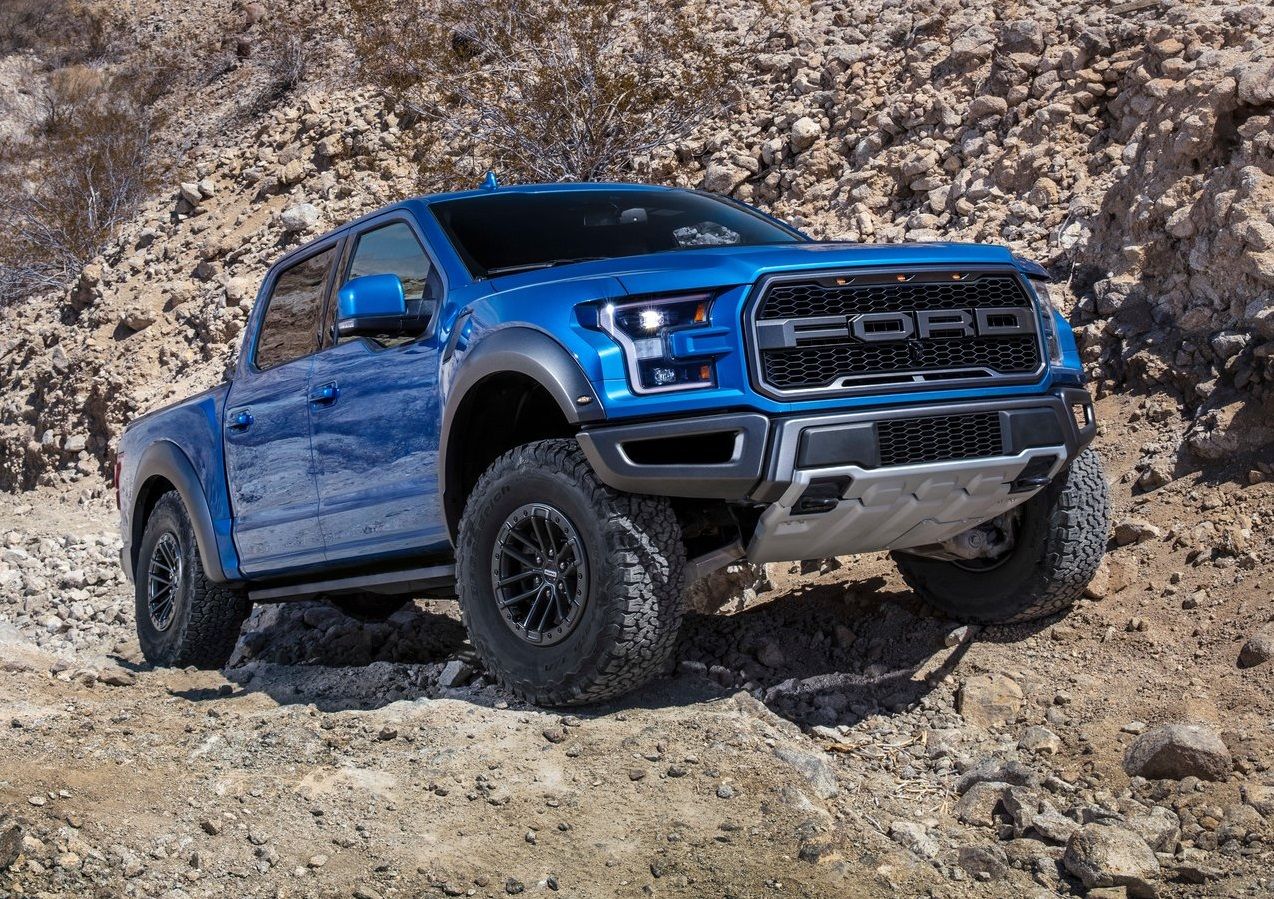
The Ford F-Series isn’t just a truck—it’s a rolling legend, a steel-clad titan that has shouldered the weight of American dreams for over a century. When you peer under the hood of a well-loved F-150 or Super Duty, you’re not just looking at metal; you’re witnessing the embodiment of Ford’s relentless pursuit of durability. These trucks are built like medieval knights’ armor—layered, reinforced, and designed to withstand the slings and arrows of time.
Take the Ford F-150 with its high-strength, military-grade aluminum alloy body. This isn’t just a weight-saving trick; it’s a corrosion-resistant fortress that laughs in the face of rust. Couple that with the EcoBoost engines, particularly the 3.5L V6, and you’ve got a powerplant that thrives on long hauls. Owners report hitting 200,000 miles with nothing more than routine oil changes and the occasional spark plug swap. The secret? Ford’s obsession with reducing friction—every piston stroke is a ballet of efficiency, minimizing wear like a seasoned dancer gliding across a stage.
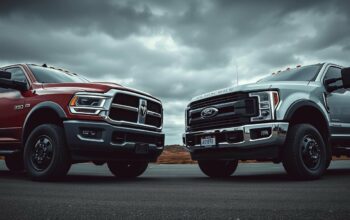
For those who demand even more muscle, the Super Duty lineup (F-250, F-350) steps into the ring. These behemoths are built for the long haul, with frames engineered to flex like a willow in a storm rather than snap like a dry twig. The 6.7L Power Stroke diesel is the heart of this beast—a torque monster that rewards patience with unyielding reliability. Owners who treat their Super Duties to regular fuel filter changes and coolant flushes often find themselves celebrating the 300,000-mile mark without so much as a hiccup. It’s not just a truck; it’s a time capsule on wheels.
The Ford Explorer: The Family SUV That Outlasts Generations
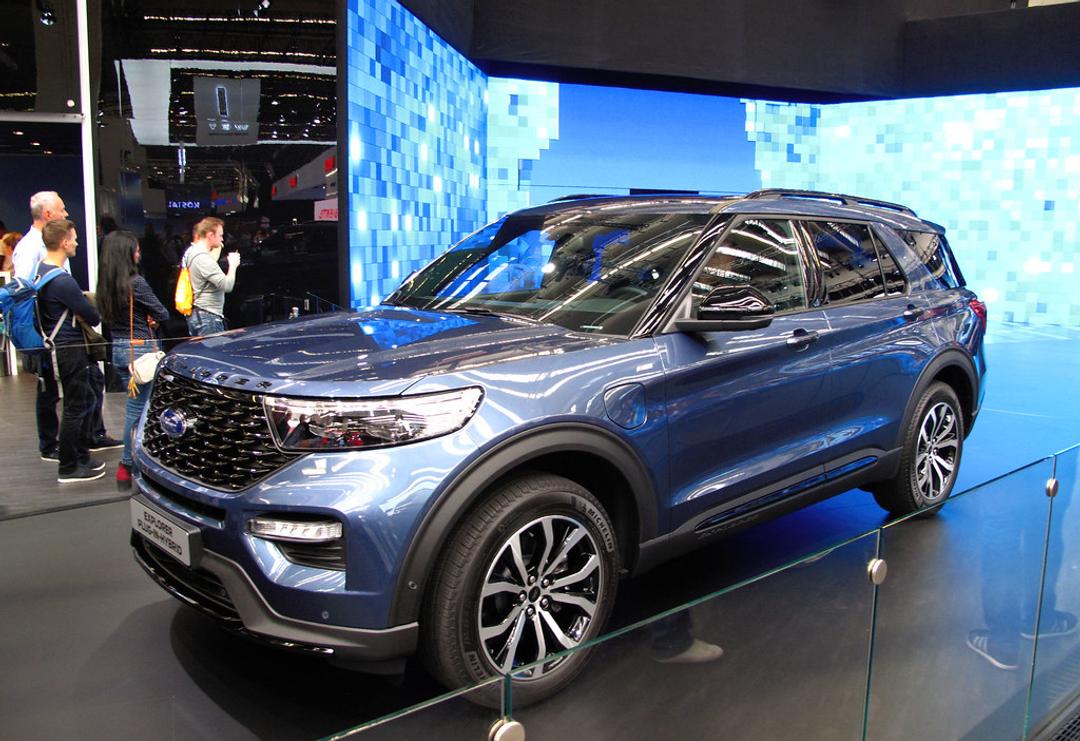
SUVs are often seen as the workhorses of the family garage, but the Ford Explorer transcends that role—it’s a rolling testament to adaptability. Since its debut in the early ’90s, the Explorer has evolved from a body-on-frame dinosaur to a sleek, unibody marvel, yet its core DNA remains unchanged: survive, thrive, and keep the clan moving. The key to its longevity? A symphony of engineering choices that prioritize both comfort and endurance.
The third-generation Explorer (2002–2010) is a cult favorite among high-mileage enthusiasts. These models, particularly those equipped with the 4.0L V6, are the mechanical equivalent of a Swiss Army knife—versatile, robust, and nearly indestructible. Owners report hitting 200,000 miles with nothing more than the occasional timing chain adjustment and a fresh set of shocks. The secret lies in its simplicity: fewer electronic gadgets mean fewer things to break, and a straightforward drivetrain means fewer headaches.
Fast forward to the sixth-generation Explorer (2020–present), and you’ll find a modern interpretation of the same philosophy. Ford’s 2.3L EcoBoost engine and 10-speed automatic transmission are paired with a chassis designed to absorb punishment like a sponge. The adaptive dampers and advanced suspension systems don’t just smooth out rough roads—they extend the life of the vehicle by reducing stress on critical components. It’s as if Ford took a page from nature’s playbook, crafting a machine that bends but never breaks.
The Ford Focus: The Compact Dynamo That Defies Expectations
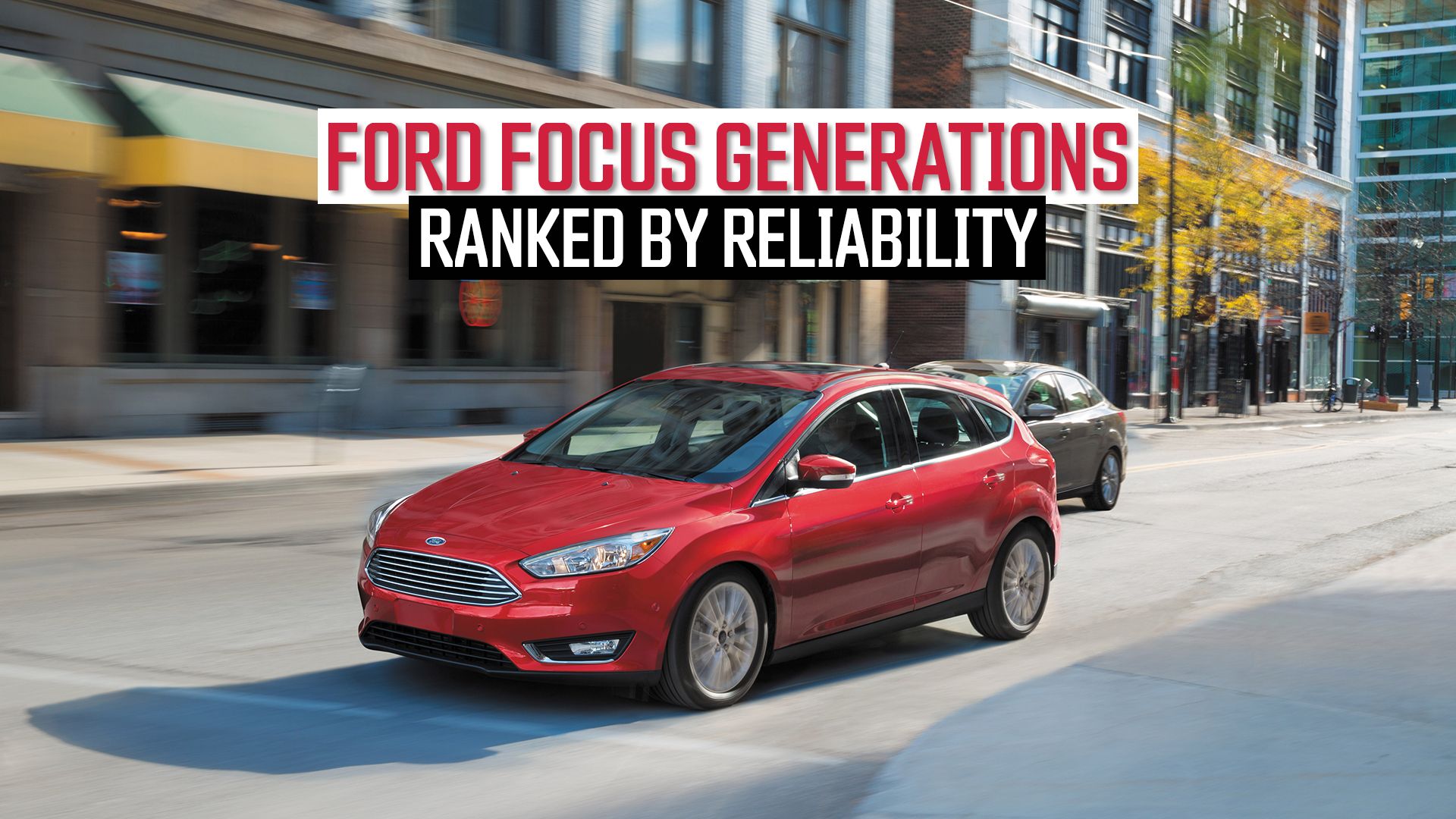
Compact cars are often dismissed as fragile, high-strung creatures destined for the scrapyard by 150,000 miles. The Ford Focus laughs at that notion. This unassuming hatchback and sedan are the automotive equivalent of a marathon runner—small in stature but mighty in stamina. The secret to its endurance? A relentless focus (pun intended) on efficiency and simplicity.
The second-generation Focus (2008–2011) is where the magic happens. Equipped with the 2.0L Duratec engine, these models are the poster children for Ford’s “less is more” philosophy. The engine’s design minimizes internal friction, while the timing chain (as opposed to a belt) eliminates the need for costly replacements. Owners who religiously follow the maintenance schedule—oil changes every 5,000 miles, coolant flushes every 100,000—often find themselves crossing the 200,000-mile threshold without a single major repair.
But the Focus isn’t just about raw durability; it’s about adaptability. The third-generation Focus (2012–2018) introduced Ford’s EcoBoost engines, which combined turbocharging with direct injection to deliver both power and efficiency. These engines are built to last, with forged internals and reinforced cylinder walls that laugh at the idea of premature wear. The real kicker? The Focus’s lightweight construction means less stress on the drivetrain, translating to fewer miles on the odometer of your wallet.
Of course, no discussion of the Focus would be complete without mentioning its handling prowess. This isn’t just a car that survives; it’s a car that thrives. The suspension geometry is tuned for comfort and control, reducing the kind of wear and tear that plagues less-adept drivers. It’s as if Ford took a page from the playbook of endurance athletes, crafting a machine that doesn’t just survive the race but enjoys it.
The Ford Escape: The Silent Workhorse of the Compact SUV World
In the shadow of its larger siblings, the Ford Escape quietly goes about its business, racking up miles like a seasoned traveler. This compact SUV is the unsung hero of the Ford lineup, a vehicle that punches far above its weight class in terms of reliability. The key to its longevity? A blend of practicality, efficiency, and Ford’s signature “no-nonsense” engineering.
The second-generation Escape (2013–2019) is where the magic truly happens. Equipped with the 2.5L naturally aspirated engine, this powertrain is a paragon of simplicity. No turbochargers, no complex electronics—just a straightforward, pushrod V6 that’s as reliable as a metronome. Owners report hitting 200,000 miles with nothing more than routine maintenance, and the transmission—Ford’s trusty 6F35—is known for its longevity when treated with care.
But the Escape’s real strength lies in its adaptability. Whether you’re hauling groceries, towing a small trailer, or navigating city streets, this SUV does it all without breaking a sweat. The suspension is tuned for comfort, reducing the kind of stress that leads to premature wear. And the interior? Built to withstand the chaos of daily life, with materials that resist fading, cracking, and the inevitable spills of family life.
The third-generation Escape (2020–present) takes things a step further with its hybrid and EcoBoost options. The 2.5L hybrid powertrain is a marvel of efficiency, combining a gas engine with an electric motor to deliver both power and frugality. The result? Less wear on the engine, fewer trips to the pump, and a longer lifespan for the vehicle. It’s as if Ford took a page from the playbook of hybrid pioneers, crafting a machine that doesn’t just survive but thrives in the modern world.
The Ford Fusion: The Sedan That Proves Simplicity Wins
In an era where sedans are often dismissed as relics of a bygone age, the Ford Fusion stands as a testament to the power of simplicity. This midsize sedan is the automotive equivalent of a well-worn leather jacket—unassuming on the outside, but built to last. The secret to its endurance? A focus on fundamentals and a refusal to overcomplicate things.
The first-generation Fusion (2010–2012) is where the story begins. Equipped with the 2.5L Duratec engine, this powertrain is a paragon of reliability. No turbochargers, no complex electronics—just a straightforward, inline-four that’s as durable as it is efficient. Owners report hitting 200,000 miles with nothing more than routine maintenance, and the transmission—Ford’s 6F35—is known for its longevity when treated with care.
But the Fusion’s real strength lies in its adaptability. Whether you’re commuting to work, hauling the kids to soccer practice, or embarking on a cross-country road trip, this sedan does it all without breaking a sweat. The suspension is tuned for comfort, reducing the kind of stress that leads to premature wear. And the interior? Built to withstand the chaos of daily life, with materials that resist fading, cracking, and the inevitable spills of family life.
The second-generation Fusion (2013–2020) takes things a step further with its EcoBoost options. The 1.5L and 2.0L turbocharged engines deliver both power and efficiency, but they do so without sacrificing reliability. The key? Ford’s focus on reducing internal friction and using high-quality materials. The result is a powertrain that’s as durable as it is thrilling to drive.
Of course, no discussion of the Fusion would be complete without mentioning its handling prowess. This isn’t just a car that survives; it’s a car that thrives. The suspension geometry is tuned for comfort and control, reducing the kind of wear and tear that plagues less-adept drivers. It’s as if Ford took a page from the playbook of endurance athletes, crafting a machine that doesn’t just survive the race but enjoys it.
So, if you’re in the market for a sedan that’s built to last, look no further than the Ford Fusion. It’s not just a car; it’s a promise—a promise that you’ll reach 200,000 miles without breaking the bank.
The open road stretches before you, a ribbon of asphalt leading to horizons unknown. Behind the wheel of a Ford that’s crossed the 200,000-mile mark, you’re not just driving—you’re participating in a legacy. These vehicles are more than machines; they’re time capsules, repositories of memories, and testaments to the art of engineering. From the indomitable F-Series to the unassuming Fusion, Ford’s lineup is a symphony of durability, each model a verse in an epic poem of automotive resilience.
So, which Ford will you choose to carry you into the future? Will it be the rugged F-150, the versatile Explorer, the compact Focus, the silent Escape, or the elegant Fusion? Whatever your choice, rest assured that you’re not just buying a car—you’re investing in a partner for the long haul. And when the odometer finally ticks past 200,000 miles, you’ll know you’ve chosen wisely. After all, in the world of Ford, longevity isn’t just a feature—it’s a way of life.