Picture this: You’re standing in a dealership, keys in hand, staring at the gleaming Ford of your dreams. The salesperson leans in with a knowing smile. “So, lease or buy?” The question hangs in the air, heavy with implications. It’s not just about the monthly payment—it’s about freedom, flexibility, and the future of your finances. The choice you make today could echo through your life for years to come. But here’s the twist: the answer isn’t as simple as “always lease” or “always buy.” It’s about what *you* value most. Let’s dive into the Ford lease vs. buy debate with fresh eyes, uncovering the hidden trade-offs, the unexpected perks, and the moments when one option suddenly shines brighter than the other.
The Allure of Leasing: A Symphony of Newness and Convenience
Leasing a Ford isn’t just a financial transaction—it’s a lifestyle upgrade disguised as a contract. Every two to four years, you get to slide into a brand-new model, wrapped in the latest tech, the sharpest design, and that intoxicating new-car scent. It’s like trading in your wardrobe for the hottest trends without the guilt of long-term commitment. For the chronically indecisive or the serial upgraders, leasing is the ultimate flex. No more fretting over depreciation; the dealership shoulders that burden while you bask in the glow of the newest features.
But the real magic of leasing lies in its ability to turn the mundane into the extraordinary. Imagine cruising down the highway in a Ford F-150 with a panoramic roof, adaptive cruise control, and a 12-inch touchscreen—all for a fraction of the sticker price. The monthly payments? Often lower than a traditional loan. The down payment? Sometimes as little as a few thousand dollars. And when the lease ends? You simply hand over the keys and walk away, no haggling, no hassle. It’s the automotive equivalent of a subscription service, where the only thing you’re subscribed to is perpetual freshness.
Yet, leasing isn’t without its caveats. Those lower payments come with strings attached. Mileage limits are the silent killers of lease deals—exceed them, and you’ll pay dearly, often 15 to 25 cents per extra mile. Wear and tear? Even the tiniest scratch or dent can trigger end-of-lease fees. And let’s not forget the residual value, the crystal ball the dealership uses to predict your car’s worth in three years. If the market tanks, you’re stuck paying for a car that’s worth less than projected. Leasing is a dance with the unknown, where the music stops sooner than you’d like.
The Pride of Buying: A Legacy of Ownership and Equity
Buying a Ford, on the other hand, is a declaration of intent. It’s the automotive equivalent of planting a flag on a hill—this vehicle is yours, now and for better or worse. No mileage restrictions. No fear of scratches. No handing over keys like a renter surrendering a security deposit. When you buy, you’re not just purchasing a car; you’re investing in a future where you call the shots. Every mile you drive, every modification you make, every coffee stain on the upholstery is yours to own. It’s a sense of permanence in a world that’s increasingly transient.
But here’s where the narrative takes a turn. Buying isn’t just about pride—it’s about math. The moment you drive a new Ford off the lot, it begins to lose value, sometimes as much as 20% in the first year. That’s the brutal reality of depreciation, the silent wealth eroder. Yet, over time, the scales tip. Once the loan is paid off, the car becomes an asset. You can sell it, trade it in, or keep it until it’s a vintage classic. For those who drive their cars into the ground, buying can be the ultimate cost-saver. No more monthly payments after the loan is gone. No more restrictions on modifications. Just pure, unadulterated automotive freedom.
Still, buying requires a long-term vision. If you’re the type to crave the latest tech every few years, you’ll be stuck with a car that’s outdated before the ink dries on your loan. And let’s not ignore the upfront costs—higher down payments, higher monthly payments, and the full brunt of depreciation hitting your wallet from day one. Buying is a marathon, not a sprint, and those who aren’t prepared for the journey may find themselves gasping for air when unexpected repairs arise.
The Hidden Costs: Where Leasing and Buying Collide
Let’s talk about the elephant in the room: the real cost of driving. Leasing might seem cheaper upfront, but the long-term tab can be staggering. Those low monthly payments? They’re a mirage. Over the life of a lease, you could end up paying more in total than if you’d bought the car outright. And if you lease repeatedly, you’re essentially renting the same car every few years, with no end in sight. It’s a cycle of perpetual payments, where the dealership always wins.
Buying, meanwhile, has its own financial landmines. Interest rates on auto loans can be punishing, especially for those with less-than-stellar credit. Gap insurance, extended warranties, and maintenance plans add layers of expense that many buyers overlook. And then there’s the opportunity cost—the money tied up in a depreciating asset could have been invested elsewhere, growing in value while your car loses it. The true cost of ownership isn’t just the sticker price; it’s the sum of every payment, repair, and regret along the way.
But here’s the kicker: the hidden costs aren’t just financial. They’re emotional. The stress of a lease’s mileage limits. The anxiety of a loan’s looming balance. The frustration of a car that’s no longer “yours” in the way you’d hoped. These intangibles matter just as much as the numbers on a spreadsheet. The best choice isn’t always the cheapest—it’s the one that aligns with your psyche, your lifestyle, and your long-term goals.
Ford-Specific Considerations: Tailoring the Choice to Your Ride
Not all Fords are created equal, and neither are the lease vs. buy scenarios for each model. Take the Ford Mustang, for example. Leasing a Mustang is a dream for enthusiasts who want to experience the roar of a V8 without the long-term commitment. But buying? That’s for the purists who dream of modifying their pony car into a track monster or a weekend warrior’s pride and joy. The Mustang’s depreciation curve is steep in the first few years, making leasing a smart play if you’re not into long-term ownership.
Now consider the Ford F-150. This is a truck that’s built to last, a workhorse that can handle decades of abuse. Buying an F-150 is an investment in reliability and utility. The resale value is strong, and the ability to customize it—whether for work or play—is unmatched. Leasing an F-150? That’s for those who want the latest tech, like the Pro Power Onboard system, without the hassle of selling a used truck down the line. But beware: the F-150’s high residual value in the lease market can make monthly payments deceptively low, only to hit you with a balloon payment at the end.
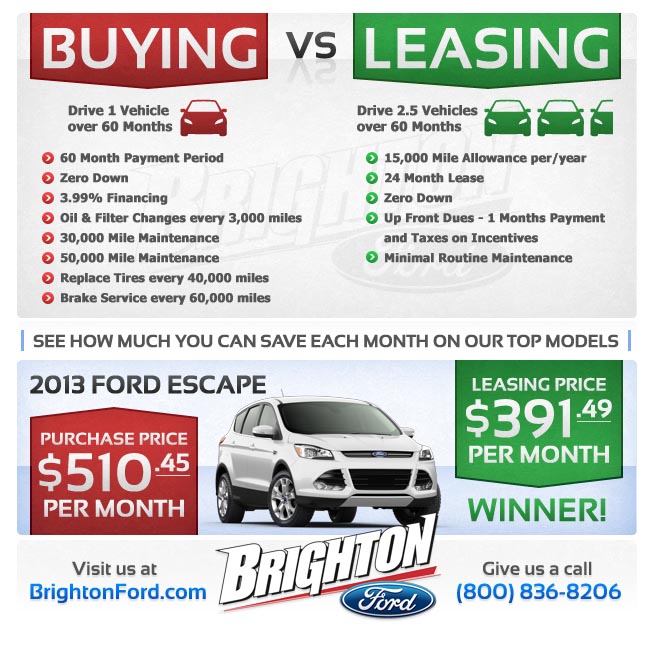
And what about the Ford Escape? This compact SUV is the quintessential family hauler, a vehicle that’s as practical as it is stylish. Leasing an Escape makes sense if you’re the type to upgrade every few years, chasing the latest safety features or hybrid options. Buying? That’s for the road-trippers and the DIY mechanics who want to squeeze every mile out of their investment. The Escape’s depreciation is moderate, making it a solid candidate for either option—depending on your priorities.
The Final Verdict: A Choice That Defines You
The Ford lease vs. buy debate isn’t just about numbers—it’s about identity. Are you the kind of person who thrives on change, who craves the latest and greatest without a second thought? Leasing might be your calling. It’s the choice for the restless, the adventurous, the ones who see a car as a temporary companion rather than a lifelong partner. It’s for those who want to drive a new Ford every few years without the financial anchor of ownership.
Or are you the type who plants roots, who takes pride in ownership, who sees a car as more than just transportation? Buying is your anthem. It’s for the planners, the builders, the ones who want to leave a legacy—whether that’s a fully paid-off truck or a garage full of memories. It’s for those who see a car as an extension of themselves, a machine to be cherished, modified, and driven into the ground.
So, which will it be? The freedom of leasing or the pride of buying? The answer isn’t in the fine print of a contract—it’s in the story you want to live. Will you lease the dream, or buy the future? The road ahead is yours to choose.