What if there was a pickup truck that didn’t just carry your fleet’s workload but actually elevated it—turning mundane trips into streamlined ventures and routine hauls into feats of efficiency? Enter the Ford F-150 XL, a vehicle that is often overlooked in favor of its flashier siblings but holds a unique and compelling position for fleet managers seeking reliability intertwined with performance. Does it stand up to the challenge of being the backbone of your fleet? Let’s dive deep into its strengths, nuances, and potential quirks to see if the F-150 XL is the powerhouse your operation needs.
The Classic Workhorse Revisited
The Ford F-150 XL embodies the essence of a true workhorse. Unlike the high-end trims designed for luxury or sporty appeal, the XL focuses on utility and durability. It’s the baseline model of the F-150 series—but don’t mistake “base” for basic. The truck comes equipped with rugged materials and straightforward technology, crafted to withstand the rigors of daily fleet use without unnecessary frills.
What truly sets the F-150 XL apart is its embrace of simplicity merged with strength. For fleet managers, this means fewer distractions and complications. The interiors are straightforward, ensuring drivers find comfort without mystifying technology gimmicks, which translates to less downtime and faster adaptation by a wide variety of drivers.

Powertrain and Performance: Engineered for Demand
The F-150 XL is no stranger to hard labor, powered primarily by Ford’s 3.3L V6 engine that exemplifies a balanced blend of fuel efficiency and adequate horsepower. Delivering around 290 horsepower and strong torque, it’s tailored for everyday jobs—from transporting materials to heavy-duty towing. Fleets can appreciate its tow capacity that often stretches beyond expectations given the modest engine size, lending flexibility to cargo needs that fluctuate with seasonal or project demands.
Fuel economy remains a decisive factor for fleet operators, and here the F-150 XL moderately excels. While it may not boast the advanced hybrid drivetrains found in other trims, the V6 engine offers a sensible compromise—achieving respectable miles per gallon ratings while providing enough grunt to conquer urban routes and rugged terrains alike.
Durability That Withstands Fleet Pressure
Fleets demand vehicles that can endure continuous use and the occasional abuse without losing their operational edge. The F-150 XL’s build quality is legendary. With a high-strength steel frame and a robust suspension setup, it tackles potholes, uneven roads, and loaded payloads with unwavering composure.
Ford also outfits the XL with a heavy-duty vinyl upholstery, which is a strategic choice for work trucks. This material resists wear and stains far better than fabric, reducing cleaning time and maintaining a professional appearance throughout a vehicle’s lifecycle. For fleet managers, this resilience equates to reduced maintenance costs and enhanced resale value—a crucial consideration when cycling vehicles through replacement schedules.
Practicality Meets Technology: Smart Yet Unpretentious
While the XL trim does not flaunt all the futuristic tech of premium trims, it isn’t devoid of valuable features. Expect essentials like a rearview camera, SYNC 3 infotainment system with a touchscreen interface, and Bluetooth connectivity. These small yet significant tech incorporations aid drivers in maintaining focus and enhancing safety without complicating their environment.
Additionally, practicalities such as ample storage compartments, a durable bed liner option, and multiple towing hooks make functionality a cornerstone. It’s efficiency designed with an understanding of day-to-day tasks rather than the desire to dazzle with flashy gimmicks.
Is the F-150 XL Sport Variant Worth Considering for Fleets?
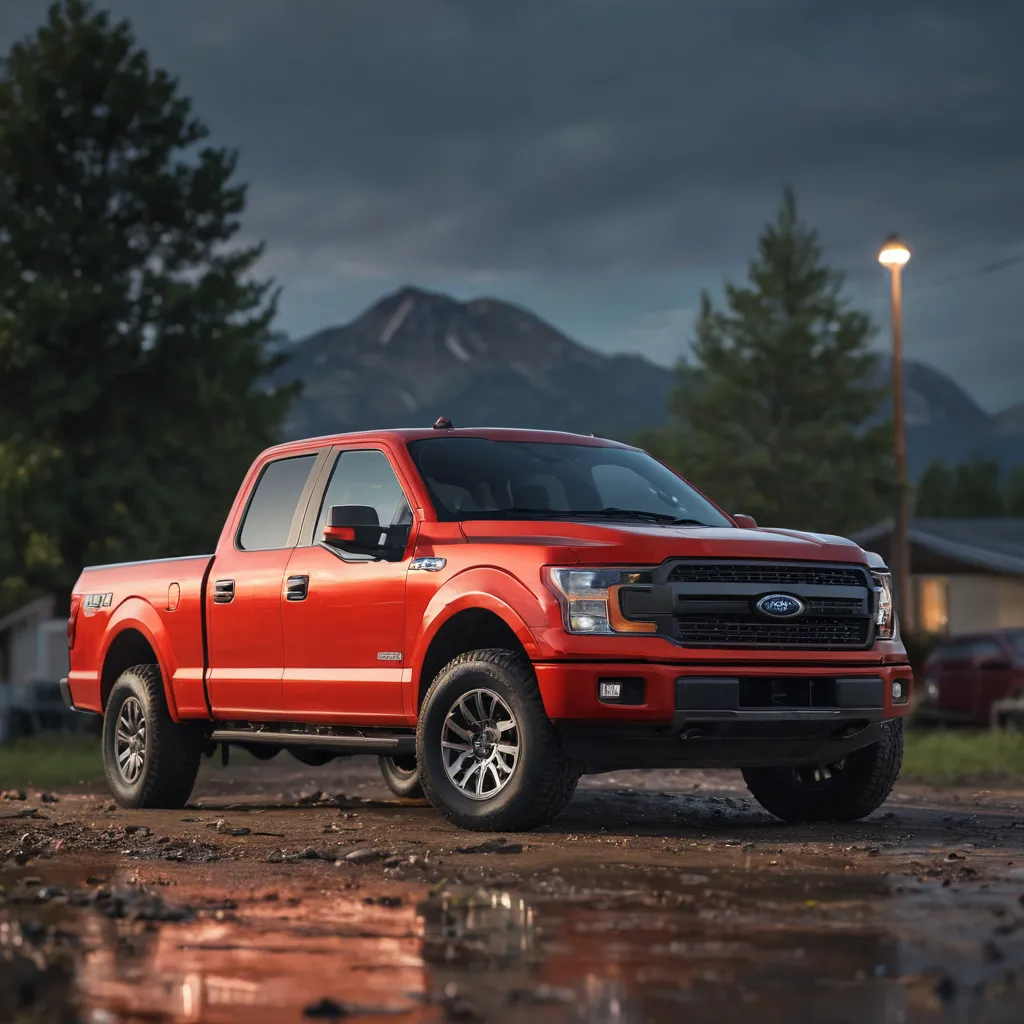
Curious about elevating your fleet’s capabilities without breaking the bank? The F-150 XL Sport trim introduces a sporty flair combined with functional upgrades, such as a more aggressive front grille and enhanced suspension options. While still rooted firmly in practicality, this variant adds a dash of style that might make your fleet feel a little less utilitarian and a bit more spirited—ideal for businesses that value both form and function.
The potential challenge here is balancing aesthetics with cost-effectiveness. Does the added sportiness justify the marginal increase in cost for fleets focused purely on utility? The answer depends on your company’s image aspirations and whether your drivers would appreciate—or even benefit from—the added features and style cues.
Challenges and Considerations: What to Watch Out For
No vehicle is without its pain points. With the F-150 XL, fleet managers should be mindful of a few considerations. The absence of more advanced driver-assist features, such as adaptive cruise control or semi-autonomous parking, might present a slight drawback for those looking to future-proof their fleet.
Moreover, the cab space in certain configurations—specifically the SuperCab—may feel cramped for teams that require multiple passengers or longer rides. For operations that prioritize driver comfort during extended mileage, evaluating crew cab alternatives might be prudent.
Final Thoughts: The Steadfast Backbone Your Fleet Deserves
The Ford F-150 XL confidently answers the question of how a truck can blend durability, functionality, and straightforward technology into a fleet-ready powerhouse. It invites fleets to harness its simplicity while reaping the benefits of rugged dependability—a rare combination in today’s increasingly complex vehicle landscape.
Whether you’re outfitting a construction team, landscaping crew, or municipal fleet, the F-150 XL promises performance that won’t falter under pressure. It might not dazzle like the high-end trims, but its value is embedded in every torque twist and every meticulously engineered frame joint.
In the end, the F-150 XL is not just a truck; it’s a covenant of trust between vehicle and employer—a promise that no matter the challenge, you have a reliable companion ready to face the road, the work, and the unexpected head-on. Isn’t that the true essence of a fleet vehicle?