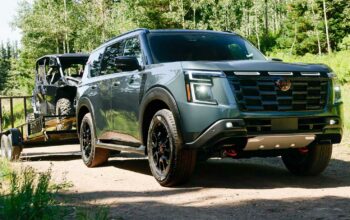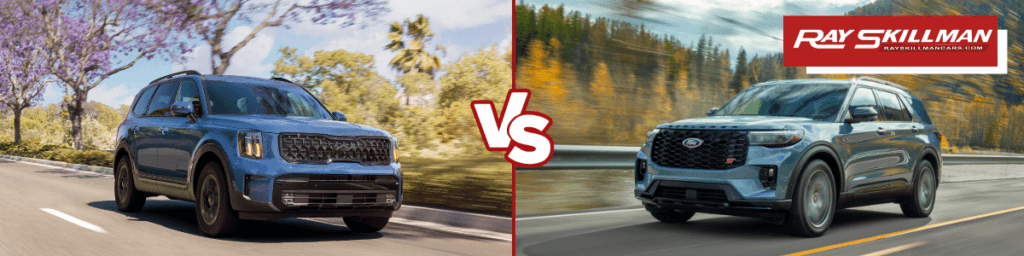
Have you ever found yourself staring at a dealership lot, scratching your head while two titans of the three-row SUV world glare back at you? The Ford Explorer and Kia Telluride aren’t just vehicles—they’re rolling manifestos of modern family mobility, each vying to outshine the other in a battle of brute power, cutting-edge tech, and unapologetic comfort. But which one truly deserves the crown? Buckle up. We’re about to dissect this rivalry with the precision of a surgeon and the flair of a seasoned road-trip raconteur.
Picture this: You’re hauling the clan to soccer practice, a weekend getaway, or—dare we say—an impromptu road trip to nowhere in particular. The backseat is a symphony of snack wrappers and forgotten water bottles, the trunk groans under the weight of luggage, and your patience is wearing thinner than a discount-brand paper towel. Enter the Explorer and Telluride, two SUVs that promise to turn chaos into comfort. But do they deliver? Or will you find yourself cursing the day you ever considered a third row?
The Engine Showdown: Who’s Got the Moxie?
Let’s kick things off with the heart of the beast—the engine. The 2025 Ford Explorer flexes its muscles with a turbocharged 2.3L EcoBoost inline-4 or a brawnier 3.0L EcoBoost V6, churning out up to 365 horsepower in its ST trim. That’s enough to make your neighbors question their life choices when you peel out of the driveway. Meanwhile, the Kia Telluride counters with a silky-smooth 3.8L V6, dishing out 291 horsepower—still formidable, but more of a marathoner than a sprinter.
But power isn’t everything. The Explorer’s turbocharged four-cylinder might sip fuel like a fine wine, but the Telluride’s naturally aspirated V6 delivers a torque-rich experience that feels effortless. If you’re the type who enjoys merging onto the highway with the confidence of a stock car driver, the Explorer’s got your back. Prefer a more refined, whisper-quiet ride that doesn’t guzzle premium gas like it’s going out of style? The Telluride’s your chariot.
And let’s not forget the towing capacity. The Explorer can haul up to 5,600 pounds, while the Telluride maxes out at 5,000 pounds. Need to tow a boat? The Explorer’s your go-to. Hauling a trailer full of camping gear? The Telluride’s got you covered—just don’t expect to win any drag races.
Interior Opulence: Luxury or Lifestyle?
Step inside, and you’re immediately hit with a sensory overload of premium materials and thoughtful design. The Ford Explorer greets you with a cabin that’s equal parts futuristic and cozy. The SYNC 4 infotainment system—complete with a massive 12-inch touchscreen—is a tech lover’s dream, while the available captain’s chairs in the second row make chauffeuring your kids feel like a first-class experience. The Telluride, however, takes a different approach. Its interior is a masterclass in understated elegance, with soft-touch materials, ambient lighting, and a panoramic sunroof that bathes the cabin in natural light. The third row? Surprisingly spacious for a midsize SUV, though adults might find themselves playing a game of “who gets the least legroom.”
But here’s where the Telluride steals the show: its Nappa leather-appointed seats and available quilted suede headliner scream luxury without screaming “look at me.” The Explorer’s interior is more utilitarian, with a focus on functionality over flair. Need cupholders? The Explorer’s got 12. Need a place to stash your phone? The Telluride’s got a wireless charging pad. It’s a battle of priorities—do you want a tech-forward cockpit or a plush, spa-like retreat?
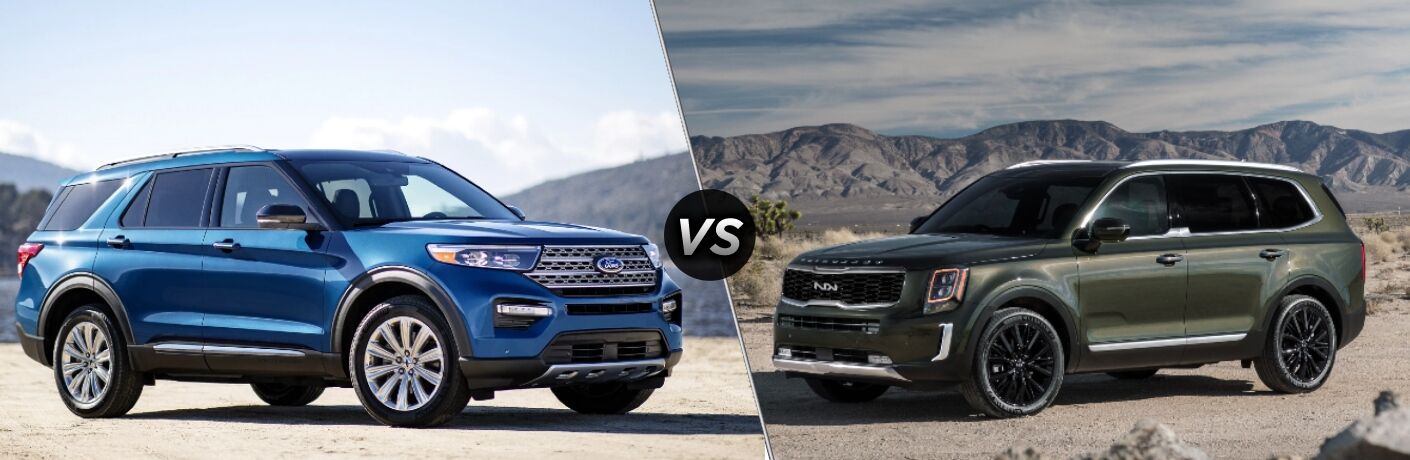
Tech and Safety: The Modern Parent’s Arsenal
In an era where distracted driving is as common as a GPS rerouting you through a cornfield, both SUVs pack a punch when it comes to safety and tech. The Explorer’s Ford Co-Pilot360 suite includes blind-spot monitoring, automatic emergency braking, and a nifty lane-keeping assist that gently nudges your wheel back into place if you start drifting. The Telluride’s Kia Drive Wise system isn’t far behind, offering adaptive cruise control, forward collision warning, and a surround-view monitor that turns parking into a stress-free experience.
But the real game-changer? The Telluride’s available Highway Driving Assist, which combines adaptive cruise control with lane-centering to make highway driving feel like a breeze. The Explorer’s BlueCruise hands-free driving tech is a close second, but it’s only available on certain trims and requires a subscription. If you’re the type who enjoys a fully loaded tech suite without the fine print, the Telluride’s your pick.
And let’s talk entertainment. The Explorer’s available 12-speaker B&O Sound System will make your road trips feel like a concert hall, while the Telluride’s Harman Kardon premium audio delivers crisp, clear sound that’s perfect for podcast binges. Both systems are top-tier, but the Telluride’s subtle tweaks give it a slight edge in the audio department.
The Third Row: A Test of Endurance
Here’s where the rubber meets the road—or rather, where the third row meets your sanity. The Ford Explorer’s third row is best suited for children or the occasional adult who enjoys the art of contortionism. Legroom is tight, headroom is adequate, and ingress/egress requires the agility of a gymnast. The Kia Telluride’s third row, while not exactly spacious, is a step up in comfort. Adults can actually sit back there without feeling like they’re being punished, though they might still opt for the second row if given the choice.
But here’s the kicker: the Telluride’s third row folds flat into the floor, creating a massive cargo area that’s perfect for hauling everything from luggage to a small army of kids’ sports equipment. The Explorer’s third row? It folds, but not quite as neatly, leaving you with a cargo space that’s more “jigsaw puzzle” than “open floor plan.”
If you’re a family of five or fewer, the third row might be more of a novelty than a necessity. But if you’re routinely schlepping around a soccer team, a weekend’s worth of camping gear, or a Great Dane named Duke, the Telluride’s cargo versatility gives it a clear advantage.
The Final Verdict: Which SUV Wins the Crown?
So, which SUV deserves a spot in your driveway? It all comes down to what you value most. If you’re a power-hungry enthusiast who craves acceleration that borders on reckless, the Explorer’s turbocharged engines and sporty handling will make your heart race. If you prefer a refined, comfortable ride with a focus on luxury and tech, the Telluride’s your soulmate.
But here’s the twist: neither SUV is perfect. The Explorer’s third row is a compromise at best, and its infotainment system can feel a tad overwhelming. The Telluride, while supremely comfortable, lacks the Explorer’s towing prowess and might leave you wanting more when it comes to off-road capability.
Ultimately, the choice hinges on your lifestyle. Are you a road warrior who demands performance and tech? The Explorer’s your steed. Do you prioritize comfort, space, and a touch of understated luxury? The Telluride’s calling your name.
One thing’s for sure: whichever you choose, you’re getting a three-row SUV that’s more than just a people-hauler. You’re getting a statement—a declaration that your family’s comfort, safety, and entertainment matter. So go ahead. Take one for a spin. And remember: the best SUV isn’t the one with the most horsepower or the fanciest tech. It’s the one that makes every drive feel like an adventure.