In the vast automotive landscape, few metrics wield as much influence over a vehicle’s long-term value as depreciation. For Ford owners and prospective buyers, understanding which models resist the relentless march of depreciation isn’t just about financial prudence—it’s about making an investment that pays dividends in resale value. Whether you’re a fleet manager eyeing total cost of ownership, a family seeking a durable SUV, or a performance enthusiast chasing a classic, Ford’s lineup offers a spectrum of depreciation behaviors worth dissecting. Let’s embark on a journey through the Blue Oval’s most and least resilient models, uncovering the hidden forces shaping their value retention.
The Depreciation Enigma: Why Some Fords Stand Tall While Others Falter
Depreciation is the silent alchemy of automotive economics, transforming a shiny new vehicle into a shadow of its former self over time. For Ford, this phenomenon isn’t uniform—it’s a patchwork of engineering choices, market perceptions, and consumer whims. The Ford F-Series, for instance, defies gravity with its legendary status, while the once-beloved Fusion limped into obscurity with alarming value erosion. The key differentiator? Brand loyalty and utility. Trucks and SUVs, particularly those with towing prowess or off-road credentials, tend to depreciate slower because they’re perceived as indispensable tools rather than disposable commodities. Sedans, on the other hand, often face a steeper decline, especially when they lack a compelling narrative—whether that’s performance, rarity, or cultural cachet.
Another critical factor is supply and demand dynamics. Models like the Ford Mustang, with its cult following and limited production runs, often buck depreciation trends by maintaining a fervent secondary market. Conversely, vehicles that flood the market—think rental car ex-fleets—suffer from glut-induced devaluation. Ford’s global footprint also plays a role; models with strong international appeal, such as the Explorer, benefit from diversified demand, cushioning them against domestic market fluctuations.
Trucks That Thrive: The F-Series and Super Duty Dominance
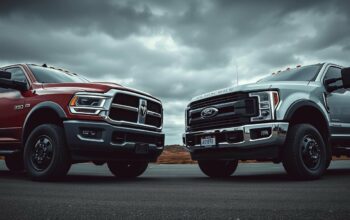
Few names in the automotive world command the same level of reverence as the Ford F-Series. Since 1948, these trucks have dominated sales charts, but their depreciation curves tell a story of unparalleled resilience. A decade-old F-150, for example, often retains 60-70% of its original value, a feat unmatched by most non-luxury vehicles. What’s the secret? Ubiquity and utility. These trucks are workhorses, family haulers, and weekend adventurers all in one, ensuring a perpetual demand that keeps resale values buoyant.
The Super Duty lineup—F-250, F-350, and F-450—takes this a step further. With their heavy-duty frames and towing capacities that dwarf competitors, these trucks appeal to contractors, farmers, and overlanding enthusiasts alike. Their depreciation rates are glacial compared to their lighter counterparts, often hovering around 5-10% annually in the first five years. Even in high-mileage examples, Super Duties command premiums, thanks to their reputation for indestructibility. For those seeking a vehicle that’s as much an asset as a purchase, the F-Series is the gold standard.

SUVs: The Explorer’s Endurance and the Edge’s Erosion
Ford’s SUV lineup is a tale of two extremes. On one end, the Expedition stands as a paragon of value retention, its three-row spaciousness and powerful engine options making it a family favorite. Like its truck siblings, the Expedition benefits from a loyal customer base and a reputation for reliability. Depreciation here is modest, with models retaining 50-60% of their value after five years. The key? Its niche appeal—large SUVs are less susceptible to the whims of urban commuters, who often favor compact crossovers.
On the other end of the spectrum lies the Ford Edge, a midsize SUV that has seen its value plummet faster than a stock market crash. Why? Market saturation and a lack of distinct identity. The Edge shares its platform with the Lincoln Nautilus, diluting its uniqueness, and its styling has never quite captured the imagination like its competitors. As a result, depreciation rates for the Edge can exceed 15% annually in the first few years. For buyers eyeing an SUV with long-term value, the Edge serves as a cautionary tale—proof that even Ford’s lineup isn’t immune to the perils of indistinctiveness.
Sedans: The Fusion’s Fall and the Mustang’s Meteoric Rise
Ford’s sedan offerings have been a rollercoaster of depreciation, with the Fusion serving as a stark example of how quickly a model can lose its luster. Once a darling of rental fleets and budget-conscious buyers, the Fusion’s discontinuation left a glut of used models in its wake. Today, a five-year-old Fusion might fetch only 25-30% of its original sticker price, a brutal reminder of how swiftly sedans can fall out of favor. The culprits? A lack of emotional connection, stiff competition from SUVs, and an image that never quite shook its “economy car” stigma.
Contrast that with the Mustang, a name synonymous with American muscle and timeless allure. The Mustang’s depreciation curve is almost laughably flat, with even high-mileage examples retaining 50% or more of their value after a decade. The secret? A blend of heritage, performance, and scarcity. Limited-edition trims, classic models like the GT, and a global fanbase ensure that Mustangs never truly become obsolete. For collectors and enthusiasts, the Mustang isn’t just a car—it’s a legacy.
Electric and Hybrid Fords: The Future’s Uncertain Depreciation
As Ford pivots toward electrification with models like the Mustang Mach-E and the upcoming F-150 Lightning, the depreciation landscape is evolving. Early data suggests that electric vehicles (EVs) may depreciate faster than their internal combustion counterparts in the short term, thanks to rapid advancements in battery technology and shifting consumer preferences. The Mach-E, for instance, has seen 20-30% depreciation in its first two years, a rate that could stabilize as charging infrastructure improves and battery costs decline.
However, the F-150 Lightning bucks this trend slightly, leveraging the F-Series’ halo effect to command premium resale values. Ford’s strategy of positioning its EVs as premium offerings—rather than budget alternatives—could mitigate depreciation risks. Still, the long-term outlook remains murky. Will EVs follow the same depreciation patterns as ICE vehicles, or will they carve out a new niche? Only time will tell, but one thing is certain: Ford’s electric future will redefine the rules of automotive value retention.
Navigating the Depreciation Minefield: Tips for Smart Buyers
Armed with knowledge of Ford’s depreciation quirks, how can you make a purchase that stands the test of time? First, prioritize models with strong aftermarket support. Vehicles like the F-150 and Mustang benefit from a thriving ecosystem of parts and tuners, which bolsters their long-term desirability. Second, avoid rental car ex-fleets. These vehicles often flood the market, suppressing resale values. Third, consider certified pre-owned (CPO) programs. Ford’s CPO offerings come with extended warranties and rigorous inspections, providing peace of mind and often better value retention.
Another strategy is to target models with limited production runs. Special editions, like the Ford Bronco Wildtrak or the Shelby GT350 Mustang, tend to depreciate slower due to their exclusivity. Finally, ignore the myth of “brand new”. A lightly used model—especially one from a high-depreciation segment—can offer the same value at a fraction of the cost. The key is to look beyond the sticker price and focus on the long game.
Depreciation isn’t just a financial footnote in the story of Ford’s lineup—it’s a narrative of resilience, folly, and reinvention. From the unshakable F-Series to the fleeting Fusion, each model’s value trajectory tells a story of market forces, consumer tastes, and engineering legacies. For buyers, this knowledge is power. For enthusiasts, it’s a roadmap to making an investment that pays dividends in both pride and profit. The next time you consider a Ford, remember: the true value isn’t just in the miles per gallon or the horsepower—it’s in how well it holds its worth.