Every family has a rhythm: mornings that begin too early, grocery runs that stretch into detours, and weekend errands that somehow become little adventures. In that motion, a car is more than transportation—it’s a mobile hearth. Yet beneath the comfort and the cupholders, there’s another question that quietly shadows every purchase decision: what will still feel valuable years from now? For many households, that answer often points toward two brands that have cultivated a reputation like well-aged oak—Toyota and Honda.
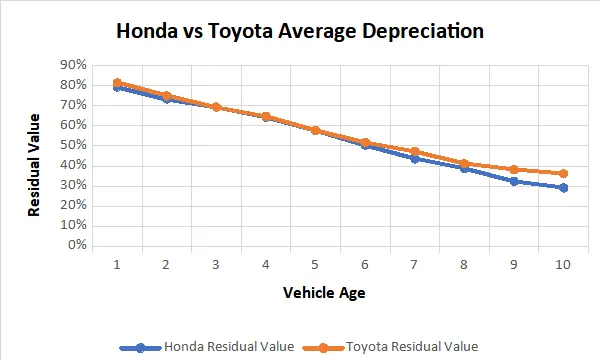
When it comes to family cars with the best resale value, Toyota and Honda share a certain philosophy. They build vehicles that hold their worth not by trickery, but by consistency. It’s as if these cars carry a kind of financial steadiness, the way a lighthouse carries its promise across fog. Let’s explore what makes Toyota versus Honda such an intriguing matchup—especially for families who want reliability today and confidence tomorrow.
The Resale Value Mindset: Buying What Grows with You
Resale value isn’t merely a number on a dealership screen. It’s the accumulated echo of thousands of small choices: durability, maintenance friendliness, parts availability, and the calm reputation that follows a model over time.
Think of it like planting a tree. Some cars are flamboyant blossoms that fade quickly. Others are sturdy branches—less dramatic at first glance, but capable of supporting seasons after seasons. Toyota and Honda tend to be those sturdier branches. Their resale performance often reflects how buyers perceive long-term trust, not just short-term excitement.

Toyota’s Brand Gravity: The Draw of Proven Engineering
Toyota has long operated with an almost deliberate momentum. Many of its models are engineered for everyday resilience, where the biggest goal is not novelty for its own sake, but steadfastness under routine strain.
In family life, that matters. Drivers want fewer surprises. Families want components that withstand the ordinary harshness: stop-and-go commutes, kids who treat seats like trampolines, and weather that ranges from scorching to icy without warning.
Toyota’s resale value advantage often grows from buyer familiarity. When a car’s reputation is widely understood, it’s easier for the next owner to feel comfortable. The market behaves like a collective memory. If reliability is the story people keep telling, demand remains steady—and demand is the heartbeat of resale value.
Honda’s Quiet Confidence: Efficiency and Familiar Comfort
Honda’s appeal often arrives with a different tone—more nuanced, less ceremonial. Where Toyota can feel like a dependable workhorse, Honda often feels like a refined instrument: smooth to drive, intuitive to live with, and remarkably livable for families.
Honda models frequently win hearts with practical features that don’t scream for attention but quietly improve daily life—smart packaging, thoughtful cabin design, and a driving feel that encourages calm. In family cars, calm is not a luxury. It’s a requirement.
Resale value can be bolstered by ownership experiences that feel consistently positive. When drivers say, “It just keeps going,” others listen. Over time, Honda’s reputation for efficiency and manageable maintenance contributes to its ability to hold worth, especially in popular mainstream segments.
Why SUVs Dominate the Resale Conversation
Family vehicles often tilt toward SUVs because they fit the reality of family logistics. They offer higher seating positions, flexible cargo space, and an all-purpose stance that matches everything from school drop-offs to road trips. In the used market, that broad usefulness becomes a kind of currency.
Two names appear again and again in this conversation: the Toyota RAV4 and the Honda CR-V. These are not merely “good cars.” They are trusted platforms—vehicles that have become familiar to buyers. Familiarity reduces uncertainty, and reduced uncertainty tends to support resale values.
Metaphorically, think of these SUVs as Swiss Army knives. They may not be the loudest tools in the drawer, but they’re the ones you reach for constantly. A used buyer is likely to do the same.
Reliability Isn’t Magic: It’s a Pattern Buyers Can Sense
When shoppers consider resale value, they look for patterns. They watch how a model behaves across years and how it compares to competitors with similar prices. They read stories, check repair histories, and examine how often owners talk about consistent performance.
Toyota and Honda tend to produce patterns that are easy for the market to understand. Their reputation isn’t built on scattered miracles. It’s built on repeatable outcomes—durability, longevity, and the sense that maintenance is straightforward rather than chaotic.
In practical terms, that can mean fewer costly surprises and smoother ownership transitions. In emotional terms, it means fewer headaches for families—and the next owner benefits from that same confidence.
Parts, Service, and the Comfort of Availability
Resale value isn’t only about the car itself. It’s also about the surrounding ecosystem: how easily parts can be sourced, how common service knowledge is, and how predictable repairs tend to be.
Toyota and Honda often benefit from wide dealer and service networks. That matters because families rarely have the luxury of waiting indefinitely. When something needs attention, time becomes expensive. A brand that can restore normal life quickly tends to stay attractive in the used market.
It’s a bit like choosing a neighborhood with established hospitals and familiar streets. Even when nothing goes wrong, the reassurance of readiness shapes perception—and perception shapes value.
Fuel Economy and the Longevity of Cost-Sense
Many families buy with a “whole-life” mindset. They think about fuel bills, maintenance cadence, and how expensive it is to keep a vehicle operating smoothly.
Fuel economy can influence resale value because it affects the day-to-day cost of ownership. A used buyer wants to avoid inheriting expensive habits from the previous owner—habits created by heavy consumption or inefficient drivetrains.
Toyota and Honda frequently offer models that fit the practical economics families expect. It’s not just about saving money once. It’s about preserving purchasing power over time.
Safety Reputation: The Market Prefers Peace of Mind
Families don’t evaluate cars like spreadsheets. They evaluate them like guardians. Safety features and performance matter not because they’re flashy, but because they reduce anxiety.
When a brand has a steady reputation for safety engineering and dependable performance, resale values tend to follow. The used market rewards vehicles that feel like dependable shelters, not rolling gambles.
In metaphorical terms, Toyota and Honda often behave like well-constructed umbrellas. They may not stop every storm, but they’re designed to keep the weather from turning into catastrophe.
How Trim Levels and Popular Configurations Affect Resale
Resale value isn’t only brand-based. It’s also trim-dependent. In many cases, the most popular configurations—those with widely desired features—hold value better because they’re easier to resell to a broad audience.
Families should consider how their needs overlap with what other families want later. If you frequently use a feature—navigation, advanced safety suites, heated seats—it may also be what future buyers will notice and appreciate.
Choosing a sensible trim can be like packing a well-prepared suitcase. You’re not overstuffing with unnecessary items, but you’re bringing what matters. The resale market tends to reward that kind of practicality.
Matching Toyota and Honda to Real Family Life
The best resale value is not universal; it’s contextual. A family’s lifestyle determines which vehicle becomes the “default” choice—commuting, school runs, long road trips, or weekend hauling.
For families who crave a larger aura of rugged reliability, Toyota’s lineup often feels like a durable scaffold. For families who prioritize efficient daily comfort and smooth drivability, Honda frequently delivers a quieter confidence.
Ultimately, the unique appeal of Toyota versus Honda can be summarized as two complementary philosophies. Toyota often emphasizes engineering consistency and market familiarity. Honda often highlights practicality, efficiency, and a user-friendly ownership experience. Both can produce strong resale outcomes, particularly when paired with popular model choices and sensible trim levels.
Buying for Resale: Simple Moves That Pay Off
Resale value isn’t only a function of brand. It’s also a reflection of care. Keep service records. Stay current on maintenance. Protect the interior. Avoid neglect. These actions are not just responsible—they’re economically persuasive.
Consider your vehicle like a long-term relationship. Small acts of maintenance are akin to regular check-ins. They prevent deterioration and preserve the vehicle’s “story” for the next buyer.
And when it’s time to sell, transparent ownership history can act like a receipt for peace of mind. That clarity often strengthens negotiation power and speeds buyer confidence.
Outro: Two Loyal Paths Toward Tomorrow’s Worth
Toyota and Honda each carry a distinct charm in the realm of family cars with best resale value. Toyota often feels like a steady metronome—reliability that keeps time. Honda often feels like a calm conductor—efficiency and everyday usability that bring harmony to family life.
In the end, the most compelling resale value is the kind that doesn’t require justification. It’s the value that arrives from a reputation you can feel: dependable engineering, thoughtful design, and a sense that your car will remain relevant when new choices appear.
If your family’s life is a journey, Toyota and Honda can be trusted companions—vehicles that don’t just get you there, but help ensure that what you’ve built together retains its worth along the way.