Picture this: it’s your teenager’s first real taste of independence—keys in the cup holder, music turning up, and that unmistakable “I’m ready!” energy. Now pause for a second. Are you actually ready for the safety math, the fuel bill math, and the “what if they forget the turn signal?” math? Choosing a crossover in 2025 isn’t just about badge design or glossy dashboards. It’s about finding a vehicle that behaves predictably when attention wobbles, traffic thickens, or weather decides to be dramatic.
Here’s the fun challenge: try to pick one crossover that can handle daily commuting, weekend errands, and the occasional “let’s go somewhere spontaneous” detour—without turning your budget into a cautionary tale. Below is an extensive tour of the best 2025 crossovers for teen drivers, focusing on safety, value, and the features that help even a learning driver feel calmer behind the wheel.
How to Think About Teen-Driver Safety (Beyond the Hype)
When people say “safe,” they often mean airbags and crash ratings. That matters, of course. But for teen drivers, the more meaningful question is: Can the vehicle prevent mistakes—or at least soften their consequences? This is where modern driver-assistance systems shine.
Look for forward collision warning with automatic emergency braking. Then check for lane-keeping assist and lane departure warning. Teens don’t always drift because they’re reckless; sometimes it’s fatigue, distraction, or just the brain trying to process too many things at once.
Also prioritize blind-spot monitoring and rear cross-traffic alert. Parking lots are where confidence goes to mingle with chaos. The best crossovers make those blind corners feel less like a gamble.
Finally, consider good visibility. A crossover with clear sightlines can reduce hesitation—and reduce late, panicked corrections.
Safety Tech That Actually Helps a New Driver
Let’s get specific. The best 2025 crossovers tend to bundle safety features that work like an extra set of eyes. Think of them as a gentle co-pilot—one that speaks up when it matters.
Adaptive cruise control can help on highway stretches, particularly when traffic flows in waves. Automatic high beams reduce the risk of forgetting to switch from brights to normal settings at night.
For urban driving, pedestrian detection and intersection support are valuable. Teens are still mapping traffic behavior in their minds. These systems add friction against dangerous outcomes.
One more overlooked point: driver attention monitoring (when available) can provide feedback if the driver’s behavior suggests drowsiness or inattention. It’s not magic. But it’s a nudge in the right direction.
Value Matters: The True Cost of Owning a Crossover
A crossover that’s affordable at purchase can become expensive after the first year. So value isn’t only about sticker price. It’s about fuel economy, maintenance friendliness, insurance cost, and how likely the car is to stay reliable through the “I’ll keep it clean… maybe” phase.
For teens, fuel efficiency is especially meaningful. Even a modest improvement at the pump can add up over time. Consider how often the vehicle will be used for short trips. Start-stop systems can help, but they work best when the vehicle is driven regularly.
Insurance also plays a role, and while rates vary widely, models with strong safety suites often carry more favorable premiums. It’s not guaranteed—but it’s worth checking before signing anything.
Choose trim levels wisely. Paying for a top trim may feel reassuring, but some safety features are offered as part of packages. The best strategy is to confirm exactly which safety technologies come standard versus being optional.
Top Picks: Best 2025 Crossovers for Teen Drivers
Now for the heart of it. These are the kind of crossovers that combine sensible safety behavior with approachable ownership economics—ideal for a first car or a “level up” replacement.
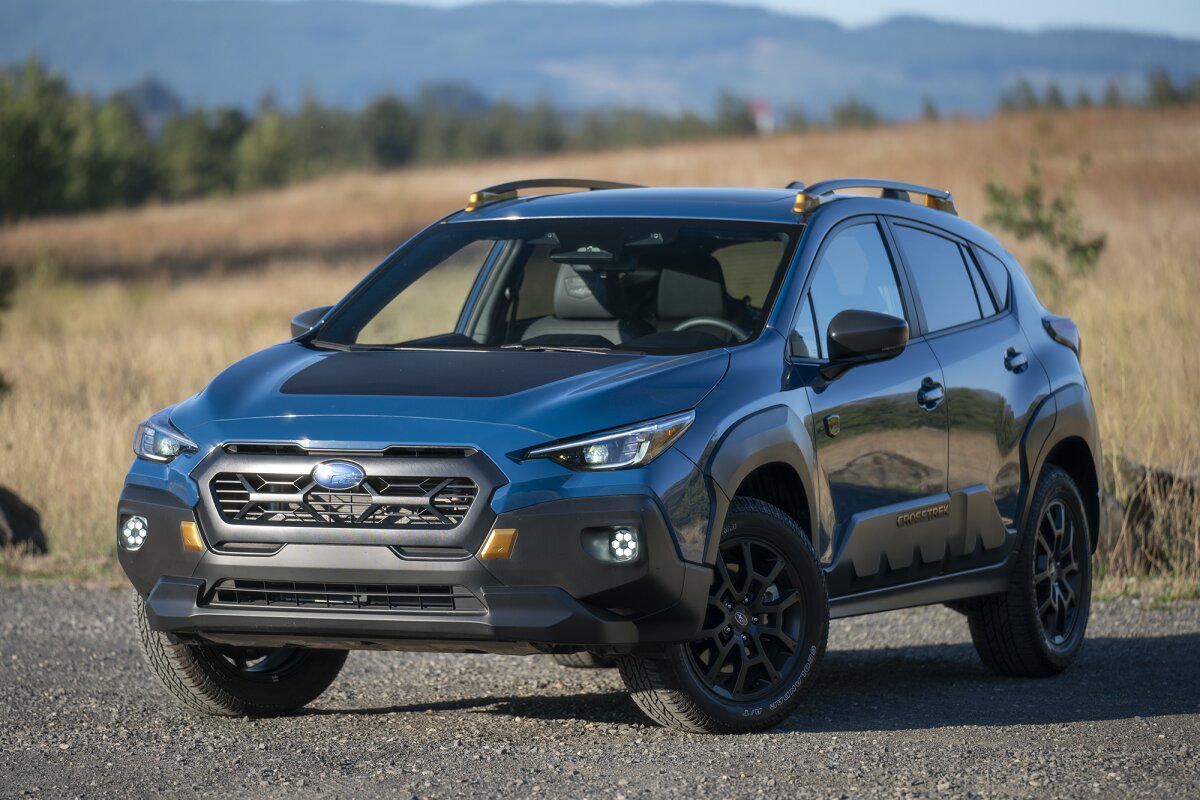
Subaru Crosstrek (All-Weather Confidence with Practical Value)
The Subaru Crosstrek is a popular choice for teens because it pairs everyday usability with an all-weather mindset. Its crossover stance helps drivers feel secure when roads get slippery, and its driving temperament tends to be forgiving rather than finicky.
Safety-wise, it’s typically known for featuring robust driver-assistance technology in its lineup. For a new driver, that means more gentle corrections and fewer moments where you have to wonder, “Did they see that?”
Value enters the conversation through practicality: comfortable seating for daily life, good visibility, and ownership costs that are not overly punishing. If your teen’s schedule includes rain, snow, or a surprise pothole season, this crossover often fits the bill.
Hyundai and Kia Lineup Sweet Spots (Technology-Forward Without the Luxury Price Tag)
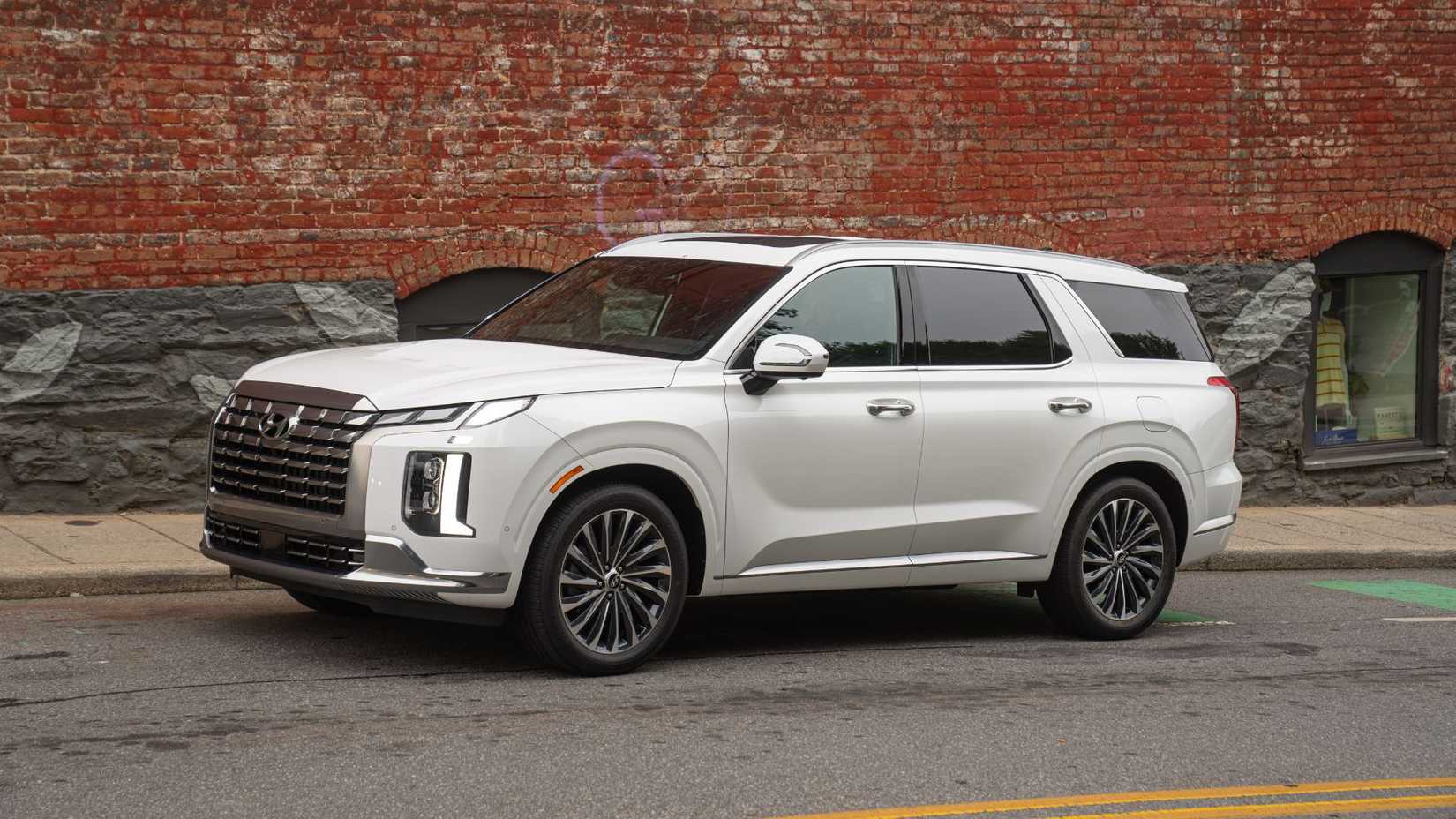
If your teen is drawn to modern screens, quick responsiveness, and a car that feels “future-ready,” Hyundai and Kia models often deliver a balanced experience. Many configurations emphasize active safety, driver-assistance features, and user-friendly infotainment.
For teens, intuitive controls reduce distraction. If the navigation and audio systems are easy to operate with minimal fuss, the driver keeps eyes where they belong—forward.
Also pay attention to the coverage of safety tech across trim levels. In many cases, the “sweet spot” trim includes key assistance systems without requiring the most expensive package.
One more value angle: these brands have a reputation for strong warranty coverage in many markets. That can matter when your teen’s driving style is still evolving.
Honda HR-V / CR-V Family Energy (Reliable, Predictable, and Easy to Live With)
Honda’s crossover approach tends to feel calm. That’s not a marketing phrase—it’s a practical advantage for new drivers. A predictable vehicle reduces mental load, especially during tricky maneuvers like merging, lane changes, and tight parking.
When safety features are included (often through packages depending on trim), you’re looking at a mix of collision avoidance support, lane assist, and driver warnings that help a teen respond more quickly.
Value comes from long-term dependability and straightforward maintenance routines. It’s the kind of car that doesn’t demand constant attention—allowing you to focus on teaching driving habits instead of troubleshooting surprises.
Mazda CX-5 / Mazda CX-50 (Engaging Control for Confident Handling)
Mazda crossovers often stand out for how they feel behind the wheel. Teens benefit from that sense of connection: steering feedback and stable handling can make a driver more willing to practice—and more capable of managing speed in corners.
Safety suites in this category typically emphasize collision mitigation and lane support, helping a teen maintain correct trajectories. When the car “cooperates” rather than fights the driver’s intent, confidence grows in the right way.
From a value standpoint, Mazda models can offer a satisfying ownership experience without pushing pricing into pure luxury territory. The trick is selecting the trim that brings the safety gear you want, rather than paying for upgrades that don’t affect teen-driving protection.
Kitschy Reality Check: The “Potential Challenge” Phase
Here’s where it gets real. Even the best crossover can’t eliminate risk. The real challenge arrives when your teen starts developing habits: late braking, distracted scanning, and the irresistible temptation to treat road rules as suggestions.
So, before the first drive, consider building a mini training plan. Short trips. Clear goals. One skill at a time. Practice merging. Practice turning into busy lanes. Practice parking without relying entirely on sensors. The car provides assistance; the teen provides intention.
Also, set boundaries. Limit night driving at first. Avoid heavy traffic early on. Keep music at a reasonable volume until the driver proves control. It’s less about suspicion and more about support.
Feature Checklist: What to Look For on Test Drive Day
Bring a checklist and treat the test drive like a safety audit. Prioritize:
Forward collision warning + automatic emergency braking
Lane departure warning + lane keeping assist
Blind-spot monitoring + rear cross-traffic alert
Adaptive cruise control (where appropriate)
Good visibility and comfortable seating position
Simple infotainment controls to minimize distraction
Then ask an underrated question: Does the car’s interface encourage calm? If the system is confusing or requires too many button presses, the driver’s attention will scatter.
Final Thoughts: Choose a Crossover That Makes Learning Safer
The best 2025 crossovers for teen drivers don’t just look modern. They help prevent errors, they support good habits, and they stay reasonable to own. The right vehicle becomes a quiet ally—one that warns, assists, and steadies the ride when inexperience turns into uncertainty.
So here’s the playful closing thought: when your teen asks, “Can I take the car tonight?” you’ll know whether your choice is ready to handle the responsibility. Pick a crossover that protects the driver, respects your budget, and turns every drive into a step toward safer confidence.