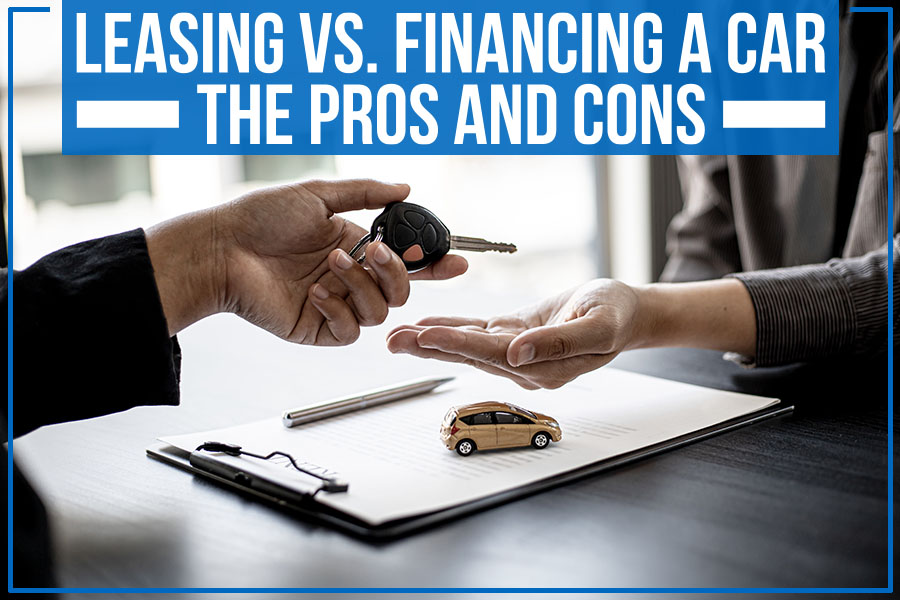
There’s a peculiar moment that many US drivers recognize: standing in the driveway, staring at a new set of tires you don’t quite “feel” yet—because the decision behind them is still floating in the air. Is an electric vehicle a purchase that becomes a fixture of your life, or a lease that feels more like a well-timed season ticket? The question seems practical on the surface, but it’s also quietly psychological. It touches the way Americans approach risk, the romance of new technology, and the desire to keep optionality intact—especially when the future is changing faster than car brochures can keep up.
Leasing versus buying an EV isn’t simply a financial calculation. It’s a choice about control, predictability, and how you want technology to enter your routine. And yes, there are straightforward pros and cons—yet the deeper reasons for fascination often hide in the fine print: battery uncertainty, depreciation anxiety, charging habits, and the human impulse to stay current without constantly starting over.
Why the leasing-versus-buying debate feels personal
People don’t argue about EV financing because it’s fun; they argue because the tradeoffs are intimate. A lease alters your relationship with the vehicle. You’re not inheriting it; you’re renting the experience, as if the car is a short story and you’re deciding how many seasons you want to read. Buying, by contrast, turns the car into a long-term companion. You invest in it emotionally, and you invest in it financially—with the expectation that time will eventually reward that patience.
For EVs, the emotional texture changes. Electric drivetrains carry a reputation for smoothness, quiet thrust, and the faint sense that you’re driving tomorrow. That fascination can make buyers more willing to try, and it can make leasers more willing to experiment. The same driver who scrutinizes interest rates might also feel a pull toward the newest battery chemistry, faster charging, or improved infotainment—features that can feel “outdated” faster than you can imagine.
EV leasing: what you gain (and what you trade away)
Leasing typically offers a lower monthly payment than buying, at least on the surface. That lower number can feel like permission: permission to drive an EV sooner, permission to allocate cash to home charging installation, or permission to keep your budget flexible for life’s curveballs.
Another advantage is the rhythm of renewal. Most leases last around 24–36 months. During that period, EV technology can evolve noticeably. If faster charging standards, improved range efficiency, or vehicle software upgrades become more common, a leased vehicle can help you avoid the emotional friction of feeling “stuck” in older specs.
However, leasing also has constraints that can feel like invisible reins. Mileage limits are one of the biggest reality checks. Exceed them and costs can jump quickly. Wear-and-tear charges can also be a surprise, especially for drivers with gravel driveways, road salt exposure, or a habit of transporting kids, gear, or pets without treating the vehicle like museum glass.
EV leasing: the hidden mechanics that shape the “true” cost
Leasing can appear inexpensive, yet the total cost depends on more than monthly payments. Think about upfront fees, disposition charges at the end, and any gap between expected and actual vehicle condition. Then consider depreciation assumptions baked into the lease structure—assumptions that may be based on market predictions rather than your personal driving life.
There’s also the question of end-of-lease options. Some drivers plan to buy the vehicle at lease end; others assume they’ll switch vehicles entirely. If you fall in the latter category, leasing can be clean and satisfying—like upgrading a phone on a schedule. If you fall in the former category, leasing might function as a halfway house. That can be beneficial, but only if the buyout price aligns with the market when the time arrives.
In many US cities, leasing also pairs well with the realities of parking and charging. A lease can reduce the emotional pressure to “maximize” the vehicle’s lifespan when you’re still learning your charging routine. If home charging is uncertain, leasing can act like a low-stakes rehearsal.
Buying an EV: the long game benefits
Buying is the method of commitment. When you own an EV outright or through a loan, you’re not negotiating a return condition; you’re building equity. Over time, that matters—especially if you plan to keep the vehicle for many years.
Buying also tends to offer more flexibility. There’s no mileage limit. There’s no need to worry about minor dings and scratches in the same way, because the vehicle isn’t returning to a dealership. You can tailor your ownership to your schedule: road trips that run long, detours for family obligations, commuting patterns that shift with work arrangements.
And then there’s the intangible advantage: psychological ownership. A purchased EV often becomes a “home base,” a stable object around which you organize your life. That stability is surprisingly valuable for drivers who care deeply about routine—the kind of person who tracks charging sessions, learns the sweet spot of battery health behavior, and feels proud of keeping the vehicle in excellent condition.
Buying an EV: depreciation and battery anxiety
Owning an EV isn’t risk-free. Depreciation is the big specter. Electric vehicles can experience price fluctuations based on incentives, supply changes, and evolving competition. If market values fall faster than expected, the driver can feel punished for choosing a technology that’s still on a rapid adoption curve.
Battery concerns add another layer, even when they’re partially addressed by warranty coverage. Drivers often wonder: Will range fade faster than anticipated? Will degradation show up sooner in hot climates or with frequent high-speed charging? The deeper fear isn’t only about numbers—it’s about uncertainty. Ownership amplifies uncertainty because you’re carrying the asset longer.
Still, many buyers mitigate this with smart behavior: using charging schedules, moderating fast-charging frequency, and maintaining battery-friendly habits. The result can be a kind of informed stewardship—less panic, more practice.
Financing, incentives, and the US policy reality
US EV incentives can influence both leasing and buying, but in different ways. Some credits and rebates may apply differently depending on eligibility, vehicle price, and income thresholds. That means your personal financial profile can tilt the scales toward one option.
Leasing can sometimes offer attractive terms if manufacturers or dealers structure deals to move inventory. Buying may benefit more when tax credits and rebates align with your situation. Either way, it’s worth treating incentives like weather forecasts: useful, but not absolute. They can change. They can phase out. They can be replaced by new programs.
In practice, savvy drivers compare the after-incentive cost over a time horizon that matches their lifestyle. Leasing favors shorter horizons. Buying often favors longer horizons. But the real key is congruence: aligning the financing strategy with how long you genuinely plan to keep the vehicle.
Charging lifestyle: a decision driver you can’t ignore
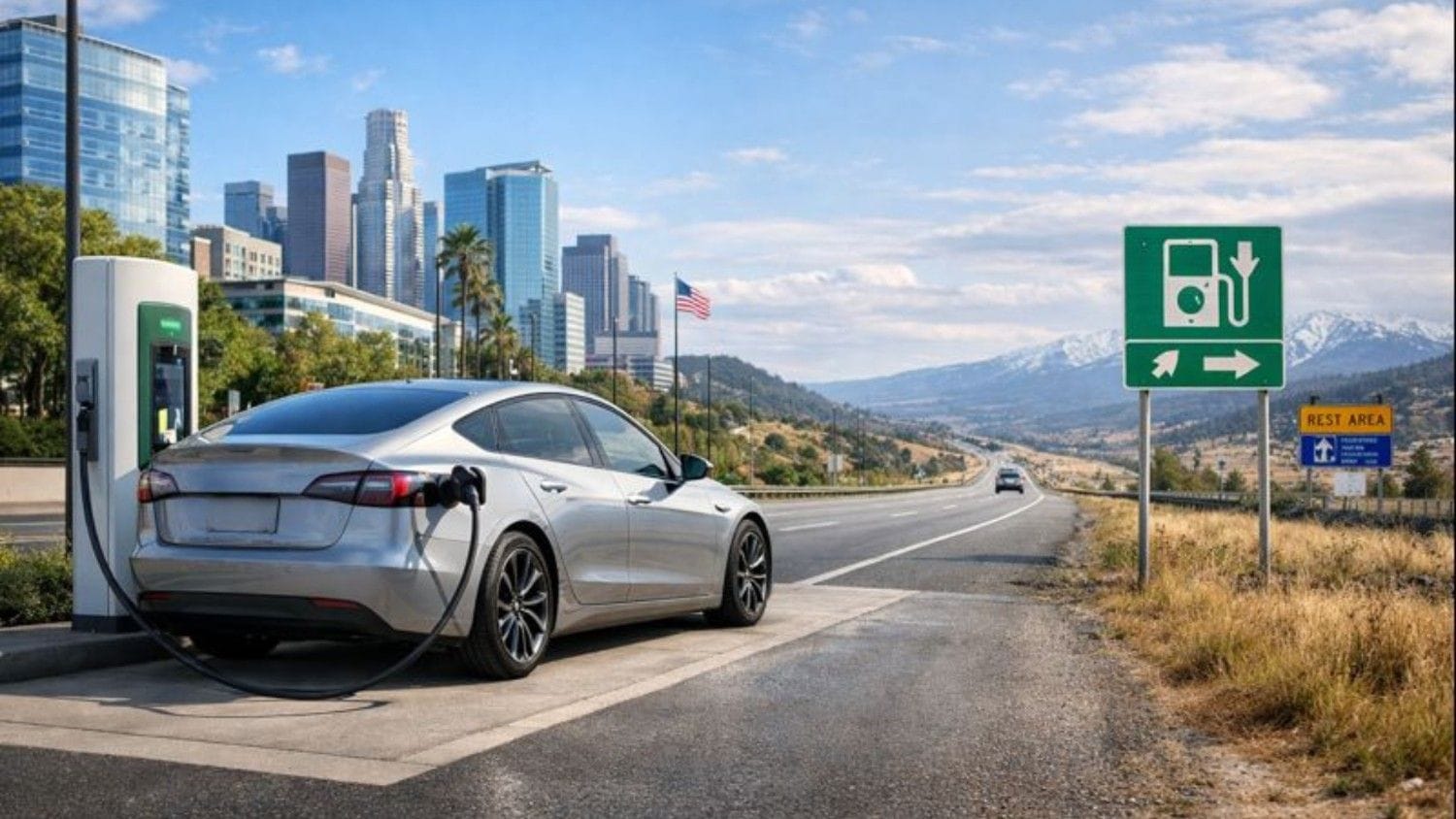
EV leasing and buying both depend on charging access, yet the psychological weight differs. If you can charge at home, owning can feel like a natural extension of daily life. You wake up, you plug in, you manage energy with the calm confidence of routine. That confidence can make buying more appealing because the vehicle becomes integrated into your day-to-day.
If home charging is unavailable, leasing might reduce friction. You’re less likely to feel locked into a vehicle that doesn’t fit your infrastructure. Commercial chargers can be abundant, but they’re also subject to reliability issues, station congestion, and variable costs.

The “fascination factor”: why drivers are drawn to switching
There’s a reason people gravitate toward leasing even when buying is financially plausible. EVs aren’t just cars; they’re a portal. Each generation feels like a small upgrade to identity—new interfaces, improved efficiency, and features that make daily commuting feel less like obligation and more like capability.
That fascination can be rational. Technology cycles are real. Software updates, range improvements, and charging standard evolution aren’t myths—they’re the bloodstream of the market. Leasing respects that momentum. It provides a controlled way to stay near the leading edge without surrendering long-term ownership risk.
Buying, meanwhile, appeals to a different fascination: mastery through continuity. The driver who buys tends to enjoy optimization—learning charging patterns, maximizing efficiency, and building a long-term relationship with a vehicle that becomes “known.”
Choosing the right path: a practical decision framework
If you crave flexibility, expect lifestyle changes, and want the ability to upgrade within a few years, leasing often fits best. If you have stable driving patterns, a clear charging setup, and a plan to keep the vehicle for a long time, buying can become more advantageous.
To make the decision sharper, consider three questions. First: How many miles will you drive each year? Second: How long do you want to keep the vehicle before you crave something new? Third: What is your tolerance for uncertainty—about depreciation, end-of-lease costs, and the future pace of EV improvements?
There’s no single “correct” choice for US drivers. There’s only alignment. The best option is the one that matches your timeline, your charging reality, and the kind of relationship you want with your car.
Conclusion: the best EV deal is the one that matches your life
Leasing and buying both offer a path into electric mobility, but they aren’t interchangeable. Leasing can feel like a well-tuned experiment—lower commitment, faster renewal, and a graceful exit if technology leaps ahead. Buying can feel like long-term ownership—equity, freedom from mileage constraints, and stability you can grow into.
Ultimately, the question isn’t whether leasing is smarter or buying is safer. The question is which option respects your future self. Choose the structure that supports your daily routine, your charging setup, and your appetite for change. When those variables align, the decision stops being a dilemma and starts becoming a direction.