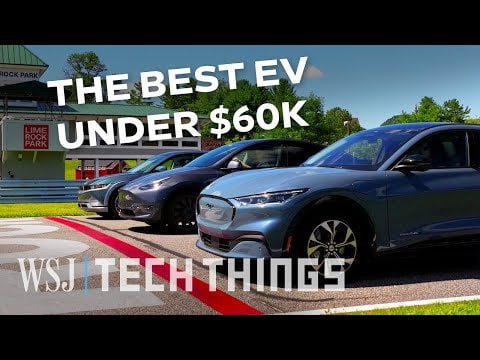
Some dashboards feel like command centers. Others feel like polite suggestions. In the electric-vehicle era, infotainment is no longer a garnish—it’s the cockpit’s nervous system, translating energy data, navigation nuance, entertainment rituals, and driver assistance cues into something you can actually live with. And yet, the experience is wildly personal: one driver wants a frictionless stream of information, another wants a calm stage where distractions never intrude. The question becomes less “Which is best?” and more “Which philosophy fits your driving life?”
This ranking—Tesla versus Ford versus Hyundai—invites a shift in perspective. Instead of judging infotainment like a spec-sheet appliance, think of it as a narrative tool. Each brand tells a different story about the driver: the guide, the organizer, the co-pilot. Once you start seeing infotainment as storytelling, the ranking stops being arbitrary and begins to feel inevitable.
Tesla Infotainment: The Interface as a Single Orbit
Tesla’s infotainment doesn’t merely present features. It orchestrates them. The center screen is the gravitational center of the cabin, pulling navigation, media, vehicle controls, and energy insights into one continuous flow. The experience can feel almost monastic—clean, decisive, and remarkably consistent.
Menus are usually where you’d expect them, yet they also refuse to behave like traditional app grids. The system leans into a philosophy of “fewer choices, better choices,” which can be liberating for drivers who don’t want to think about thinking. A short tap brings you to the essentials; a longer dive reveals deeper layers without turning the screen into a labyrinth.
Navigation deserves special attention. Tesla’s routes often feel engineered for electric reality, not just map convenience. Charging stop suggestions can turn anxiety into planning momentum. The shift in perspective here is subtle: instead of infotainment being something you use while driving, it becomes something that helps you anticipate the journey.
That said, Tesla’s approach is a double-edged blade. If you prefer tactile redundancy or prefer a more traditional separation between controls, Tesla can feel like living inside a minimalist app. The interface is elegant, but it may not be universally comforting.

Ford Infotainment: Familiarity, Then Refinement
Ford often plays the diplomat. Its infotainment tends to meet drivers where they already are—visually organized, intuitively navigable, and generally welcoming to first-time EV buyers. If Tesla can feel like a sleek departure lounge, Ford feels like an efficient train station: signage is clear, pathways are obvious, and you rarely feel lost.
The brand’s strength is not just ease of use; it’s the blend of practicality and polish. Media access is typically straightforward, and common functions tend to be reachable without the kind of cognitive overhead that makes driving feel like operating machinery. This matters. Long days, late commutes, and the occasional rain-soaked detour all demand a system that stays cooperative.
Ford’s infotainment ecosystem also carries a certain “pairing confidence.” It’s usually comfortable integrating with phones and apps, reducing the friction of the modern car ownership ritual. The result can be a calmer cabin rhythm: you spend less time wrestling the screen and more time letting it work in the background.
However, Ford’s systems can vary in sophistication depending on model and software generation. Some users experience a richer feature set than others. In a ranking built on day-to-day confidence, Ford often wins the comfort contest—especially for drivers who want a straightforward experience rather than a futuristic monolith.

Hyundai Infotainment: The Value of a Thoughtful Ecosystem
Hyundai brings a distinct tone to the infotainment conversation: practical innovation with a strong emphasis on usability. The interface often feels designed for people who want capability without theatrical complexity. In other words, it aims for competence with minimal drama.
Hyundai’s strength frequently emerges in how the system communicates information. The layout tends to be legible, the controls are typically arranged for rapid comprehension, and the infotainment supports the idea that the driver should stay oriented without being overloaded. This is an underrated form of excellence. The best infotainment doesn’t just add features—it reduces mental load.
Media and connectivity are generally smooth, and the system’s flow can feel intuitive during routine interactions: playlist changes, navigation updates, and quick settings adjustments. For drivers who use the car like a daily tool—commuting, errands, school drop-offs—Hyundai’s infotainment often feels like a dependable assistant rather than a flashy centerpiece.
Where Hyundai may differ from Tesla is in its “single-screen philosophy.” Hyundai’s experience can be more compartmentalized, which some drivers interpret as clutter, while others perceive it as clarity. This is where the ranking becomes personal: compartmentalization can be either a distraction or a structure.
Maps That Matter: Navigation Behavior and Charging Intelligence
Navigation isn’t only about where you go. It’s about how the car reduces uncertainty. Tesla often makes navigation feel like a proactive planner. Ford emphasizes mainstream intuitiveness and reliable guidance. Hyundai focuses on clarity and a user-friendly layout that helps drivers stay steady.
Charging-related routing deserves a special lens. EV owners don’t just need maps—they need reassurance. When infotainment anticipates charging needs, it transforms “will I make it?” into “I’ll be there with time to spare.” That emotional shift can be more valuable than any animation style.
If curiosity is the engine, charging intelligence is the fuel. Brands that treat charging as part of the journey—not an emergency detour—tend to earn trust quickly.
Media and Voice: The Comfort of Hands-Free Momentum
Music can make traffic feel shorter. Podcasts can turn boredom into momentum. Voice control, meanwhile, is either a convenience or a frustration generator. The best systems respond with speed and predictability, turning voice prompts into an extension of the driver’s intent.
Tesla’s voice experience often feels integrated into its broader UI logic, which can make it feel efficient once you learn its conversational patterns. Ford’s voice controls commonly emphasize accessibility, aiming for a “just works” temperament. Hyundai’s approach often emphasizes clarity and straightforward interactions.
In practice, the winning criterion is rarely “Who has the fanciest voice feature?” It’s “Who understands you when you’re not in a perfect mindset.” Road noise, driver impatience, and sudden route changes expose the truth.
Vehicle Controls and Driver Data: The Subtle Art of Trust
Infotainment also serves as the translator between the car’s internal logic and the driver’s expectations. Battery status, energy consumption trends, regenerative braking behavior, and preconditioning cues all shape how confident you feel.
Tesla tends to present driver data with a minimalist, aggregated clarity—information that feels like it belongs to the journey narrative. Ford often delivers a more traditional structure with recognizable patterns. Hyundai frequently focuses on intelligibility, helping drivers read the car’s mood without interpreting it like a technical manual.
Trust is earned through consistency. When the interface behaves predictably—showing the right info, in the right place, at the right time—drivers stop questioning it. They start using it as a compass.
Speed, Responsiveness, and the “Friction Tax”
Even beautiful interfaces can fail if they introduce friction. Lag in menus. Slow loading. Unpredictable touch sensitivity. These are small annoyances that become cumulative stress. The shift in perspective is important: infotainment performance isn’t just about benchmarks; it’s about how often you feel compelled to repeat actions or stare longer than necessary.
Across Tesla, Ford, and Hyundai, responsiveness can be influenced by software updates, hardware generation, and user settings. Still, the best experiences share a common trait: they feel like an extension of your habits, not a negotiation with the screen.
So Who Wins the EV Infotainment Ranking?
Ranking infotainment is less about declaring a permanent monarch and more about matching philosophies to driver preferences.
Tesla tends to excel for drivers who want an integrated, journey-first ecosystem—minimalist design, centralized control, and navigation that feels like it anticipates your next decision.
Ford often shines for drivers who prioritize familiarity, comfort, and straightforward access—an infotainment experience that usually feels friendly rather than futuristic-awkward.
Hyundai frequently wins the “balanced value” angle—clear communication, practical usability, and a system that supports daily driving without turning every interaction into a tech demo.
Curiosity is the final test. After a week behind the wheel, do you feel compelled to explore—or relieved that everything works without constant investigation? The best infotainment doesn’t just rank; it resonates.
Outro: Infotainment as the New Driving Personality
EVs electrify the powertrain. Infotainment electrifies the experience. The cabin becomes a place where information, entertainment, and vehicle intelligence converge—and where your attention is either protected or harvested. Tesla, Ford, and Hyundai each carve out a different personality: the centralized guide, the familiar coordinator, and the calm ecosystem.
When you approach infotainment as storytelling, the ranking becomes more than a list. It becomes a mirror. The system you prefer is the one that understands how you actually drive—how you think under pressure, how you relax in motion, and how you want the car to translate the future into something immediately usable.