Electric trucks are no longer a distant aspiration; they are rapidly transforming the logistics landscape today. Amidst this electrifying evolution, one facet commands undivided attention: charging speed. The interval it takes to charge an electric truck from 10% to 80% battery capacity fundamentally influences operational efficiency, total cost of ownership, and the very feasibility of integrating these behemoths into commercial fleets. Understanding the nuances of DC fast-charging times unveils a new vantage point—one that challenges preconceived notions and ignites a fresh curiosity about the future of freight transport.
Decoding the 10-80% Charging Window: Why It Matters
Charging an electric vehicle isn’t simply about plugging in and waiting; it’s a dynamic process with varying speeds across the battery’s state of charge. The most consequential metric isn’t the total charge time from zero to full but the 10-80% window. This specific range represents the sweet spot for rapid charging before the battery management system throttles power to preserve longevity and safety. Fast-charging beyond 80% slows considerably, making the 10-80% window the most practical gauge for operational scheduling.
By focusing on this critical segment, fleet operators can better estimate downtime and optimize route planning. It’s a revelation that recalibrates traditional assumptions about electrified transport and offers insight into how charging infrastructure investments can align with real-world needs.
Exploring the Spectrum of DC Fast Chargers
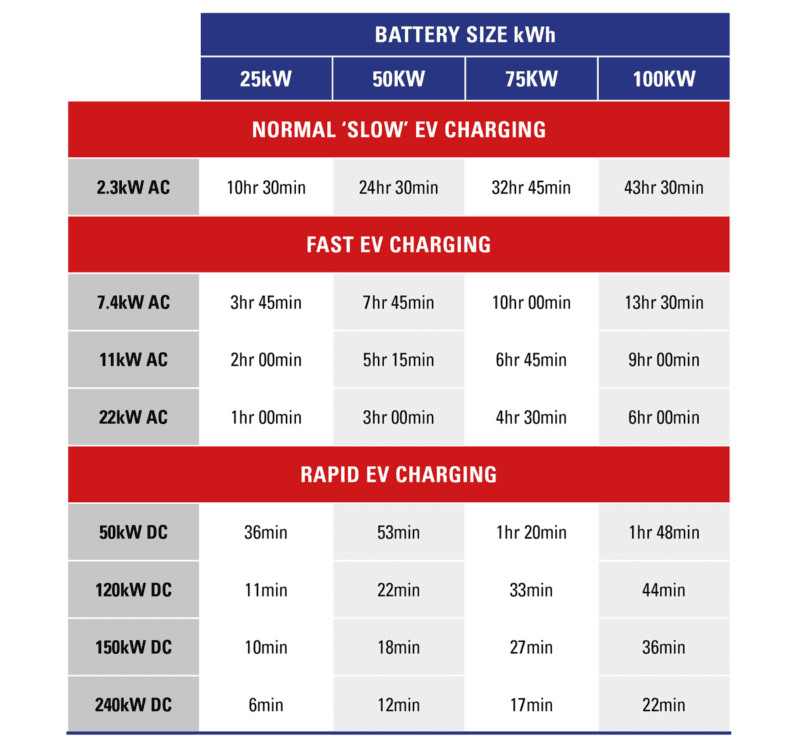
Direct current (DC) fast chargers vary significantly in output capacity, from modest 50 kW units to powerhouse installations delivering over 350 kW. A truck’s charging time intimately depends on the charger’s capability, the vehicle’s onboard charging system, and the battery chemistry.
Lower-power chargers, often found in urban or public settings, may suffice for lighter-duty electric trucks but can throttle the pace for heavy-duty giants with massive battery packs. Conversely, ultra-fast chargers—typically 150 kW and above—accelerate the 10-80% charge window dramatically. However, such rapid electricity flows require robust battery thermal management to prevent overheating and degradation.

The interplay of charger power and vehicle acceptance rates defines the practical limits of charging speed, influencing how swiftly a truck can re-enter the logistical theatre.
Battery Size vs. Charging Speed: A Delicate Balance
At first glance, larger batteries imply extended charging times. But the narrative is more intricate. Advances in battery technology have introduced chemistries capable of tolerating higher charging currents, coupled with sophisticated management systems. This means that while a 300 kWh battery pack might naturally demand more energy, it can still capitalize on high-power chargers to achieve competitive 10-80% charge times.
Furthermore, modular battery designs allow for staged growth without sacrificing charging efficiency. This delicate balance dictates vehicle specifications and charging strategies, directly impacting commercial viability.
Thermal Management: The Underappreciated Hero
Rapid charging is a double-edged sword; it injects large amounts of energy but also generates heat. Efficient thermal management mechanisms are integral to enabling swift 10-80% charging while safeguarding battery longevity.
Liquid cooling systems, advanced phase-change materials, and intelligent software algorithms orchestrate the delicate temperature equilibrium during charging. Neglecting this element results in throttled charging speeds and accelerated wear—a paradox that underscores the technological sophistication underpinning electric trucks.
Real-World Charging Times: What Operators Experience
Trials and field data gleaned from battery electric trucks reveal a varied landscape. Depending on the charger type—from slow depot chargers to highway superchargers—expected 10-80% DC fast-charge times span from as quick as 30 minutes to upwards of 2 hours for heavier trucks with large payload batteries.
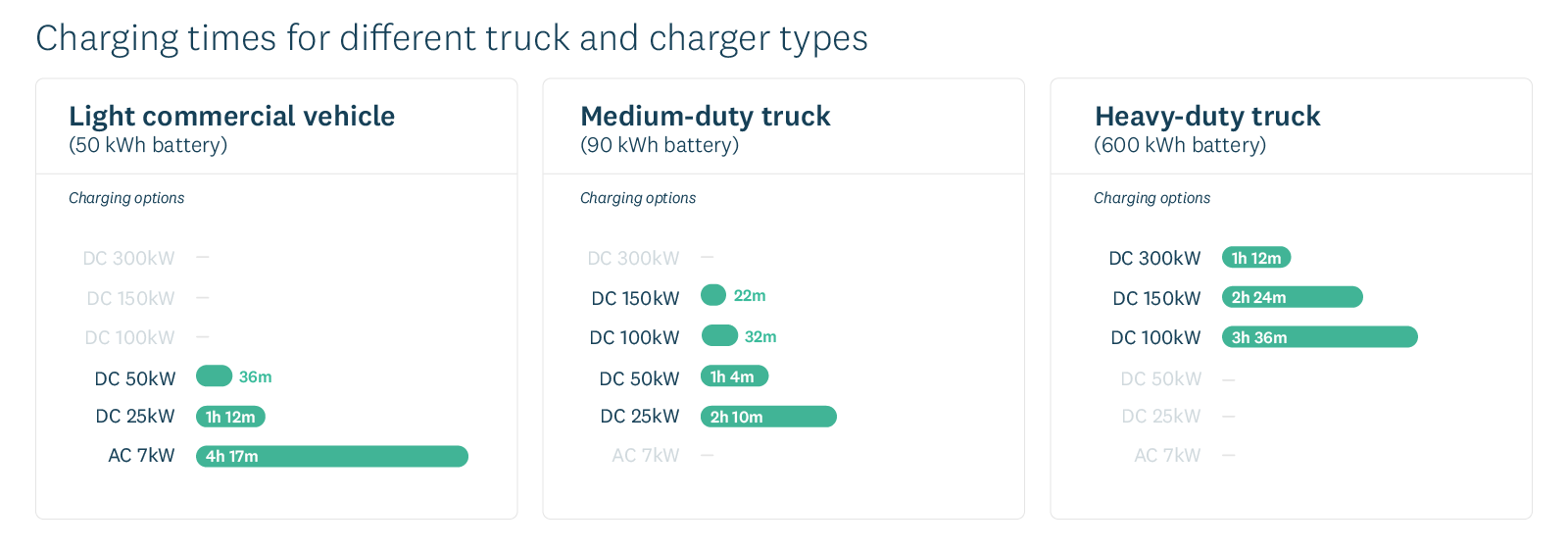
Understanding these timelines is paramount for fleet managers aiming to maximize uptime. Charging strategies may involve overnight depot charging supplemented by opportunistic fast charging en route, blending operational pragmatism with technological potential.
The Infrastructure Puzzle: Charger Availability and Standardization
Charging speed is only a piece of the puzzle; the broader ecosystem—charger availability and interoperability—shapes the ultimate experience. A fast charger is beneficial only if accessible and compatible.
Standardization efforts around charging connectors, communication protocols, and billing systems strive to create seamless interoperability. Coupled with expanding networks strategically positioned along freight corridors, these advancements promise to alleviate range anxiety and operational bottlenecks—a leap forward in commercial electrification.
Implications for the Future of Freight
The acceleration in DC fast charging efficiency promises a paradigm shift in how we view electric trucks. Faster, more reliable charging transforms EVs from niche green alternatives into frontline contenders capable of matching diesel efficiency patterns.
This shift is not merely technological but cultural. It invites businesses to reconsider fleet design, route planning, and even supply chain logistics. The result? Enhanced sustainability compatibles with productivity and profitability.
Exploring electric truck charging through the focused scope of 10-80% DC fast times uncovers a narrative rich with innovation and strategic potential. It’s a storyline charged with anticipation, where each minute shaved from charging translates into miles gained on the road to a cleaner, more efficient future.