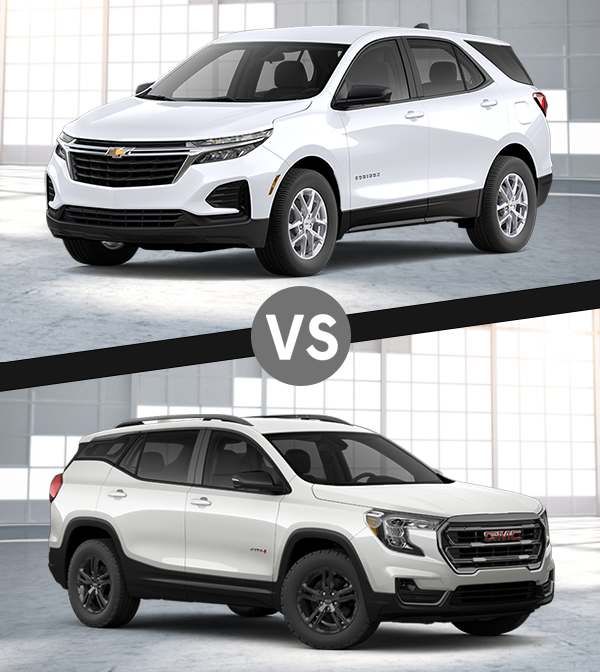
Two nameplates, one family of engineering DNA, and a question that lands in the middle of everyday life: Chevrolet Equinox vs. GMC Terrain – which GM crossover wins? On paper, both vehicles promise practical comfort, confident highway manners, and an ownership experience designed for the real world—commutes, errands, school runs, and the occasional road trip when the calendar finally loosens its grip.
But “winning” is a slippery word. It depends on what a driver values: fuel economy that feels almost anticipatory, cabin quietness that makes long drives effortless, infotainment that doesn’t behave like a moody roommate, or handling that keeps you connected rather than merely transported. So instead of searching for a single trophy, it’s more useful to examine the strengths of each crossover across the full spectrum of daily priorities.
In the sections ahead, readers can expect a guided comparison: what changes between the Equinox and the Terrain, how each one behaves in motion, what the ownership equation looks like, and which shopper profile each crossover naturally serves.
At a Glance: Identity, Positioning, and Everyday Presence
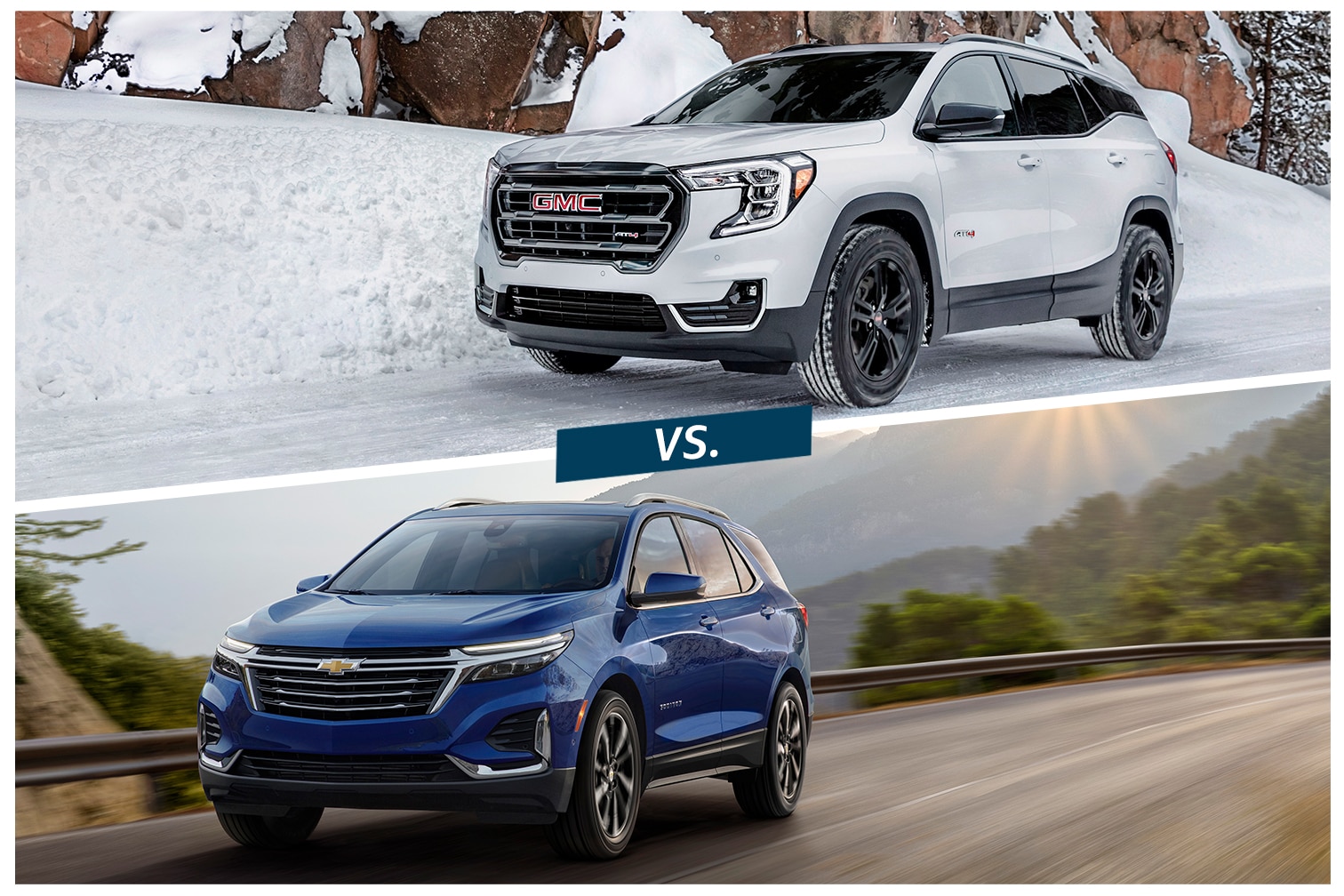
Before comparing specifications, it helps to understand the emotional silhouette of each model. The Chevrolet Equinox tends to project a modern, friendly stance—clean lines, a familiar GM design language, and a vibe that feels “accessible.” The GMC Terrain often carries itself with slightly more formality; it looks like a crossover that expects to be taken seriously even when you’re just grabbing groceries.
That’s not mere aesthetics. The way a vehicle presents itself influences how drivers perceive comfort and capability. If you want a crossover that feels approachable from the first glance, the Equinox often fits that mood. If you prefer a slightly more upscale aura—one that leans into GMC’s typical design language—the Terrain can feel like the more deliberate choice.
Powertrains and Performance: How Each Crossover Moves Through Real Life
Performance isn’t just horsepower. It’s how quickly a car translates intent into motion—how smooth the acceleration feels, how confidently it merges, and whether the engine sounds strained or composed.
In day-to-day driving, both crossovers aim to deliver a balanced experience rather than an overtly sporty one. The Equinox frequently feels eager in stop-and-go traffic, with throttle response that supports frequent speed changes without drama. Meanwhile, the Terrain often emphasizes steadiness—less “snap,” more “composed flow,” which can feel reassuring on longer drives.
When climbing or passing, the driver’s sense of control matters. A crossover that delivers predictable acceleration reduces mental workload. That matters more than many reviews admit. After all, a comfortable drive is the one where you don’t have to keep thinking about what the vehicle is going to do next.
Fuel Economy and Efficiency: The Quiet Art of Spending Less
Fuel economy is the part of ownership that quietly becomes the loudest over time. It affects weekly budgets, long-term costs, and even how drivers plan routes.
Both the Equinox and the Terrain are engineered to support efficient cruising and reasonable everyday consumption. The Equinox is often perceived as the more efficiency-forward choice, particularly for drivers who routinely navigate city traffic and frequent short trips. Short trips are notorious for draining fuel economy, so a crossover that keeps efficiency in mind can create a meaningful difference.
The Terrain can match that efficiency goal with a driving feel that encourages calm throttle use. When a vehicle’s power delivery is smooth, drivers naturally shift toward a lighter foot. It’s not magic—it’s ergonomics and feedback. In this category, “best” depends on driving habits as much as the spec sheet.
Ride Quality and Handling: Comfort That Doesn’t Flinch
The most overlooked part of comparison is the ride’s personality. Some vehicles feel like they absorb life’s irregularities; others transmit every seam in the road like a message in Morse code.
The Equinox tends to strike a pragmatic balance—comfortable over uneven pavement, stable during cornering, and generally easy to place on the road. It’s the kind of ride that helps you forget about suspension performance and focus on where you’re going.
The Terrain often offers a slightly more refined sensation, especially on highway stretches where smoothness becomes the priority. Drivers who prioritize reduced fatigue may find the Terrain’s driving composure aligns with their expectations. Still, the difference is subtle enough that tire choice, wheel size, and road conditions can sway the perception.
Ultimately, the “win” here is the one that feels most forgiving on your roads—the rutted back streets, the fast but imperfect highways, and the parking-lot speed bumps that appear only after it rains.
Interior Comfort: Space, Seating, and the Little Details That Matter
Interior comfort isn’t merely about legroom. It’s about how surfaces feel, how seats support posture, and whether the cabin promotes calm or creates distractions.
The Equinox typically emphasizes practicality. Rear-seat space is often described in ways that suggest it’s designed for real passengers—not just showroom fantasies. That makes it a strong candidate for families or anyone who regularly hauls friends, sports gear, or the weekend’s worth of errands.
The Terrain frequently leans toward a more premium comfort perception. Even when both vehicles are competing for the same household audience, the Terrain can feel more “settled,” with materials and fit-and-finish that contribute to a cohesive cabin atmosphere.
Look closely at storage utility as well. Cup holders, door bins, and cargo access decide how quickly you can switch from “commuting mode” to “errand mode.” The most underrated advantage is a cabin layout that makes your day smoother by default.
Technology and Infotainment: Navigating Without Friction
Modern dashboards are no longer just displays; they’re interfaces. A crossover can be mechanically excellent but still frustrate drivers if the infotainment experience is sluggish or unintuitive.
The Equinox often feels geared toward quick setup and familiar usability. Drivers who value a straightforward experience may find it easier to pair devices, find settings, and keep navigation running without constant adjustment.
The Terrain tends to focus on a controlled, guided feel—an experience that can feel more curated. For drivers who prefer a cockpit that appears deliberate and cohesive, the Terrain’s tech approach can be appealing.
Whether the Equinox or Terrain wins depends on what “good” means to you. Some drivers prioritize fast responsiveness. Others value voice command integration, screen clarity, and the ease of customizing the driving experience without breaking attention.

Safety and Driver Assistance: Confidence in Every Lane
Safety isn’t a feature you notice once you’re already safe—it’s the system working behind the scenes before problems happen. Driver assistance technologies can reduce strain during long drives and help prevent common errors.
Both crossovers commonly incorporate modern safety suites designed for everyday vigilance: alerts for nearby hazards, assistance during lane changes, and collision-mitigating capabilities depending on configuration.
The differentiator isn’t always which systems exist; it’s how they behave. A well-calibrated safety system feels like a gentle second set of eyes. A poorly tuned system can become intrusive. That’s why test driving matters—especially on busy roads and during highway merges where driver assistance actually has something to do.
Cargo, Practicality, and the Week-After-Week Reality
Most people don’t live in brochure scenarios. They live with groceries, bulky packages, strollers, road-trip bags, and the occasional “we should’ve brought more snacks” moment.
The Equinox typically earns praise for functional cargo usability and a layout that supports flexible loading. The Terrain often competes strongly as well, with cargo access that makes everyday packing less of a chore. Roof racks, tie-down points, and rear seat versatility can tilt the decision when your lifestyle demands it.
If you frequently transport items that don’t conform to a perfect rectangle—sports equipment, landscaping bags, or uneven bundles—the winner becomes the vehicle whose cargo bay feels easiest to work with, not the one with the largest number on paper.
Ownership Experience: Costs, Service Feel, and Long-Term Value
Ownership is where emotional choices turn into financial outcomes. Maintenance expectations, insurance pricing tendencies, and resale outlook all influence long-term satisfaction.
Chevrolet and GMC both offer service networks and parts availability that can reduce friction over the years. But the feeling of ownership can differ based on trim selection, driving habits, and how often you rely on technology-heavy features.
For buyers who prefer predictable, broadly accessible ownership, the Equinox often aligns with that mindset. For shoppers seeking a more identity-driven ownership experience with a slightly more premium perception, the Terrain may offer the satisfaction that goes beyond maintenance scheduling.
Which GM Crossover Wins? A Reader-Friendly Verdict
If the ideal crossover is one that feels approachable, practical, and efficiency-conscious—especially for commuter life and frequent errands—the Chevrolet Equinox is often the stronger match.
If your priorities lean toward a more composed, slightly more upscale cabin presence, with driver assistance and comfort that encourage relaxed highway driving, the GMC Terrain tends to feel like the more satisfying choice.
Yet the true winner is the crossover that makes your specific routine smoother. The only reliable method is a test drive that mirrors your real routes. Pay attention to seat comfort after 15 minutes. Notice cabin quietness on a rough patch of road. Try a few gentle merges and observe how the vehicle reacts. Then the decision becomes less theoretical and more personal.
Final Thoughts: The Best Choice Is the One That Fits Your Life
Chevrolet Equinox and GMC Terrain are both smart contenders in the crossover arena, each carrying a distinct personality shaped by comfort, efficiency, and everyday usability. The Equinox often feels like the pragmatic everyday champion—easy to live with, efficient for typical schedules, and straightforward in its technology approach. The Terrain often feels like the comfort-forward alternative—refined, composed, and well-suited to drivers who want their daily drive to feel a touch more premium.
Choose the one that matches your priorities, not just your preferences. When a crossover becomes an ally in your routine—quiet when you need quiet, responsive when you need clarity, and comfortable when the day drags—that’s the real win.