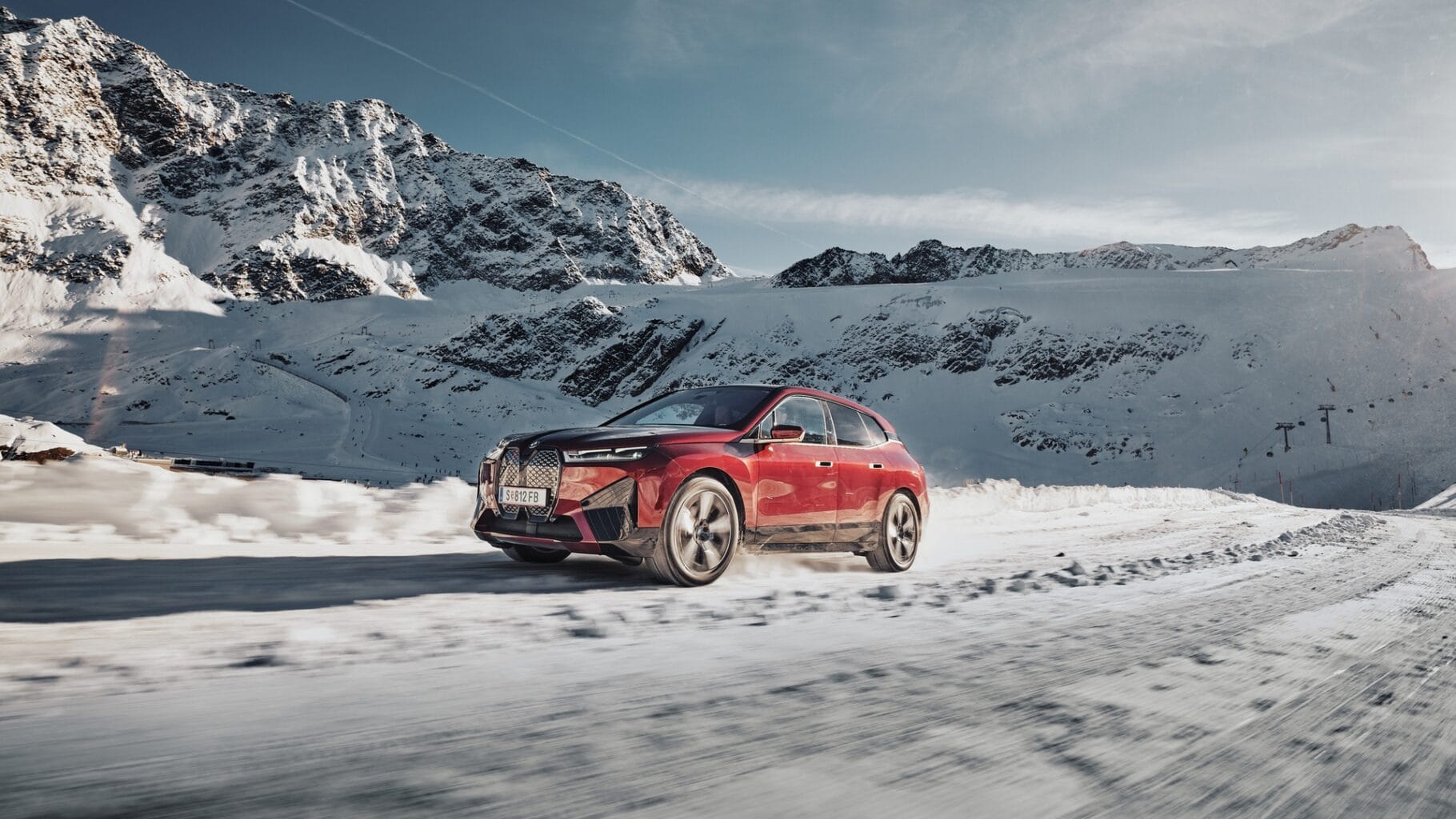
What happens when winter turns the road into an icy ribbon and the landscape feels sharper than a freshly sharpened pencil? For drivers of an electric SUV, the question isn’t just whether the heater will keep you comfortable—it’s whether your battery will stay cooperative when temperatures plummet and every kilometer starts to feel like a wager.
The BMW iX, an electric crossover built for real-world journeys, enters this season with a familiar promise: refined performance, confident traction, and a driving experience that doesn’t abruptly fall apart the moment the first frost arrives. Still, winter has its own personality. It can be petty. It can be unforgiving. And it can make range feel like a moving target. So let’s explore the winter range story and cold-weather performance—what changes, why it changes, and how the iX responds when the world outside becomes a chilly experiment.

Winter Range: The Real Physics Behind the Drop
Range in winter doesn’t vanish—it rebalances. Cold battery chemistry slows down, and the vehicle must spend additional energy simply to reach an optimal operating temperature. Think of it as preheating the engine of an orchestra before the conductor raises the baton. If the battery and cabin aren’t in the right thermal window, performance becomes less eager, and energy consumption climbs.
On the road, drag and rolling resistance also rise. Snow and slush can behave like an uninvited tax on efficiency. Even when the tires aren’t fully buried, the traction conditions can encourage more conservative driving. The BMW iX is designed to manage these realities, but winter still has the final say.
The good news: modern thermal management systems can mitigate the worst of the efficiency hit. The key is anticipating how the iX uses energy—especially when you begin with a cold state of charge and a cold ambient temperature.
Cold Battery, Warm Strategy: How the iX Protects Usability
The first minutes of a winter drive are where the narrative is written. A battery that’s too cold can limit output and extend charging times. To address this, the iX’s thermal management aims to bring the battery into a usable temperature range, allowing power delivery to remain predictable.
It’s not merely about raw acceleration. Cold-weather constraints can manifest as reduced responsiveness, higher energy draw, or slower replenishment at chargers. By proactively conditioning the pack, the iX helps maintain a sense of continuity—like the vehicle refuses to “hibernate” when the world gets harsh.
Some drivers notice that range looks especially optimistic after preconditioning, then softens later. That’s not a betrayal—it’s the vehicle transitioning from “prepared” to “sustained.” Understanding that rhythm helps you plan more calmly, not reactively.
Heating and Comfort: The Energy-Eating Elephant in the Cabin
In winter, the cabin can become a gentle cocoon—or a quiet energy sink. Heating demand grows quickly when outside air temperatures drop, and the iX must allocate energy between thermal comfort and mobility.
The iX balances comfort with efficiency by managing heat distribution and system behavior. Still, the challenge remains: keeping everyone comfortable often means drawing additional power, especially during the first leg of a trip.
Want the most consistent winter range? Consider setting a comfortable temperature rather than maxing the system. Use timed departure or preconditioning when possible. Short bursts of heating can be surprisingly efficient compared with relentless demand after the vehicle is already warm.
Long sentences can feel like long winters—so here’s a simple truth: comfort is valuable, but it’s not free.
All-Weather Traction: The iX in Snow, Slush, and Uncertainty
Range is only half the story. Winter also demands traction, stability, and composure. Snow doesn’t behave like asphalt. It can be compacted, powdery, or slick as glass. Wet patches can hide ice. And everything becomes less predictable.
BMW’s all-wheel-drive approach is built for confidence: it modulates torque delivery to maintain grip and to keep the car moving with intention rather than improvisation. When the iX encounters low-friction surfaces, it works to prevent wheelspin and to preserve directional control.
Here’s the playful challenge: imagine you’re leaving a driveway that looks like a snow-globe. You’re excited, the forecast is “mostly cloudy,” and your confidence is high. Then you hit the first untreated stretch of road. Will you drive like it’s summer, or will you let the car set the pace?
The best winter experience usually comes from smooth inputs—gentle acceleration, steady steering, and patience. The iX can help, but physics can’t be negotiated with charm.

Efficiency Techniques That Actually Work
Winter efficiency is partly engineering and partly driver behavior. Small choices compound over distance. Try to avoid aggressive acceleration, especially from a stop. Plan for traffic so you can coast where appropriate. Use smoother speed profiles rather than frequent braking and re-accelerating.
Tire pressure matters more than most people think. Underinflated tires increase rolling resistance, while cold temperatures naturally drop pressure. Keep a seasonal mindset: check pressures regularly and adjust according to the manufacturer’s guidance.
Also consider aerodynamic effects. Roof racks, additional cargo, or even a slightly misjudged load distribution can increase drag. In winter, when every percentage counts, those details can be surprisingly consequential.
One more trick: if your route includes longer stretches at steady speeds, that’s where efficiency stabilizes. The iX responds well to consistent driving—winter or not.
Charging in Winter: When Time Becomes a Variable
Cold weather doesn’t only affect range; it can influence charging behavior. Lithium-ion batteries charge differently when temperatures are low. Many electric vehicles, including the iX, can condition the battery to support more favorable charging performance.
But charging isn’t a simple “plug and forget” process in winter. If you arrive at a charger with a deeply cold pack, initial charging power may be reduced while the battery warms. That can extend session time.
Planning helps. If your route allows it, precondition the vehicle before reaching a charger. This can make the charging window feel less like a suspenseful cliffhanger and more like a routine stop.
In winter, the best chargers are often the ones you use strategically—timing matters as much as location.
Real-World Planning: Range Estimates vs. Winter Reality
Range estimates can become more volatile in cold weather. They’re calculated using assumptions that shift with temperature, wind, road surface, and driving style. So if your iX displays a predicted range that seems optimistic, treat it as a baseline rather than a promise.
Build a buffer into your itinerary. Choose charging stops earlier than you would in mild conditions. Allow extra time for traffic, detours, and the occasional “unplanned” layer of snow.
There’s a certain kind of winter wisdom that doesn’t need a lecture: it’s the habit of leaving with a plan B.
The Winter Mindset: Turning Challenges into Confidence
Winter can test any vehicle. It tests your battery, your heater, your patience, and your expectations. Yet the iX’s design philosophy—thermal management, traction confidence, and predictable drivability—helps make that testing less chaotic.
Still, the playful question lingers: are you prepared for winter’s subtle negotiations? Will you treat the season like an obstacle course, or like an environment where smart preparation unlocks calm momentum?
The iX can deliver a composed winter experience, but your approach matters. Drive smoothly. Precondition when appropriate. Keep the cabin comfortable with intentional settings. Monitor tires. And plan charging with a generous buffer.
Winter doesn’t need to steal your confidence. With the right habits, the BMW iX becomes less of a calculator and more of a companion—one that keeps moving forward, even when the world outside feels like it’s trying to slow everything down.
In the end, cold weather performance is a partnership: between the vehicle’s thermal intelligence and your own strategy. And when you get that balance right, the road—icy, snowy, unpredictable—starts to feel like it belongs to you again.