Two electric sedans sit at opposite ends of the same technological ballroom. One arrives with the poise of a German instrument—tight tolerances, disciplined geometry, and a sense that every click was designed. The other glides in like a software-first comet—sleek, intuitive, and determined to make the future feel immediate. This is the BMW i4 vs Tesla Model 3 showdown: not merely a comparison of vehicles, but a comparison of philosophies, temperaments, and the way each brand translates power into personality.
Picture the road as a long corridor. The Tesla Model 3 is a smooth-running engine-room of software, where updates act like new chapters in a living story. The BMW i4 is more like a crafted watch—intricate, deliberate, and tuned for tactile satisfaction. Both are electric. Both are fast. Yet the experience of driving them can feel like stepping into different versions of the same dream.
Electric DNA: How Each Sedan Interprets the Same Future
Electric propulsion is the shared foundation, but it’s the surrounding design language that reveals the real contrast. The i4 wears BMW’s hallmark—muscular lines softened by aerodynamic intention. Its cabin tends to emphasize a driver-centric layout and a cockpit-like atmosphere. The Model 3, by comparison, is minimalist to the point of serenity, with a focus on how quickly you can access functions without friction.
In metaphor terms, the BMW i4 often feels like a classic pianist: every note controlled, every movement purposeful. The Tesla Model 3 feels like an electronic symphony: dynamic, responsive, and comfortable improvising as the song evolves. Both can perform beautifully. They simply approach beauty through different instruments.
Design and Presence: The Look That Lingers After You Pass
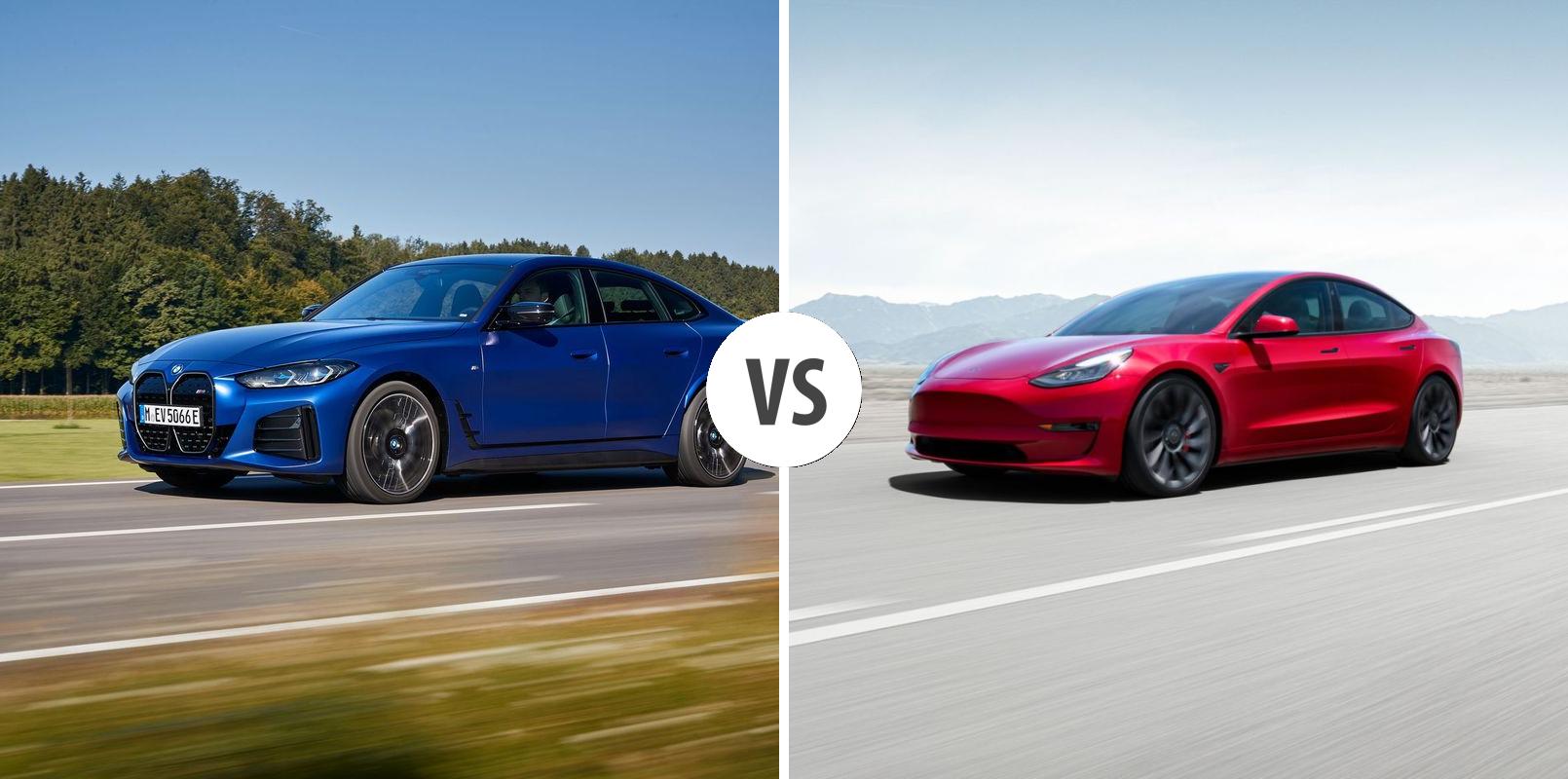
Exterior styling is more than decoration—it’s a declaration. The i4 gives off an assured, slightly understated intensity. Its proportions tend to read as substantial, with a stance that suggests stability even before the wheels begin to roll. The Model 3, with its clean lines and streamlined surface, carries a more aerodynamic calm. It looks like it’s already moving, even while parked.
Step closer and the sensory differences widen. The BMW i4 often invites a more traditional sense of craft: surfaces feel engineered rather than just assembled. The Tesla Model 3 invites a different kind of attention—how seamlessly the design flows, how the interior promises simplicity, and how the cabin seems to reduce the number of distractions between you and the road.
Cabin Character: Crafted Comfort vs Tech-Forward Minimalism
Inside the BMW i4, the cabin tends to feel structured, almost architectural. Buttons and controls can be laid out with a deliberate rhythm, and the overall ambience leans toward refinement. Materials, fit, and finish often aim for a premium, tactile credibility—something you notice when you touch a knob, reach for a control, or settle into the seat.
Inside the Model 3, the atmosphere is streamlined and technology-anchored. A large central display becomes the gravity well of the cabin. It’s less about physical gesture and more about instant cognition—information appearing when you want it, not when the car decides you should. The result can feel remarkably calm, especially during long drives.
In another metaphor: the BMW i4 is a tailored jacket—comfort through structure. The Model 3 is a flexible hoodie—comfort through adaptability. Neither is “better” universally; they simply fit different lifestyles.
Driving Feel: Steering, Suspension, and the Personality of Acceleration
Electric cars compress the distance between intention and motion. Yet their “character” still shows up in how they translate torque. The i4 typically leans into a more composed, driver-involved approach. Steering response and chassis behavior often aim for confidence in cornering and stability at speed. It can feel like the car is actively participating in your decisions.
The Model 3 often highlights instant acceleration and smooth power delivery. The experience can feel like effortless momentum—less debate between throttle and traction, more a sense of motion that simply gathers speed. Depending on configuration, it can be strikingly quick, with a sense of traction that feels eager rather than merely capable.
The contrast is subtle but real: the i4 may feel like it’s tightening the bond between road and driver. The Model 3 may feel like the road is yielding to a highly optimized system.
Performance and Efficiency: Power That Comes With a Plan
Performance in electric sedans isn’t only about numbers; it’s about what happens after the initial surge. An efficient car turns energy into distance, and a confident car turns distance into less stress.
The BMW i4 is engineered to deliver spirited driving while maintaining composure. Its efficiency is typically respectable, and its ride balance can help reduce fatigue over time—long commutes feel less like obligations and more like periods of controlled enjoyment.
The Tesla Model 3 often stands out for its energy management and straightforward drivability. Even when you drive more dynamically, it can feel eager to keep the experience smooth. It also benefits from a broad ecosystem of charging guidance and route planning, which can make real-world energy decisions feel less mysterious.
Think of efficiency as a budgeting strategy: the i4 often feels like careful stewardship, while the Model 3 feels like an intelligent forecasting engine.
Charging and Ownership Rhythm: From Planning to Arrival
Charging is the invisible choreography behind every electric ownership story. The i4 encourages planning with a more traditional sense of preparation—considered trips, thoughtful use of energy, and a calm expectation of what charging looks like.
The Model 3 can make charging feel less like logistics and more like an integrated part of your day. Its navigation and charging awareness are typically designed to reduce guesswork. You don’t just find a charger; you get guidance that helps you arrive with confidence.
Ownership rhythm matters. Some people want the convenience of a highly connected workflow. Others prefer the predictability of a well-tuned routine. Both styles can be satisfying, but they’re not identical.
Technology and Infotainment: Where Interaction Becomes an Experience
Technology isn’t a gimmick; it’s the method by which a car communicates. In the i4, the infotainment experience tends to follow BMW’s more familiar approach—an interface that aims for clarity, with controls that feel logically placed. The car can feel less like a device and more like a vehicle that happens to be smart.
In the Model 3, the cabin can feel like a digital hub. The interface is designed for quick transitions between functions—maps, media, energy status, and driver assistance features. The experience can feel immediate, like the car is listening for intent and responding without delay.
Metaphorically, the i4 is a conversation with a confident professional—polished and precise. The Model 3 is a dialogue with a rapid assistant—fast, adaptive, and often proactive.
Safety and Driver Assistance: Confidence at the Edge of Control
Driver assistance systems shape how stress behaves on the commute. BMW often emphasizes a layered approach to safety and stability, aiming for reassurance during highway cruising and daily driving. The i4’s systems are typically designed to help you stay aware without turning the driver into an observer.
Tesla’s approach is frequently framed around automation and continuous improvement, with features that can vary by market and configuration. The result can be a sense of “active calm,” particularly on long stretches where attention naturally frays.
Regardless of brand, the key question is the same: does the system reduce workload while keeping the driver connected to the mission? Both can support that goal, though the feel is different—one may feel more traditional, the other more software-forward.
Who Each Sedan Fits Best: Temperament, Not Just Specs
The BMW i4 is a strong fit for drivers who value refinement, composed handling, and a cockpit that feels tailored to human habits. It’s for people who like the sensation of a vehicle that behaves like a well-engineered instrument—something you can trust and enjoy even when the drive becomes playful.
The Tesla Model 3 is a strong fit for drivers who want fast responsiveness, an ultra-connected feel, and a car that evolves with software. It’s for people who treat their vehicle as part of a larger digital ecosystem—maps, charging, entertainment, and updates all moving in sync.
Choose based on your daily reality. Commutes, road trips, charging access, and personal preference for control vs convenience can decide the winner more than acceleration does.
Final Verdict: Two Roads, One Electric Awakening
In the BMW i4 vs Tesla Model 3 electric sedan showdown, neither champion is absolute. The i4 excels in crafted confidence—an engineered cadence that can make driving feel intentional. The Model 3 excels in digital fluency—an experience that often feels like the future arriving early, with fewer barriers between you and the road.
Ultimately, the “best” choice is the one that matches your inner rhythm. If you crave tactile structure and disciplined handling, the BMW i4 will feel like a finely tuned companion. If you want seamless software integration and smooth, eager acceleration, the Tesla Model 3 will feel like motion with momentum and clarity. Both offer electric freedom. They simply present it through different doors.