What do you call a four-door car that dresses like a coupe and then—without apology—walks into everyday life? The BMW 4 Series Gran Coupé answers with a kind of confident mischief. It doesn’t simply blend practicality and panache; it choreographs them. From the first glance, the design reads as a visual handshake between sportiness and elegance, tightened with purposeful lines and a stance that feels almost theatrical.
Yet here’s the playful question: if a car looks this sculpted, will it still feel effortless when the day turns ordinary? The challenge isn’t only in how it looks—it’s in how the styling language stays coherent under motion, in daylight glare, and in that moment when you realize parking is more geometry than emotion. Let’s trace the styling story, piece by piece, so the design isn’t just admired—it’s understood.
The Signature Profile: Coupe Attitude, Gran Coupé Grace
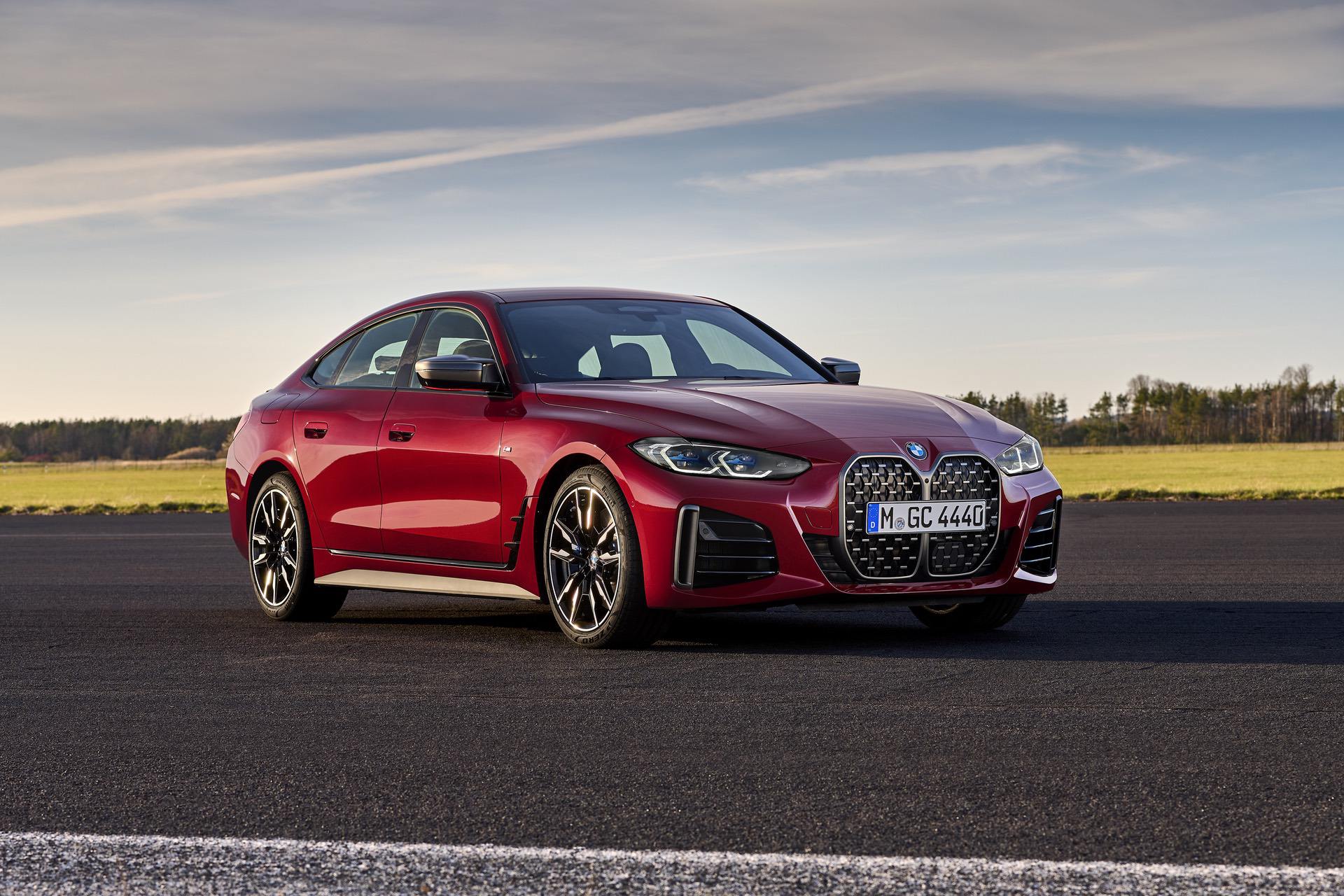
The Gran Coupé silhouette is the opening scene. Instead of a traditional sedan posture, it leans into a coupe-like roofline that slopes with deliberate intent. That slope doesn’t merely mimic athleticism—it frames the cabin with a sense of continuity, as if the body panels are moving even while standing still.
Look along the side character lines: they glide forward like a quiet dare. The proportions are tuned to keep the car visually planted, with the front end appearing eager and the rear suggesting composure. Short overhangs help the platform look compact and agile, while the long wheelbase portion gives the stance an anchored, grown-up rhythm.
The result is a profile that photographs well because it’s designed to catch light. Shadows collect in the creases and then release as you move around the vehicle. In other words, the styling isn’t static; it’s atmospheric.
Front Fascia: The Visual Hook That Pulls You In
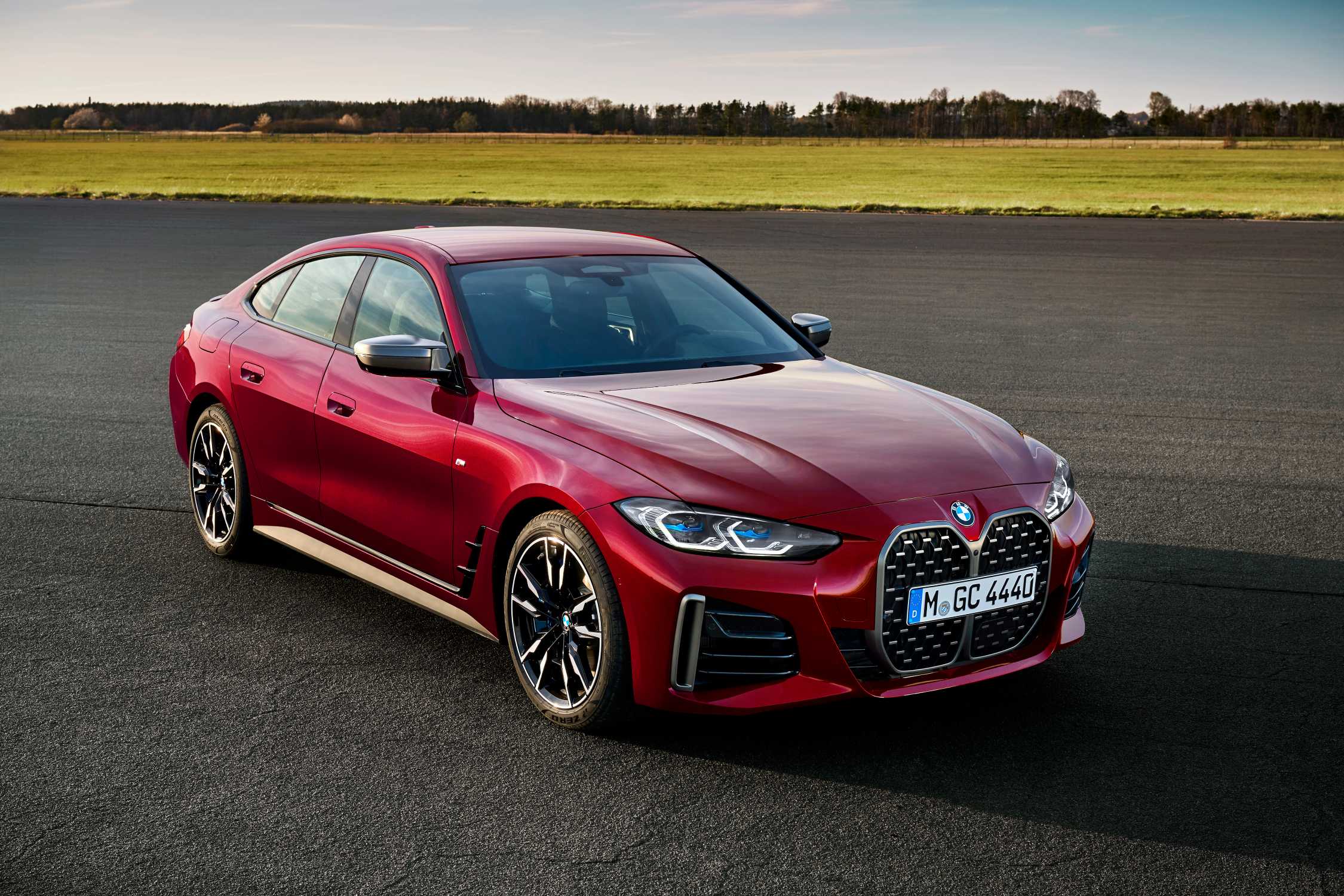
At the front, the BMW 4 Series Gran Coupé doesn’t whisper. It speaks through geometry: a bold grille presence, crisp edgework, and a lighting signature that gives the face a clear identity. The headlights read like eyes—sharp, purposeful, and unmistakably modern.
Even when the car is stationary, the front design suggests forward momentum. That impression comes from how the surfaces converge. Panels are shaped to guide the gaze toward the grille, while the lower intakes add visual depth, like the body has built-in ventilation for ambition.
There’s also a certain “architectural clarity” to the detailing. The lines are not only decorative; they define volume. It’s a styling approach that feels engineered for attention.
Lighting as Character: Daytime Drama, Nighttime Precision
BMW treats lighting as more than functionality. In the Gran Coupé, it becomes a signature. Daytime visuals emphasize contrast—bright elements against darker housings. At night, the light pattern adds order, making the car readable from a distance.
What’s striking is the way the lighting integrates with the body shapes rather than sitting on top of them. The design looks cohesive, like the light and the sheet metal share the same design grammar. That cohesion is crucial, because it helps prevent the “sticker effect” that some styling elements fall into when they’re not properly integrated.
When you approach the car in dim conditions, the styling challenge flips. Suddenly, the car doesn’t just look good in photos—it looks intentional, like it belongs to the same world as its own design cues.
Wheels and Stance: Where Styling Becomes Attitude
Wheels are the punctuation marks. They sharpen the silhouette and add a sense of cadence to the entire body. On the Gran Coupé, wheel design tends to feel purposeful rather than merely decorative, and the fitment helps the car look ready—almost impatient—to move.
Color choices and rim geometry also influence perception. Darker wheels can make the lower body feel tighter and more muscular. Larger diameter visuals can emphasize sportiness, while thinner spokes can create a “floating wheel” illusion that heightens drama.
Then there’s the stance itself: the ride height and wheel arch definition work together to make the car look composed, even when it’s visually aggressive. It’s a subtle balance between athletic and elegant—an uncommon combination that makes the Gran Coupé stand apart from more generic four-door profiles.
Door and Body Lines: The Sculpted Language of Movement
The side surfaces are where the Gran Coupé reveals its craftsmanship. Character lines thread across the doors and fenders, shaping the visual flow from front to rear. These lines do more than decorate; they create a narrative of motion.
If you move around the car, you’ll notice how the reflections travel along the body. That effect comes from sculpted transitions—edges that start sharp and then soften into volume. BMW’s styling tries to avoid harshness for the sake of harshness. Instead, it uses contrast carefully, so the car looks expressive without looking fussy.
There’s also a sense of continuity in the way the body lines align with the cabin proportions. The result feels cohesive, almost like the car was “drawn” from one continuous sketch rather than assembled from separate components.
Rear Design: Elegance with a Tail-Spun Edge
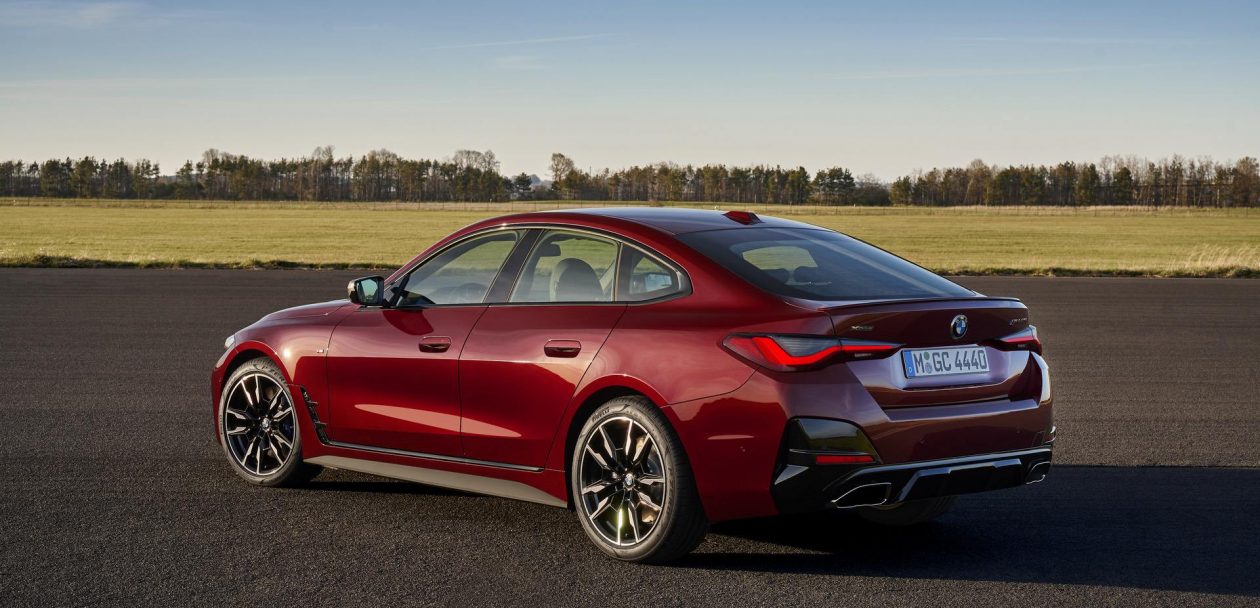
At the back, the BMW 4 Series Gran Coupé continues the coupe-like mood while maintaining four-door functionality. The rear proportions are balanced, with taillights that extend the visual signature and trunk framing that feels neatly resolved.
The design at the rear often carries a different energy than the front. Instead of pulling you forward, it steadies the overall impression. That steadiness is important, because a car can look dramatic from every angle—until you see how it resolves at the end.
Here, the styling meets that challenge. Surfaces are shaped so the rear doesn’t feel like an afterthought. It looks integrated, with lines and lighting that give the car a finished identity.
Color, Finishes, and Individuality: The Styling That Responds to Light
Styling is not only about form—it’s also about how the surfaces behave in the real world. Color choices can turn the car from striking to unforgettable. Some shades intensify contrast in the body lines, making edges look sharper and contours look deeper.
Finishes matter, too. Metallic and premium paints can create a “rolling” reflection effect, where light seems to glide rather than bounce. That’s why the same design can look elegant in shade and ferocious in sun.
The challenge for any striking design is consistency across conditions: overcast days, nighttime parking lots, and that midday glare that tests every camera and every human eye. The Gran Coupé styling largely survives these trials because it’s built on strong proportions and disciplined detailing.
Can It Still Feel Playful in Real Life?
Now back to the question: does the styling stay playful when life gets practical? The Gran Coupé is crafted to make daily routine feel less like logistics and more like a ritual. You climb in with the sense you’re entering something special. You look out and see a cabin that matches the body’s confidence.
Even when the day is busy—work errands, quick stops, longer drives—the car’s design supports your momentum. The styling doesn’t demand attention; it invites it. And that invitation can make the practical parts feel lighter.
Of course, there’s always that parking moment. The car’s presence is larger than a plain commuter. But that presence is also a gift: it reminds you you’re driving something curated, not simply transported.
Final Word: A Four-Door Coupe That Holds Its Shape
The BMW 4 Series Gran Coupé’s styling is a careful balancing act—sportiness refined, coupe character softened just enough for everyday life. Every line and light element contributes to a cohesive visual rhythm, from the coupe-like roof profile to the rear’s integrated finish.
It’s more than aesthetic ambition. It’s a design philosophy that treats the body as a canvas for movement, even when the engine isn’t running. And if you’ve ever wondered whether a four-door can truly wear the confidence of a coupe, the answer arrives in the first glance—and lingers through every angle.