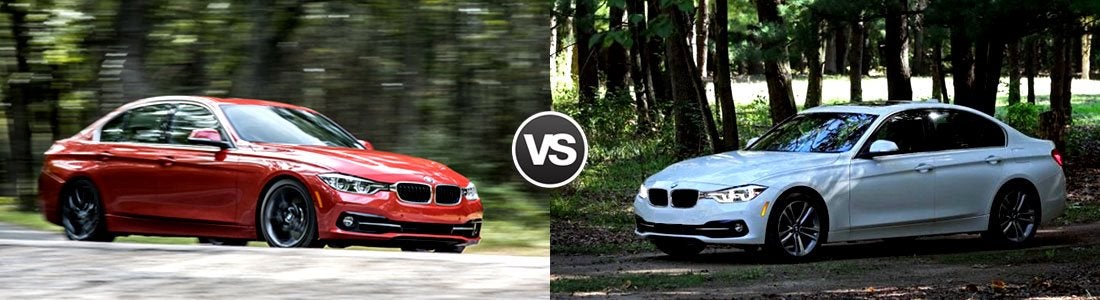
You walk into a dealership—or open a browser on a late night when the house is finally quiet—and the question arrives almost like a dare: BMW 330i vs 340i. It’s the same 3 Series silhouette, the same familiar steering feel, the same promise of refinement. Yet under the skin, the story pivots. One car seems designed to be lived with effortlessly. The other feels engineered to be remembered.
What’s striking is how often people make the decision based on a single line in a spec sheet. Horsepower. Torque. Acceleration. But the deeper fascination with the 3 Series is rarely only about speed. It’s about the way mechanical intent translates into emotion—how the car responds when you’re merging, climbing, or simply choosing the exact moment to pass.
So which one should you buy? Let’s follow the threads carefully: performance character, everyday usability, drivetrain philosophy, running costs, and the kind of driver each model quietly attracts.
Two Names, One Legacy: What the “30” and “40” Actually Signify
The naming is more than marketing shorthand. In BMW’s lineup, the jump from a 30i to a 40i typically signals a step up in engine capability and overall urgency. In real terms, that means the 330i tends to feel more measured—composed, economical in spirit, and eager in a linear way. The 340i usually arrives with a more forceful personality, often with stronger low-to-midrange response that makes the car feel “ready” rather than merely “capable.”
And that “readiness” matters. It’s the difference between pressing the accelerator and being immediately answered. It’s also why enthusiasts talk about torque like it’s a kind of conversation. The 340i, more often than not, speaks with a deeper voice.
Performance Character: Smooth Momentum vs Pressurized Enthusiasm
Start with acceleration—because everyone does. The 340i generally offers quicker 0–60 performance, but the more interesting aspect is how the power is delivered. The 330i may build speed with steady confidence, like a well-tuned orchestra bringing instruments in one by one. The 340i often feels closer to a crescendo: punchier when you need it most, particularly during overtakes and rolling starts.
Consider this common observation: drivers sometimes say the 330i is “fast enough,” then later notice that the 340i changes their driving habits. That’s not imaginary. It’s a psychological shift caused by responsiveness. A car that pulls strongly encourages you to explore gaps in traffic more freely. It reduces the hesitation between intention and action.
In practical driving, that translates into fewer “almost” moments—those seconds where you press harder than you planned. The 340i can make your normal route feel shorter, not because the road changed, but because your pace feels effortless.

Engine Feel: The Subtle Art of Throttle Response
Both models are designed for everyday driveability, yet they can feel distinct in the way their engines react to throttle. The 330i often offers a refined, smooth character—pleasant at steady speeds and comfortable during routine commutes. It can feel like a calmer executive: confident, well-spoken, never in a hurry.
The 340i tends to feel more like an athlete with excellent discipline. When you demand power, it’s there with less drama. It doesn’t just accelerate; it lunges into speed with an assertive, almost percussive torque delivery. The sensation is frequently described as “more immediate.” That immediacy is where fascination lives. It’s not only output—it’s the timing between your right foot and the car’s willingness to cooperate.
Some drivers also notice that the 340i’s power makes acceleration at midrange speeds more fluid. You can pass without planning three moves ahead. On the highway, it feels less like borrowing speed and more like having it on tap.
Transmission and Drivetrain: How Power Translates Into Motion
While the exact feel depends on the specific configuration, the 3 Series generally aims to keep shifts crisp and power delivery seamless. The 330i often leans toward smoothness, prioritizing low-stress driving and predictable behavior. The 340i, however, often emphasizes a more urgent shift logic that complements its stronger engine output.
This matters particularly in real-world situations: merging into fast lanes, navigating hills, or taking corners with just enough throttle to maintain momentum. The 340i tends to reward confident inputs. It invites a slightly more animated driving style, without forcing the driver into constant correction.
There’s also a deeper reason drivers get hooked: the car’s drivetrain can make you feel more connected. Not just “in control,” but aligned. When the drivetrain’s responses match your expectations, the driving experience becomes almost ritualistic.
Ride, Handling, and Balance: The 3 Series Character You Don’t Want to Miss
Comparing performance models can be distracting if it causes you to overlook what BMW does best: balance. Even when the 340i is faster, both cars typically share a sense of composure—steering that communicates, chassis behavior that remains controlled, and a ride that can be both poised and livable depending on the setup.
The 330i may feel slightly more relaxed, which can be an advantage if your daily life includes stop-and-go traffic, frequent errands, or long commutes. The 340i can feel more “charged,” encouraging faster corner exit and stronger confidence on winding roads.
To test this properly, don’t just do a straight-line sprint. Drive the car over uneven pavement. Take a familiar on-ramp. Perform a few gentle changes in throttle—small taps, then a deeper press. That’s where differences in torque delivery, shift strategy, and traction behavior become obvious.
Interior and Technology: Comfort vs Presence
The cabin experience is often where the heart starts negotiating. Both models typically offer a premium environment with modern infotainment and driver-focused controls. The 330i can feel especially suited to buyers who want comfort first: a quiet, controlled place to arrive and reset.
The 340i can feel like the same cabin but with a louder silhouette in the mind. Even when you’re not driving aggressively, the stronger performance background adds a sense of presence. It’s an atmosphere. Some drivers call it “subtle confidence,” others simply describe it as feeling “more substantial.”
When choosing options, prioritize what you will actually use. Heated seats, adaptive cruise, and driver assistance features can transform day-to-day fatigue. Meanwhile, sport seats and upgraded audio can deepen the emotional investment. These choices don’t increase horsepower, but they can increase attachment.
Fuel Economy and Ownership Costs: The Real-Life Trade
Now for the part that turns romance into arithmetic. The 330i is usually the more economical option in fuel usage and, depending on configuration, may carry lower insurance and maintenance exposure over time. The 340i can be slightly thirstier, and its performance-oriented components can influence long-term cost.
However, ownership costs aren’t only about consumption. They also include how you drive. If the 340i tempts you to use its power more often, fuel economy can drift in a hurry. Yet if your driving stays measured, the gap may narrow substantially. The key is not just what the car can do; it’s what you actually ask it to do.
Think of it this way: the 330i often rewards restraint. The 340i rewards intention.
Which Buyer Fits Each Model? A Practical Personality Match
Choose the BMW 330i if you want a balanced 3 Series that feels effortless. It suits those who value smooth acceleration, comfortable daily driving, and a confident but not overwhelming performance profile. If you’re the type who appreciates refinement—quiet competence—then the 330i is a compelling companion.
Choose the BMW 340i if you want more than transportation. If you enjoy spirited on-ramps, frequent highway passes, and the sensation of immediate response, the 340i tends to deliver deeper satisfaction. It also fits buyers who want the car to feel special even when you’re not pushing it hard.
Here’s a common inflection point: people who initially shop the 330i sometimes test a 340i and notice that “fast enough” becomes “never quite enough.” That’s not because the 330i disappoints. It’s because the 340i redefines the baseline expectations for response.
Test Drive Checklist: How to Decide Without Getting Tricked by Hype
For a decision you can trust, don’t rely on a single test. Ask for a few different scenarios:
1) Drive at city speeds for ten minutes and note how easily the car maintains smoothness. 2) Find a highway entrance and test a firm merge with half throttle, then full throttle. 3) On a gentle hill, accelerate from midrange speeds and feel whether the engine feels strained or eager. 4) Brake firmly once or twice and judge pedal confidence. 5) Listen: engine character, vibration, and cabin calmness.
These steps reveal whether your fascination is practical or performative. A car that delights you in motion will win long after the showroom excitement fades.
Final Verdict: Buying the One You’ll Keep Wanting
In the end, the question isn’t merely which is better. It’s which matches your rhythm. The BMW 330i is a model of refined balance—an excellent choice for drivers who want everyday ease with genuine BMW competence. The BMW 340i is the same foundation, but with a more dramatic sense of readiness and a stronger urge to move.
If you want a 3 Series that feels composed, efficient, and satisfying without constant provocation, the 330i may be your sweet spot. If you want a car that feels alive—one where power arrives with urgency and the drive becomes more memorable—the 340i is the likely magnet.
Pick the one that fits your life today, but also your future self. The best purchase is the one you won’t grow out of emotionally.