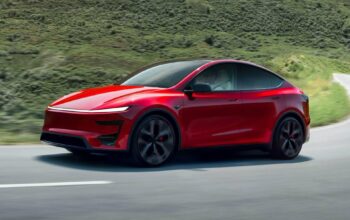
Winter descends like a silent conductor, orchestrating a symphony of frost on windshields and ice on roads. For those who refuse to hibernate when the world turns crystalline, the choice of a vehicle becomes a statement of defiance—and necessity. Tesla’s dual-motor all-wheel-drive (AWD) offerings, the Model Y and Model 3, stand at the forefront of this winter crusade, each promising not just mobility, but mastery over the season’s most treacherous elements. But which one truly reigns supreme when the mercury plummets and the roads betray with hidden sheets of black ice? The answer lies not just in raw numbers, but in the nuanced interplay of design, efficiency, and the unspoken magic of electric torque.
The Silent Advantage: Dual-Motor AWD in Winter Conditions
At the heart of Tesla’s winter prowess lies the dual-motor AWD system, a technological marvel that distributes power seamlessly between the front and rear axles. Unlike traditional all-wheel-drive systems that rely on clutches and mechanical linkages, Tesla’s electric AWD operates with near-instantaneous precision, adjusting torque distribution in milliseconds. This agility is particularly crucial in snow and ice, where split-second decisions separate control from chaos.
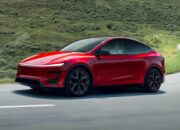
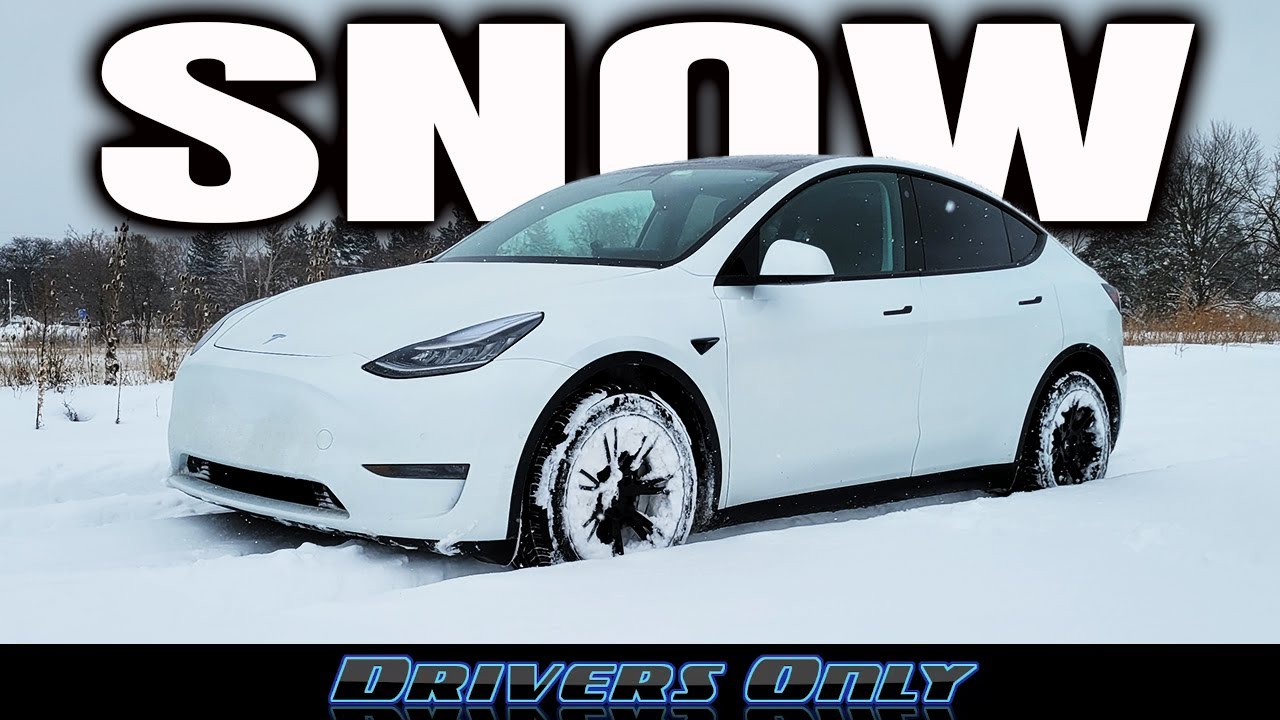
The Model Y and Model 3 both leverage this system, but their implementations subtly differ. The Model Y, with its higher ride height and SUV proportions, offers a commanding view of the road ahead, while the Model 3’s lower center of gravity enhances stability during sudden maneuvers. Both benefit from Tesla’s signature low center of gravity, a byproduct of the battery pack’s placement beneath the cabin, which minimizes body roll and improves traction on uneven, snow-packed surfaces.
What truly sets Tesla’s AWD apart is its ability to operate in “one-speed” mode, eliminating the lag of gear shifts that can disrupt momentum in slippery conditions. This translates to a driving experience that feels almost telepathic—anticipating skids before they occur and correcting them with imperceptible adjustments.

Efficiency in the Cold: How Cold Weather Affects Range
Winter is the great equalizer, and for electric vehicles, it’s also the great range reducer. Cold temperatures sap battery efficiency by slowing chemical reactions and increasing resistance, a phenomenon known as the “cold weather penalty.” However, Tesla’s AWD systems mitigate this effect through strategic battery preconditioning and thermal management. Before departure, the car can preheat the battery pack while still plugged in, ensuring optimal performance from the first mile.
Between the Model Y and Model 3, the latter often edges out in efficiency tests conducted in winter conditions. The Model 3’s sleeker aerodynamics and lighter weight reduce the energy required to maintain speed, while the Model Y’s bulkier frame demands more power to plow through snow. That said, the Model Y’s larger battery pack (75 kWh vs. the Model 3’s 60 kWh in Long Range variants) provides a buffer against range anxiety, especially on longer winter commutes.
Regenerative braking, a hallmark of Tesla’s efficiency, also behaves differently in cold weather. While the Model 3’s more aggressive regen settings can feel almost jarring on dry pavement, they become a lifeline in snow, allowing for one-pedal control without the risk of wheel lockup. The Model Y, with its higher ride height, offers a more forgiving regen experience, making it a gentler companion for those unaccustomed to the nuances of electric braking.
Ground Clearance and Traction: The Battle of the Bulge
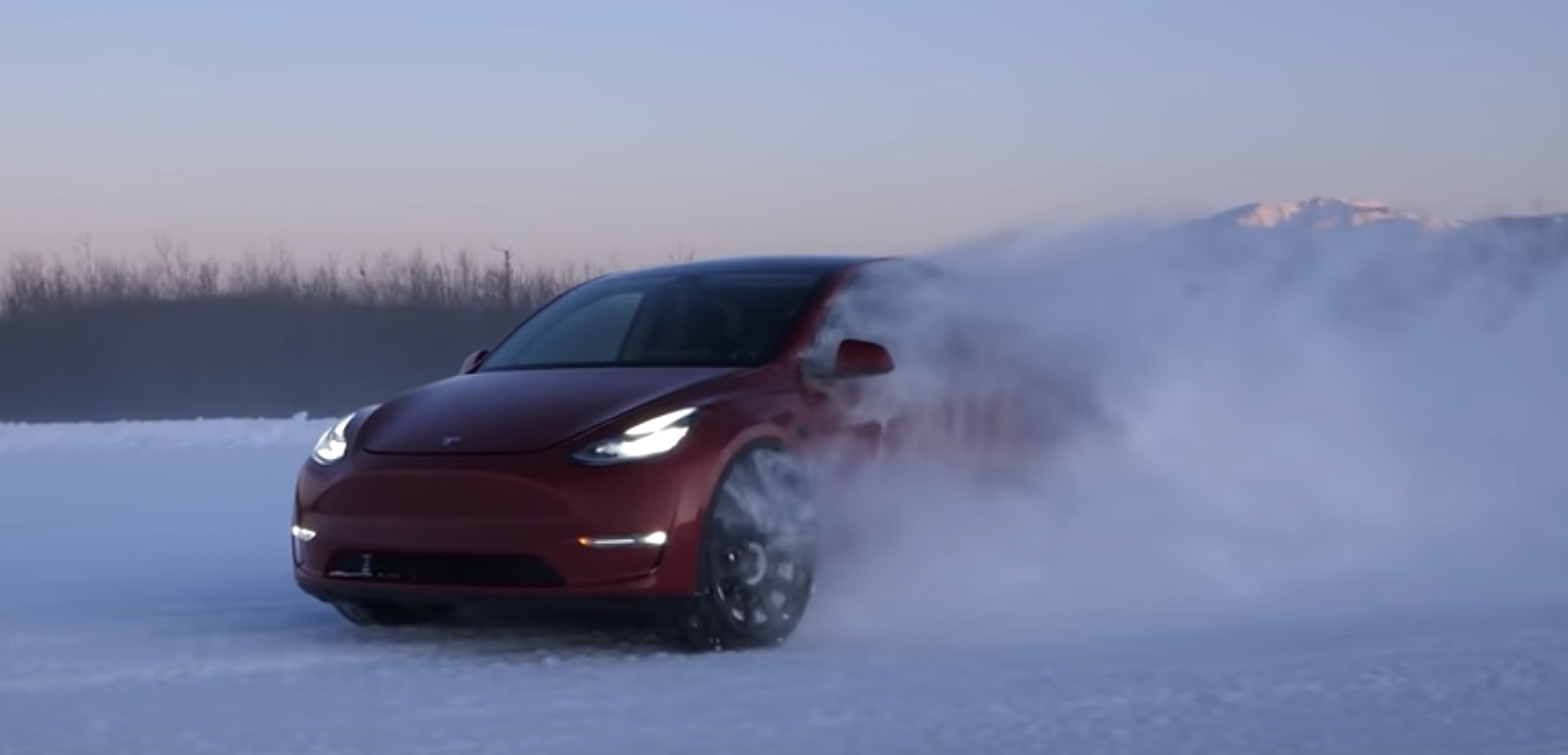
When the roads transform into undulating sheets of ice and slush, ground clearance becomes a silent hero. The Model Y’s SUV architecture grants it a 1.5-inch advantage over the Model 3, a seemingly small difference that translates to a world of comfort when navigating unplowed driveways or deep snowbanks. This extra clearance reduces the likelihood of undercarriage scrapes and allows the AWD system to work its magic without interference from road debris.
Yet, the Model 3’s lower profile isn’t without its merits. Its reduced frontal area minimizes wind resistance, a boon in crosswinds that can buffet taller vehicles. For those who prioritize highway stability over off-road prowess, the Model 3’s sleek silhouette offers a distinct advantage, especially when paired with optional 19-inch wheels, which further enhance aerodynamics.
Traction is another arena where the Model Y’s bulk works in its favor. The additional weight, distributed low and wide, provides a more planted feel on icy surfaces. The Model 3, while nimble, can feel slightly more skittish in extreme conditions, particularly when loaded with passengers or cargo. This is where the Model Y’s extra mass becomes an asset, dampening the effects of sudden gusts or uneven traction.
Cabin Comfort and Utility: More Than Just a Ride
Winter driving isn’t just about what happens beneath the wheels—it’s about the sanctuary within. The Model Y’s cavernous cabin, with its panoramic glass roof and upright seating position, creates an airy, almost cathedral-like space that feels immune to the chaos outside. The Model 3, while more intimate, offers a cockpit-like experience that appeals to those who prefer a tighter connection to the road.
Practicality takes center stage in the Model Y’s favor. Its fold-flat rear seats and massive cargo capacity (68 cubic feet with seats down) make it a natural choice for families or those who need to transport winter gear, groceries, or even a sled. The Model 3’s trunk, while ample, pales in comparison, though its lower lift-over height makes loading easier in deep snow.
Climate control is another battleground. The Model Y’s larger cabin requires more energy to heat, but its dual-zone climate system ensures even warmth for all passengers. The Model 3’s more compact interior heats up faster, a minor but noticeable advantage on frosty mornings. Both vehicles offer Tesla’s signature “Camp Mode,” transforming the cabin into a cozy retreat with climate control, music, and even Netflix streaming—perfect for those unexpected winter delays.
Autonomy and Technology: The Unseen Guardians
Tesla’s suite of advanced driver-assistance systems (ADAS) becomes an invaluable ally in winter conditions. Features like Autopilot’s Traffic-Aware Cruise Control and Autosteer excel in stop-and-go traffic on snow-covered highways, where maintaining a consistent speed is critical to avoiding skids. The Model Y’s higher vantage point provides a clearer view of the road ahead, enhancing the effectiveness of these systems.
Over-the-air updates ensure that both vehicles continuously improve, with Tesla frequently refining algorithms to handle slippery conditions better. The Model 3’s more recent iterations benefit from these updates more frequently, as Tesla prioritizes newer models for software enhancements. However, the Model Y’s larger user base means its systems are tested in a wider variety of real-world scenarios, potentially making it more robust in the long run.
One often-overlooked feature is Tesla’s Sentry Mode, which uses the car’s cameras to monitor for suspicious activity while parked in winter conditions. In an era where catalytic converter thefts and break-ins spike during the colder months, this passive security measure offers peace of mind that transcends the purely functional.
Final Verdict: Which Tesla Conquers Winter?
The choice between the Model Y and Model 3 for winter driving ultimately hinges on priorities. For those who demand maximum range, agility, and a sportier driving experience, the Model 3 is a compelling choice—especially in its Long Range AWD configuration. Its efficiency and lower profile make it ideal for highway commuters and urban dwellers who rarely stray from plowed roads.
For adventurers, families, or anyone who faces the whims of winter unapologetically, the Model Y emerges as the undisputed champion. Its ground clearance, cargo space, and commanding presence transform winter driving from a chore into an experience. The extra weight and height provide a reassuring stability that’s hard to replicate in a sedan, no matter how advanced its AWD system may be.
Ultimately, both Teslas redefine what it means to drive in winter. They don’t just endure the season—they revel in it, turning every snowflake into a testament to human ingenuity. Whether you choose the Model 3’s precision or the Model Y’s versatility, you’re not just buying a car. You’re investing in the freedom to move, regardless of the weather’s mood.